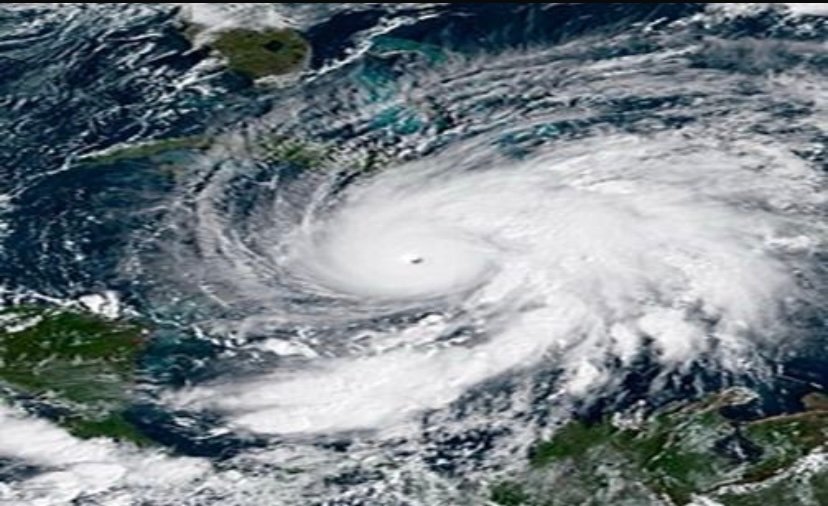

On the 27th of October, the world watched what many could consider a doomsday event as Hurricane Melissa made landfall in Jamaica, causing casualties, damaging homes, infrastructure, and shattering livelihoods. The slow-moving Category 5 storm caused horrifying scenes as heavy storms and rainfall overflowed rivers and water bodies, causing massive flooding that led to many families becoming homeless and displaced, damaging roads and infrastructure, and leaving many dead. This would turn out to be the most powerful hurricane ever to directly impact the land. Apparently, this is another tragedy of nature, an unavoidable storm in one of the countries that are prone to the impacts of hurricanes. Yet, as the impact subsides, a more uncomfortable truth unveils.
While the disaster is considered a tragedy of nature, the extent of its impact can be largely traced to human activities. Like many countries, Jamaica is vulnerable to the impact of climate change. The Island has experienced major disasters like intense storms, droughts, and sea-level rise. These climate impacts continue to hinder Jamaica’s economic and development plans. Amidst these climate challenges, Jamaica still struggles to integrate a robust disaster protection mechanism. Weak climate policies and poor mitigation strategies caused theseverity of the floods. Melissa exposed Jamaica’s weak approach and vulnerability to disaster.
Jamaica’s Vulnerability to Disaster
Climate disasters in Jamaica are not a new phenomenon. Heavy rainfall and hurricanes are common in some regions due to its location in the Caribbean. The island has been hit with storms and heavy rainfall, even though not as severe as Hurricane Melissa. If Jamaica is not new to these climate impacts, the question now is, what has been the disaster management mechanisms adopted over the years? Why was Melissa so intense? Can we point to Jamaica’s poor development patterns, environmental practices, and governance? There have been underlying issues long before the storm hit. One can fairly say that Hurricane Melissa exposed Jamaica’s poor response to natural disasters over the years.
Anthropogenic: A Contributing Factor
It is widely considered that nobody controls nature; however, human activities do contribute to the severity of its impacts. Hurricane Melissa’s landfall turns out to be a natural coincidence. Heavy rain caused by the storm overflowed rivers and water bodies, leading to massive flooding across major regions. As the water receded, the question now is, what caused the severity of the flood?
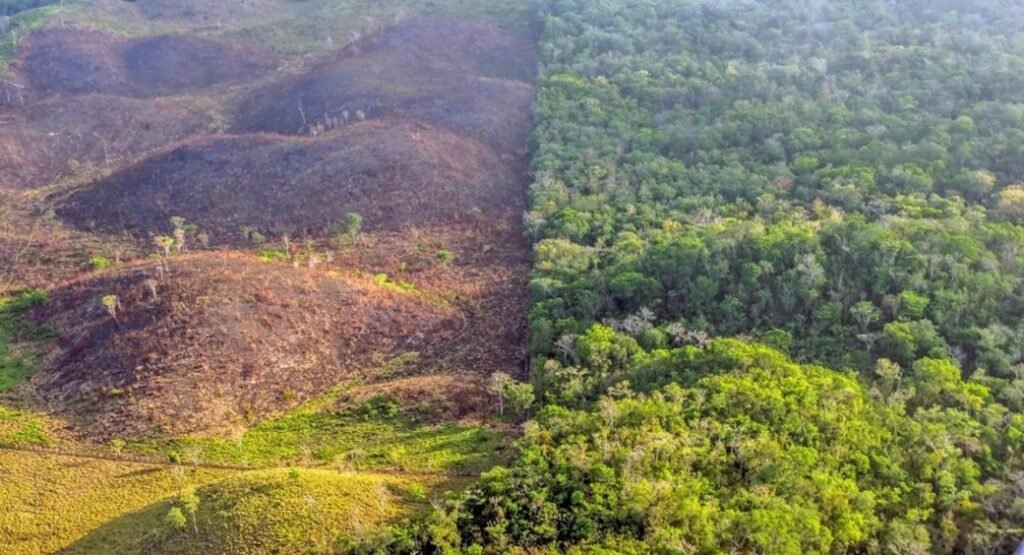
Deforestation in Jamaica is on the rise; an island once covered with trees is now losing 75percent of its forest to agriculture, housing, and infrastructure. Widespread deforestation across Jamaica is one of the major factors that contribute to the country’s vulnerability to natural disasters. Forests play a crucial role in mitigating the effects of flooding and other natural disasters. They offer a defence mechanism against the intensity and damage that floods can cause. Forests meant to protect are now being degraded; as a result, heavy rain quickly overflows rivers and water bodies, leading to flooding.
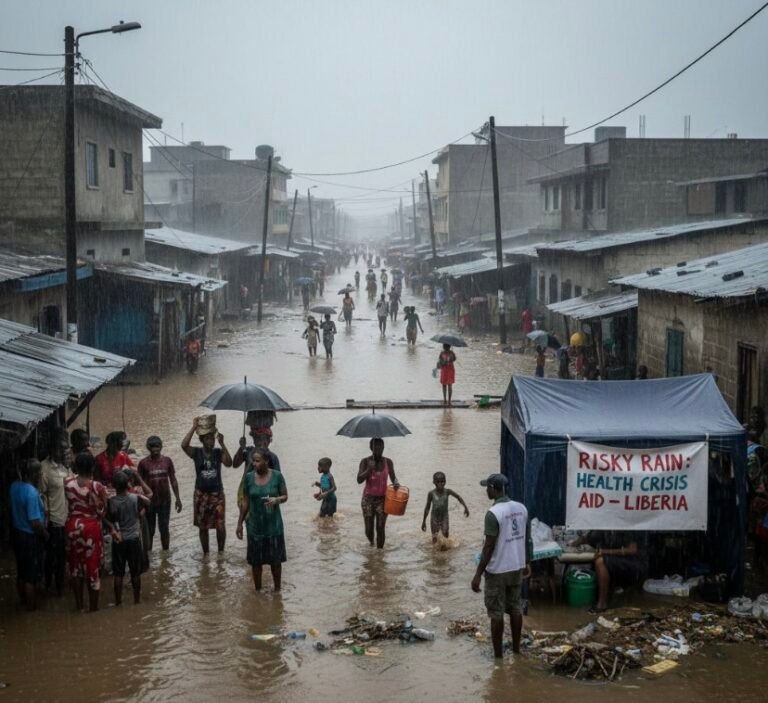
Another major factor is Jamaica’s rapid increase in human settlement and overpopulation in urban areas. As the population increases, new settlements are built. In most urban areas, homes and infrastructure are built in flood-prone areas, coastal zones, and riverbanks, leading to higher losses when floods occur. Most often, informal settlements lack proper drainage or a sewage system. These poor disaster readiness and climate adaptation processes expose Jamaica to the effects of disasters. When Hurricane Melissa arrived, water had nowhere to go, waterways were already blocked, and there were also inadequate drainage systems. This made the disaster even worse. Water from overflowing rivers and bodies quickly covers the land, streets got flooded, while homes were filled with contaminated water from sewage.

Jamaica’s Poor Policy Implementation
Jamaica is one of the countries most prone to flooding and other climate-related crises. Before Hurricane Melissa made landfall, the island had experienced numerous climate crises. However, Jamaica faced serious challenges in building a robust disaster management structure to combat these crises; climate adaptation, housing, and disaster risk reduction remain relatively poor. There is a significant challenge with weak implementation and coordination in its climate and disaster policies. Despite the adoption of the Climate Change Policy Framework and Comprehensive Disaster Risk Management Strategy in 2015, many of these policies are only inscribed on paper but lack proper implementation. Communities are still vulnerable to minor effects of climate impacts. In most cases, actions are taken after the disasters have occurred rather than before.
Accountability and National Reflection: Who takes the Blame?
Jamaica succumbs to the harsh impact of Hurricane Melissa, reflects on the country’s vulnerability to climate impacts. The disaster exposed some uncomfortable truths about Jamaica’s disaster management approach, including unpreparedness, inequality, weak governance, and poor policies. Jamaica seems defenceless. Apart from these factors, the local communities also contribute to major disasters. People often build in flood-prone communities, not because they want to, but because of poor economic stability that leads to housing shortages and a lack of sustainability. The disaster raised a serious concern about accountability: who are the major contributors? Do we blame decision makers for poor and failed policies, or the people who deliberately ignored climate policies? The severity of Hurricane Melissa in Jamaica cannot be pinpointed to a certain group. The disaster clearly exposed Jamaica’s poor environmental approach, reluctance to disaster preparedness, and climate policies. This becomes a collective decision made over the years.
Conclusion
Hurricane Melissa in Jamaica should be considered a global warning, not only a natural disaster. The impact of climate change doesn’t play fair. At times, the least responsible countries tend to suffer the worst consequences. It is apparent that nobody controls nature; the intensity of natural disasters can be intense at times. However, adopting a robust climate policy and a proper implementation process can reduce the severity of their impacts. How does this work? Countries can reduce their vulnerability to disasters by adopting climate adaptation and mitigation, providing a peaceful ecosystem, and prioritizing communities that are poor and vulnerable. The sad truth is, nature will strike again, but building robust climate resilience can prevent another day of reckoning.




 Reston Dennis Juah
 Noor Ul Ain
 Hassan Barrie
 Hoby Nasandratra Andriamiandrisoa
Bong88org is my go-to when the main site is acting up. Always a smooth experience, no lag or weird glitches. Trust me, it’s a lifesaver! bong88org
Hey all. Just logged in to 789tayalogin and the experience was smooth. No hiccups, easy to navigate. Check it out if you’re interested! 789tayalogin
For all you betting enthusiasts, Tylekeo188bet is where you need to be. Solid odds and a wide range of sports. Get your bets in! tylekeo188bet
Alright, ic79b is the place to be if you want to find what’s hot. I keep a close watch on that one. You too, maybe?: ic79b
Been exploring 888vndvip for a while now, gotta say, it’s got some perks. Worth checking out if you’re looking around. Good luck.: 888vndvip
Richi777casino is alright, alright, alright! Had some good wins there recently. The bonuses aren’t too shabby either. Worth a spin at richi777casino for sure!