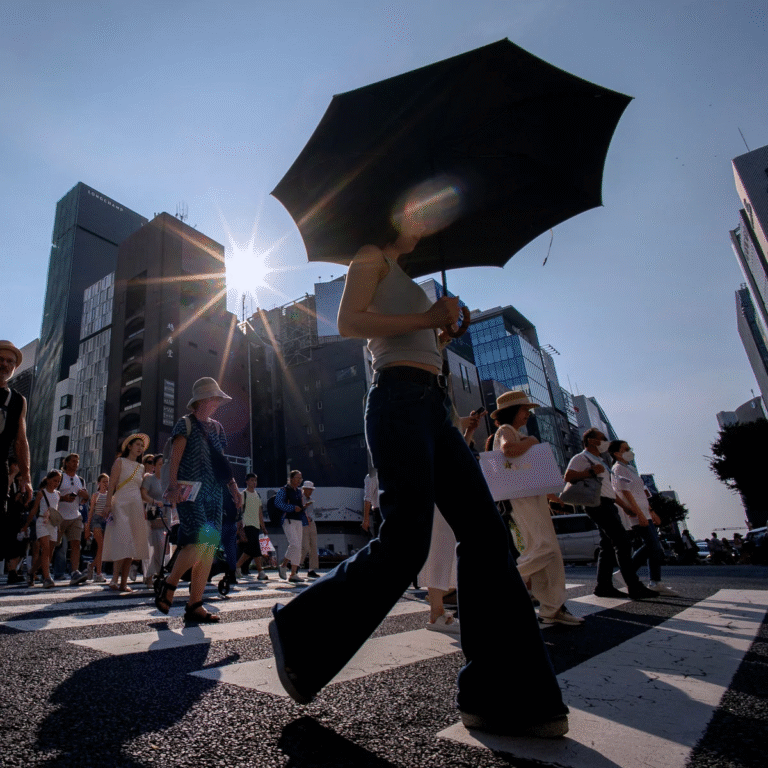
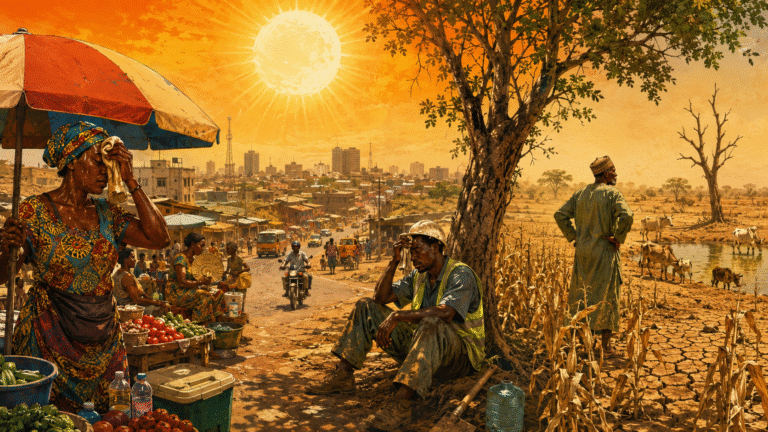
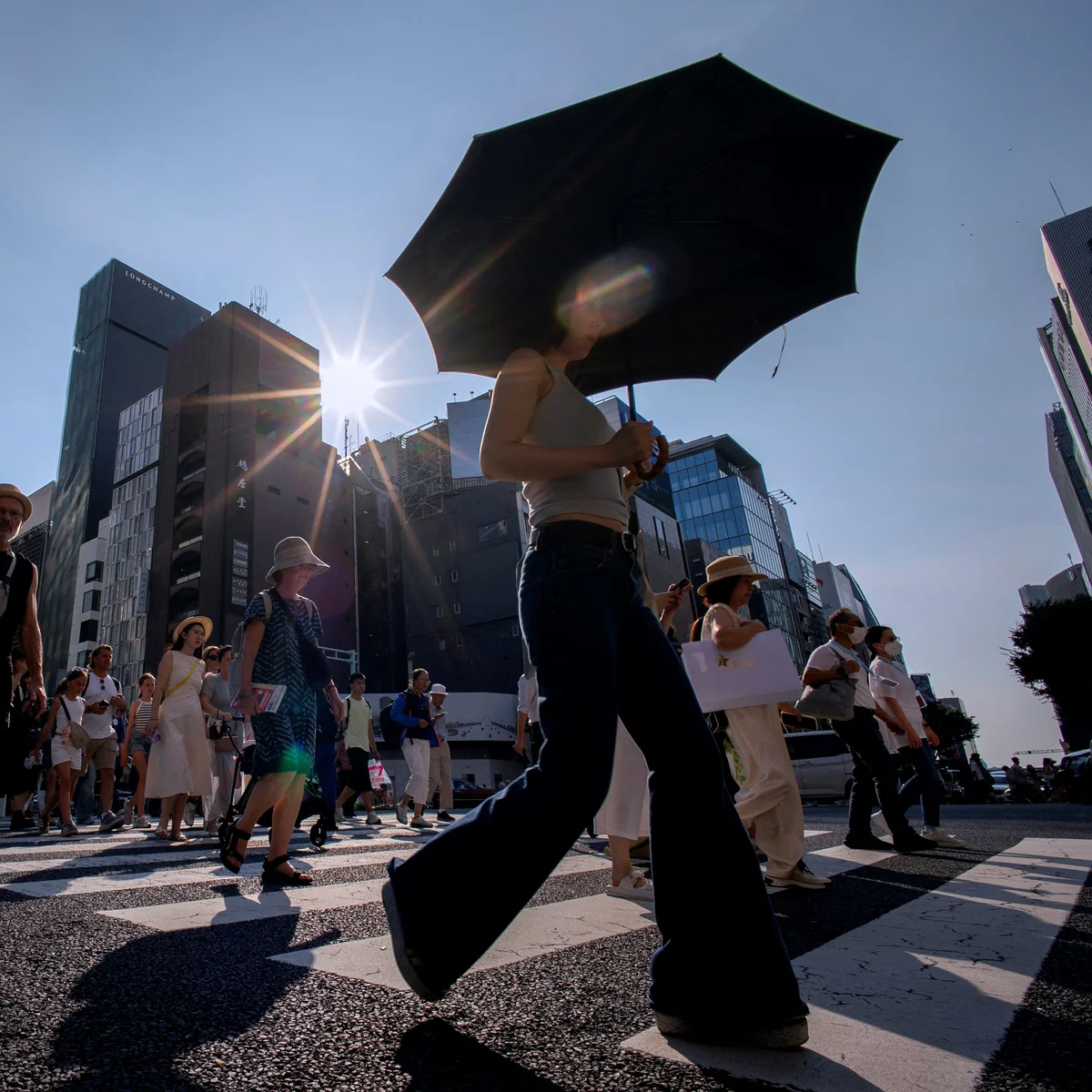
Climate change can be felt on the street as you walk through a busy city on a hot afternoon. The road gives off heat energy. Concrete walls retain heat even after the sun has set. Shade is essential at the bus stop. A poorly ventilated little room makes it hard to sleep in. This is […]
Category: Climate Diplomacy
Why Climate Diplomacy Often Fails the Global South: Between Promises, Finance, and Real Vulnerability
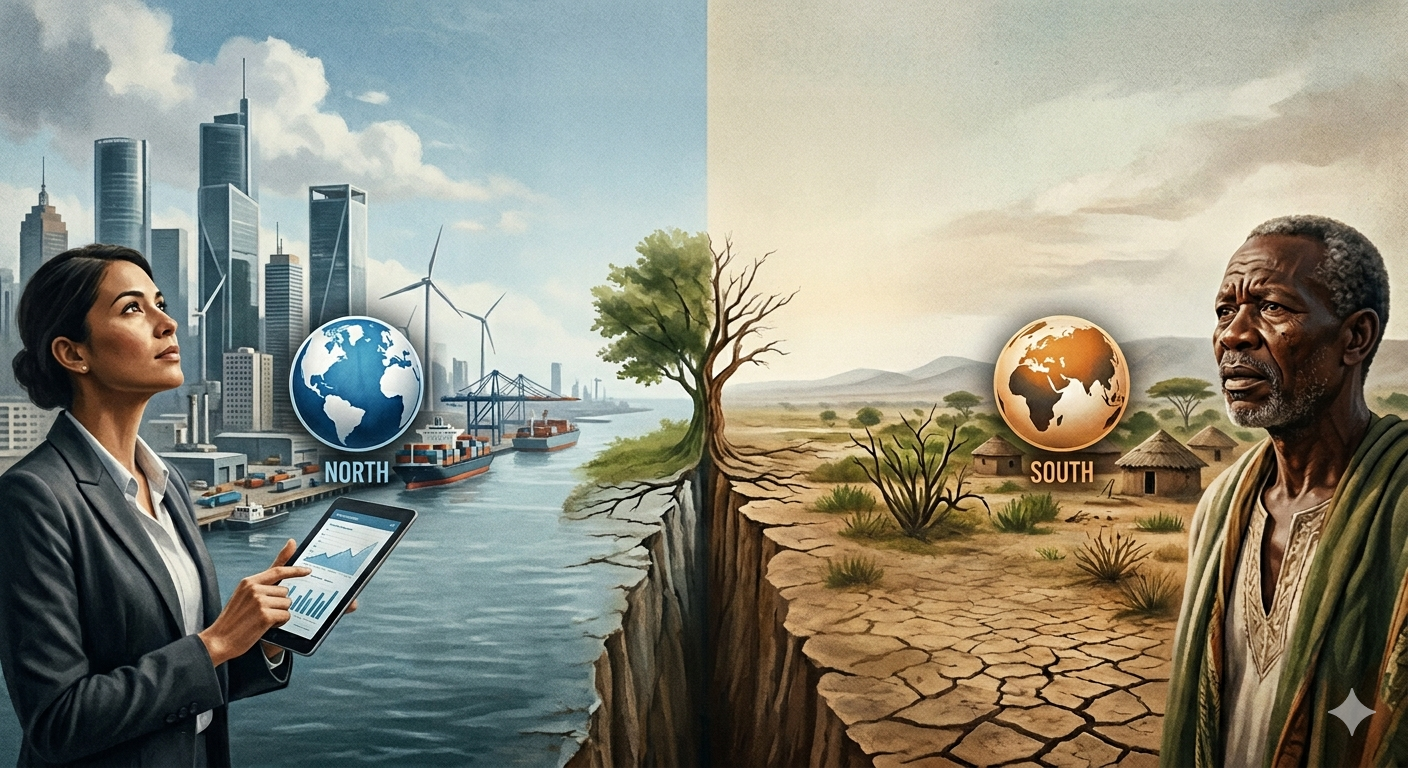
Climate diplomacy is usually defined and portrayed as a field of cooperation between the world’s nations. Leaders get together, countries negotiate, agreements are signed, and the world is told that progress has been made. But for many countries in the Global South, climate diplomacy remains unfair. These countries are not rejecting global cooperation but for […]
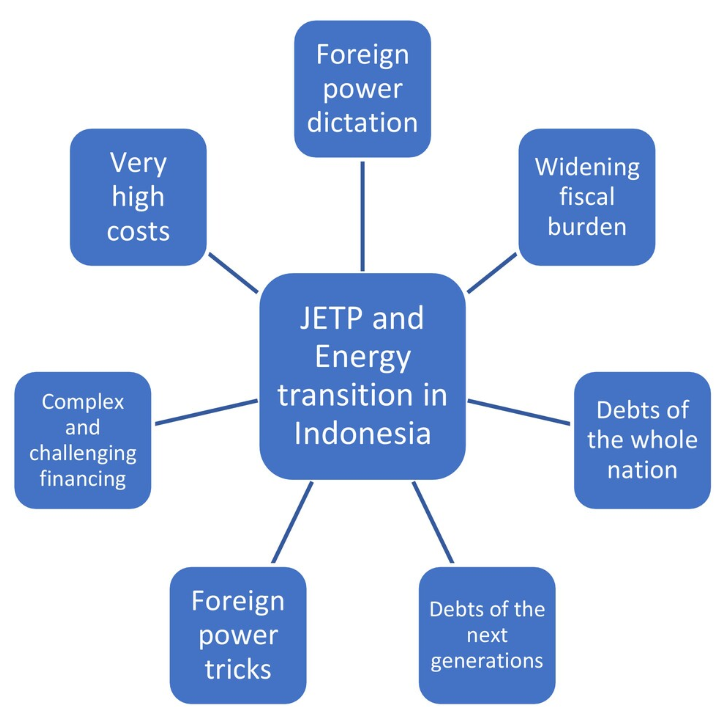
Indonesia’s JETP and the Problem of Public Trust: Why Energy Transition Is Also a Communication Challenge
Indonesia’s energy transition has become one of the country’s most important policy challenges as it tries to reduce carbon emissions while maintaining economic growth and energy security. As one of the largest coal producers and consumers in the world, Indonesia faces a complex situation because coal still supports many industries, jobs, and local economies. The […]
Selective environmentalism and energy transitions in Zambia
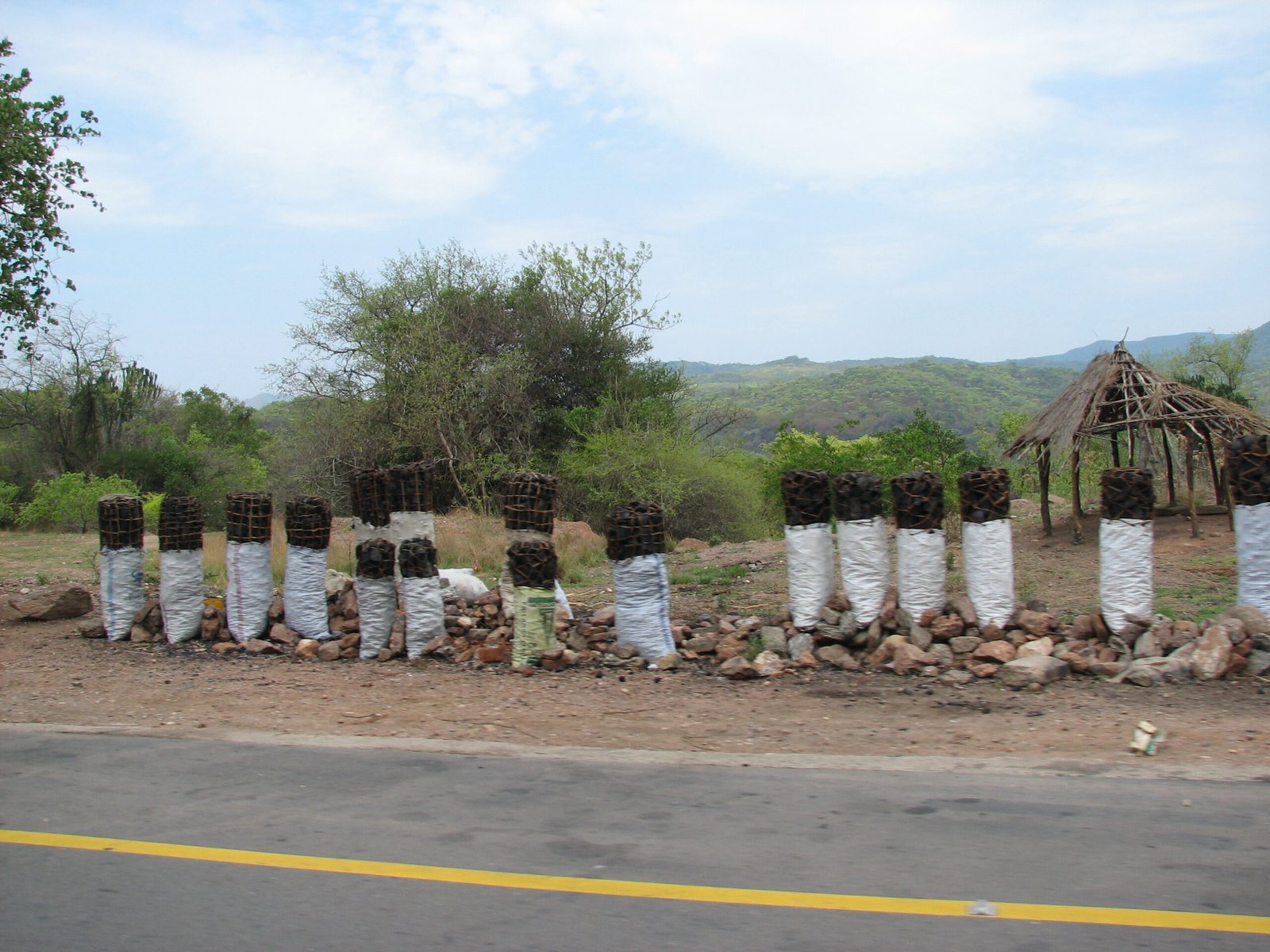
The push for ‘clean cooking’ is one of the best-resourced areas of climate and development policy in Africa. Governments and donors and international agencies urge people to abandon charcoal and firewood consumption in favour of consumption of electricity, liquefied petroleum gas (LPG), improved cook stoves and other alternatives. The argument is familiar: charcoal causes deforestation, […]
Should Climate Activism Include Other Movements?
Climate activism has always been posed with a question, should it be primarily focused on the environment, or other social movements? This question is even more pressing today, because today climate change is related to nearly all the challenges society is facing. It impacts food systems, health, housing, jobs, migration, inequality, energy access, land, trade […]
Uncovering the Black-White Dichotomy Between the Global North and South in Climate Discourse: Insights from Kenya
What is the first thing that comes to mind when we hear the terms Global North and Global South? Some of us might immediately picture the Global North as a group of wealthy, developed countries, home to the world’s elite, full of advanced technology and industrial systems, where life is easier because the structures that […]
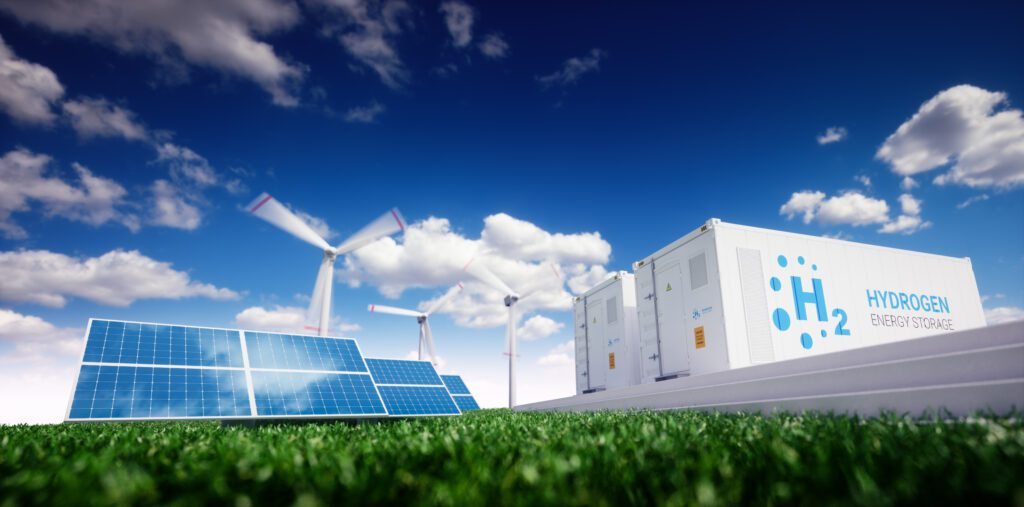
Green Energy Diplomacy in the Gulf: Can Oil States Buy Their Way into Climate Leadership?
The Gulf countries are major producers and exporters of natural resources, particularly crude oil, LNG, and petrochemicals. With the growing climate concerns, these countries are aiming for a green transition by participating in global energy diplomacy and investing in renewable energy technologies. However, excessive reliance on fossil fuel dependence makes this ambition quite unclear. Green […]
South Africa’s Just Energy Transition Partnership: How to Communicate a “Just Transition” Without Losing Public Trust
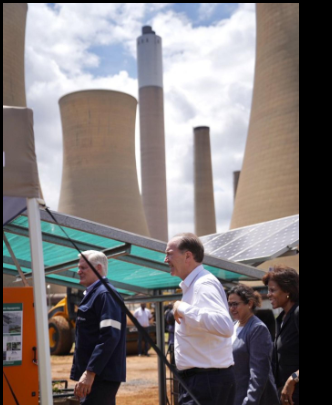
Figure: Komati Power Station in Mpumalanga has become a key test case for South Africa’s just energy transition, showing both the promise and difficulty of moving from coal to clean energy. (Source: UN, 2022). Climate policy sounds convincing in international delegations, where governments agree on targets such as reducing emissions by transitioning to renewables and […]
The Indus Basin Under Climate Stress: Can Water Diplomacy Survive in Pakistan?
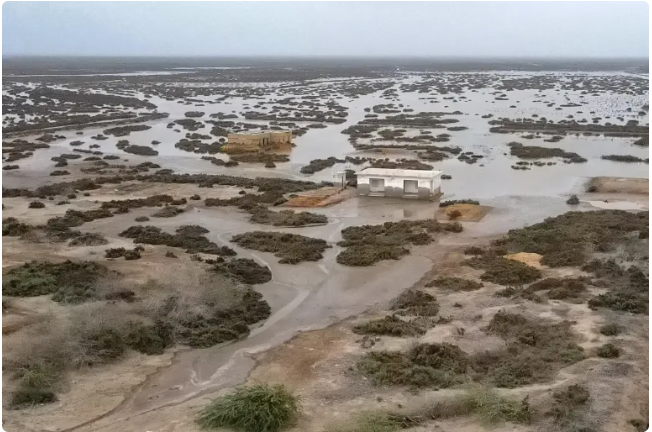
Abandoned dwellings within a village of the Indus delta [Source: Israr Ahmed Khan/AFP] The Indus Waters Treaty is one of the few ‘diplomatic miracles’ of South Asia, having endured for over 60 years and withstanding wars, border crises, terrorist attacks, diplomatic freezes, and years of political tension between the two nations. Following the World Bank’s […]
From Floods to forums: How Pakistan communicate the climate crisis on global platforms
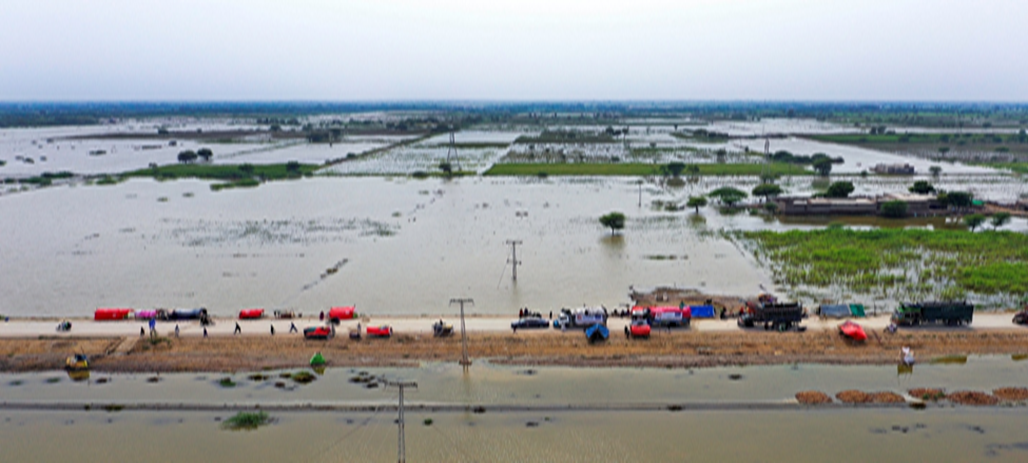
Pakistan has actively been engaging in international climate diplomacy, even though its contribution to global GHG emissions is less than one per cent. Pakistan has contributed very little to the climate change but it is highly vulnerable to climate change impacts. The floods in 2022 were devastating and impacted approximately 33 million people, making Pakistan’s […]