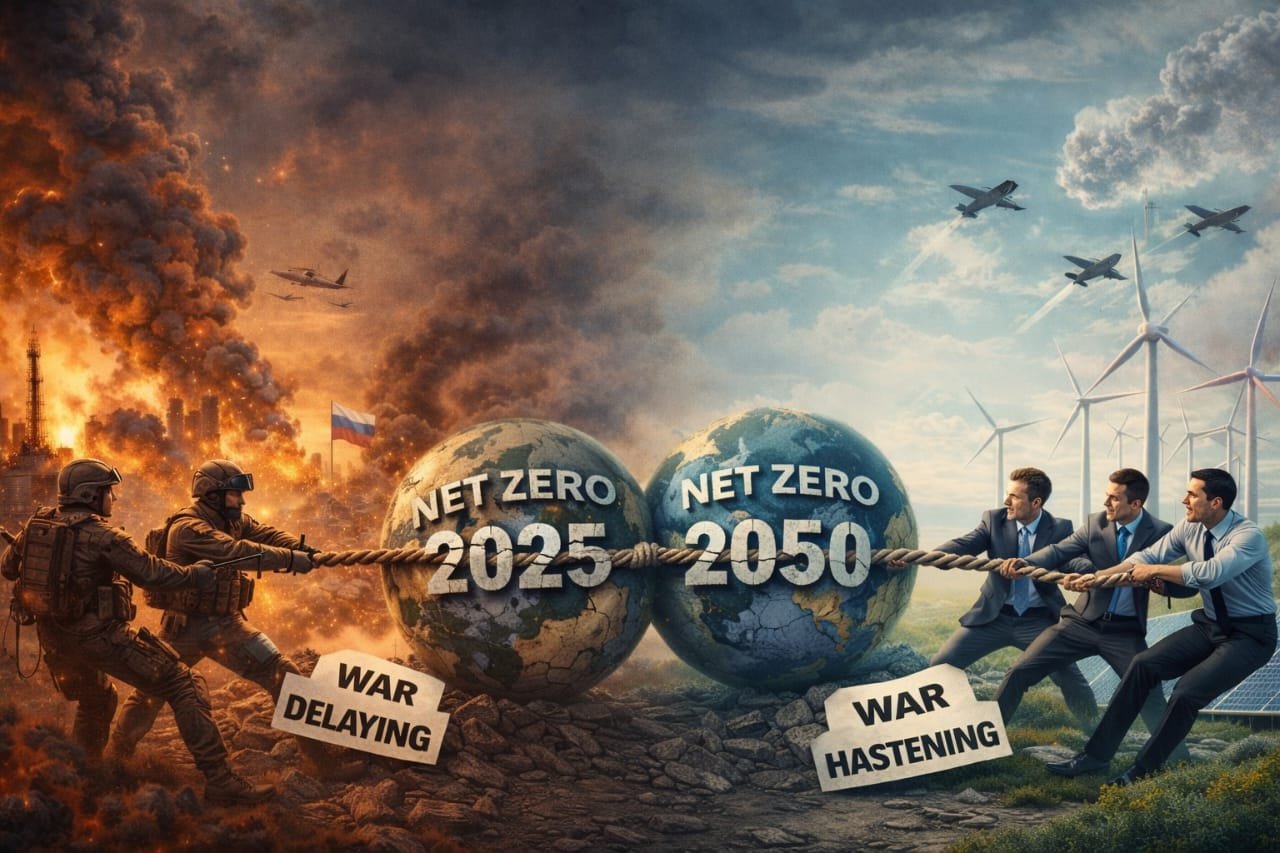

LESSONS IN CLIMATE DIPLOMACY
Net-zero dilemma, war, and energy security
Climate goals assume a certain degree of geopolitical stability. The recent wars, such as the invasion of Ukraine by Russia, and growing tensions between Iran, Israel, and the United States, prove how flimsy that assumption can be. With a global energy market being transformed by war, short-term energy security has become a higher priority among governments when compared to long-term decarbonization. The outcome is the growing gap between the net-zero commitments and political reality.
The main tension is the reassertion of fossil fuels in a state of conflict and insecurity, despite the fact that international climate institutions are still advancing ambitious mitigation goals as illustrated in Fig. 1. The broken Net Zero 2050 marker is an indicator of how power politics is putting a strain on climate ambition.
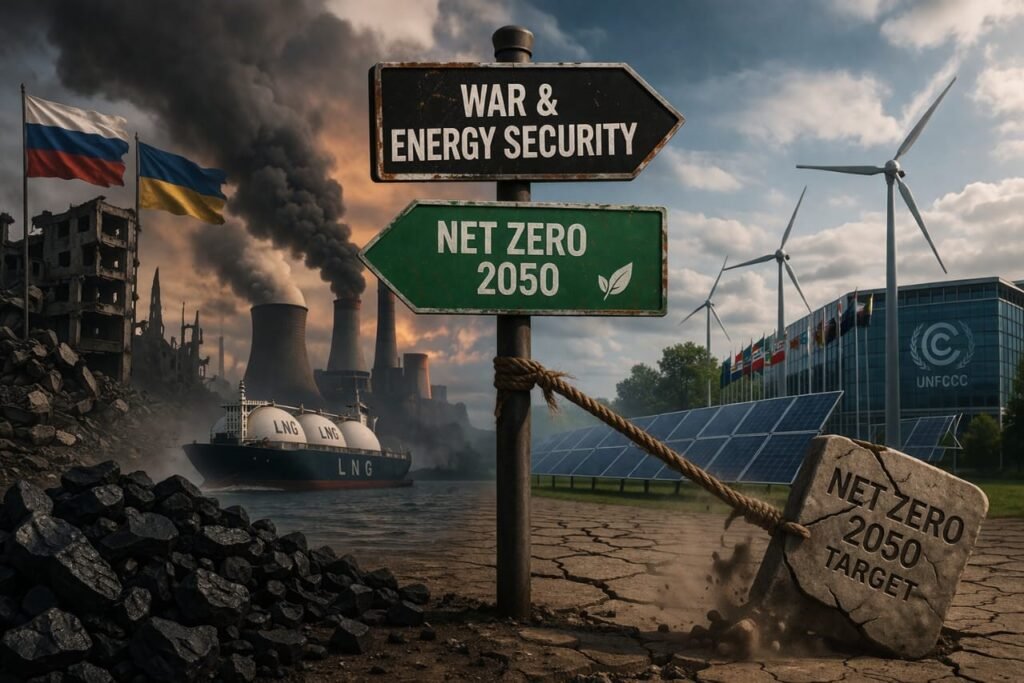
Fig. 1. Net-zero dilemma, war and energy security; a visual juxtaposition of conflict-based fossil fuel revival (coal, LNG, and industrial emissions) and undermined climate pledges, represented by the destabilised Net Zero 2050 target.
Power Politics: Energy Security
The Russia-Ukraine war has caused the most drastic unprecedented energy crisis in Europe. The supply of gas in the pipeline in Russia failed and European governments had to find other sources in a hurry. Russia reduced gas supplies to the EU by about 80 billion cubic metres in 2022, according to the International Energy Agency (IEA), resulting in an immediate surge of liquefied natural gas (LNG) imports and short-term rises in coal consumption in such countries as Germany, the Netherlands, and the UK. (see IEA, Russia’s War on Ukraine: https://www.iea.org/topics/russias-war-on-ukraine).
Although the deployment of renewables also increased, emergency actions entrenched new fossil infrastructure that can continue long after the crisis. These were logical decisions to address the short-term energy insecurity, but at a climate price. They postponed the reduction of emissions, made the policy coherence more complicated and undermined the moral authority of Europe in climate negotiations. In a broader sense, they demonstrate how geopolitical shocks are more likely to support the incumbent energy systems instead of driving structural transformation.
Strategic Chokepoints and Global Climate Risk
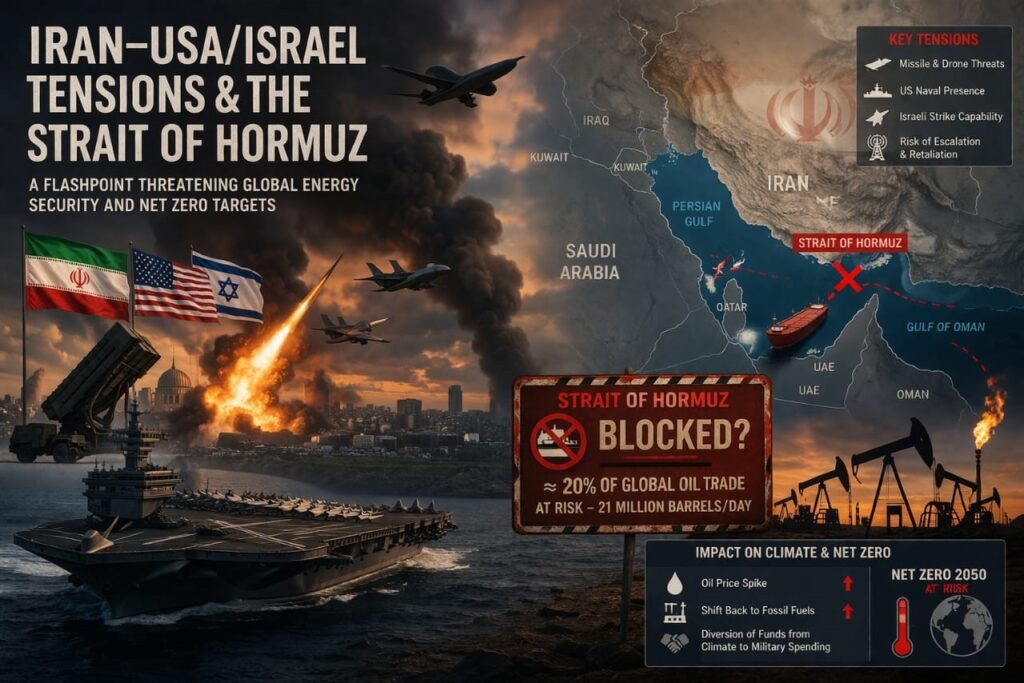
Fig. 2. The Strait of Hormuz as a climate–security flashpoint
The intensification of the Iran-U.S./Israel tensions poses a threat to an energy chokepoint that transports approximately 20% of the world oil trade, increasing volatility and complicating net-zero pathways.
Despite the fact that the European crisis was instigated by war within its borders, the tension in the Middle East shows how regional warfare can quickly escalate into a global climate threat. The Strait of Hormuz is a major energy chokepoint in the world, with approximately 20% of all oil trade and large amounts of LNG passing through it. The IEA notes the strait as a weakness in the global energy security. (https://www.iea.org/about/oil-security-and-emergency-response/strait-of-hormuz).
Fig. 2 shows how geopolitical instability in this region directly overlaps with climate consequences. Governments are driven by price spikes and supply panic to emergency fossil fuel actions at the expense of political focus and government finance on renewables, adaptation, and climate finance. The climate action in these settings is refocused to be seen as a long-term goal instead of a short-term priority.
Policy Communities Under Pressure
Climate governance is, in part, reliant on what Peter M. Haas, a political scientist, calls epistemic communities: a network of professionals who have normative commitments, causal beliefs, and policy objectives. Haas (in his seminal article) believes that such communities aid the coordination of policy by states in times of uncertainty. (Haas, 1992:https://fbaum.unc.edu/teaching/articles/IO-1992-Haas.pdf).
Epistemic communities, including scientists, policy analysts, NGOs and international organisations, have played a key role in framing the urgency of the 1.5 o C target and defining national commitments under the Paris Agreement in climate politics (see: https://unfccc.int/process-and-meetings/the-paris-agreement). Nevertheless, geopolitical strife undermines their power. In times of crisis, the powers of making decisions are transferred to the security institutions and executive powers. The policy agendas are dominated by military preparedness, politics of alliances, and access to energy, leaving expert-led and long-term planning of climate. Fig. 1 and Fig. 2 shows that power politics strikes at the moment when coordination of climate is needed the most.
Implications for Indonesia and the Global South
These dynamics are acute to emerging economies like Indonesia. Indonesia is very vulnerable to the effect of climatic conditions but it is relying on coal as an economic development tool and as a source of energy. Its involvement in the Just Energy Transition Partnership (JETP) is an attempt to balance development, equity, and decarbonisation through mobilising international financial resources and technical support.
Nonetheless, there is still an unequal development. In the JETP Indonesia Progress Report 2025, the challenges that have been faced regarding funding gaps, regulatory alignment, and implementation capacity are highlighted (https://jetp-id.org/news/jetp-reports-2025). Energy shocks around the world make this even more challenging, with great powers focusing on security more than ambition, climate policy communities in the global south have lower bargaining power in global negotiations, as well as limited access to climate finance.
The case of Indonesia depicts a more general problem: Geopolitical unrest in the Global North can decelerate climate change transition in developing economies that have contributed least to historical emissions.
Conclusion
Geopolitical conflicts do not lie at the periphery of climate politics; they are getting more central to it. Climate diplomacy is built upon the foundations of cooperation, which is eroded by wars and strategic rivalries that are reshaping energy systems, divert public resources, and are weakening the building blocks of climate diplomacy. To achieve net-zero targets that can stand in the instability of the new era, climate governance should not be in conflict with energy security but should incorporate it.
It will demand a strategic approach to renewables, storage, and efficiency; safeguarding climate finance in times of crisis; and building a stronger epistemic and policy community despite power politics. In the absence of such integration the way to net zero can easily be postponed again and again; and been crushed severely under the foot of wars as Fig. 1 warns.
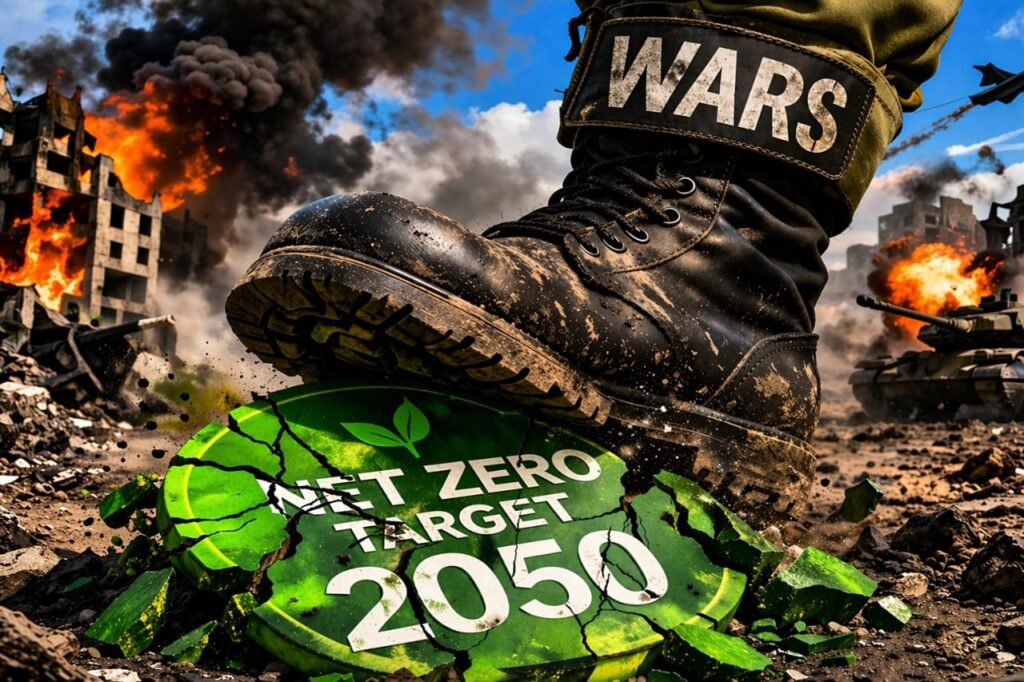
Fig. 3. Wars against the Climate: Net Zero target of 2050 is under Siege
The decision is simple: either start now to make climate ambitions a part of a security-driven world or watch every new conflict drive net-zero further out of reach.
Keywords: Climate diplomacy, Geopolitical conflict, Energy security, Net-zero emissions, Epistemic communities.




 Reston Dennis Juah
 Noor Ul Ain
 Hassan Barrie
 Hoby Nasandratra Andriamiandrisoa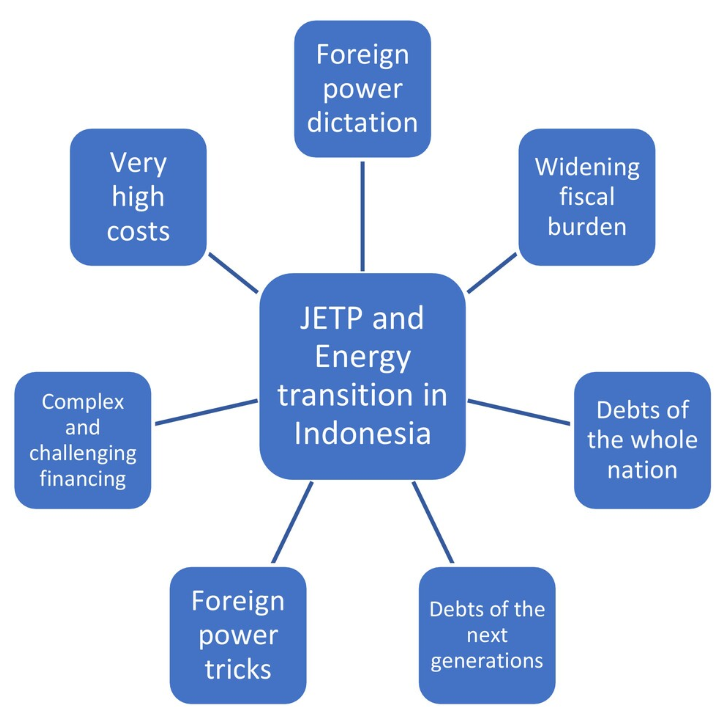
Slot tại 888slot com apk có tính năng “lưu yêu thích” – bạn có thể đánh dấu những game hay để truy cập nhanh trong lần chơi tiếp theo. TONY04-25