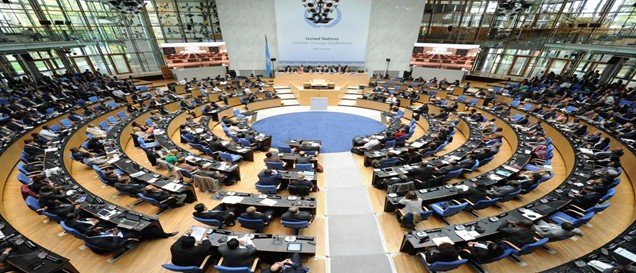
Climate diplomacy is usually defined and portrayed as a field of cooperation between the world’s nations. Leaders get together, countries negotiate, agreements are signed, and the world is told that progress has been made. But for many countries in the Global South, climate diplomacy remains unfair. These countries are not rejecting global cooperation but for […]
Category: Finance
Green White Elephants: Why Africa’s Solar Revolution Keeps Failing
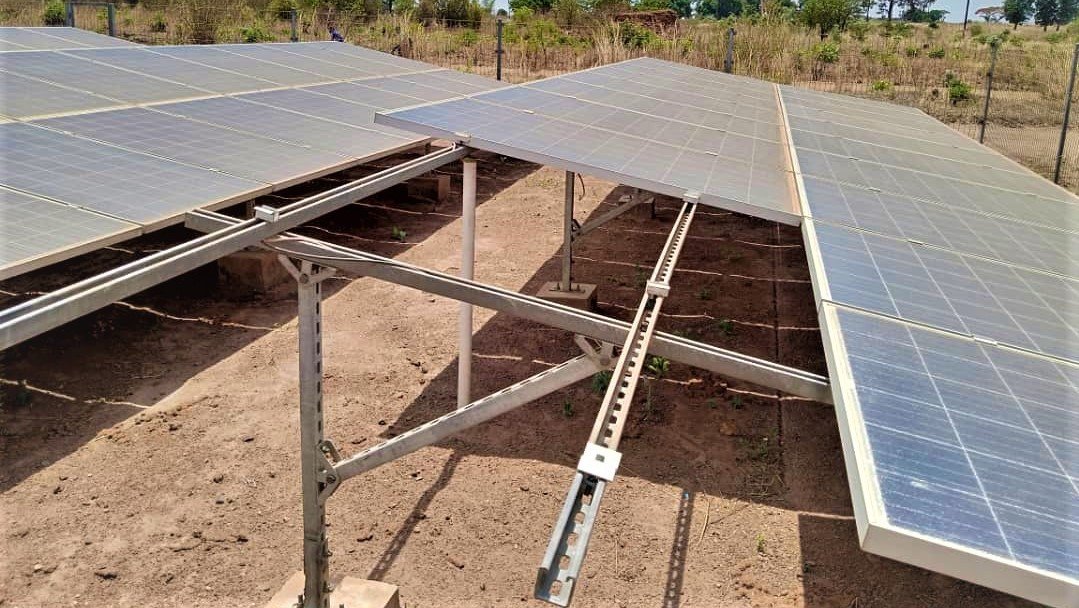
The energy transition narrative that has been used across Africa is just install more solar panels, build mini-grids, install solar irrigation systems, and rural development follows. International lenders see renewable energy as a route to climate resilience; governments recognize green infrastructure as evidence of modernisation and donors consider installations as tangible development achievements. But behind […]
Climate Justice Cannot Wait for Compensation
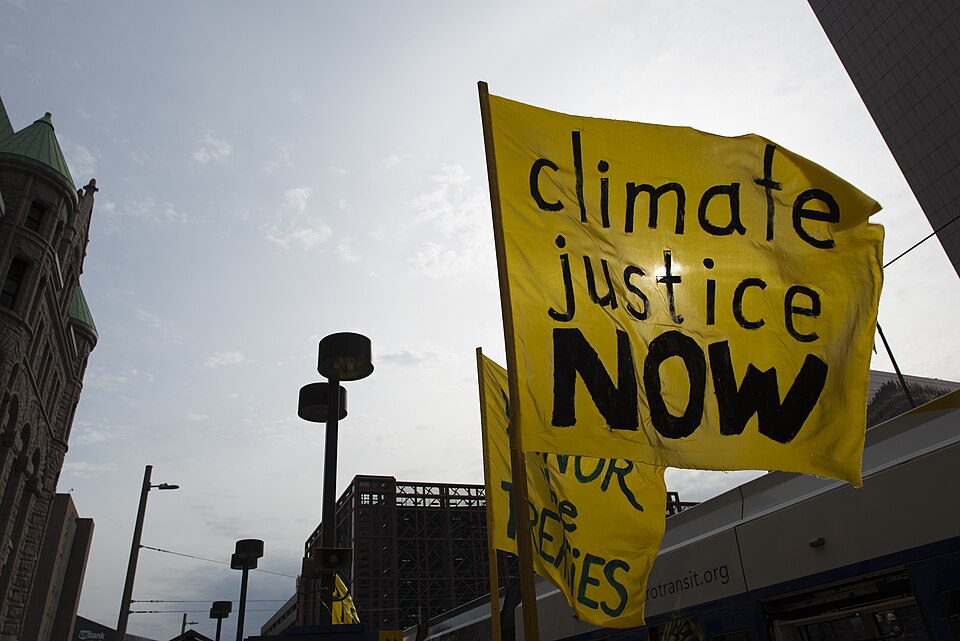
Climate justice is now one of the key issues in international climate politics. This has been a long-standing argument among the countries of the Global South that industrialized countries are responsible for most of the historical GHG emissions and should pay climate damages to vulnerable countries. It is a valid ethic and scientific justification. Compensation […]
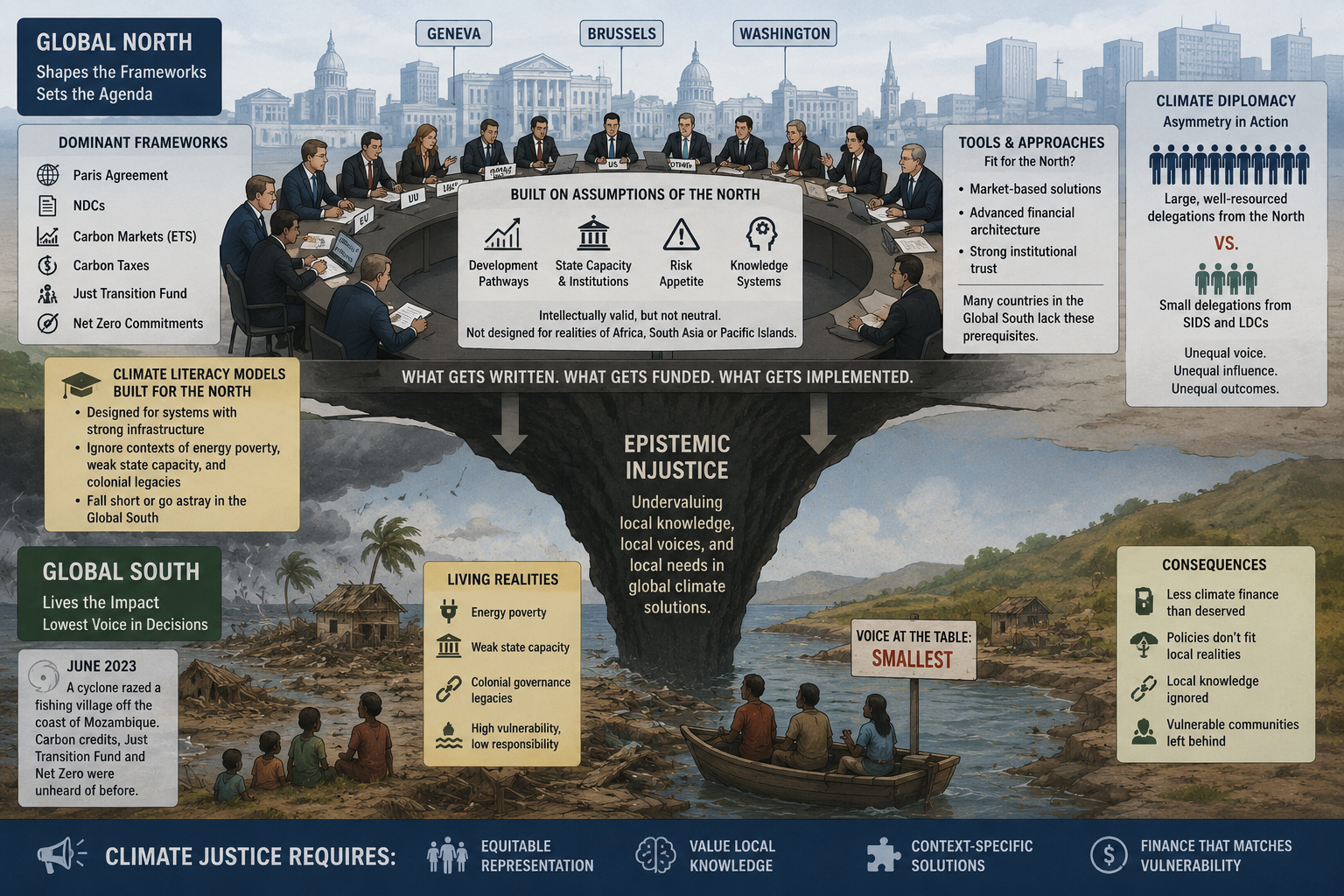
When Climate Solutions Miss the Mark: How Global North Frameworks Fail the Global South.
In June 2023, a fishing village was razed by a cyclone off the coast of Mozambique, and the carbon credits, the Just Transition Fund, and the commitment to become carbon neutral for these villages were unheard of before. But the world’s reaction to their plight was almost exclusively expressed in the terms of Geneva/Brussels/Washington-based frameworks. […]
Climate Diplomacy Beyond Environmental Politics: Why Climate Change Has Become a National Security Issue
Climate change was perceived for many years as an environmental problem that called for scientific solutions and environmental policy action. Today, however, it is a more than just an environmental problem when it comes to climate change. It increasingly influences foreign policy, economic development, humanitarian, and international security. With the increasing severity of climate change […]
Negotiating Survival: Adaptation Finance, Climate Diplomacy, and Justice in the Global South
Adaptation finance is usually seen as a technical problem that revolves around the amount of funding, modalities, or mechanisms of funding and project implementation. However, for climate-vulnerable countries, particularly Least Developed Countries (LDCs) and Small Island Developing States (SIDS), adaptation finance represents much more than financial assistance. It’s widely portrayed as a matter of survival, […]
Derisking or Risk Shifting? The Hidden Costs of Climate Investment in Zimbabwe’s Renewable Energy Sector
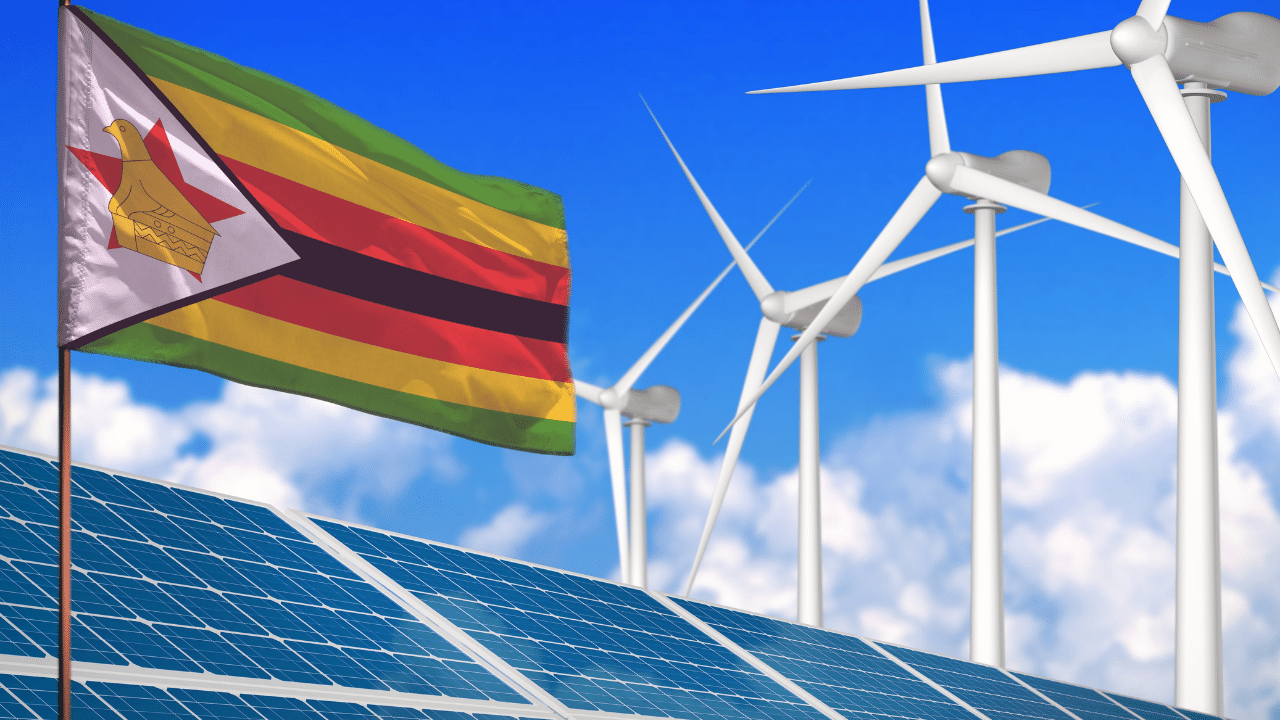
Zimbabwe needs reliable, affordable and sustainable energy. Chronic electricity shortages has affected industrial growth, economic instability and infrastructure development. At the time there is need to move away from fossil fuels towards the use renewable energy resources, such as small-scale hydro, wind and solar power, to address global climate commitments. This has prompted the policymakers […]
Is Climate Finance the New Face of Neo-colonialism in Africa?
Despite contributing a mere 4% to global greenhouse gas emissions, Africa remains among the most vulnerable to the impacts of climate change. The continent is facing more extreme weather events, food and water shortages, and declining farm productivity. This makes it crucial for Africa to get adequate financial support needed for adaptation and mitigation. Developed […]
Pakistan’s Climate Finance Paradox: Mobilizing Green Sukuks and Multilaterals Amid NDC 3.0’s Escalating Ambitions
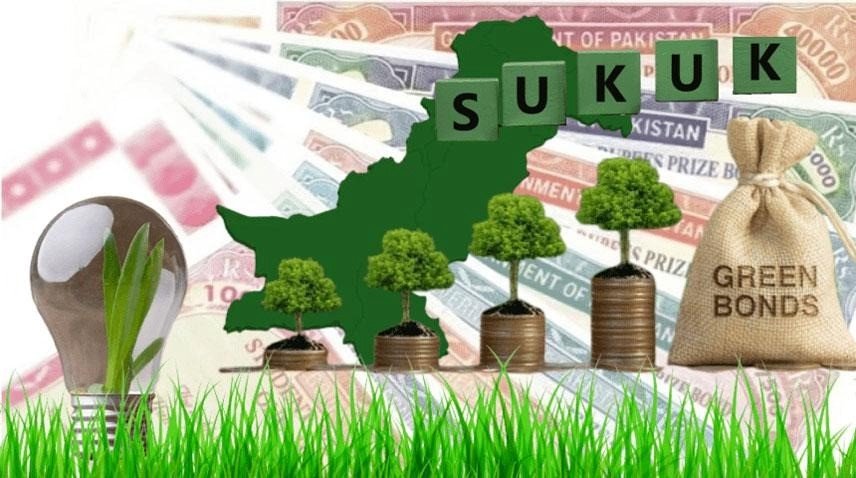
The paradox of Pakistan’s climate finance architecture lies in its simultaneous integration of innovative instruments like Green Sukuks and multilateral pledges, compared against an ineffective implementation chasm that threatens the credibility of its newly submitted Nationally Determined Contribution 3.0. NDC 3.0 submitted to the UNFCCC in September 2025, pledges a 50% unconditional reduction of business-as-usual […]
ADAPTATION IN THE SHADOWS: WHY CLIMATE FINANCE CONTINUES TO FOCUS ON MITIGATION AND HOW TO REBALANCE IT
If climate finance is intended to protect vulnerable populations through adaptation, why does it continue to prioritize mitigation projects that largely benefit investors? Amidst growing global climate impacts, climate finance remains disproportionately focused on mitigation rather than adaptation. The majority of funding flows towards investments in renewable energy, low-carbon technologies, and energy efficiency due to […]