
Climate diplomacy is usually defined and portrayed as a field of cooperation between the world’s nations. Leaders get together, countries negotiate, agreements are signed, and the world is told that progress has been made. But for many countries in the Global South, climate diplomacy remains unfair. These countries are not rejecting global cooperation but for them, the cooperation feels too late, slow or in a form that does not meet their needs and expectation. While vulnerable countries already suffer natural disasters like floods, droughts, storms, sea-level rise, food insecurity, and mounting debts, they are also being urged to accept and trust international pledges. This results a huge gap between the language of solidarity and the reality of vulnerability.
Climate change has currently become a diplomatic and justice issue, because the people and countries facing the hardest consequences of the crisis are not necessarily the primary sources of that crisis. Climate negotiations cannot be considered as fair if the victims that suffers the most, yet contributed the least to climate change are not acknowledged, creating a moral issue at the heart of climate diplomacy as these negotiations are then shaped by unequal responsibility, unequal power and capacity to respond.
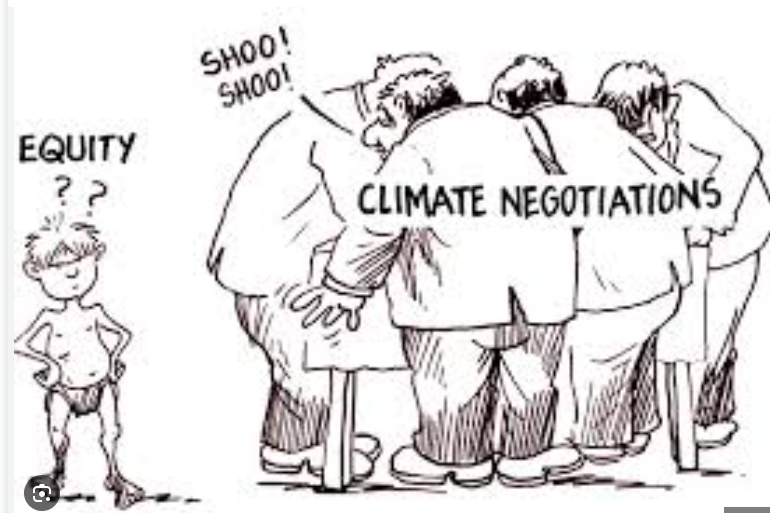
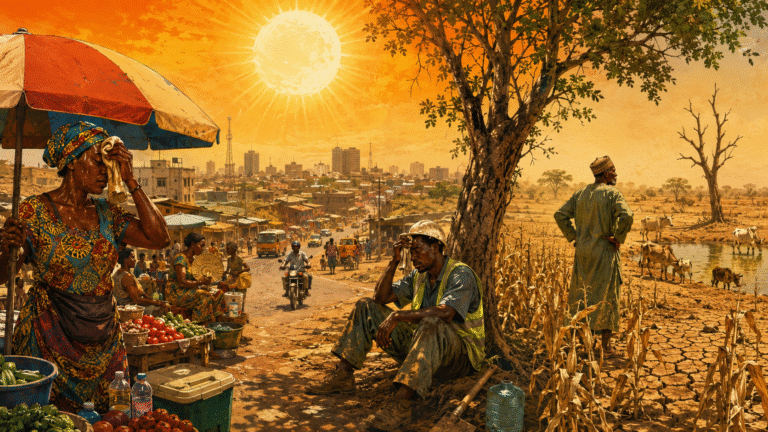
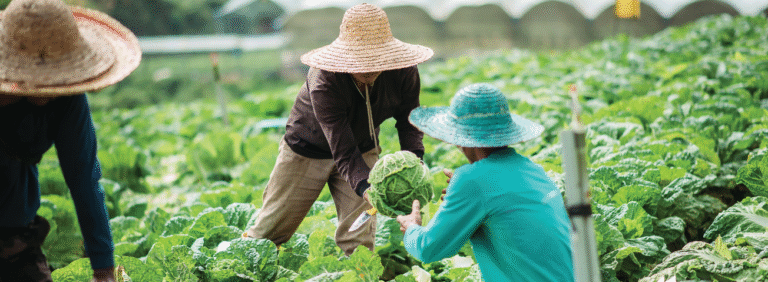
Figure 1. Illustration of inequity in Climate Negotiations towards the Global South
Climate diplomacy is often the promise of justice and delivered through slow financing, debt-heavy assistance, low level of accountability, and insufficient recognition for lived vulnerability. But the inequity is not only on the financial side of things because it’s the amount of money that is promised but it is also because of the quality of finance, the delays in delivery, donor priorities and the gap in international discourse and local afflictions. Climate diplomacy as a form of charity, rather than responsibility for climate change, is not working to service the needs of the Global South, and measures of success are not pledges but by the extent of protection provided to vulnerable people.
One source of frustration is the many missed opportunities in the past to ensure the delivery of climate finance pledges. The developed countries promised that they will provide a sum of $100 billion per year to the developing countries till 2020, however, it has been reported by the OECD that this target only be met in 2022, 2 years after the promise promise, with USD 115.9 billion supplied and mobilised for developing countries. OECD also estimates that developed countries contributed USD 132.8 billion and USD 136.7 billion, respectively, in 2023 and 2024. The numbers are showing progress but they do not erase the political guilt for procrastination. Two years is not a small and tolerable delay especially for vulnerable countries. It can mean disasters with lack of preparation and adaption plans that are not funded and when the communities left behind after the loss. The key to climate diplomacy is therefore trust that is not only established by promising big numbers in conferences but it is built as commitments are met as agreed on time and in line with needs of vulnerable countries. The rage of the Global South isn’t only financial. It’s a matter of credibility. If rich countries make a promise and then don’t keep it – the developing countries have reason for distrusting any promises made in the future and leads to the failure of climate diplomacy. It is less likely to be accepted if the countries don’t think support will be provided.
Also, finance is still inadequate to the need cause reports stated that adaptation financing has been moving too slow to close the gap between adaptation financial needs and the actual financial flows. This is particularly important as adaptation is one of the most direct ways for the survival of vulnerable countries. Adaptation is related to flood protection, drought resilience in the agriculture sector, early warning systems, water security, coastal protection, health preparedness, and safer infrastructure. These should not only be rhetorical or idealistic goals but requirements that are essential to life. At COP29, it was agreed that the new climate finance target will be USD 300 billion a year to 2035 for developing countries. This was said to be a step forward, since it amounted to three times the previous USD 100 billion goal. But it was still short of what was needed according to many developing countries and civil society groups. Climate finance demand is also much greater, and ambition to increase climate finance is much greater than the new target – and is also part of a broader ambition to scale up climate finance to USD 1.3 trillion per year by 2035. This will help to highlight the issue that there may be more countries involved in climate diplomacy, but vulnerable countries are aware that the number is still not as high as it really is.
However, the quality of finance should really matter by keeping in mind that climate finance is not a one-size-fits-all approach to climate finance. The impact of different types of financing on the recipient country differs: grants, concessional loans, market-rate loans, private investment, guarantees and insurance all have distinct effects towards them. Loans can be risky for countries under debt pressures. Report calls for significant adjustments in the amount of climate finance provided, as much of this is still in the form of loans, and the reported value of climate finance may not reflect its true value. It should be remembered that loan is not a compensation, it’s the consequences of climate damage to a country that it did not primarily cause may make it more difficult to fight injustice by asking the country to get a loan. Debt exacerbates the vulnerability to climate change. Public debt worldwide stood at USD 97 trillion in 2023, and approximately 3.3 billion people resided in countries that used more than half their budgets on debt interest payments than on education and health. In developing countries, paying large debts is thus accompanied by them being exposed to climate disaster. If climate finance is increased as debt, governments will have to decide whether to invest in adaptation, health, education, food support or to pay back their debt. Climate diplomacy is thus unfair not if there’s no finance, but if the finance adds to pressure on already precarious economies.
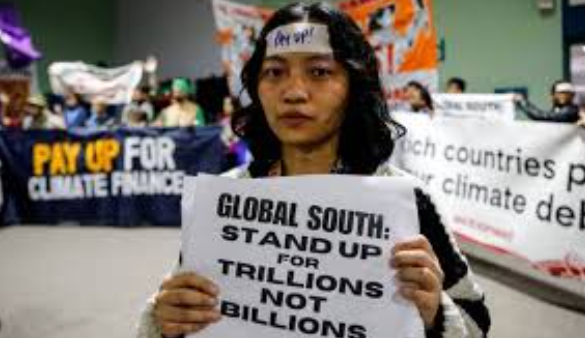
These issued explained and developed above can all lead to further discussion about the poor and vulnerable communities being disassociated from climate diplomacy. It is a lot of discussion about cutting emissions, energy transition, carbon markets and ‘net zero targets’ around the world which are necessary but, without emissions reduction the world can’t solve climate change. For most countries in the Global South, however, the problem isn’t just the number of emissions being reduced. It’s all about dealing with reality, adaptation and loss and damage are at the heart of climate justice because this is where they are needed most.
Loss and damage are caused by climate change and which cannot be prevented by mitigation and adaptation, such as loss of home, culture, livelihood and permanent loss of land. The findings of the loss and damage finance research paper show that there is a need to take responsibility and vulnerability, along with the affected need into justice. Losses related to climate change can’t be prevented at regular development. As a coastal area is about to be flooded due to sea level rise, it’s not just a loss of home. History, identity, social relations, culture meaning are also affected and at risk. If climate diplomacy only considers and counts about the numbers and technicalities of finance, several deeper forms of losses that are essential would be neglected and missed. This injustice is felt by the Global South when subjected to slow procedures, small funds, and complicated access rules when real sufferings are being translated. The fifth problem is the access. Even with the availability of climate finance, there is a potential for disenfranchisement at the country or local community level.
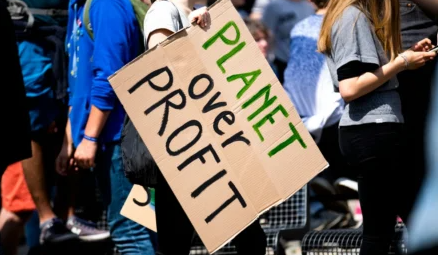
The nature of diplomacy therefore still often works in favour of the more resourceful and this unequal voice should be the reason why the climate justice must be more than attending meetings and should imply to have an impact on results. When vulnerable countries are given an opportunity to speak but their central requests are scaled down in the final draft, participation become unfortunately, just symbolic. This is illustrated in the COP29 finance decision, it set itself a new finance goal but many developing nations, campaigners complained that as being too low when compared with the need. That is where diplomacy can appear to be a success on one hand, and a failure on the other. A deal can be celebrated as progress by donors while being experienced as too little by those facing the crisis.
The Global South are usually expected by the climate diplomacy to do more with less. They are expected to cut down emissions, cope with effects, preserve biodiversity, face disasters, cut poverty and expand the economy simultaneously. These can feel like heavy burden and realistically impossible for them especially without sufficient and fair support. Meanwhile, global climate finance, reported by Climate Policy Initiative (CPI), was USD 1.46 trillion in 2022, the world still faces a large gap compared with what is needed over to overcome the worst effects of climate change. The fact that there is such a thing as global money does not ensure that it gets to the right people. There is still a lot of money going towards mitigation, large projects or countries which are easier for investments to work and weaker and less developed countries can be left behind. That is why the demands of the Global South are not limited to giving them money. The greater need is to alter the rules over climate cooperation. There is a need for more finance, but it must be predictable, accessible, grant-based (where necessary) and flexible to the needs and priorities of vulnerable countries. It must not impose penalties on poor, indebted and institutionally constrained countries. It should not require complex donor processes for survival and adaptation should not be seen as less attractive due to lower profits compared to investment in renewable energy. Climate finance on its own will not serve climate justice if it is based solely on market principles.
To conclude, climate diplomacy feels unfair as it fails to answer at the right scale, speed, and quality in terms of recognizing the vulnerabilities of countries in the Global South. Promises made are inadequate, not met, slowed, financing often is rooted in debts, access is sometimes challenging and vulnerable communities are not necessarily at the center. Climate diplomacy fails if it talks justice but does not act on a level playing field. It is only fair when responsibility goes hand in hand with delivery; fair when finance does not entice people to go deeper into debt; and fair when vulnerable countries are able to have a real influence on decisions that will affect their survival.
Keywords: Climate justice. Global South vulnerability. climate finance, Loss and damage
References
Climate Policy Initiative. (2024). Global Landscape of Climate Finance 2024.
Intergovernmental Panel on Climate Change. (2023). Climate Change 2023: Synthesis Report.
Organisation for Economic Co-operation and Development. (2024). Climate finance and the USD 100 billion goal.
Organisation for Economic Co-operation and Development. (2026). Developed countries exceed USD 100 billion climate finance goal for third consecutive year.
Oxfam. (2025). Climate Finance Shadow Report 2025: Analysing progress on climate finance under the Paris Agreement.
United Nations. (2024). Finance and justice. https://www.un.org/en/climatechange/raising-ambition/climate-finance
United Nations Conference on Trade and Development. (2024). Navigating the growing challenges of public and external debt.
United Nations Environment Programme. (2024). Adaptation Gap Report 2024.
United Nations Framework Convention on Climate Change. (2024). COP29 UN Climate Conference agrees to triple finance to developing countries.
United Nations Framework Convention on Climate Change. (2024). CMA.6 New collective quantified goal on climate finance.
Uri, I. (2024). Equity and justice in loss and damage finance: A narrative review of catalysts and obstacles. Current Climate Change Reports.

 Reston Dennis Juah
 Noor Ul Ain
 Hassan Barrie
Theo cảm nhận cá nhân thì hb88 cskh có giao diện hiện đại, phù hợp với cả người mới lẫn người đã chơi lâu. TONY06-29
SLOT365 cam kết mọi kết quả tại sảnh Casino đều dựa trên thuật toán ngẫu nhiên, đảm bảo tính công bằng tuyệt đối. TONY07-03
Mình đánh giá pikashow apk download khá tốt vì tải game nhanh và mượt. TONY07-08
It’s hard to find knowledgeable people on this topic, but you sound like you know what you’re talking about! Thanks
cYUcbekAiNWkJcSNnlBPXMC
ViCxQMUHlWUsyuqOzTQD
Mình đánh giá cao stream india apk download vì hỗ trợ mobile rất tốt. TONY07-20