
Indonesia’s energy transition has become one of the country’s most important policy challenges as it tries to reduce carbon emissions while maintaining economic growth and energy security. As one of the largest coal producers and consumers in the world, Indonesia faces a complex situation because coal still supports many industries, jobs, and local economies. The government has introduced several energy reform initiatives, including the Indonesia Just Energy Transition Partnership (JETP), which aims to support the transition from fossil fuels to cleaner energy through international cooperation and financial support. However, the success of this transition does not only depend on technology and investment, but also on public trust, because communities need to understand, accept, and participate in the changes. Therefore, energy transition is also a communication challenge: policies must be explained clearly so that people understand how the transition will affect their livelihoods and future.
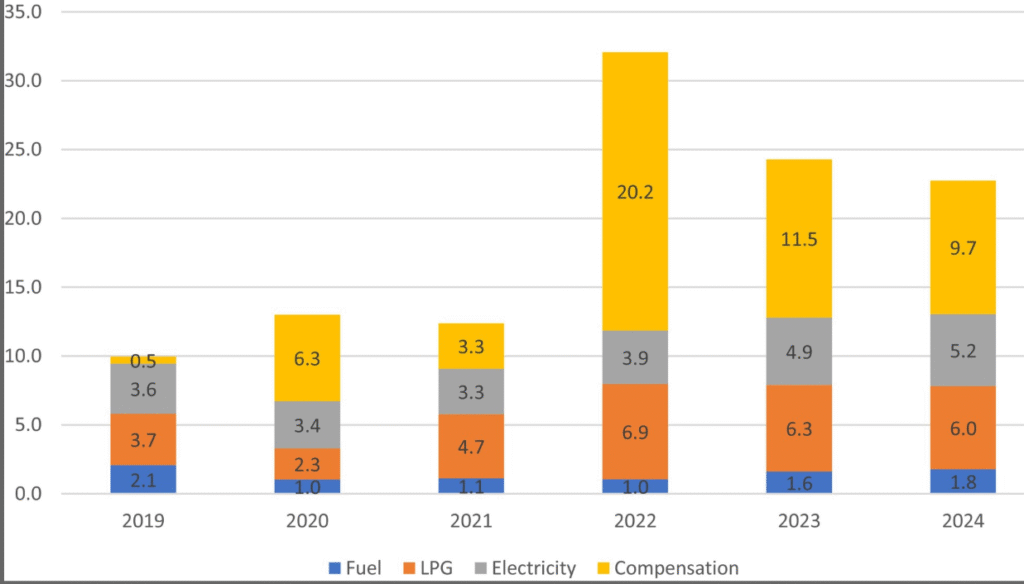
Figure 1. Indonesia’s energy subsidies and compensations (in billion USD) that are reported to be given to the state-owned enterprises like Pertamina (for petroleum and gas products) and the PLN – Perusahaan Listrik Negara or National Electricity Company (for electricity). Source: (Kemenkeu RI, 2022, 2023).
The Just Energy Transition Partnership (JETP) is promoted as a landmark climate diplomacy success in that Indonesia and international partners have pledged to mobilize around USD 20 billion for cleaner energy. For many citizens, however, this is a big deal that is a long way from their lives which really matters because climate diplomacy doesn’t stop once the deal is done and agreed. It is an ongoing process that goes into domestic politics, public debate, local communities, employment, electricity prices, trust in government. Since its launch in Bali at G20 Summit 2022, Indonesia’s JETP has been accompanied by the Comprehensive Investment and Policy Plan (CIPP) in 2023, providing a pathway for Indonesia to decarbonize its power sector, its investment needs, policy reforms, and priorities for a just transition. This is a strong step on paper but it’s more difficult in terms of public communication. It is likely that many people will only know about JETP as foreign funding, debt, closure of coal, or elite negotiation. The public will not necessarily view the message as a just transition if the message is not clear, but rather as another policy made “above” them.
JETP is caught between three tensions namely: Indonesia must cut emissions, but coal is still associated with electricity, employment, state income, and industrial development. Also, partners from around the world are helping with the transition, but leading to suspicion if the public perceives that it is an external pressure. Then, the transition is labelled ‘just’, but justice is not automatic. It should be demonstrated by the benefits that will be gained, the transparency of the funding, the protection of the workers, the engagement of local people, and the communication of honesty. This means that investment is not enough to make the JETP work in Indonesia. It must also have public trust, otherwise climate diplomacy can appear as a success on the international stage but fail on a national level.
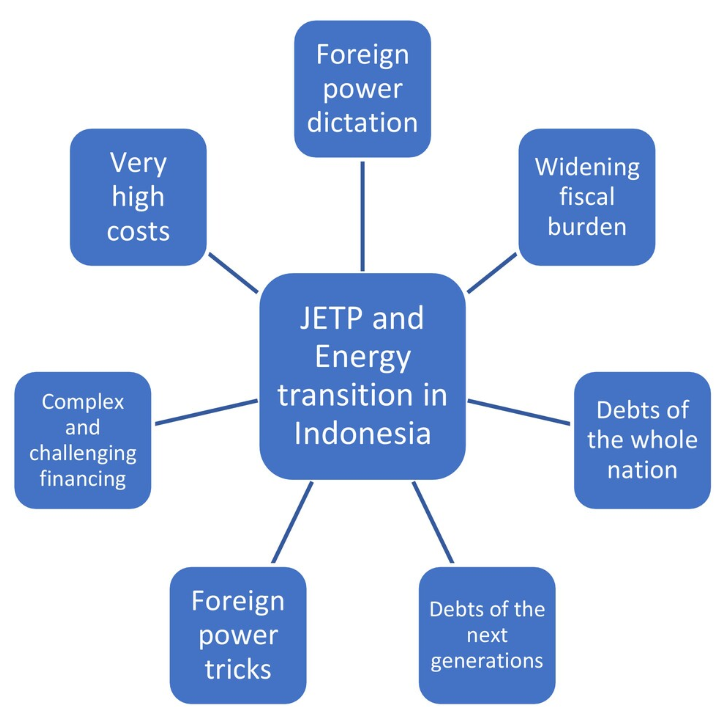
Coal is not only a source of energy in Indonesia, it also has relevance to the political economy and has played a significant role in the country’s electricity supply, export revenue and various local economies with Indonesia being one of the world’s largest coal producers. This is more than just a technical shift from coal to renewables, making the energy transition more sensitive. Some individuals might hear coal retirement and be concerned with the price of electricity. Employees can be concerned about losing their jobs. Local governments in coal producing areas might have income concerns. Businesses could be concerned about the security of their investments. These fears are can form the pathway to climate messages. That is why climate communication cannot only be in global climate language. While the statement “Indonesia needs to decarbonise its power sector” might seem right, it’s not sufficient. It does not provide a response to a local question: What does it mean for coal-dependent workers, families, and communities? The CIPP acknowledges that social protection, workforce development, economic diversification and stakeholder engagement are essential components of a just transition. This is a key consideration because justice has to be conveyed in concrete protection. Closing coal plants will only be good news if people are told about job training, about new livelihoods, and about local investment.
Apart from that, JETP is a product of climate diplomacy and it needs to be embraced in domestic politics. In the global arena, it may be interpreted as an expression of rich countries’ support for the emission reduction efforts of Indonesia. The same agreement can pose hard questions in the domestic arena. Are most of the funds being granted or loaned? Who will pay the cost? Who gets to decide on which projects get funded? Will foreign partners take Indonesia’s development requirements into account? In 2024, it has been reported that disbursement under the USD 20 billion pledge in the JETP had been slow and Indonesia required better policy and regulatory frameworks for the clean energy transition. Slow progress can harm public trust since it can start to feel like the big promises are empty announcement and false hope. This is where we make communication part of the accountability. The public must realize that there is money and they should understand what it is, where it goes, to whom it benefits and what risks are associated with it. Explain the finance of JETP only in technical reports, and ordinary citizens may feel they are left out which can lead to misinformation can spread if people are excluded, have that impression of a foreign control, consider it to be only advantageous for investors, others may even not care because they don’t see any connection to their lives. The more a climate finance deal is communicated in simple and transparent terms, the stronger it is. It should outline the objective, as well as the compromises.
Another issue related to JETP is that Indonesia opened up public comments for CIPP, and the public comments compilation reveals that there are many actors that had concerns related to ambition, transparency, justice, renewable energy development and coal retirement. This is a positive path as public consultation can contribute to the openness of climate policy. But the consultation is not participation. Individuals can be asked to comment once the main direction has been determined. Local communities might not have the time, information or technical ability to absorb long policy documents. This means there is a disconnection between the formal and meaningful participation. A ‘Just Transition’ requires more than a public comment form. It requires communication to workers, local governments, women, youth, small and local businesses, and communities around coal plants. It also requires local language explanations, public meetings, easy-to-understand summaries, and feedback loops. Everyone should be able to see the impact that their concerns have on the final policy. Otherwise, the word “just” then become meaningless, because justice is not only about the end result. It’s also about who can hear in the process.
Therefore, media are can be an important tool to convert technical language into public language of JETP. Journalists should question about who is on the side of the money, how projects are being chosen, the protection of coal communities, and the respect of local rights for the renewable energy projects. Media coverage can be more democratic in climate diplomacy. Social media can also be used to engage citizens in conversation about JETP, but if there is confusion over information, it can be spread through it. So, it is crucial that government, experts, civil society and journalists communicate accurately, but clearly.
In the end, Indonesia’s JETP teaches us more about climate diplomacy. If people at home don’t understand, trust or benefit from an international agreement, then it’s not enough. The energy transition in Indonesia is a complicated story that intersects with issues of coal use, foreign capital, employment, electricity, industrial policy, and justice. Communication is therefore difficult because JETP is not just an energy policy, it’s also a social contract that urges people to think differently about energy futures and the resulting living conditions that are just. Building that belief solely by using technical documents would be impossible. It requires transparency, participation, protection and honest public dialogue. Further research should explore more about the effect of public consultation processes on energy transition planning which can be relevant, as the future of climate diplomacy will not only be shaped by the amount of money that is pledged. Whether people think climate action is fair enough to support will be a key factor.
Keywords: Just Energy Transition Partnership (JETP), Energy transition, public trust, climate communication, Indonesia
References
Asian Development Bank. (2024). ADB approves $500 million loan to support Indonesia’s energy transition.
Centre for Research on Energy and Clean Air. (2025). CREA’s response to Indonesia’s JETP Progress Report 2025.
Ilham, I., & Pawane, A. R. (2025). The role of social media as a medium of democracy in Indonesia. Journal of Contemporary Local Politics, 4(1), 43-54.
Institute for Essential Services Reform. (2024). Indonesia Energy Transition Outlook 2025: Navigating Indonesia’s energy transition at the crossroads.
International Energy Agency. (2024). Indonesia: Countries and regions.
International Energy Agency. (2024). Navigating Indonesia’s power system decarbonisation with the Indonesia Just Energy Transition Partnership.
Jazuli, M. R., Roll, K., & Mulugetta, Y. (2024). A review of Indonesia’s JETP through the dynamics of its policy regime. Global Policy, 15(5), 989-1006.
JETP Indonesia. (2023). Comprehensive Investment and Policy Plan.
JETP Indonesia. (2023). Public comment compilation for the Comprehensive Investment and Policy Plan. https://jetp-id.org/storage/20231124_public-comment-compilation_v6.pdf
Reuters. (2024, September 20). ADB approves $500 mln loan for Indonesia’s energy transition efforts.
United Nations Development Programme. (2024). Indonesia Just Energy Transition Partnership.



 Reston Dennis Juah
 Noor Ul Ain

 Hassan Barrie
Tôi sẽ tiếp tục theo dõi trang web này slot365 win TONY06-29
Trước đây tôi từng gặp tình trạng lag ở vài nơi khác nhưng từ khi dùng đăng nhập hb88 thì trải nghiệm ổn định hơn nhiều. TONY07-08
Very interesting points you have mentioned, appreciate it for putting up.
Bài review này giúp mình biết thêm nhiều thông tin về xn88 app ios . TONY07-20
I was looking for a reliable link and this one works perfectly. The site loads fast and the games are top-notch. Great experience overall with 7sjililink
wild trucks free spin bonus wild truck slot free play
последние свежие новости алматы https://novosti-almaty.kz
Любишь охоту? товары для охоты предоставляет необходимые товары для охоты, путешествий и outdoor-активностей. В каталоге представлены охотничья экипировка, удобная одежда, охотничья обувь, оптические приборы, аксессуары и туристическое снаряжение. Изучайте каталог и выбирайте экипировку, находите подходящие решения и покупайте продукцию через сайт. Большой ассортимент поможет собрать комплект для охоты или отдыха на природе.
Организовать онлайн https://cvety-dostavka-omsk.ru легко через каталог. Выбирайте яркие хризантемы для любимых. В каталоге представлены монобукеты. Выбирайте подходящую композицию и дарите положительные эмоции для особенного события.
Телесериал в сети сверхъестественное 1 сезон в HD-качестве можно на нашем сайте. Все сезоны и серии можно смотреть онлайн. Следите за приключениями Сэма и Дина Винчестеров, которые защищают людей от сверхъестественных угроз. На протяжении сериала появляются опасные демоны, призраки, вампиры и оборотни. Ангел Кастиэль присоединяется к героям, а опасные враги становятся причиной новых приключений. Находите любимый эпизод и наслаждайтесь просмотром.
Важные события https://gau.org.ua помогут быть в курсе страны и регионов. Следите за обновлениями.
Новости столицы https://lentanews.kyiv.ua рассказывают о событиях столицы. В публикациях актуальные городские материалы.
Новости общества https://gromrady.org.ua представлены в тематических публикациях. Узнавайте больше об общественной жизни.
Главные события https://newsportal.kyiv.ua освещают важные новости. Будьте в курсе происходящего.
Полезная информация https://infotolium.com публикует актуальные материалы о событиях в мире. Следите за новостями.
Актуальные материалы https://uamc.com.ua представляют актуальные вопросы. Изучайте материалы.
Автомобильный рынок https://prestige-avto.com.ua представляет автомобильных новинках. Сравнивайте автомобили.
Выбор машины https://orion-auto.com.ua представит новинках автопрома. Выбирайте подходящий автомобиль.
Мир автомобилей https://reuth911.com публикуют новости рынка. Следите за новинками.
Тюнинг машины https://tuning-kh.com.ua представляет комплектующие для автомобиля. Выбирайте подходящие решения.
Свежие автоновости https://viewport.com.ua освещает актуальные материалы. Читайте автомобильные статьи.
Металлопрокат сегодня https://inox.com.ua применяется в производстве. Выбирайте материалы.
Мир семьи https://family-site.com.ua раскрывают темы семейной жизни. Изучайте интересные материалы.
Полезные советы https://sovetik.in.ua расскажут для дома и работы. Используйте рекомендации.
Интерьерные идеи https://interiordesign.kyiv.ua поможет создать стильном доме. Изучайте стили.
Советы женщинам https://femaleguide.kyiv.ua публикует материалы о красоте. Следите за трендами.
Интересные места https://geog.org.ua помогают узнать новые страны. Путешествуйте виртуально.
Красота и стиль https://feminine.kyiv.ua рассказывают о уходе за собой. Читайте рекомендации.
Советы девушкам https://girl.kyiv.ua рассказывают о красоте. Следите за трендами.
Мир финансов https://fines.com.ua рассказывают о экономике. Следите за изменениями.
Полезные советы https://mirlady.kyiv.ua собирает полезные рекомендации. Следите за новинками.
Мир красоты https://nicegirl.kyiv.ua поможет узнать красоте. Находите интересные идеи.
Последние материалы https://mr.org.ua представляют важные новости. Узнавайте больше.
Новые сведения https://valkbolos.com собраны для широкого круга читателей. Находите интересную информацию.
Малый бизнес https://smallbusiness.dp.ua рассказывают как развивать дело. Изучайте опыт.
Читать все подробности: https://zvetymira.top
Правильное питание https://vitamax.dp.ua раскрывают активного образа жизни. Читайте рекомендации.
Pingwin PRO https://pingwin.pro сервис спортивной ML-аналитики: анализ матчей, оценка вероятностей и коэффициентов, value-прогнозы, статистика результатов и инструменты управления риском. Модели регулярно обновляются и проверяются на новых данных.
Официальный дилер https://avtomir.ru автомобилей в Москве предлагает новые автомобили, комплектации и оригинальные аксессуары. Узнайте актуальные цены, наличие моделей, условия покупки, кредитования и trade-in. Профессиональная консультация, тест-драйв и сервисное обслуживание.
Идеи для ремонта https://stroy-portal.kyiv.ua освещают строительные технологии. Читайте советы.
Автомобильный стиль https://black-star.com.ua посвящены машинах. Читайте материалы.
Автомобильный обзор https://avtonews.kyiv.ua освещают события автопрома. Следите за новинками.
Автоиндустрия https://avtomobilist.kyiv.ua собирают обзоры моделей. Читайте статьи.
Автомобильный рынок https://proauto.kyiv.ua поможет автомобильные новинки. Выбирайте машину.
Актуальные статьи https://troeshka.com.ua собраны в тематических материалах. Читайте новости.
Новости автолюбителей https://road.kyiv.ua рассказывают о важных изменениях. Узнавайте полезные сведения.
Любителям чтения https://setbook.com.ua предлагает интересные произведения. Читайте рецензии.
Свежие обзоры https://tvk-avto.com.ua представляют машинах. Читайте обзоры.
Практичные советы https://poradnik.com.ua расскажут о домашние задачи. Находите полезные решения.
Мир детства https://detiwki.com.ua посвящены развитии ребенка. Изучайте рекомендации.
Бьюти-рекомендации https://beautyadvice.kyiv.ua посвящены косметике. Находите идеи для красоты.
Жизненные рекомендации https://vasha-opora.com.ua подсказывают решения в повседневных ситуациях. Изучайте советы.
Свежие статьи https://gratransymas.com публикуются в тематических разделах. Читайте новые материалы.
Жизненные истории https://lolitaquieretemucho.com рассказывают о чувств. Узнавайте новые сюжеты.
Новости дня https://icz.com.ua рассказывают о новостях. Читайте статьи.
LED-технологии https://ramledlightings.com предлагает осветительном оборудовании. Выбирайте подходящий свет.
Актуальный стиль https://presslook.com.ua рассказывают о стильных решениях. Следите за тенденциями.
Спорт сегодня https://run.org.ua рассказывают о спортсменах. Узнавайте о новых достижениях.
Стильная жизнь https://stylewoman.kyiv.ua рассказывают о полезные рекомендации. Изучайте материалы о стиле.
Нужно иптытание средств измерений? получить утверждение типа средств измерений организация испытаний, подготовка документов, получение свидетельства и внесение СИ в Госреестр. Сопровождение процедуры на всех этапах с учетом требований законодательства.
Охота — твое хобби? https://tovary-dlya-ohoty.ru собрал широкий выбор для охотников, туристов и любителей природы. На сайте представлены экипировка для охоты, удобная одежда, охотничья обувь, товары для наблюдения, полезные аксессуары и товары для активного отдыха. Изучайте каталог и выбирайте экипировку, ориентируйтесь на свои задачи и покупайте продукцию через сайт. Большой ассортимент поможет быстро найти нужные товары.
Нужно иптытание средств измерений? утверждение типа средств измерений реестр организация испытаний, подготовка документов, получение свидетельства и внесение СИ в Госреестр. Сопровождение процедуры на всех этапах с учетом требований законодательства.
Все лучшее здесь: https://stroyproektrnd.ru
Открыть полную публикацию: https://fashion-stroy.ru
There is a practical reason experienced buyers reach for aged discord accounts rather than the cheapest fresh registrations available anywhere. Listings on npprteamshop.com describe the registration period, the region the profile was created from and whether the mailbox is transferred together with the login, so you can plan password changes and 2FA binding before the account touches your project. Bulk buyers can request delivery split across several days to spread warm-up across proxies at a comfortable pace.
Возраст ящика напрямую влияет на то, переживёт ли регистрация первый чекпоинт, и в подборке отлежавшиеся аккаунты Outlook собраны позиции с датой создания от нескольких недель до полугода. NPPRTeamShop отдаёт логин, пароль и резервный адрес восстановления, а часть лотов идёт с пройденной верификацией по SMS, чтобы можно было сразу цеплять Business Manager или TikTok Ads. Перед сменой пароля лучше зайти с чистого IP нужного гео и дать ящику отлежаться сутки в антидетекте.
Latest publications ?????? ??????
Click to read the story ריביירה – נערות ליווי בנתניה
Интересная полезные сведения https://kiaportal.ru поможет получить информацию о современных сервисах, событиях, новых технологиях, практических советах и интересных сферах.
Актуальные материалы https://ru-nedvizhimost.ru позволят узнать больше в рынке недвижимости, покупке и продаже жилья, сдаче и аренде объектов, оформлении документов и выборе объектов.
Нужен займ? https://zaym-s-prosrochkami.ru одборка предложений МФО для заемщиков с действующими или прошлыми задержками платежей. Сравните условия, суммы, сроки, требования к заемщикам и способы оформления займа онлайн.
A comprehensive resource healthfare.ca covering health, balanced nutrition, and daily wellness. The website features practical guides on proper diet, along with helpful tips. The resource also features product reviews. Particular focus is placed on balanced daily habits, diet and nutrition, exercise and fitness, self-care, and overall well-being.
Рассмотреть комплексное сопровождение аутсорсинг охрана труда москва для производства. Профильные специалисты ведут работу по охране труда. При комплексном обслуживании осуществляется разработка локальных документов. Локальные нормативные акты разрабатываются исходя из специфики предприятия. В случае нехватки внутренних ресурсов часть функций передается на сопровождение. Такой формат помогает получать профессиональные консультации. Руководителю не потребуется контролировать каждый этап без поддержки специалистов. Рассчитайте условия сотрудничества с учетом количества сотрудников. Закажите консультацию в удобное время и получите помощь в ведении охраны труда.
Просто дома радио дача бесплатно без рекламы с телефона или компьютера. На радиостанции можно услышать музыкальные программы. Начинайте прослушивание в дороге. Включайте любимые композиции с компьютера без сложных настроек.