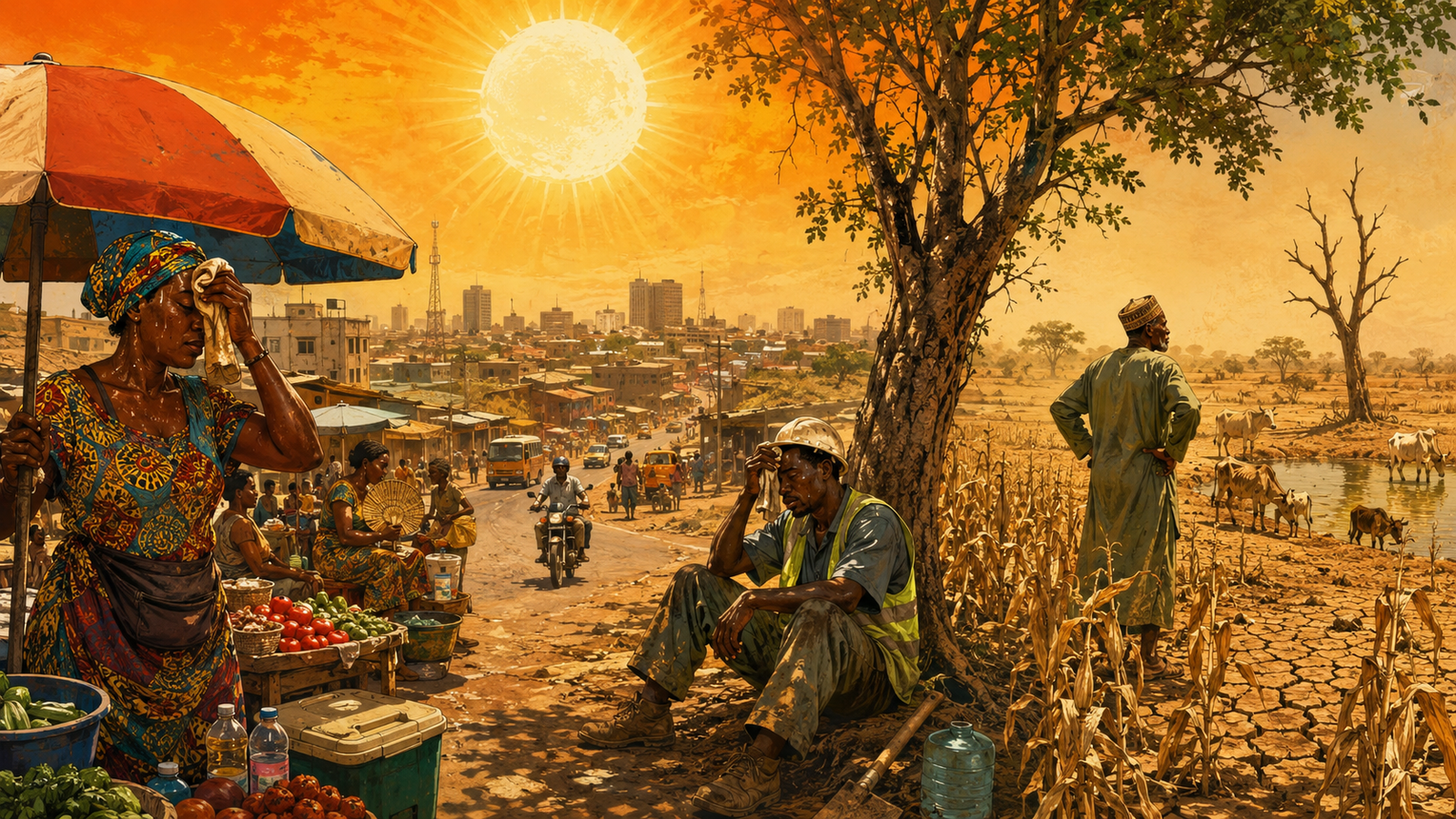

Floods and droughts dominate West African news. Yet another crisis is brewing in the background: extreme heat. Governments are dangerously unprepared.
In discussions of climate change in West Africa, the focus has been on floods, deforestation, food insecurity, and rising sea levels. These are problems that need to be solved now, and they will not solve themselves. They ruin houses, uproot families, and dominate the news. Yet a second climate danger is spreading through the region with far less attention, even as it grows more menacing. Heat. Not ordinary heat. Scorching, hydropic, and increasingly intolerable heat. West Africa is warming quicker than many communities can manage. Why are cities such as Lagos, Accra, Dakar, Niamey, and Freetown getting hotter, busier, and less well equipped to deal with what experts call a “silent killer”?
Unlike floods or storms, heat rarely leaves behind jaw-dropping imagery. There are no public images of collapsed bridges or flooded streets. Instead, it acts silently, exacerbating poverty, disrupting work, and putting immense strain on health systems. Yet it is one of the most neglected climate governance challenges in much of West Africa.
Heat is now a Governance Issue.
Heat is seen as a weather phenomenon rather than a policy issue.
That is a mistake.
Extreme heat affects nearly every aspect of public life: healthcare, urban planning, labor productivity, power demand and supply, and public safety. Climate change is creating more frequent, intense, and longer-lasting heatwaves across Africa, according to the Intergovernmental Panel on Climate Change. Many cities in West Africa are expanding rapidly without adequate climate-sensitive infrastructure, which makes them vulnerable. Concrete buildings trap heat. Limited green spaces reduce cooling. Poor ventilation raises indoor temperatures. Widespread electricity outages restrict access to fans and cooling systems. It’s not just climate exposure. It is a climate governance failure.
The question is not whether heat will rise. The real question is whether governments are preparing for it.
The Urban Heat Trap
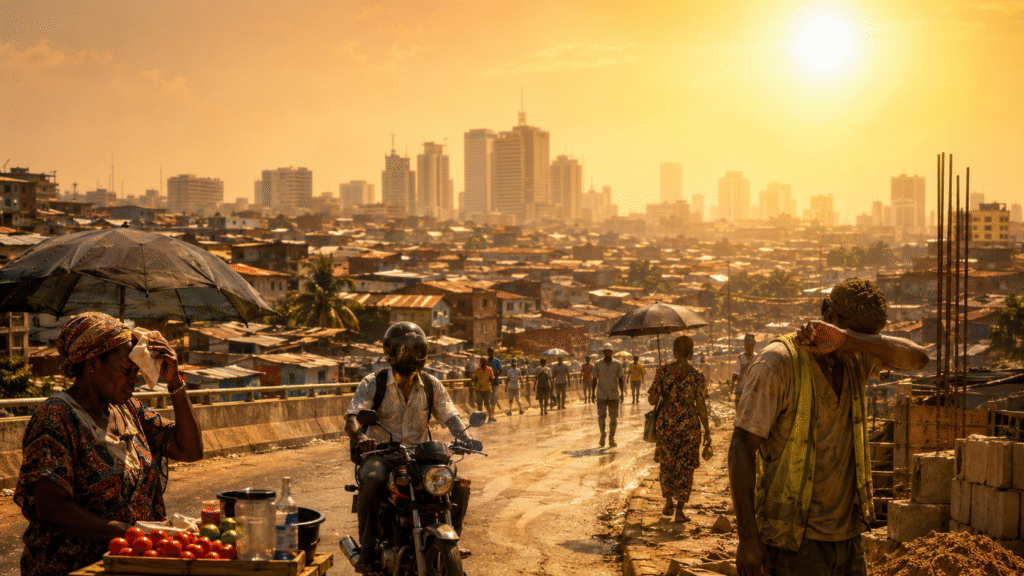
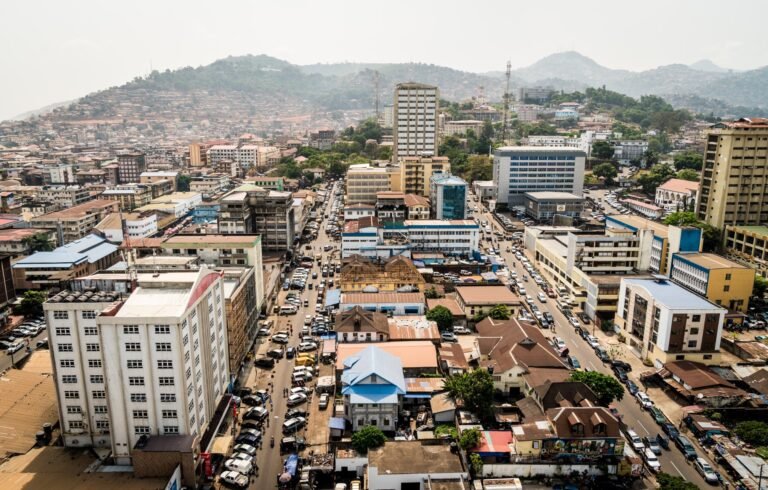
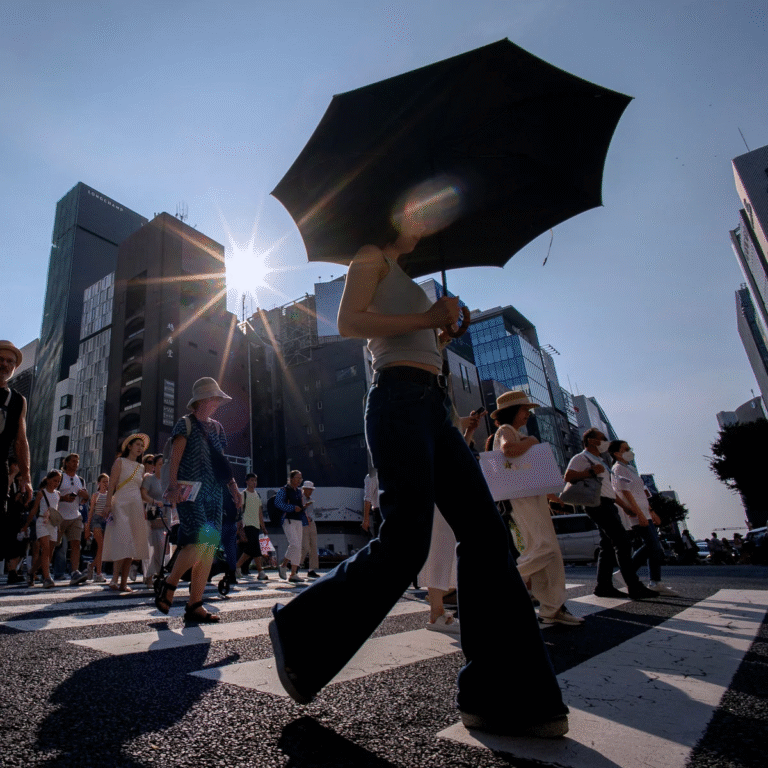
In West African cities, we are creating “heat islands”. This means urban areas, covered with infrastructure, asphalt, dense construction, and human activity, are much hotter than surrounding green areas. In cities like Lagos and Accra, temperatures in informal settlements can be several degrees hotter than those in wealthier neighborhoods with tree cover, wider roads, and better housing. This creates heat inequality.
Typically, the poorest areas experience more severe heat impacts and have the least access to resources that help them adapt. Street vendors work in the sun. Market women work long hours in overcrowded, poorly ventilated environments. Motorbike riders, construction workers, and garbage collectors are all exposed. Their lives are at risk if they keep working in such savage heat. Heat action plans are nowhere to be seen. Where are the cooling shelters? So, where is our public heat warning system? Such systems barely exist in northern and westernmost Africa.
Heat Kills Quietly
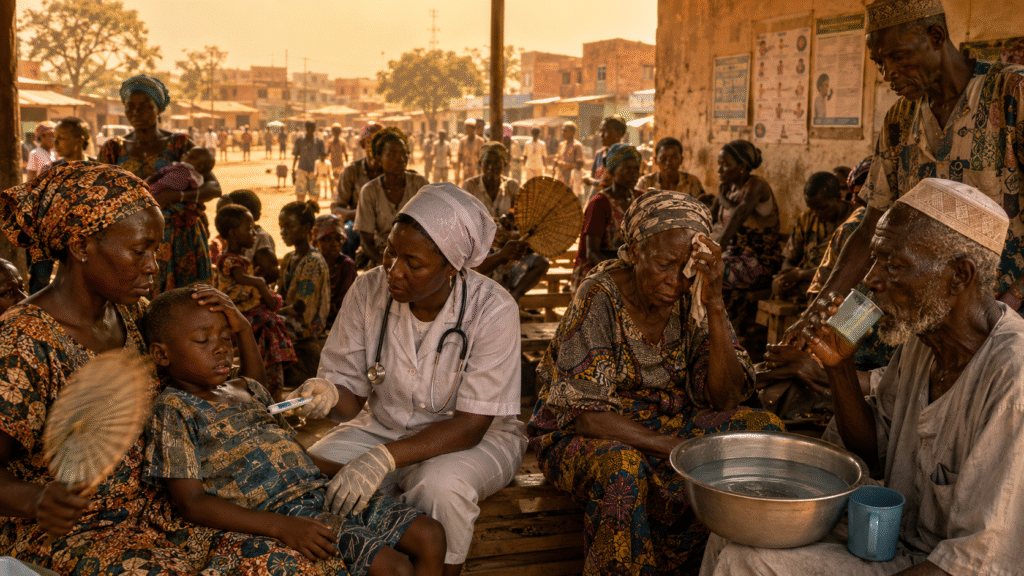
Curiously, this same argument for underreporting also explains why heat is difficult to measure politically. Flood deaths are violent and, because of that brutality, highly visible. Heat-related deaths are often indirect. Someone may die from dehydration, heart failure, or severe respiratory stress. But the cause may never officially be deemed extreme heat. This makes heat politically invisible. Heat stress is one of the major climate change-related risks for all-cause mortality worldwide, particularly in older adults, outdoor workers, and people with pre-existing health conditions (World Health Organization 2022). However, in West Africa, heat-health data collection remains sporadic. If it is not measured, it rarely takes priority.
What does not get prioritized is deadly.
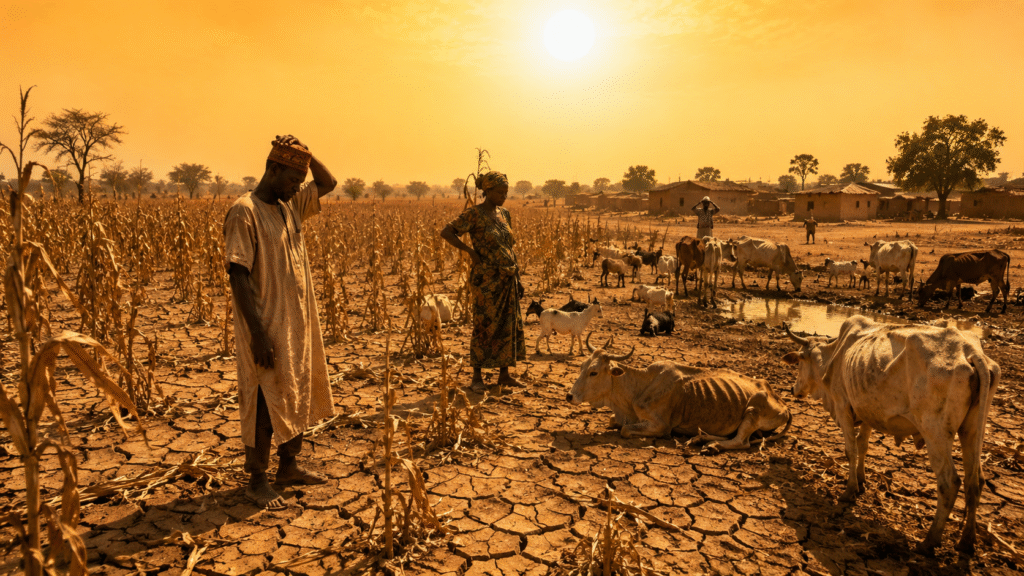
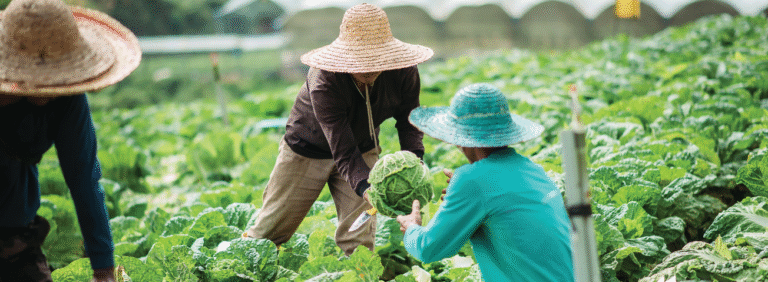
An Impending Labor Crisis. Extreme heat is also becoming a matter of dollars and cents. The hotter it gets, the harder it is to work efficiently and safely. The International Labor Organization warns that heat stress will significantly reduce labor productivity worldwide, particularly in sectors such as agriculture and construction. This matters a lot for West Africa. Millions depend on outdoor labor. Farmers, transport workers, miners, street vendors, and informal laborers form the backbone of the urban and rural economy. As temperatures rise, productivity declines, work hours shorten, and health risks increase. It affects household incomes, food systems, and national economies. Yet heat adaptation still appears largely absent from labor policy.
No one is talking about it, like, why?
Part of that problem is visibility. Floods are easier to observe than heat. Another problem is political focus. This, therefore, is how governments mostly react: direct pressure from the public. Floods create headlines. Heat often creates exhaustion.
There is also a media gap.
West Africa: Climate reporting is dominated by disasters, energy, and emissions. Heat in extreme conditions rarely receives that level of scrutiny. This creates a dangerous silence. Without a public conversation, policy urgency declines. Without urgency, adaptation is scarce.
What Needs to Change
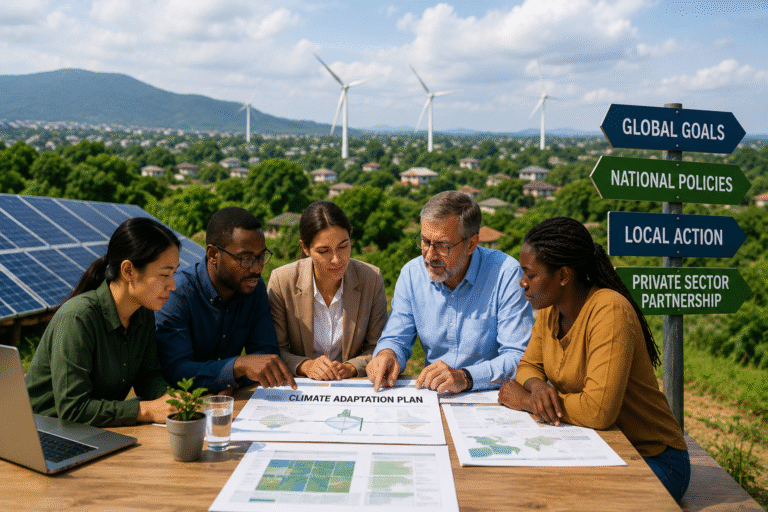
Real action on heat in West Africa is long overdue. It means the region must act now. This means urban areas need to double and triple their green spaces and tree cover. We must wean urban planning off heat-retaining infrastructure. Governments should implement heat warning systems. Hospitals need heat-response protocols. Outdoor workers should be protected by labor laws during peak heat hours. We need safer school environments during heat waves. Critical data systems need improvement to adequately record heat-related illnesses and deaths. Heat adaptation must be a conscious choice at this point. It is becoming essential.
Conclusion
Extreme heat is one of West Africa’s most overlooked climate threats. It does not fill up roads or carry away houses. It does something quieter. It wears people down. It weakens workers. It strains health systems. It deepens inequality. And it shows how ill-prepared many governments still are. Perhaps the deadliest silence of all is the silence in the climate conversation. That silence could soon become a climate threat in the region.
Keywords: Extreme Heat, Climate Governance, Urban Heat Islands, Heat Inequality, West Africa Climate Crisis, Climate Adaptation Policy
References
CLIMATE CHANGE 2023: SYNTHESIS REPORT — INTERGOVERNMENTAL PANEL ON CLIMATE CHANGE (IPCC) Climate impacts, adaptation, and vulnerability.
World Health Organization (2023). Heat and health.
International Labor Organization (2024). Working on a warmer planet.

 Reston Dennis Juah
 Noor Ul Ain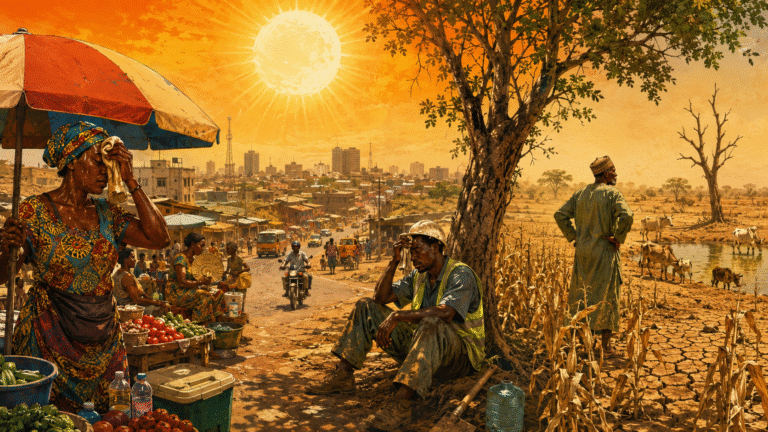
 Hoby Nasandratra Andriamiandrisoa
Mình đánh giá cao 188v com vì hoạt động khá tốt trên iPhone của mình. TONY06-29
Bài viết này chia sẻ đúng trải nghiệm của mình tại hd streamz alternative . TONY07-08
Greetings! Quick question that’s entirely off topic. Do you know how to make your site mobile friendly? My website looks weird when viewing from my iphone. I’m trying to find a template or plugin that might be able to correct this issue. If you have any suggestions, please share. Thank you!
Điều mình đánh giá cao ở sportzfy tv apk là giao diện dễ nhìn và không mất thời gian làm quen khi sử dụng. TONY07-20
I’ve been using this app for a few weeks now and the interface is super smooth. Winning is much easier when the app doesn’t lag. Highly recommend 55jililoginapp to everyone!
Really impressed with the variety of games available. There is always something new to try and the loading times are quick vnrr886666
Solid platform with some of the best odds I’ve seen. I feel like I have a much better chance of winning here. Big thanks to kr55bet.