

ABSTRACT
This study critically evaluates Sweden’s carbon pricing regime, one of the earliest and most successful implementations globally, initiated in 1991. Recognized for its high carbon tax level, Sweden provides an invaluable case study on the practical effectiveness and wider implications of carbon pricing as a central climate policy instrument. The research focuses on the dimensions of optimality in carbon pricing, including environmental effectiveness, economic efficiency, equity and social acceptability, and political sustainability. By examining the structural and political factors that have either facilitated or constrained Sweden’s carbon tax effectiveness, this paper aims to offer insights that could inform similar policies in other nations striving for aggressive climate targets. The findings highlight Sweden’s considerable reduction in greenhouse gas emissions, affirming the importance of comprehensive policies that encompass not just economic incentives but also social frameworks that support equitable climate action. This research contributes to the ongoing discourse on carbon pricing as a viable pathway to achieving net-zero emissions while ensuring socio-economic fairness and political buy-in.
INTRODUCTION
The global imperative to combat climate change necessitates innovative and effective strategies that can facilitate substantial reductions in greenhouse gas emissions. As part of this effort, carbon pricing has emerged as a pivotal policy tool aimed at internalizing the external costs associated with carbon emissions. By assigning a monetary value to carbon, carbon pricing encourages polluters to innovate and reduce emissions, thereby supporting broader climate objectives (Green, 2021). The mechanisms of carbon pricing, including carbon taxes and cap-and-trade systems, have attracted interest as they are believed to create economic incentives that will lead to behavioural changes among firms and individuals alike, facilitating the transition to a low-carbon economy (Martinsson et al., 2024).
Sweden stands out as a pioneering country in carbon pricing, having been one of the earliest adopters of a national carbon tax in 1991. This high carbon tax, currently one of the highest globally, is not only a standalone measure but is also intricately integrated into a broader suite of climate policies aimed at achieving substantial emission reductions (Andersson, 2019). Sweden’s approach illustrates the potential effectiveness of carbon pricing, with studies indicating significant declines in emissions, such as a 11% decrease in CO2 emissions from the transport sector attributed to the carbon tax alone (Sonnenschein & Mundaca, 2019). This positions Sweden as a valuable case study for evaluating the effectiveness of carbon pricing in real-world scenarios.
In assessing the effectiveness of carbon pricing, it is crucial to define the underlying dimensions: environmental effectiveness, which pertains to the extent of emission reductions achieved; economic efficiency, which evaluates the cost-effectiveness of the policy; equity and social acceptability, addressing the distributional impacts on different societal groups; and political sustainability, which considers the viability of long-term policy support from stakeholders (Nurhayati et al., 2024).
The research aim of this paper is to critically evaluate how Sweden’s carbon pricing regime performs across these dimensions, as well as to investigate the structural and political factors that have either facilitated or constrained its effectiveness.
The structure of this paper is organized as follows: First, it will present a detailed analysis of Sweden’s carbon pricing framework and its historical development. Next, it will explore empirical evidence regarding the effectiveness of this regime in achieving the defined dimensions. Additionally, it will assess the socio-political context that shapes public acceptance and political viability.
Theoretical and Analytical Framework
The theoretical underpinning carbon pricing is primarily based on Pigouvian tax theory, which posits that a tax on negative externalities—such as carbon emissions—can lead to socially optimal levels of emissions reduction. By internalizing the external costs associated with carbon emissions, carbon pricing incentivizes firms and individuals to adopt cleaner technologies and alter consumption behaviours, resulting in a decrease in overall greenhouse gas emissions. This theory suggests that higher carbon prices should correlate with greater reductions in emissions, thus establishing a direct link between pricing mechanisms and environmental outcomes (Green, 2021). Furthermore, market-based instruments like cap-and-trade systems also play a crucial role in this framework, as they leverage market forces to set a price on carbon, allowing for flexible compliance mechanisms that can lead to cost-effective emission reductions (Martinsson et al., 2024).
The optimality of carbon pricing can be assessed through four dimensions: effectiveness, efficiency, equity, and political feasibility. Effectiveness examines the actual reductions in emissions achieved through carbon pricing mechanisms. In Sweden’s case, studies indicate that the introduction of a robust carbon tax has led to significant declines in carbon emissions approximately 11% from the transport sector alone, suggesting that high carbon prices can produce meaningful reductions (Andersson, 2019) Effectiveness is often measured through empirical analyses, where jurisdictions employing carbon taxes are evaluated against control units or other similar contexts to isolate the impact of carbon pricing on emission trajectories (Nurhayati et al., 2024).
Efficiency relates to the concept of least-cost abatement, which highlights the importance of cost-effectiveness in achieving environmental goals. An efficient carbon pricing regime minimizes the economic burden on society while maximizing emission reductions. Research has shown that firms respond variably to carbon pricing, with emission-to-pricing elasticity varying across sectors, indicating that higher abatement costs may be correlated with lower responsiveness (Martinsson et al., 2024). Therefore, a well-designed carbon pricing mechanism can provide firms with incentives to pursue the cheapest methods of abatement, aligning economic activities with environmental goals.
Equity, an essential facet of any climate policy, addresses social fairness and the distributional impacts of carbon pricing. This dimension examines whether the burdens of carbon pricing disproportionately affect vulnerable populations and whether compensatory measures are in place to mitigate these effects. An equitable carbon pricing regime will ensure that the revenues generated from carbon taxes are used to support low-income households and fund environmental initiatives, fostering broader public support and acceptance of such policies (Nurhayati et al., 2024).
Lastly, political feasibility examines the degree to which carbon pricing can garner public and institutional support, essential for long-term sustainability. The political economy of climate policy demonstrates how institutions, interests, and ideas interplay to shape the design and implementation of carbon pricing frameworks. Political sustainability hinges on policymakers’ ability to build consensus among diverse stakeholders, addressing both economic concerns and environmental imperatives. Effective public engagement and transparent communication of the benefits of carbon pricing are critical for overcoming opposition and facilitating smoother policy adoption (Andersson, 2019; Sonnenschein & Mundaca, 2019).
In this analytical lens, I will try to explore how these dimensions of optimality manifest within Sweden’s carbon pricing regime and the structural and political factors contributing to its distinguished performance. By understanding the political economy context, including the interests of various stakeholders and institutional arrangements, the aim is to illuminate the pathways towards effective and equitable carbon pricing, not only in Sweden but also in other jurisdictions seeking comparable policies.
Sweden’s Carbon Pricing Regime: Policy Architecture
Historical Background
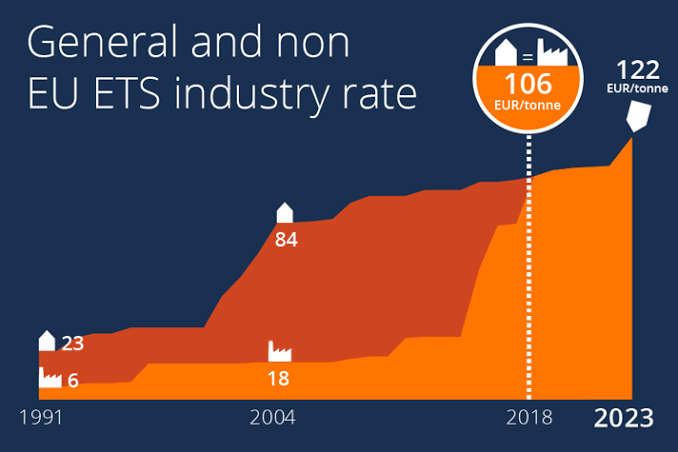
Sweden was a trailblazer in implementing carbon pricing, having established a carbon tax in 1991. As one of the first nations to adopt such a policy, Sweden’s decision was borne out of a growing recognition of climate change as a critical global threat. The initial tax rate was relatively modest, yet it has seen substantial growth over the years, reflecting a robust commitment to climate policy. This commitment was evident following Sweden’s ratification of the Kyoto Protocol, where it pledged to significantly reduce greenhouse gas emissions (Martinsson et al., 2024). The integration of carbon pricing into national policy frameworks has allowed Sweden to position itself as a leader in climate action, openly advocating for more aggressive global measures against climate change (Andersson, 2019).
Current Design
Today, Sweden boasts one of the highest carbon tax rates globally, currently estimated at approximately €120 per ton of CO₂. This high tax rate serves as a strong economic incentive for industries to lower their carbon footprints while also promoting investments in cleaner technologies (Green, 2021). However, the tax is not uniformly applied across all sectors. The design of the carbon pricing regime reflects a comprehensive approach, covering approximately 60% of Sweden’s total CO₂ emissions, primarily from energy-intensive industries and fossil fuel usage (Green, 2021). Notably, certain exemptions exist for sectors susceptible to carbon leakage, meaning processes that might relocate to countries without stringent carbon regulations. This careful consideration aims to balance environmental objectives with economic viability and competitiveness.
The Swedish carbon tax interacts intricately with the European Union Emissions Trading System (EU ETS). Industries not covered by the carbon tax typically fall under the EU ETS, creating a dual-layered approach to carbon pricing. The alignment between these systems allows for comprehensive emissions management while preventing overlapping costs for businesses (Martinsson et al., 2024). The synergy between the two approaches has illustrated Sweden’s capacity to lead in climate policy effectively while managing emissions across various industries.
Revenue Use and Tax-Shifting Mechanisms
The revenue generated from the carbon tax plays a pivotal role in supporting Sweden’s broader climate and social policies. In 2022, over €1.5 billion was accrued from carbon taxes, with a significant portion directed towards funding renewable energy initiatives and energy efficiency programs (Green, 2021). The design of the carbon tax has evolved to include mechanisms that alleviate potential economic burdens on low- and middle-income households. For instance, a portion of the revenues is used to offset energy costs through targeted rebates, thus addressing equity concerns while maintaining the tax’s overall effectiveness.
Moreover, tax-shifting mechanisms have been implemented, where the carbon tax is partially balanced by reductions in other taxes, such as labour taxes. This shifting aims to foster a green transition while maintaining economic stability and promoting employment (Andersson, 2019). The utilization of carbon tax revenues and tax shifting reflects a comprehensive approach that integrates social equity with effective climate policy, ensuring broad acceptability of the taxes among citizens.
Evolution Over Time
The architecture of Sweden’s carbon pricing regime has undergone significant reforms and adaptations in response to public debates and economic concerns. Over its three-decade existence, the policy has been refined to enhance its fairness and effectiveness. Periodic evaluations revealed that even though emissions had significantly decreased, certain socioeconomic groups felt the burden of the carbon tax disproportionately. To address these concerns, reforms were implemented that emphasized the redistribution of revenue to support vulnerable populations and boost public investments in green infrastructure (Martinsson et al., 2024).
Public discourse has also played a crucial role in shaping the policy’s trajectory. While the articulation of climate change as a pressing issue has stoked public interest, it has also triggered debates around fairness. The goal of achieving net-zero emissions by 2045 has led to calls for more equitable solutions, pushing the policymaking community to refine the structure of the carbon tax (Sonnenschein & Mundaca, 2019). For instance, considerations to increase the tax rate have been balanced with discussions centered on socioeconomic equity, ensuring that the transition toward sustainability does not disadvantage lower-income households.
Additionally, adjustments have been made in response to broader economic conditions. The integration of external insights, such as those derived from comparative studies with other countries like Finland, has continually enriched Sweden’s carbon pricing framework (Nurhayati et al., 2024). These comparisons have encouraged Sweden to focus on maintaining competitiveness in a global market while also fulfilling its climate commitments.
Sweden’s carbon pricing regime stands out as a significant policy framework characterized by its high tax rates, sectoral coverage, and intertwining with broader climate initiatives. Historical foundations, current functionality, and the ongoing evolution of this framework illustrate how Sweden has navigated complex socio-economic landscapes while maintaining its environmental objectives. The management of revenue and public acceptability continues to be essential components of the policy’s success, offering valuable lessons for other nations in pursuit of effective climate strategies.
Evaluating Sweden’s Performance
A. Environmental Effectiveness
Sweden’s carbon pricing regime, notably the carbon tax introduced in 1991, has facilitated notable reductions in greenhouse gas (GHG) emissions at both national and sectoral levels. Nationally, Sweden has managed to decrease its CO₂ emissions by approximately 25% since 1990 while simultaneously achieving economic growth, illustrating the environmental effectiveness of its policies (Martinsson et al., 2024). Sectorally, emissions reductions have been uneven but significant in major sectors such as transportation and energy production, where initiatives have been supported by both the carbon tax and supplementary policies focused on renewable energy expansion and energy efficiency improvements (Andersson, 2019).
The role of the carbon tax in driving these trends cannot be understated. Research indicates that the introduction of the tax was responsible for a substantial portion of emission reductions, particularly in the transport sector, where emissions fell by approximately 11% after the tax’s implementation (Andersson, 2019). However, the effectiveness of the carbon tax is complemented by additional policies aimed at promoting renewables and increasing efficiency, which together create a synergistic effect leading to more robust overall emissions reduction (Green, 2021;)
B. Economic Efficiency
The carbon pricing mechanisms in Sweden have also demonstrated significant economic efficiency in terms of cost-effectiveness for emissions reductions. Estimates suggest that the carbon pricing system has led to a substantial change in emissions intensity among industrial firms, with an emission-to-pricing elasticity estimated to be around two; this means that for every unit increase in carbon pricing, emissions decreased significantly (Martinsson et al., 2024). Consequently, the economic framework has enabled firms to pursue cost-effective abatement strategies that align economic activities with sustainability goals.
Moreover, Sweden’s emphasis on innovation and the diffusion of green technology is evident in the country’s commitment to climate-related research and development. The introduction of carbon pricing has stimulated investments in clean technologies, resulting in increased productivity within the green sector. This shift enhances the potential for sustained economic growth and lays the groundwork for Sweden to maintain its competitive edge in the evolving global markets (Nurhayati et al., 2024).
C. Equity and Social Impacts
The distributional outcomes of Sweden’s carbon pricing must be examined, particularly in terms of impact on various income groups and geographical areas. While the carbon tax is designed to be an efficient tool for emission reductions, equity concerns exist; lower-income households may feel a greater financial burden from increased energy prices resulting from the tax (Sonnenschein & Mundaca, 2019). Rural populations are also disproportionately affected due to higher reliance on transportation that is often carbon-intensive. In recognition of these challenges, Sweden has implemented compensatory measures, including welfare support and targeted tax credits, aimed at alleviating the impact on the most vulnerable groups. These measures promote social fairness and public acceptance of the carbon pricing regime Nurhayati et al., 2024).
Public acceptance of the carbon tax has been fairly strong, largely attributed to effective communication strategies emphasizing the long-term environmental and health benefits associated with emissions reductions. Trust in governmental institutions and transparent policy design has fostered broader societal support, which is essential for the sustainability of the carbon pricing regime (Green, 2021; .
D. Political Feasibility and Sustainability
The political landscape surrounding Sweden’s carbon pricing regime reflects a careful consideration of institutional stability and cross-party consensus. Unlike some jurisdictions, Sweden has managed to maintain a relatively stable political environment, with significant support for climate initiatives across various political parties, thereby facilitating continuous improvement of the carbon tax structure (Andersson, 2019). This consensus has enabled technocratic policy design, allowing for evidence-based adjustments to the carbon pricing framework as market conditions and public perceptions evolve.
Public perception plays a crucial role in the political feasibility of carbon pricing, and Sweden’s success in effectively communicating the benefits associated with the tax—such as reduced emissions and improved public health—has been instrumental. The ongoing discourse around fair implementation and the necessity of addressing socio-economic disparities underscores the importance of public engagement in maintaining support for climate policies (Green, 2021; Nurhayati et al., 2024). As the global climate agenda shifts, Sweden’s ability to adapt and reinforce its carbon pricing mechanisms will be vital in retaining the political sustainability of its climate efforts.
In conclusion, Sweden’s performance in implementing its carbon pricing regime showcases significant strides in environmental effectiveness, economic efficiency, and equity considerations. Its comprehensive approach, characterized by institutional stability and strong public acceptance, sets a benchmark for other nations aiming to implement similar carbon pricing strategies.
Structural and Contextual Constraints
Sweden’s industrial and energy structure is characterized by a significantly low dependence on fossil fuels, primarily due to its extensive investment in renewable energy sources such as hydropower, which currently accounts for about 39% of total electricity production Martinsson et al. (2024). This energy mix is supported by an established portfolio that also includes nuclear power and wind energy, positioning Sweden as a leader in low-emission energy production. As a result, the country is less reliant on fossil fuels than many of its European counterparts, which reduces baseline carbon emissions and enhances the efficacy of carbon pricing by creating a more favorable groundwork for additional reductions (Andersson, 2019). The reliance on renewable sources also mitigates the economic shocks that typically accompany the transition away from fossil fuels, providing a resilient framework for carbon mitigation policies.
Furthermore, Sweden operates within the context of the EU climate policy framework, which includes the EU Emissions Trading System (ETS). This system incentivizes further emissions reductions by setting a cap on total emissions for the participating industries while allowing flexibility for firms to trade permits in a carbon market. Sweden actively participates in the EU ETS, and this intersects with its national carbon tax system, enhancing overall emissions reductions across various sectors (Green, 2021). The interaction between national policies and EU directives fosters coordination, allowing Sweden to align its climate goals with broader European commitments and ensuring that emissions trading mechanisms are effectively leveraged alongside domestic initiatives.
The country’s welfare state capacity is another critical factor influencing the design and implementation of carbon pricing. Sweden’s extensive welfare system enables the government to undertake comprehensive compensatory measures aimed at mitigating the adverse effects of carbon pricing, particularly on vulnerable populations. These measures include welfare support programs and tax credits aimed at low- and middle-income households who may bear the brunt of increased energy costs due to carbon pricing. By redistributing revenue generated from the carbon tax, the government fosters social equity, promoting public acceptance and trust in the carbon pricing regime. This welfare framework allows the country to address equity concerns—an essential factor when promoting stringent climate policies to diverse socioeconomic groups.
Cultural and institutional factors also play a vital role in shaping Sweden’s carbon pricing regime. High levels of trust in institutions, coupled with a cultural predisposition toward environmental stewardship, create a conducive environment for the effective implementation of climate policies. Public perception of climate change as a critical issue supports political and societal engagement with carbon pricing, enabling policymakers to introduce and sustain ambitious climate initiatives. Furthermore, strong environmental values among the populace encourage collective action and support for carbon pricing, allowing Sweden to maintain a consistent trajectory toward sustainability (Sonnenschein & Mundaca, 2019).
In conclusion, Sweden’s structural and contextual constraints—including its low fossil fuel reliance, engagement with the EU climate framework, strong welfare state capacity, and cultural values—exemplify a robust foundation for its carbon pricing regime. These elements not only facilitate effective policy implementation but also ensure that the system functions equitably and with broad public support. Understanding these constraints offers invaluable insights for other countries attempting to navigate similar challenges in their climate policy frameworks.
Lessons for Optimality: What Can Be Learned from Sweden?
Sweden’s carbon pricing model exemplifies a high degree of optimality, marked by its combination of a robust carbon tax, institutional strength, policy coherence, and significant public support. Key enabling factors contributing to this optimality include the strong institutional framework underpinning the carbon pricing system, which has facilitated effective implementation and sustained political consensus across various parties (Martinsson et al., 2024). Additionally, the coherence of Sweden’s climate policy—where carbon pricing dovetails with other climate initiatives like renewable energy support—has reinforced the overall effectiveness of emissions reductions (Andersson, 2019).
However, limitations and trade-offs exist within Sweden’s model. While the country has seen measurable reductions in emissions—approximately 30% lower than they would have been without carbon pricing—challenges related to equity persist, particularly for low-income households that may face disproportionately high energy costs (Martinsson et al., 2024). Furthermore, the model’s reliance on a cooperative political landscape may not be replicable in countries with more fragmented political contexts, potentially limiting its exportability.
Adaptation of Sweden’s model to other countries, especially in the Global South or among high-emitting economies, requires careful consideration of local contexts. Policymakers must tailor carbon pricing frameworks to address specific socio-economic conditions and energy dependencies, as seen in the comparative study with Indonesia, which emphasizes the importance of aligning carbon pricing with developmental goals and social equity (Nurhayati et al., 2024). Therefore, while the Swedish model serves as a valuable blueprint for effective carbon pricing, its successful exportation will depend on adaptability to the unique structures, cultures, and priorities of different nations.
Conclusion
The significance of carbon pricing in the framework of high-ambition climate policy cannot be overstated. As a mechanism designed to internalize the external costs of carbon emissions, carbon pricing serves as a vital tool for inducing behavioural change among polluters and promoting significant reductions in greenhouse gas emissions. Sweden, as a pioneer of carbon pricing, has achieved notable milestones since implementing its carbon tax in 1991, leading to a reduction in emissions while fostering economic growth. Studies indicate a substantial elasticity of emissions relative to pricing, suggesting that carbon pricing has effectively influenced firm behaviour and contributed to national climate goals Martinsson et al. (2024).
However, Sweden’s carbon pricing regime is not without limitations. While it has made considerable progress, issues of equity and the financial burdens on low-income households highlight the necessity for compensatory measures to ensure social fairness (Nurhayati et al., 2024). The interplay of various factors, including the welfare state’s capacity to act and the political landscape, presents both opportunities and challenges to the sustainability of these policies (Sonnenschein & Mundaca, 2019; Andersson, 2019).
In conclusion, while Sweden’s model of carbon pricing demonstrates a high degree of effectiveness, the concept of “optimality” in carbon pricing should be viewed as context-dependent. The lessons learned from Sweden are invaluable for other countries, particularly in the Global South or high-emitting economies, which may need to adapt the principles of carbon pricing to their unique socio-economic and political landscapes. Tailoring strategies to the local context will be essential in making carbon pricing a viable and equitable solution globally, reflecting a broader applicability of “optimality” that recognizes the diverse challenges presented by climate change.
References:
Andersson, J. (2019). Carbon taxes and co2 emissions: sweden as a case study. American Economic Journal Economic Policy, 11(4), 1-30. https://doi.org/10.1257/pol.20170144
Green, J. (2021). Does carbon pricing reduce emissions? a review of ex-post analyses. Environmental Research Letters, 16(4), 043004. https://doi.org/10.1088/1748-9326/abdae9
Martinsson, G., Sajtos, L., Strömberg, P., & Thomann, C. (2024). The effect of carbon pricing on firm emissions: evidence from the Swedish co2 tax. Review of Financial Studies, 37(6), 1848-1886. https://doi.org/10.1093/rfs/hhad097
Nurhayati, Y., Ifrani, I., Said, M., & Yanova, M. (2024). Carbon pricing policy to support net zero emission: a comparative study of indonesia, finland and Sweden. Environmental Policy and Law, 54(1), 53-63. https://doi.org/10.3233/epl-230047
Sonnenschein, J. and Mundaca, L. (2019). Is one carbon price enough? assessing the effects of payment vehicle choice on willingness to pay in Sweden. Energy Research & Social Science, 52, 30-40. https://doi.org/10.1016/j.erss.2019.01.022







 Reston Dennis Juah
 Noor Ul Ain

 Hoby Nasandratra Andriamiandrisoa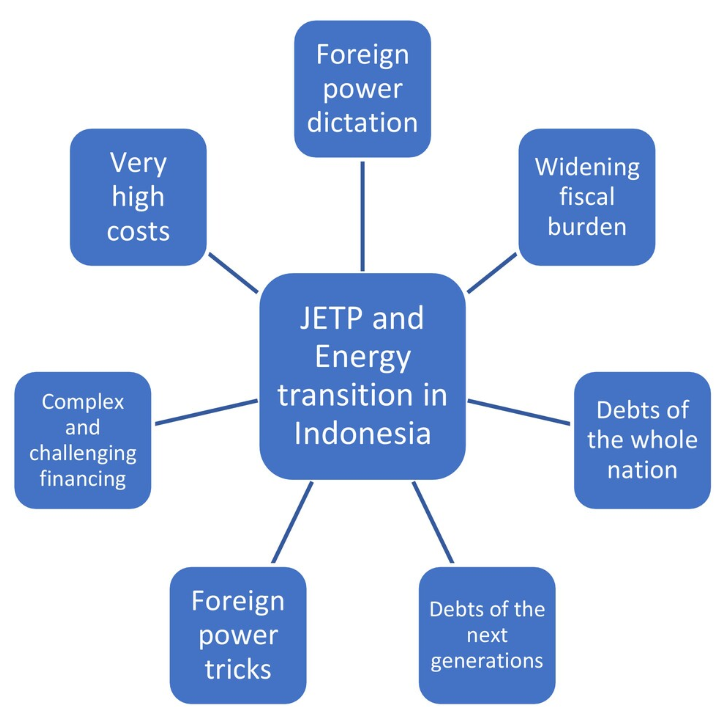
Of course, what a splendid website and instructive posts, I surely will bookmark your blog.Have an awsome day!
Very reliable platform with a very secure login system. I feel safe depositing my funds here and the withdrawal is lightning fast. Trust citrabet77login