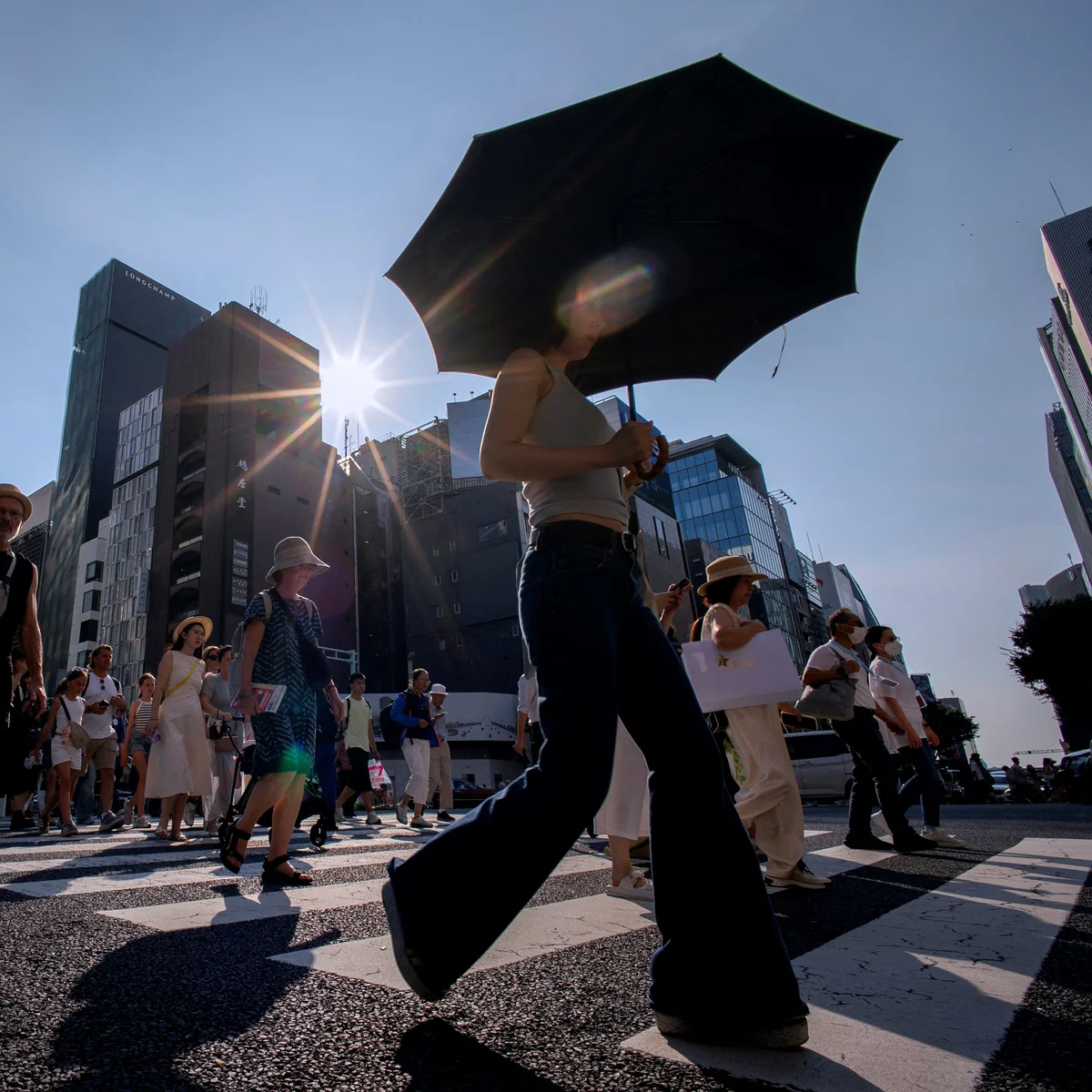

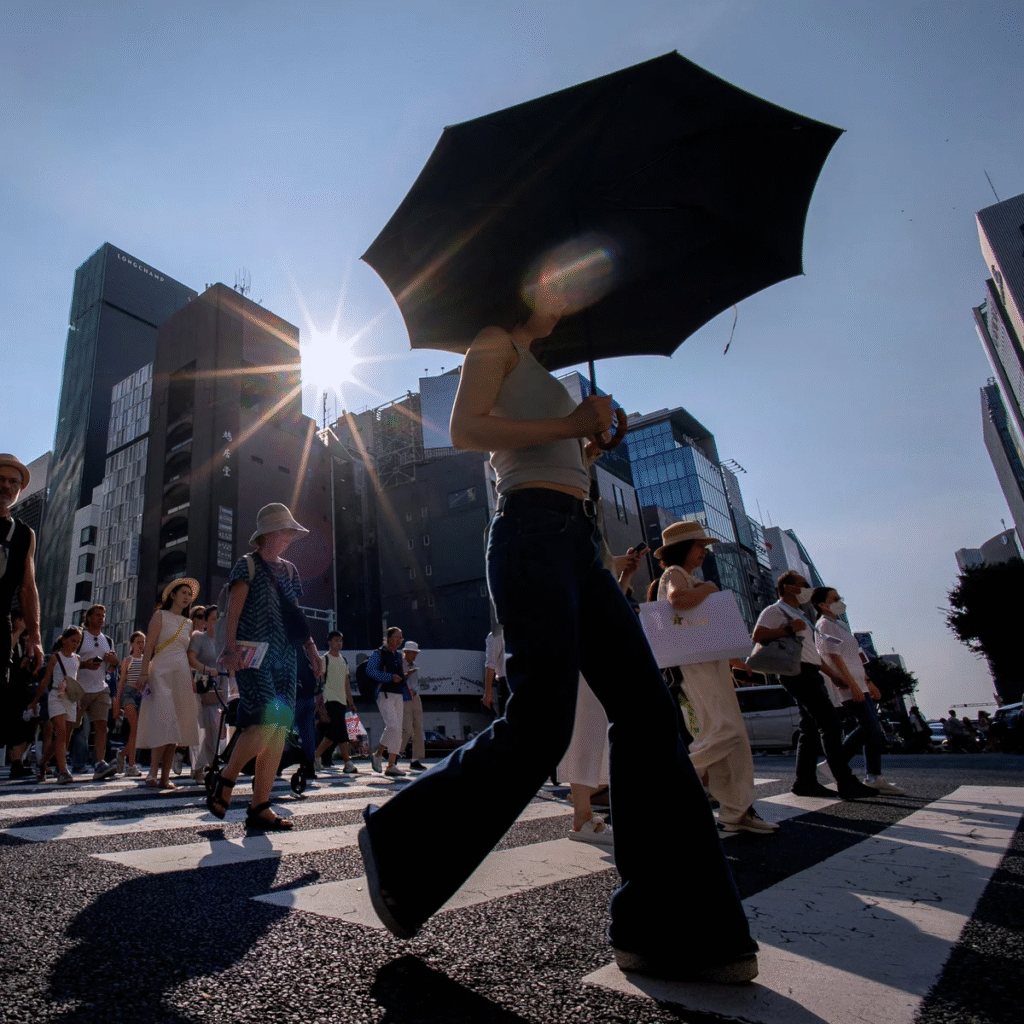
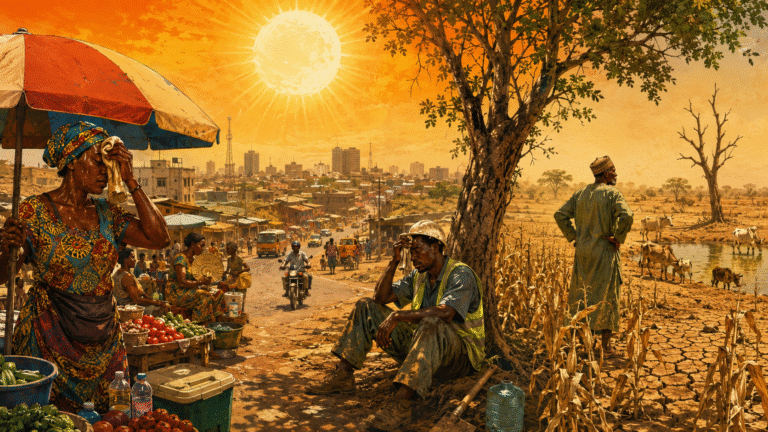
Climate change can be felt on the street as you walk through a busy city on a hot afternoon. The road gives off heat energy. Concrete walls retain heat even after the sun has set. Shade is essential at the bus stop. A poorly ventilated little room makes it hard to sleep in. This is not an unusual heat wave for many. It is daily life. That is why climate action will not be determined solely by international conferences or national policies in the future, rather it is determined in neighborhoods, on streets, in parks, in houses, and in public places. Cities are among the most critical areas in the climate crisis, as they consume large amounts of energy, emit significant amounts of pollution, and experience flooding, rising temperatures, and extreme heat (Indraprahasta et al., 2023; Van der Heijden, 2018). The problem is that urban heat is particularly pronounced in tropical cities like Jakarta, which experiences an urban heat island effect, with built-up areas warming relative to surrounding areas due to the heat-absorbing and heat-retentive properties of concrete, traffic, and buildings (Ufaira et al., 2023). Heat can easily be pushed down the political agenda in a city already under pressure from other issues, such as congestion, flooding, air pollution, and the speed of urban development. However, heat is no minor inconvenience for those who live and work in dense, low-income neighborhoods. It’s a constant stress. This underscores the concept of climate injustice: Who is the most vulnerable to heat? And who is able to escape it? A wealthy household can afford air conditioners, a green environment, a private car, and better-built houses. In contrast, a mediocre house may be located in a densely populated area, without any parks or shade, and with limited access to electricity. Both live in the same city, but don’t get the same heat. That is why climate policy must not be directed solely towards emissions reductions; it should focus on how to make a city livable for the most vulnerable people. Constructing green corridors, protecting urban forests, and creating shaded and green open spaces can lower the temperature of a neighborhood, reduce air pollution, and lower the costs of mechanical cooling (Ufaira et al., 2023).
Many cities are assumed to have more parks and trees in the affluent areas as compared to the poorer areas. This shows that green development can often be unfair if it increases land values, attracts private developers, and displaces low-income residents. If parks aren’t accessible to everyone, a city cannot be considered a climate-smart model for urban development. In Jakarta, the impact of city government functions varies depending on the provincial politics, sectoral agencies, funding, land ownership, and private development pressures, where some of the government functions have a strong impact on sectors such as transport and urban spaces, while other sectors, such as energy, remain under the control of the national government (Indraprahasta et al., 2023).
Globally, cities have adopted ambitious climate targets, joined international city networks such as C40, and designed new climate policies (Van der Heijden, 2018). This can be beneficial, particularly when national or local governments act too slowly. The true measure of urban climate leadership is not whether a city can develop a great strategy. The test is whether that strategy makes the lives of those who are most vulnerable to climate hazards different every day. There are lessons to be learned from Copenhagen and Oslo. City governments demonstrate the need for collaboration to combat climate change. One environmental department is not enough to address climate action. There are many actors involved in transport, housing, planning, private enterprises, public utilities, civil society, and residents. Hofstad et al. (2022) describe this as “co-creation,” a process in which various private and public actors are involved in the design and implementation of climate solutions. It should include not only experts but also businesses and large developers. Citizens, particularly vulnerable communities, should also be involved in the process. People are sought for feedback, but not really given any influence. However, that is not enough for climate justice; communities should be involved in determining tree planting locations, park locations, cooling center locations, park design, and housing upgrade delivery locations.
To design a fair urban climate agenda, first, identify the hottest and most susceptible neighborhoods. Second, identify who lacks access to cooling, shade, green space, and safe housing? Third, how can public investments get to these places first? Answering these questions requires data and local knowledge. A climate policy should be based on scientific knowledge and life experience. The lesson from Jakarta and other cities: climate action needs to go from city marketing to street justice. A cooler city is also a cooler city. A city where children are able to walk to school in the shade, elderly people can sit outside without fear of getting too hot, and low-income families are able to sleep at night without an uncomfortable indoor temperature. Cities should still cut emissions, enhance public transport, encourage green buildings, and join climate networks. But they also need to safeguard the climate’s front-line defenders: the people already on the front lines of climate change. Heatwaves reveal the differences between those who have shade and those who don’t, those who can cool their homes and those who can’t, those who have parks and those who have concrete. As a key driver of emissions, cities are essential to leading climate action.
Key words: Climate Change, Urban Governance, Climate Justice, Urban Heat Island, Green Open Space, Climate Adaptation
References:
Hofstad, H., Sørensen, E., Torfing, J., & Vedeld, T. (2022). Designing and leading collaborative urban climate governance: Comparative experiences of co-creation from Copenhagen and Oslo. Environmental Policy and Governance, 32(3), 203–216. https://doi.org/10.1002/eet.1984
Indraprahasta, G. S., Amir, S., Nastiti, A., & Ufaira, R. (2023). Governing climate mitigation in a megacity: Tapping opportunities in the multi-level governance system? Journal of Urban Affairs. https://doi.org/10.1080/07352166.2023.2274554
Ufaira, R., Amir, S., Indraprahasta, G. S., & Nastiti, A. (2023). Living in a hot city: Thermal justice through green open space provision. Frontiers in Human Dynamics, 5, 1237515. https://doi.org/10.3389/fhumd.2023.1237515
Van der Heijden, J. (2018). City and subnational governance: High ambitions, innovative instruments and polycentric collaborations? In A. Jordan, D. Huitema, H. van Asselt, & J. Forster (Eds.), Governing climate change: Polycentricity in action? Cambridge University Press. https://doi.org/10.1017/9781108284646.006

 Reston Dennis Juah
  Noor Ul Ain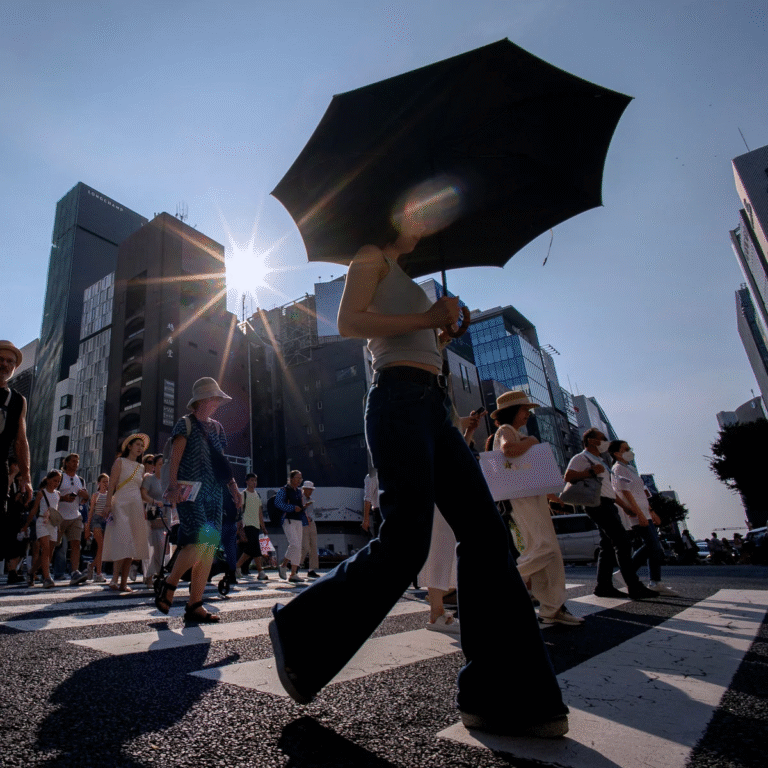
 Hassan Barrie
 Hoby Nasandratra Andriamiandrisoa
Một nơi giải trí rất phù hợp sau giờ làm hb88 app TONY06-29
Tôi thích những ví dụ thực tế trong bài live net tv apk 4.8 6 download for android TONY07-08
Sau khi trải nghiệm hb88 club , mình cảm thấy giao diện mobile được tối ưu rất tốt. TONY07-20
The registration process was a breeze and I was playing in under two minutes. Everything is very professional and secure. Glad I found the ap999login portal.
Best platform for local players in the Philippines. It feels tailored to our needs and the bonuses are legit. Big thanks to 77jiliph for the awesome setup.
Great selection of games and the promotions are actually useful. It is my go-to spot for some weekend fun. Try 291jiliph if you want a reliable site.