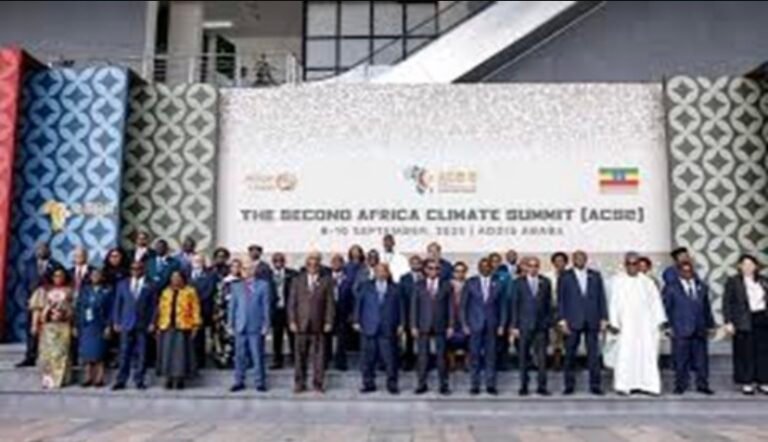
Climate change is now one of the key policy concerns of the 21st century in the world, though the response of countries to the problem has varied widely. These disparities are determined by the economic development status, emission liability, climatic frailty, institutional competency, and political agenda. The paper is a comparison of Ethiopian and Nigerian […]
Author: Jonathan Tarnue Payne
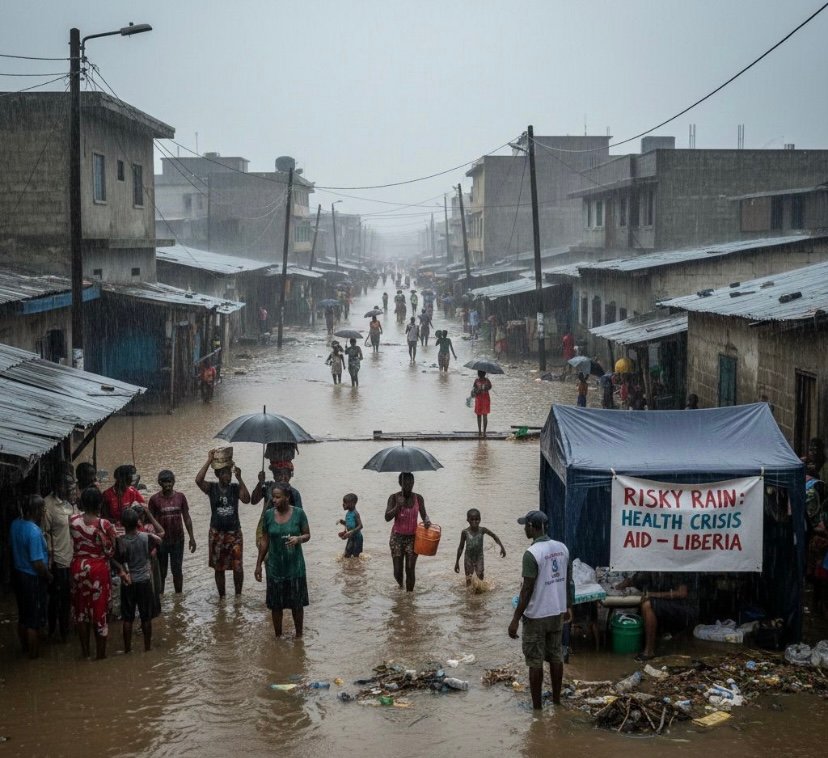
Risky Rain: Flooding that Leads to Health Crisis in Liberia
Liberia’s climate is seasonal and is divided into two: the rainy and dry seasons. The rainy season occurs for approximately six months, between May to October, while the dry season takes place between November to February. The rainy season is always a part of the daily life of every Liberian. It gives a sense of […]
Liberia at COP30
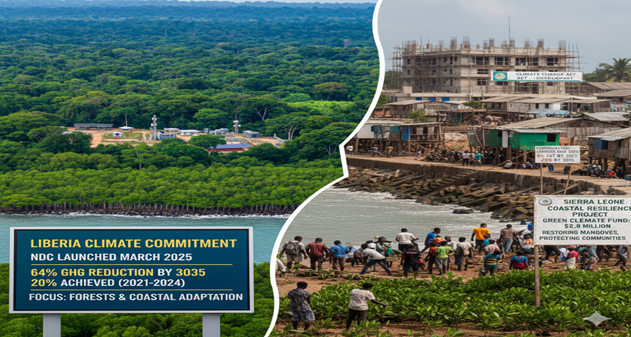
National Commitments and the Launch of the Natural Capital Atlas This year, the 30th session of the United Nations Framework Convention on Climate Change (UNFCCC) took place in Brazil in Belem, where 194 parties gathered to discuss the current phase of global warming and climate crisis in general. The host Country, Brazil, labelled the event […]
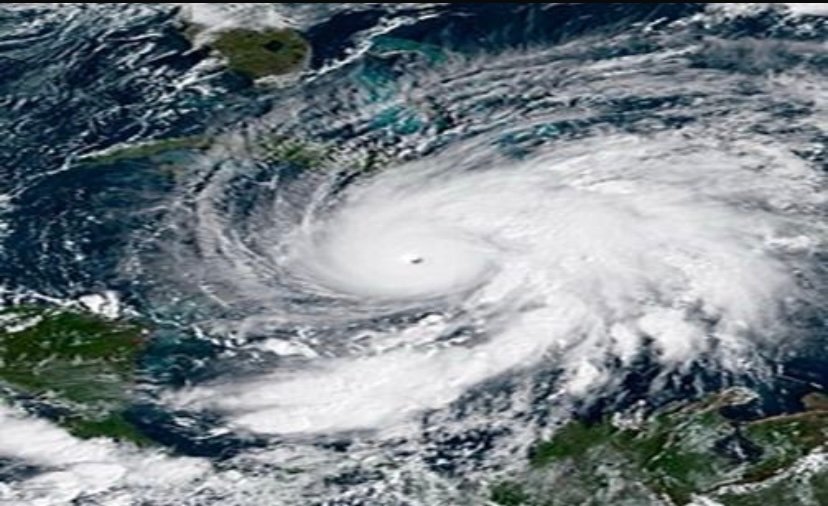
Hurricane Melissa: Jamaica’s Day of Reckoning?
On the 27th of October, the world watched what many could consider a doomsday event as Hurricane Melissa made landfall in Jamaica, causing casualties, damaging homes, infrastructure, and shattering livelihoods. The slow-moving Category 5 storm caused horrifying scenes as heavy storms and rainfall overflowed rivers and water bodies, causing massive flooding that led to many […]
WHY LIBERIA NEEDS A STRONG CLIMATE EDUCATION
When walking around coastal areas in Liberia, regions like Buchanan, Robertsport, and West Point, you will observe the impact of coastal erosion on people and their livelihoods. (S. David, 2023). Homes are gradually sinking in the Atlantic; soils used for agricultural purposes are devastated by unprecedented rainfall, and the ground is eroding daily. Flooding poses […]