

Introduction
Climate change is a major global threat of the 21st century, which impacts on the ecosystems, economies, and human health. Although climate change is an international event, its effects are not evenly spread. And again, although Africa does not contribute the highest to the greenhouse emission in the globe, it is also one of the regions that are most likely to be affected by climate change. The increased temperatures, unpredictable rainfall, floods, droughts, rise in sea level, and diseases caused by climate are becoming a threat to livelihoods on the continent.
When it comes to global climate debate, two key answers can be highlighted, which are climate mitigation and climate adaptation. Mitigation is aimed at minimizing the level of greenhouse gas emissions to delay climate change, whereas, adaptation is aimed at modifying the social system, economic system and environmental system to be able to adapt to the effects of climate change. Although these two methods are significant, this essay holds that climate adaptation is more relevant to Africa and other developing countries due to their great vulnerability, their lack of ability to reduce the emission levels, the current state of development, and the pressing necessity to save the lives and habitats.
Knowledge in Climate Mitigation and Climate Adaptation.
Climate mitigation is defined as the attempts to decrease or avoid the release of greenhouse gases. This involves switching to renewable energy, enhancing energy efficiency, conserving forests and encouraging low-carbon technologies. Mitigation is a solution to the causes of the climate change and it is necessary in preventing long term global warming.
On the other hand, climate adaptation entails changes in both human and natural systems with the aim of minimizing damages or taking advantage of positive opportunities, which are a result of climate change. The examples are the construction of flood defenses, the use of climate-sensitive agriculture, the enhancement of water management systems, the enhancement of health infrastructure, and the development of early warning measures on extreme weather.
Mitigation offers benefits of a global character but, in terms of its local and immediate benefits, adaptation provides its advantages particularly in those areas which are vulnerable such as Africa. This is an important difference in case of priorities of developing countries.
Minimal Contribution of Africa to Emissions in the World.
The contribution of Africa to the global greenhouse gas emissions has been minimal and this can be considered as one of the strongest reasons that adaptation should be prioritized in Africa. Africa contributes relatively low percentages of the total carbon dioxide emissions of 3-4 percent compared to the industrialized portions of the world (North America, Europe and even some parts of Asia) which contribute very high percentages (Aljazeera).
This is a low contribution that indicates that despite the African countries significantly cutting their emission, the total effect on the global climate change would be minimal. Africa has a vast number of economies that are in the process of development and they need to expand energy to alleviate poverty, enhance health facilities, and education levels. Mitigation that is overemphasized without taking into consideration the needs of development may slow down economic growth and increase inequality.
Thus, although Africa has to follow clean development ladders, it is not realistic and fair to expect the continent to focus in mitigation at the cost of adaptation. Adaptation enables the African nations to solve the effects of climate without compromising on development aspects.
A very low level of vulnerability and the real time effects of climate.
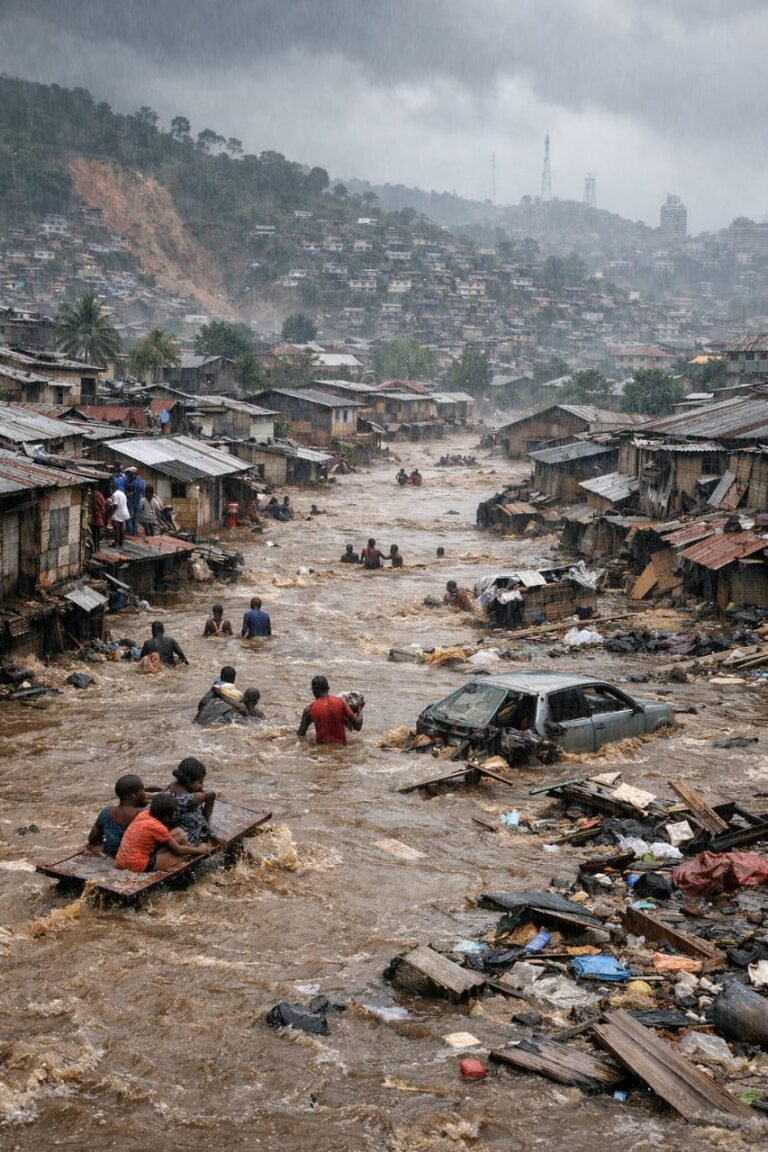
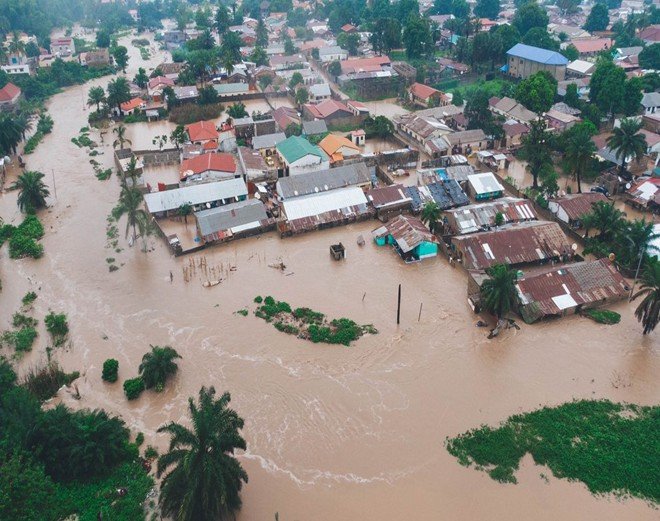
The African continent is very susceptible to climatic change because of its physical position, reliance on climatically sensitive industries, and low adaptive potential. The agriculture sector that has a high proportion of the population is predominantly rain-fed and extremely sensitive towards the rainfall fluctuations. Climate change has already resulted in the long spells of droughts in the Horn of Africa, gruesome floods in West and Central Africa and more desertification in the Sahel.
These are not threats in the future but they are there now. The farmers lose their crops, families suffer food insecurity, cities end up being flooded and communities displaced. Climate adaptation has a direct impact on these short-term challenges as it assists individuals to adapt to the emerging conditions.
As an illustration, climate-smart agriculture methods like drought-resistant crops, enhanced irrigation, and enhanced soil management can ensure that farmers do not reduce the output due to climate pressure. The urban areas have been minimized risks of disasters due to flood control facilities and enhanced drainage networks. Such adaptation strategies are life and livelihood savors today, and not thirty years down the road.
Human Development and climate adaptation.
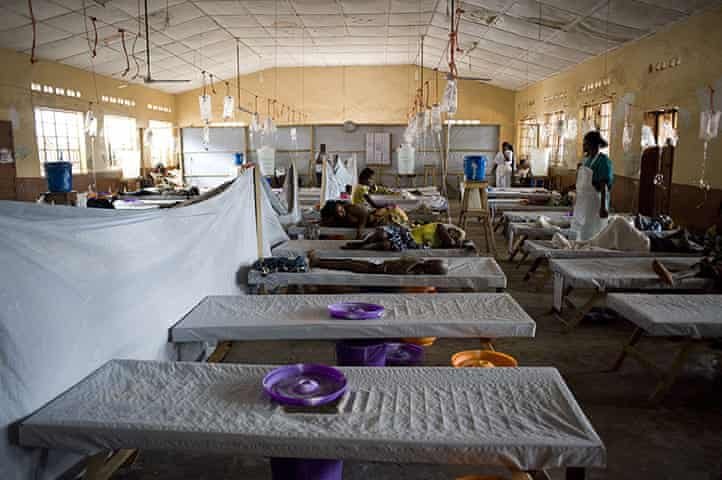
Climate change poses a threat to the major factors involved in human development in Africa such as health, education, water and food security. Diseases that are related to climate like malaria, cholera and heat-related illnesses are on the increase because of increasing temperature and flooding. Millions of people, women and children being among them, suffer as a result of water shortage and pollution as they have to walk long distances to find clean water.
The role of adaptation is very important in protecting the development of the human being. Adaptation strategies that will make people less vulnerable would include strengthening health systems, enhancing access to clean water, and investing in sanitation infrastructure. As an example, the waterborne diseases spread during flooding can be minimized through a better water management system.
Adaptation also has its advantages in education systems. Communities that are well buffered against climate shocks experience less population in schools, instead of being sent off to work or migrate. Adaptation therefore contributes to development purposes other than climate resilience.
Inadequate Financial and Institutional Capacity.
In a large number of African nations, financial and institutional constraints are being severe, which restricts the capacity of mitigation strategies at the large scale. Infrastructure related to renewable energy, developed technologies and carbon capture systems can also be very costly to initiate and take technical skills that developing nations might not possess.
Though they still need to be financed, adaptation strategies tend to be cheaper, locally based, and situation-specific. Adaptation projects can be done in the community, like mangrove restoration, rainwater harvesting, and local early warning systems, with comparatively less resources and with immediate benefits.
In addition, adaptation enhances the local institutions and governance through facilitating community involvement and local knowledge. This grassroots solution will help the communities to face climate-related challenges with resilience.
Ethical and Climate Justice.
Climate justice is also the basis of the argument of adaptation as the priority in Africa. The idea ofclimate justice focuses on equity in dealing with climate change, and this is because individuals who contribute least to the issue are usually the most adversely affected by the practice.
The historical experience of industrialized countries has been a gainful development of fossil fuel, and the African nations are now taking the toll on climate-related catastrophes. Adaptation in this regard is a moral requirement. Helping to adapt Africa is not an act of charity but an accountability effort of the past.
This need is increasingly being realized in international climate finance mechanisms. Nevertheless, adaptation funding continues to have less attention compared to mitigation funding. This imbalance should be tackled to make global climate action equitable.
Mitigation Does Not Rule out Adaptation.
The fact that some might argue that adaptation is more important to Africa does not imply that mitigation should be overlooked. African nations are able and willing to engage in low-carbon development paths, including renewable energy and sustainable land use development. Such activities can promote mitigation cases in the world as well as development.
Though, priority should be adaptation-first particularly in short to medium term. Unless there is adaptation, climate impacts can destroy any development gains and spread poverty, thus making mitigation efforts even harder to maintain.
The best solution is an interdisciplinary approach that incorporates adaptation with proper mitigation strategies, although, due to the vulnerability of Africa and the development part of Africa, adaptation should be the most important.
Proposed Solutions.
- Africa requires effective policy on climate, which should concentrate on:
2. Enhancing climate-resilient infrastructures.
3. Embracing climate-smart agriculture.
4. Enhancement of water and sanitation.
5. Improving disaster preparedness and early warning.
6. Incorporating climate management in national development strategies.
These policies are aimed at making sure that climate action is in line with poverty reduction, economic growth, and social well-being. Adaptation-oriented policies also facilitate resilience in the long run through equipping the societies to address climate uncertainty.
Conclusion
Climate change has threatened the development and human security of Africa. In as much as climate mitigation is necessary at the world level, climate adaptation is more important in Africa and other developing nations due to their low contribution to world emission, great susceptibility, low mitigation potential, and overriding emphasis on risking lives and livelihoods.
Adaptation can provide solutions to the existing climate effects which are immediate, local, and practical and can facilitate the development needs. It works in line with the concept of climate justice and acknowledges the realities of vulnerable populations. In the case of Africa, it is not a matter of choice but a matter of necessity to focus on adaptation.
Adaptation oriented solutions offer a way forward to resilience, sustainability and dignity to millions of people in the continent as the climate risks continue to rise.


 Jonathan Tarnue Payne
 Precious Douglas Maulana
 Eslam Mohamed Elsheikh
 Lutfi Nurachma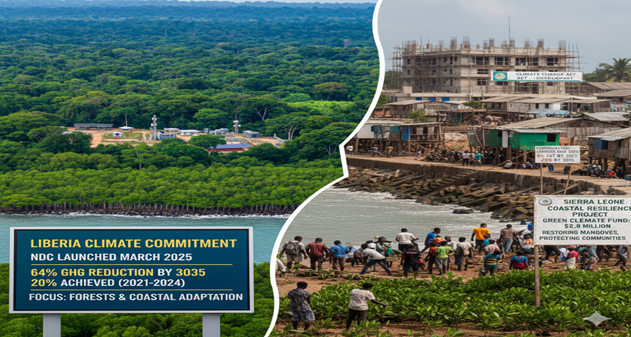
 David R.K Brown
 Asef Jafari
Nền tảng 888slot app không chỉ là nơi cung cấp dịch vụ cá cược mà còn là điểm đến lý tưởng để giải trí và kiếm thưởng. Với giao diện thân thiện, hệ thống bảo mật tiên tiến và dịch vụ hỗ trợ 24/7, đảm bảo mang lại trải nghiệm mượt mà, an toàn và công bằng. Để bắt đầu, trang web chính thức, nơi cung cấp đầy đủ các dịch vụ và thông tin cần thiết. TONY02-11O