
Introduction
The country of Afghanistan is experiencing an existential public health crisis that is caused by the climate change but the calamity has very little international coverage despite the fact that it is the worst disaster ever caused by climatic change. The country is also a leading climate-prone state in the world, yet the country only contributes about 0.06-0.08 percent of the global greenhouse gas emissions. This great inequality highlights a paradox in the world climate regulation: the most severe health effects of climate change are imposed on the least developed, the least geographically responsible nations. Lack of water, spread of diseases, malnutrition and disasters due to climate have changed the human health in Afghanistan into a humanitarian crisis that requires a serious concern of the world.
The Water Crisis: Groundbreaking of the Public Health Collapse.
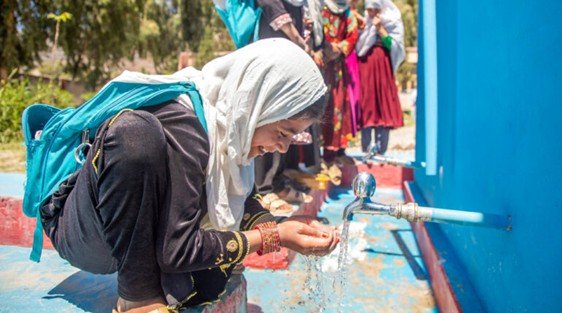
The main cause of the public health emergency in Afghanistan is the water crisis in the country. With the 2025 report by UNICEF, it is noted that 8 out of every 10 Afghans (80 per cent) are now dependent on polluted or unsafe water sources, which exposes them to general vulnerability to waterborne diseases. This is a devastating issue of poor access to public health, with 60 percent of the entire population and more than 70 percent of the rural citizens having no access to safe drinking water.
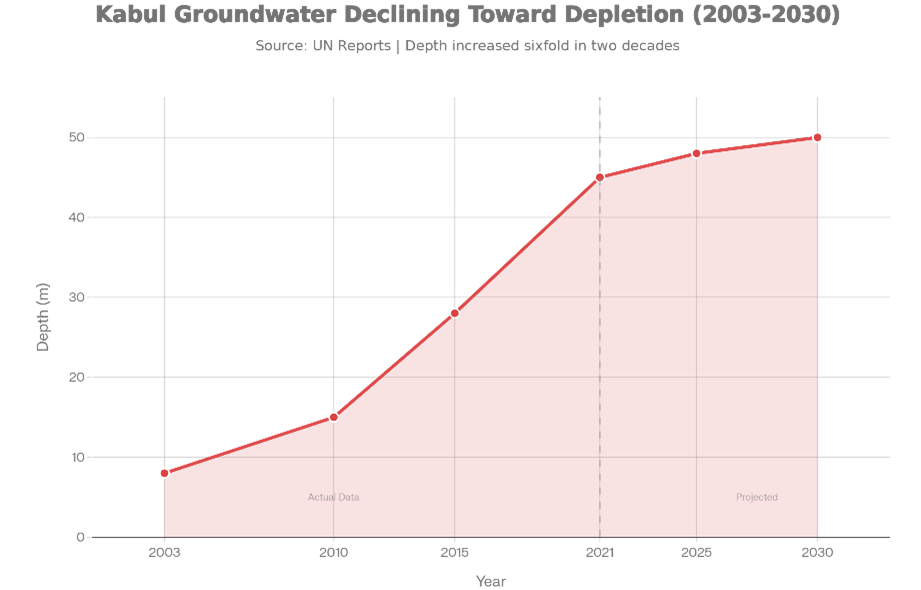
The case of Kabul is the one that illustrates this crisis with a sense of urgency. The groundwater table of the capital has died down as at 2021 to 45 meters below the surface, which is 37 meters, equivalent to 20 meters or 37 meters in just 20 years. An early projection indicates that Kabul may eventually run dry by 2030 due to a lack of groundwater as a source of drinking water even with an estimated population of 7 million residents. At present, almost half of the boreholes in Kabul is already dry, and 80 percent of the remaining ground water is sewage-contaminated, has arsenic and salinity and contains dangerous and toxic chemicals that exceptionally compound disease risks, especially in children and the elderly.
The crisis is not limited to Kabul but the whole country. Water flow in Afghanistan used to be seasonal based on mountain ranges melting snow and supplying major rivers. Nonetheless, climate change is interfering with these important patterns of snowfall and communities are turning towards groundwater aquifers, which are quickly diminishing. In the past years, the depth of the wells drilled went down 200 meters, but they now go dry and people have to dig wells 300 meters or deeper, which is an unsustainable trend with a certain limit.
The Epidemic of the Silent.
The crisis of contaminated water produces disease outbreaks directly. WHO approximates that half of the malnutrition in the world causes repetitive diarrhea or intestinal worms caused by unsafe water and inadequate sanitation. Unsafe drinking water in Afghanistan is one of the major causes of chronic diarrheal diseases especially among children below five years of age. Since 2025, the number of cases of water-related diseases has been on the increase as reported by health facilities, with cholera and acute diarrhea becoming more widespread in rural places which use untreated surface water.
In some of the provinces such as Saripul where people rely on salty water that cannot be drunk, medical practitioners record that individuals go to medical centers just to drink clean water. This is how health care should be inverted, wherein the main provision of service is water and not disease treatment, an example of how the entire system of public health infrastructure fails under the pressure of climate change.
The Underlying Crisis of Malnutrition
Malnutrition is caused directly by water scarcity in a number of ways. First, unsafe water leads to diarrheal diseases which inhibit absorption of the nutrients. Second, women and children use hours in a day collecting dirty water rather than engaging in more productive work or food preparation. Third, loss of agricultural productivity due to depletion of ground water eradicates food security to the rural people who rely on farming and livestock.
The numbers are mind-boggling: over 3.2 million children, as well as 840,000 expectant and lactating women are affected by malnutrition, and over 220,000 infants and toddlers are receiving treatment in UNICEF due to Severe Acute Malnutrition. The third highest in childhood chronic malnutrition in the world is Afghanistan. The near-entirety (80 percent) of rained winter-grown wheat crops in parts of the country falling out in the 2024 drought has made families short of winter food supplies leaving one-third of the population of Afghanistan in the food-insecurity crisis category during the 2025-2026 lean period.
Health Effects of Temperate Changes
Other than water and food security, extreme temperature conditions, which have direct health impacts, are caused by climate change. The average annual temperature in Afghanistan has risen by 1.8C which is almost two times the global average. Areas that were considered to have a cooler climate have temperatures that are over 35degC during the months of June to August, a trend that has never been witnessed in the recent past. In contrast, in certain central areas, it gets very cold during winter below -35C which kills hundreds of people and causes freezing of thousands of cattle.
Such heats and low temperatures intensify respiratory and cardiovascular illnesses, especially among the already poor or diseased children, old people, and waterborne diseases. Climate changes due to heat also lower agricultural productivity and enhance the risk of dehydration especially to communities that are already afflicted by water shortage.
Floods and Earthquakes
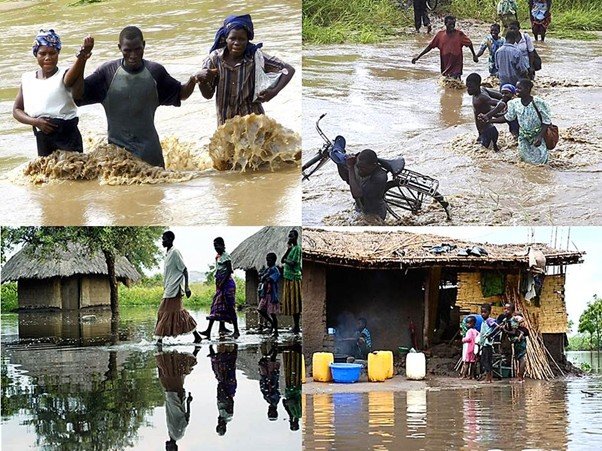
Cascading climate and geological disasters are common in Afghanistan, which overwhelmed already-collapsed health systems. As of May 2025, more than 250 individuals have died due to flash floods in northern and eastern Afghanistan, and almost 120,000 individuals were affected. Droughts are followed by flash floods that wipe out the infrastructure left behind, further pollute water sources, and result in injuries and the spread of diseases among the displaced populations.
Humanitarian crisis has been aggravated by the 2025 earthquakes in the western, northern and eastern provinces, which included a 6.0 magnitude earthquake that took place on August 31 that destroyed water infrastructure and health facilities. Such overlapping climate disasters cause cascading failures in which responses to disasters cannot be made and chances of recovery are limited.
The Economic Collapse and the Health Inequality
Water scarcity results in disastrous inequality because of its economic cost. This has increased household consumption of water 20-50 AFN/20-liter container (0.30-0.70) and the household would be spending up to 30 percent of their income on water alone. To the poorest citizens, which are majority of Afghans living in poverty, 23.7 million people (more than half a population) in need of humanitarian aid, it poses impossible options of water, food, medicine, and education.
Women and children suffer the most as they take hours a day to get water as opposed to going to school or engaging in economic activities. This gendered effect has secondary health effects in lost education, diminished economic potential, and more susceptibility to malnutrition and sickness.
Systemic Failure and Governance Collapse
The systemic failure of infrastructure and governance collapse enhance the effects of climate-induced public health crisis in Afghanistan. Conflict over decades has resulted in water infrastructure being in a very poor state with older systems such as the Karez-underground canal networks centuries old becoming crumbly. This has worsened in 2021 with the Taliban conquest that has resulted in decreased international investment, brain-drain of technical competence, and lack of an all-encompassing national strategy on water.
The Ministry of Energy and Water has a limited operational capacity, but with the available resources, it does not have the infrastructure to maintain, expand, or respond to the emergency at the scale of the crisis. The failure of the traditional development processes with the Taliban re-established in power has rendered the majority of the international water projects dead without coming up with an alternative.
Conclusion
The public health crisis hosted in Afghanistan as a result of the climate change is one of the crises with the most severe humanitarian consequences in the world, but with little resource allocation and international focus. A country that makes a contribution below 0.1 per cent of world emissions is experiencing health effects worthy of a large emitter. More than 80 percent of citizens consume polluted water. More than 3 million children experience acute malnutrition. There is food insecurity caused by climate to millions. The number of people killed in disasters related to climate in 2025 alone has reached thousands.
The crisis needs a drastic response: immense climate funding specifically towards water infrastructure and population health response, aid towards adaptation and disaster preparedness, international financing of health service delivery and, most fundamentally, the acknowledgement of the fact that Afghan population health is a global concern. As long as the international community spends resources in relation to the vulnerability of Afghanistan and offers climate finance that is sufficient to handle this crisis, millions of Afghans will keep dying of preventable, climate-induced diseases but the highest emitters in the world will not be held to account.

 Jonathan Tarnue Payne
 Precious Douglas Maulana
 Eslam Mohamed Elsheikh
 Lutfi Nurachma
 David R.K Brown
  Asef Jafari
Alright folks, gotta say I’m giving 3luckyblue a shot. So far, so good! Seems like a solid option for a quick game. Give it a look here: 3luckyblue
Gà chọi c1… yeah, still cockfighting. Different search term, same place. Definitely a niche thing. Dive in at your own risk. See for yourself: gà chọi c1