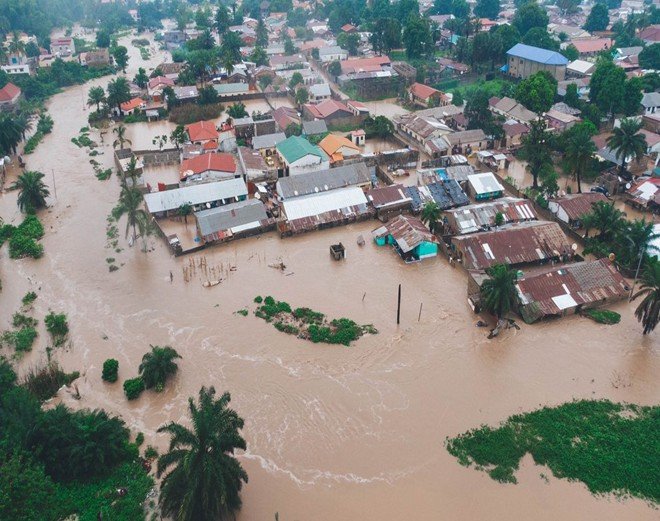

The Economic Community of West African States (ECOWAS) region is generally considered one of the most climate-vulnerable regions in the world, with The Gambia being a nation with imbalanced effects given the fact that it contributes least to the global greenhouse gas emissions. The vulnerability of the region arises due to a high reliance on climate-sensitive activities that include rain-fed agriculture, fisheries, and pastoralism, coupled with a high rate of population increase, especially in the urban centers, environmental degradation, and low adaptive capacity. In the case of The Gambia, the combination of these structural constraints and the country’s small land mass, crumbly coastlines, ecology, and increasing socio-economic strains means that climate change is not only an issue of environmental concern, but rather a dramatic development challenge that is right in front of our eyes.
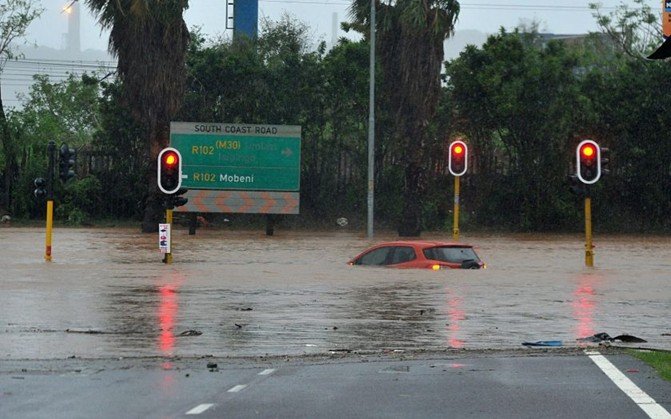
The Gambia’s climate change includes rising temperatures, unpredictable rainfall distribution, aggravated floods, erosion of riverbanks, and rising sea level along the Atlantic coastline. These are dangers that directly affect communities whose livelihood depends greatly on natural resources. The Gambia’s economy is largely dependent on agriculture, like most of the ECOWAS countries; over 70 percent of the population relies on agriculture, which is rain-fed and therefore prone to climate change. Delays in rainfall occurrences, reduction in the length of growing seasons, and increased dry spells have also led to low crop yields and food insecurity. These patterns are reflections of the regional circumstances in ECOWAS, where agricultural losses by climate risks are likely to turn the development gains back and worsen rural poverty, according to the World Bank (2022).
Economic Vulnerability
One of the features of the climate risk situation of The Gambia is coastal vulnerability. The country is located in an area surrounded by the Gambia River estuary, which has large areas of low-lying coastal land that are most susceptible to sea-level rise and storm surges, as well as saline intrusion. Coastal erosion has been seen on a grand scale in major tourism destinations including Kololi, Kotu, and the Senegambia area, endangering essential infrastructure, as well as lowering the financial feasibility of one of the largest sectors of foreign-exchange revenue in the country. This is in line with wider ECOWAS coastal states, e.g., Senegal, Sierra Leone, and Cape Verde, which experience a serious challenge of coastal erosion in the region. In The Gambia, the extent of the loss is magnified by the fact that the urban, economic, and ecological resources are concentrated in a slender strip of coastal land.
Social, Human, and Environmental Vulnerability
Another area of extreme vulnerability is the water resources. The River Gambia is the major source of freshwater in the country, and its flow regime is vulnerable to the climate fluctuation in Guinea and Senegal, where most of the river is formed. The decrease in upstream rainfall, the growing rate of evaporation, and the alteration of the saltwater into the irrigation areas pose a threat to the availability of drinking water, as well as agricultural output in the irrigation areas. This regional interdependence is a reflection of the transnational issues in river basins like the Niger, Senegal, and Volta, where collective water resources are undergoing ecological stress. In the case of The Gambia, water insecurity also affects food production, health of the population, hydropower opportunities, and community resilience, and water governance becomes a major aspect of climate adaptation.
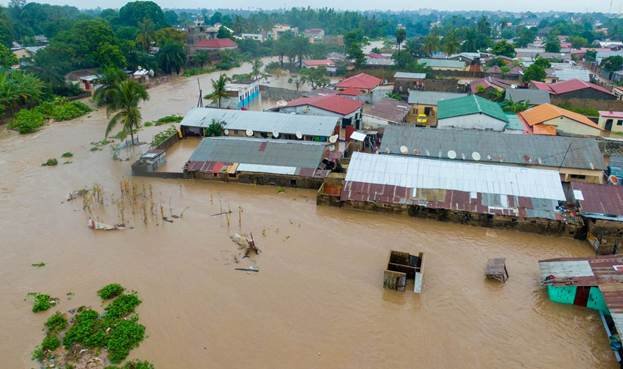
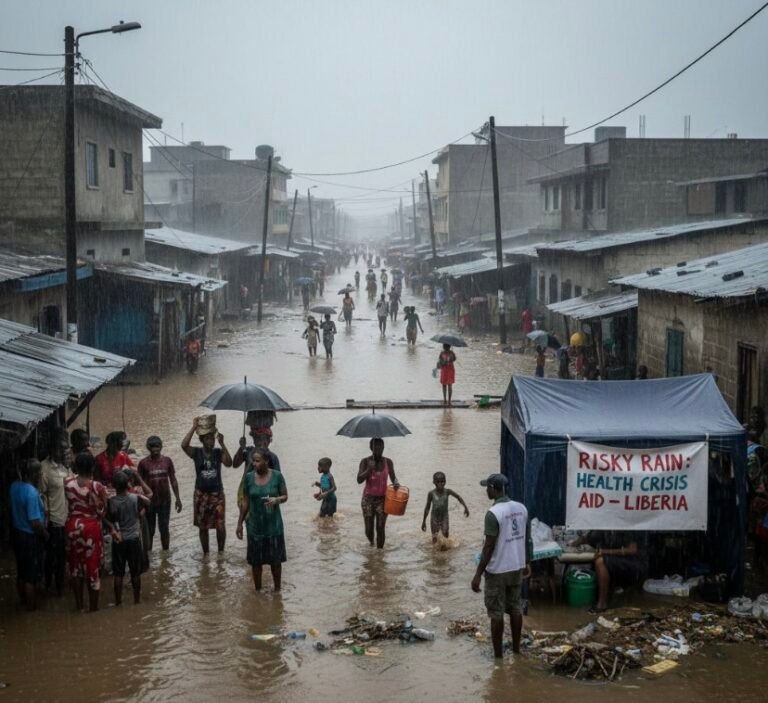
There is also the continued exposure of public health risks with the change in rainfall and temperature conditions through diseases, which are climate sensitive, like malaria, cholera, diarrheal infections, among others. Flooding in the Gambia regularly causes pollution of water and wells and worsens the epidemic of diseases in urban areas such as Ebo Town, Bundung Borehole, and Tallinding Farokono. Climate-related health risks are found to have disproportionate impacts on children, women, and low-income earners across ECOWAS countries, and The Gambia is no exception, as it is characterized by robust urbanization and inadequate health infrastructure.
The other component of climate impact is migration and displacement. Internal rural-urban migration is slowly occurring due to flooding, coastal erosion, and the reduction of agricultural activities. Migration of youth is already a complicated socio-economic problem in The Gambia, and climate-related disturbances to the livelihoods only increase it. Even though climate change is not the main reason behind migration, its impact overlaps with unemployment, population stress, and regional imbalance. This has been the case with ECOWAS countries, as climate change is becoming a source of mobility trends in the Sahel and coastal regions.
Political Vulnerability
The past few years have been characterized by increased political will, but it has not yet overcome climate governance. Lack of community-level participation, inadequate data systems, and fragmentation of ministries and institutions usually slow down the adaptation initiatives. These institutional shortcomings are common across many ECOWAS states, which is a feature of how the region is in need of greater coherence in its policies, a more unified regional planning and investment strategies. In the case of The Gambia, the gap in governance is something that needs to be examined to transform the formulation of climate policies into actual and efficient resilience development on the ground.
Progress Made
Despite these weaknesses, both ECOWAS and the Gambia have taken steps to develop policy frameworks and institutional arrangements to address climate change. ECOWAS has established policies on climate resilience, renewable energy, early warning, and Disaster Risk Reduction in the region. The Gambia has within its Nationally Determined Contributions (NDCs) also achieved a lot. However, a disparity between the policy and implementation is still a broad area mainly due to financial limitations, lack of technological capacity, and inadequate institutional coordination.
Way Forward
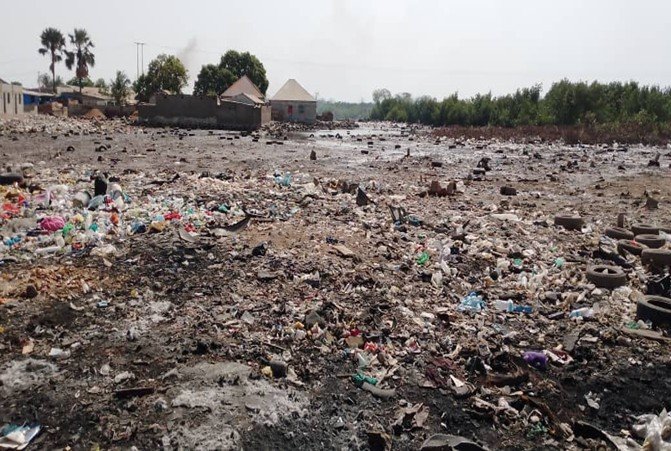
To proceed, a multidimensional strategy is required, with the participation of national forces, regional collaboration, and international cooperation. The first area to start building up capacity to adapt to the adverse effects of climate change should be enhancing agricultural resilience by planting drought-resistant crops, and the use of drought-resistant technology, and sustainable use of land. Risks to infrastructure, tourism, and fisheries from coastal erosion can be minimized by improving coastal protection through the restoration of mangrove swamps, the construction of sea walls on high-risk coastlines, and integrated coastal zone management. Investments in renewable energy are essential as well, since the potential of solar energy in the region is enormous, and the cost of imported fossil fuel is high. The solar systems can be decentralized in order to boost energy access, curb emissions, and increase green economic opportunity.
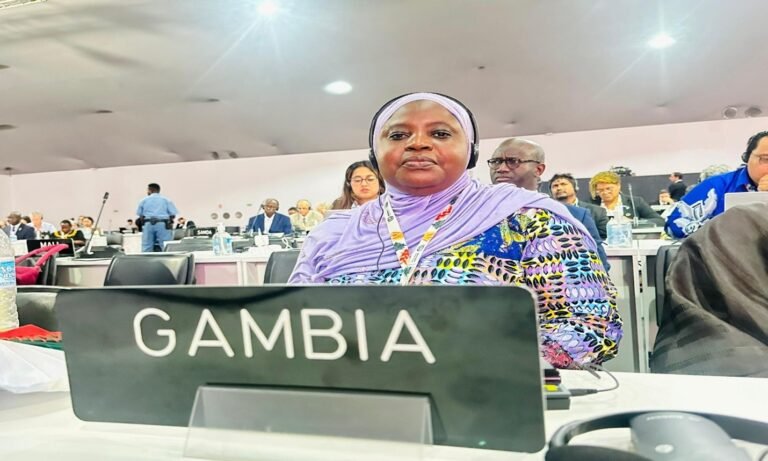
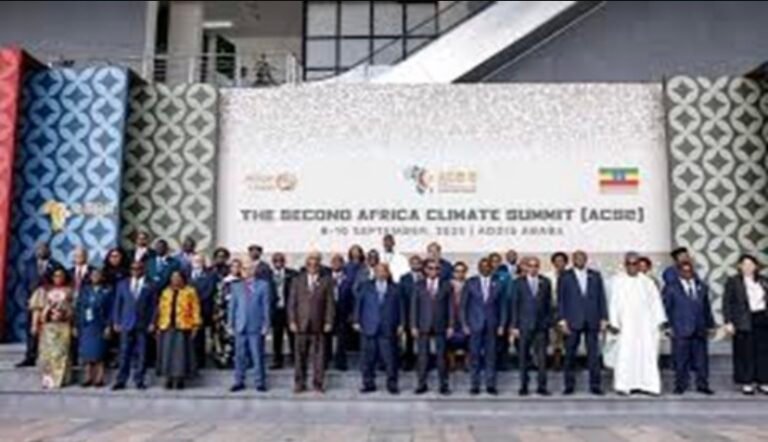
The Gambia can benefit at the institutional level by improving climate data systems, training technical personnel, information sharing, and making the interaction between government, civil society, and local communities more coordinated. At the Regional bloc level, the Gambia can have access to knowledge and resources that are beyond national ability through regional ECOWAS cooperation in early warning systems, transboundary water management, and common research institutions. Notably, Climate financing is one of the key issues; consequently, it is paramount to enhance the ability of the country to plan, execute, and control the large-scale climate projects so as to draw the attention of international donors in the long term.
Conclusion
In conclusion, the resilience of Gambia’s climate will hinged in getting climate consideration into every area in the national development plan. The country has been one of the most climate-prone ECOWAS member states, and its experience can be followed in the framework of the broad regional issues, as well as a guide about how to adjust to the coast, community-based resilience, and sustainable development. It is a high-stakes but also an equally big opportunity for a transformational intervention in the case of national, regional, and global actors working together to bring a climate-resilient future to the Gambia and the entire ECOWAS region.


 Jonathan Tarnue Payne
 Precious Douglas Maulana
 Eslam Mohamed Elsheikh
 Lutfi Nurachma
 David R.K Brown
 Asef Jafari
It is really a great and useful piece of info. I’m satisfied that you just shared
this useful information with us. Please stay us informed like this.
Thanks for sharing.
Shahspingame is my new addiction! Seriously, the graphics are awesome, and the gameplay is super engaging. Highly recommend giving it a whirl! Shahspin shahspingame
Just signed up with Superjili and the registration process was smooth as butter. I am going to play there now. See you there! Register at superjili
Superph2 is a solid option. Found some decent games here and things seem pretty straightforward. Worth a look if you’re hunting for new spots to try. Check it out: superph2