
The Cities are Prone to Climate Change, and We should Use Climate Action Now
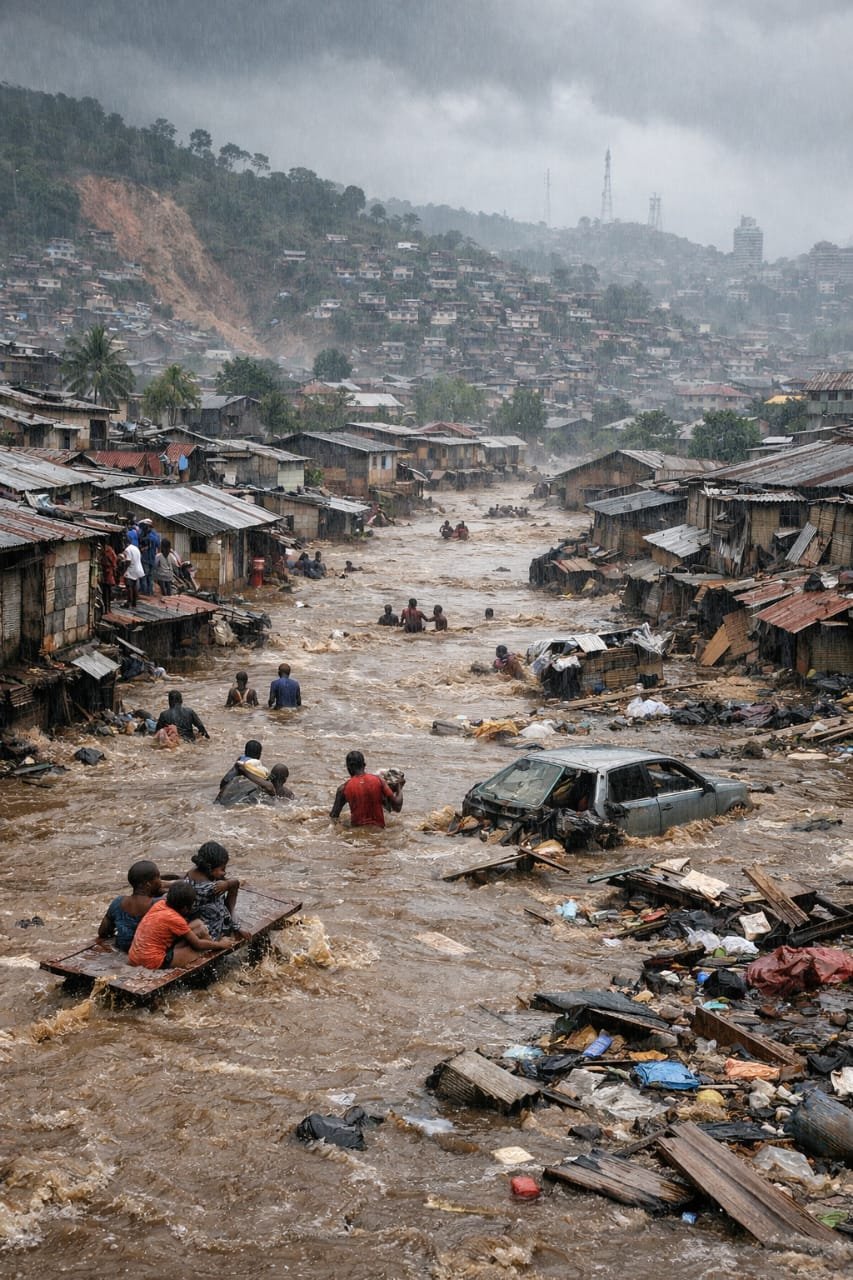
In Sierra Leone, flooding has been made one of the most devastating and common climatic related disasters. The past few years have been characterized by intense and prolonged rainfall that has led to massive flooding in urban and rural regions displacing thousands of people, destroying homes and infrastructure, and further exposing the social and economic vulnerabilities. These floods cease being mere isolated natural events; it is a clear manifestation of climate change in contact with weak infrastructure, high rates of urbanization, environmental degradation, and inequality. The case of Sierra Leone explains how climate change has been redefining dangers in nations that contribute least to the emission of greenhouse gases, but are disproportionately affected by the consequences.
The recent statistics indicate the magnitude of the crisis. The National Disaster Management Agency (NDMA) reported that the 2024 rainy season caused floods that impacted 23,596 individuals, 3,330 homes were damaged or destroyed, and 167 structures, including schools and medical centers were affected. Moreover, around 7,324 hectares of agricultural land were flooded around the country. In 2025, over 11,080 individuals were impacted by further flooding, and it displaced people to the tune of 4,000 people and damaged at least 2,216 households in multiple districts. These statistics indicate that Sierra Leone is a frequent, widespread and more severe flooding region.
Freetown Urban Landscape in Danger.
The epicenter of flood crisis in Sierra Leone is Freetown. The geography of the city is such that it is in between steep hills and the Atlantic Ocean, which is a natural predisposition to flooding and landslides. Climate change has made this susceptibility more pronounced by enhancing the frequency and severity of extreme rainfall, which dumps the drainage systems and the hillsides.
The last floods have seriously affected the significantly populated, low land communities like, Kroo Bay, Susan`s Bay, Dworzark and some areas in the eastern and central part of the city of Freetown. The floods burst into houses at night and devastating property and displacing people. The soils on the hills became saturated leading to the landslides that endangered lives and in other instances erased whole families. There has been recurrent flooding in informal settlements such as Culvert, thereby displacing thousands of people during intense rainfall.
The excessive growth in urban cities has greatly amplified flood hazard. With the increase in the population of Freetown, people have settled within the wetlands , floods prone areas and as well as unstable hillsides. Such places are usually poorly drained; they do not have paved roads and strong houses. Within a short time, runoff fills the streets in the rainy season, so the streets become rivers and the informal settlements flood basins. The change of the climate has resulted in more intense down pours as the rainy seasons are shorter. Moderate rainfall infrastructure that used to handle the seasonal inconvenience becomes not just a long-time urban crisis but also a way of life.
Food Security and Rural Flooding.
Freetown is usually given attention but the repercussions of flooding are also devastating in the rural districts like Bo, Kenema, Moyamba, Kono, Falaba and Koinadugu. During such regions, floods erode agricultural lands, damage foodstuff and even relocate whole populations. To the rural families which are almost totally dependent on rain fed agriculture, flooding is the environmental degradation and economic catastrophe.
Submergence of rice fields during the sensitive growing periods causes loss of harvests and destruction of rural roads deprives the rural areas of markets and services. Food storage facilities and farming tools are destroyed further which further postpones recovery. Such effects translate into food inadequacy and increase in food prices, which impacts rural and urban populations. Thousands of hectares of agricultural lands lost annually during the peak periods of the floods negate the food security of the country as well as add to reliance on food imports.
Internal displacement is also increased by rural flooding. When families are displaced due to flooding of villages they tend to move to towns and cities and thereby increasing pressure on already overwhelmed urban services. This rural urban connection indicates that the problem of flooding is neither a village problem nor a national problem but an interconnected social and economic problem.
Climate Change as a Risk Multiplier.
Flooding in Sierra Leone may be perceived as a climatized disaster and not a natural one. Climate change serves as a risk factor which increases the current vulnerabilities, poverty, poor infrastructure, deforestation and unplanned urbanization. Environmental degradation is also a major cause of aggravation of floods. Cleared hillsides lead to soil instability and less absorption of water leading to higher runoffs and landslides. Wetlands destruction eliminates natural flood buffers that previously acted as water absorbers.
The further increase of the sea level promotes the floods along the coasts. Low lying coastal areas have drainages that can barely perform missions during high tide thus leading to slow recession of floodwaters which destroys more. These joint forces enhance the intensity and invasion of floods in the nation.
Climatic Injustice and Inequality.
The presence of floods in Sierra Leone has shown that there are severe disparities that concern income, geography, and access to services. Weak households will be more prone to reside in flood prone areas since safer lands are not always accessible or affordable. Such communities also possess fewer resources to ready themselves to floods or to post flood recovery. Such a state of affairs is a vivid example of climate injustice: Sierra Leone has a very insignificant contribution to the total greenhouse gas emissions in the world but has an excessive number of climate effects.
The richer the neighborhood is within the city, the more advanced the drainage system, the better the housing, and the faster the recovery efforts would be. Conversely, informal settlements are prone to floods with little assistance which str it is not just an environmental problem but a social issue.
Social and Human Consequences.
Flooding effects are not only attached to physical destruction. Displacement also impacts on the social networks and livelihood since families must be taken to temporary or informal housing. The fact that shelters are overcrowded raises health risks and loss of income enhances poverty. Schools are often destroyed or turned into emergency shelters due to floods and the result is that the children miss a long time in school and in some instances never go back to school. Another problem is that displacement due to floods exposes the family to child labor and early marriage as they attempt to settle.
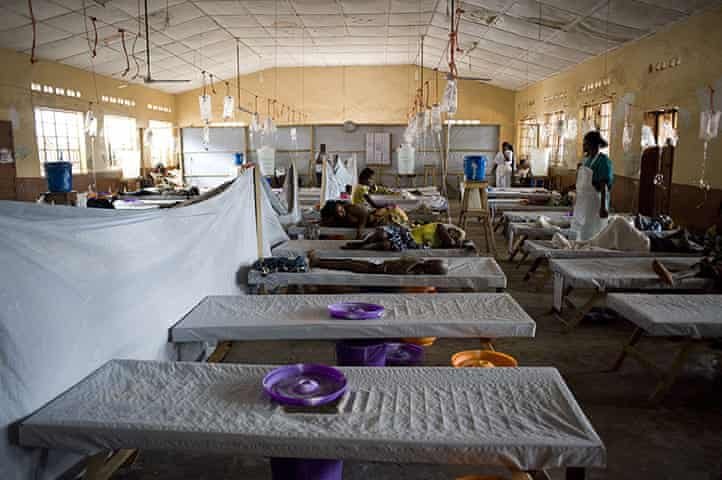
Flooding increases the risk of health during and after floods. Standing water also forms breeding areas of mosquitos and leads to the spread of malaria as well as injuries and trauma when evacuating and cleaning up. Mental effects, such as stress and anxiety, are not a priority but very bad especially on children and displaced families.
Reactions and the Way Forward.
Sierra Leone has started to react to the increasing flood threats by enhancing early warnings, environmental recovery efforts like re-forestation and mangrove restoration, and urban solutions like upgrading the drainage systems and enhancing waste management. Disaster preparedness at the community level has demonstrated potential particularly in the partnership of local expertise with technical assistance. These interventions are however limited because informal settlements are not always covered in formal planning.
The aggravating level of flooding underlines the necessity to transition to the proactive climate adaptation instead of the reactive response to disasters. Reduction in flood risk needs to be incorporated in the urban planning, housing policy, environmental management and national development strategies. They should have climate-resilient infrastructure like enhancements on drainage system, safer housing structure and safeguarded green areas. The adaptation actions ought to focus on vulnerable groups instead of supporting the prevailing disparities.
Climate finance at the international level is also essential. The Republic of Sierra Leone requires long-term assistance to establish resilience as opposed to emergency aids after disasters have hit. The funds allocated to climate adaptation have to be available, locally knowledgeable, and linked to the national priorities.
Conclusion
The flooding problem in Sierra Leone is no longer an emergency but a regular and growing crisis. Flooding is transforming the lives, livelihoods and development opportunities at informal settlements in Freetown to the rural farming communities. Through these catastrophes, climate change, degradation of the environment, and inequality intersect. The case of Sierra Leone indicates that climate change is a global issue that is unfair and one that is urgent. Flooding will keep on lying down development gains, and the most vulnerable people will be vulnerable to rising risks without an immediate and concerted effort, and long-term investment in resilience and climate justice strengthens the cycles of vulnerability and marginalization.




 Jonathan Tarnue Payne
 Precious Douglas Maulana
 Eslam Mohamed Elsheikh
 Lutfi Nurachma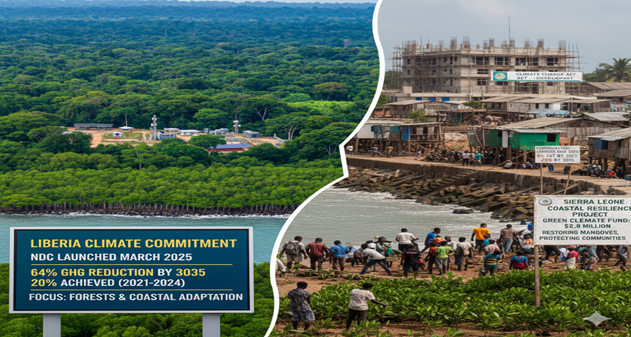
 David R.K Brown
 Asef Jafari
Alright, so I peeped gàchoi c1.com. Take a look and holler if you find anything interesting!
Heard some whispers about betgenzone. New platform maybe? Is it any good? What kind of games or features do they offer? Thinking about signing up. Check out betgenzone for yourself!
Direct access to v9bet? V9betcom claims to have it. Gonna dive in and see if it’s legit. v9betcom