

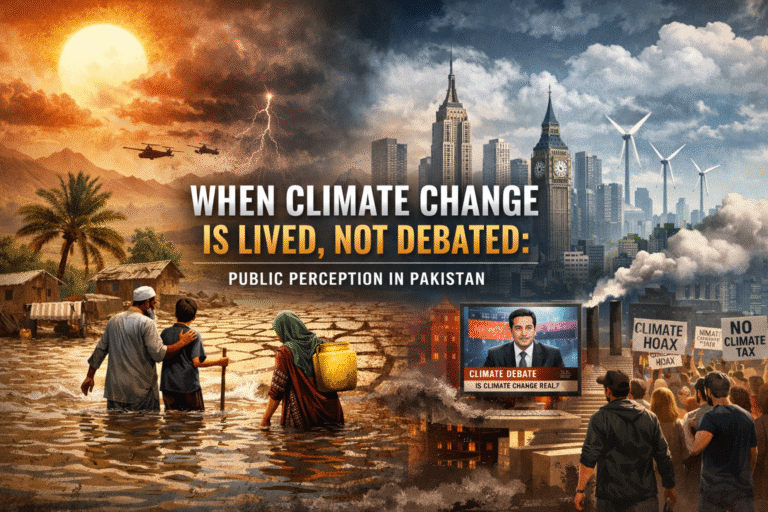
Climate change is no longer an off thing or simply a matter of the shifting pattern of weather in the context of Pakistan neither is it about melting glaciers nor polar bears a long way away but it is about hospital beds, overheated bodies, contaminated water, epidemic outbreak and anxious families asking themselves whether the next wave of flood or natural heatwave will be worse than last year and whether they will make it. The changing climate is silently and at times loudly and violently re-forming health in Pakistan, both in the streets of Karachi and the mountains of Khyber Pakhtunkhwa.
The reason Pakistan is so vulnerable.
Pakistan is a nation of crossroads between several climate threats, being a mostly arid land, relying heavily on the Indus River ecosystem, with hot and lengthy summers, delicate mountain ecologies in the North, and congested and polluted cities in the plains. Although its contribution to world emission of greenhouse gases is approximately about 1 percent, Pakistan is among the most climate vulnerable countries in the world, which experience recurring floods, heat waves, droughts, and outburst floods of glacial lakes.
Pakistan In 2010 there were massive floods in about one fifth of the country which was a warning Pakistan had to deal with disease outbreaks and serious problems such as malnutrition Since then the country has been experiencing extremes of heat flash floods and drought This demonstrates that climate change and human health are now closely interconnected.
Burning Summers: Heat That Costs Lives
Pakistani cities are facing increased heat waves that are long, hot and frequent with cities such as Karachi, Lahore and all the big cities in province Sindh and Punjab recording higher temperatures that expose the human body to its maximum capability. Very hot weather causes heat exhaustion and heatstroke, dehydration and amplify underlying heart and lung illnesses, particularly in older individuals, babies and those with chronic illnesses. Farmers, construction workers, traffic police, street vendors and security guards spend the majority of their time under the hot sun No time to rest and little shade available Is this the reason their bodies are weak, their kidneys are overworked, their heart is overworking leading to cardiovascular stress and even some even collapse. Health studies from Pakistan show that as heatwaves grow stronger more people are being taken to hospitals for heat related illnesses exacerbating cardiovascular and respiratory conditions, Poor communities and elderly people are hit the hardest
Waterborne Diseases: When Floods Poison the Water
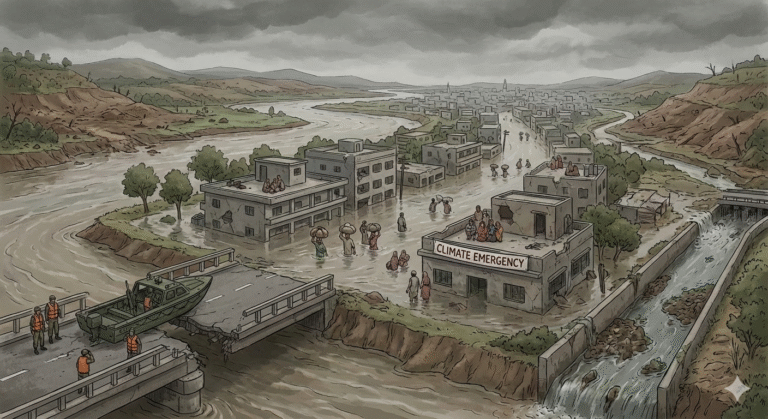
Floods and heavy rains mean not only water rising, but what the dirty water is carrying. Monsoon floods in Pakistan are a common source of sewage, agricultural farm chemicals, and industrial wastes into the drinking water sources, which create an ideal environment in which diarrhoea, cholera, typhoid, and hepatitis A and E are caused diseases in this country. Children less than five years of age are more susceptible to these diseases and the diarrhoeal diseases continue to be a major cause of illness and mortality in this age group.
It is reported that recent mega floods have had sharp peaks of diarrhoeal disease and other infections in the weeks that followed after the water has spread and this happens to overpower the already limited rural health facilities. The inadequate access to clean drinking water and sanitation in most areas of Pakistan particularly in informal urban settlements and in remote country regions implies that every flood season is capable of reversing decades of child health and nutrition advances.
The Mosquito Born Diseases: the Dengue, malaria, and the new frontiers.
Changes in the timing and location of dangerous diseases spread are also caused by climate changes. Rising temperatures strange rainfall and standing water left after floods create perfect places for mosquitoes to grow These mosquitoes spread diseases like dengue malaria and chikungunya Pakistan already reports more than 2 million malaria cases every year and health experts and the World Health Organization warn that climate change is making this problem worse
New studies from Khyber Pakhtunkhwa show that warmer temperatures are allowing mosquitoes and even sandflies that spread diseases like leishmaniasis to move into higher mountain areas where these diseases were rare before This means places that once felt safe are now at risk One climate and health study predicts that if Pakistan does not adapt properly malaria and dengue cases could rise by 30 to 40 percent by 2050 At the same time waterborne and diarrhoeal diseases could increase by 10 to 20 percent This shows how climate change is slowly expanding disease into new areas and putting more people in danger if adaptation remains weak.
Air Pollution and Breathing in a Warmer World
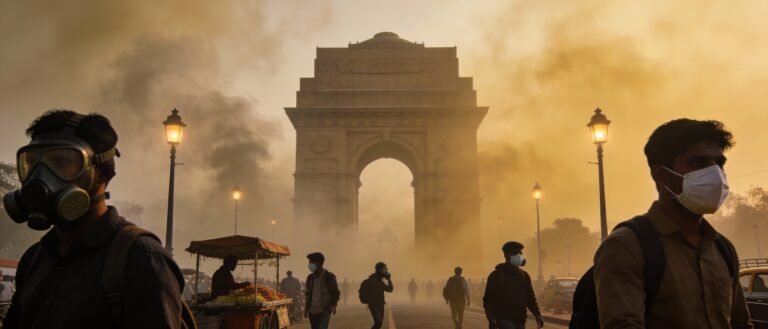
Pakistan’s major cities like Lahore, Karachi, Peshawar, Islamabad regularly record Tiny pollutionv particles called (PM2.5) levels many times higher than WHO’s recommended limits, driven by vehicle emissions, industry, brick kilns, crop burning, and dust. The climate change may enhance this air pollution by hot air being trapped by cities over the cities preventing any further pollution clearing and leading to more dust storms which trap the pollutants closer to the ground and contribute to smog lingering in the air several days.
This harmful air worsens asthma, COPD, bronchitis and cardiovascular disease and is also associated with the additional hospitalizations and early death, especially in children and the elderly. Co exposure to hot weather and contaminated air could appear to further over-stress hearts and lungs particularly in poor-quality neighbourhoods with high population density and less access to healthcare as heatwaves escalate.
Food, Nutrition, and the gradual Slow Emergency of Hunger.
In Pakistan, the food systems were hit by climatic shocks. Floods carry away and destroy crops and livestock, droughts reduce harvest and supply of water, and Heat waves make survival more difficult, also works on wheat, rice and other staples upon which millions are in need. The Indus River system relies on melting glaciers also known as irrigation system, which sustains most of the agriculture in Pakistan, is in turn threatened by the increased glacial melt and altered river courses, providing long term uncertainty to food production.
These shocks feed into already serious nutrition problems. An analysis referred to by the UN documents that approximately 44 percent of Pakistani children experience retarded growth, part of which is influenced by food insecurity and poverty which are directly associated with the climate variability. The 2022 floods showed a sharp increase in severe and moderate acute malnutrition levels among children in the affected areas and is a good example of how every large climate disaster can cause a wave of hunger and disease, and developmental damage.
Mental Health Invisible Wounds of a Changing Climate.
Climate change is not just injurious of the body, climate change is a mental health crisis. Those families who lose their houses, land, or even relatives during floods or heat waves must experience long periods of anxiety, grief, and doubt about the future. Trauma may also be compounded by displacement several times within a few years, a factor that may result in disruption or disruption of social networks, and heightens the risks of depression and stress related disorders particularly in women, children and the elderly who have limited support systems.
Recent human rights and health reports from Pakistan talk about many invisible deaths and silent suffering This includes elderly people and children who die at home or in weak health facilities and are never properly counted Many more people survive but live with long lasting emotional pain Sadly mental health services in Pakistan are very limited and mental illness is still seen as shameful especially in rural and disaster affected areas Because of this the mental wounds caused by climate disasters are often ignored and left untreated.
Public Health Emergency
When we look at everything together heat floods disease dirty air hunger and trauma it becomes clear that climate change is not a future problem for Pakistan It is already a public health emergency happening right now. Experts in Pakistan and around the world warn that if the country does not improve adaptation and fix its health system climate disasters will overwhelm hospitals and clinics Inequality will grow and children will suffer the most becoming the centre of a serious health crisis
Pakistan own climate and health studies show that climate change makes existing problems much worse. The existing health care is already underfunded Disease tracking is feeble, Three quarters of areas are still deprived of clean water and decent sanitation, Roads Well-worn hospitals and houses in flood- and drought-prone areas are flimsy. Climate change increases all these risks making any major health problem more difficult to manage.In simple words climate change makes all the health challenges Pakistan already has even more dangerous.
What Needs to Happen: From Climate Talk to Healthy Lives
Health systems should be better prepared to address the most heat floods and droughts prone areas Clinics and hospitals should be able to continue working during a heatwave and a flood Climate risks must be incorporated in health planning and government budgets to ensure that the system is ready before a disaster occurs.
Early warning systems also need to improve Weather forecasts should be directly linked to action on the ground During heatwaves this could mean cooling centers shorter working hours and public alerts Before floods medical supplies should be placed in advance Mosquito control should start early before dengue and malaria seasons get worse This can save many lives
Clean water and sanitation are also critical Pakistan must expand climate resistant water sanitation and hygiene systems so that floods and droughts do not immediately lead to disease outbreaks Strong disease tracking systems are needed to monitor waterborne mosquito borne and breathing related illnesses These systems should include children older people and poor communities who are often missed in official data
Social protection is equally important When food prices are inflated following a disaster vulnerable families need to receive support Nutrition programs and climate responsive safety nets can be a way to prevent hunger and safeguard health of children Mental health should not be neglected Basic emotional and psychological support should play a role in disaster response and frequent health care provision particularly in regions subjected to frequent climate shock.
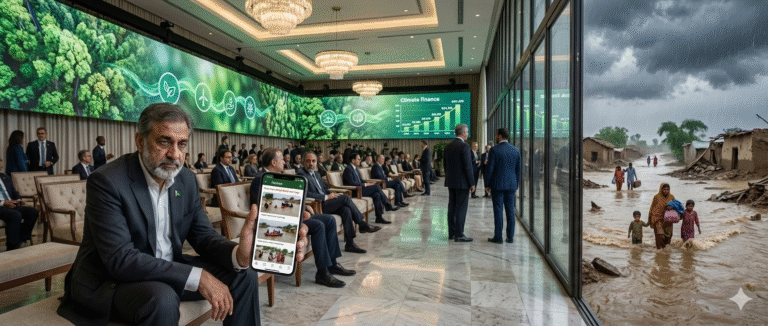
Finally climate justice is essential Pakistan did very little to cause climate change but suffers greatly from its effects It should not be expected to pay for everything alone International climate finance especially grants for adaptation and health is necessary Without global support Pakistan will remain stuck in crisis after crisis instead of building real strength and resilience for its people.



 Jonathan Tarnue Payne
 Precious Douglas Maulana
 Eslam Mohamed Elsheikh
 Lutfi Nurachma
 David R.K Brown
 Asef Jafari
I’ve been checking 92pkr1 lately, seems like they’re having a lot of good offers and deals. Haven’t won big yet, but I’m having some fun, so no complaints from me. Get your game on at 92pkr1
I’m on the hunt for a killer sicbo online experience! If sicbogames.com has what I’m looking for, then I’m stay. You can find it by going here sicbo online.