
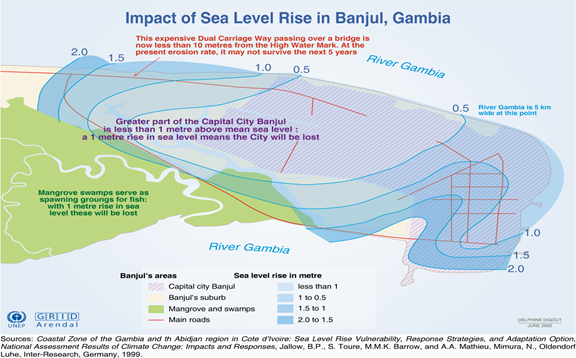
The Gambia is a low-lying country with over 48% of the total land area below 20 m above mean sea level and nearly one-third of the country, at or below 10 m above mean sea level (Duguma et al., 2020). It is one of the most vulnerable countries to the negative effects of climate change and variability within the sub region and around the globe, despite its minimal share of global GHG emissions which is estimated to be at 0.01%. Its vulnerability is on account of its location and geography with large areas of the country exposed to windstorms, droughts, floods, soil erosion and saltwater intrusion.
Key Challenges Due to Climate Change Issue Includes
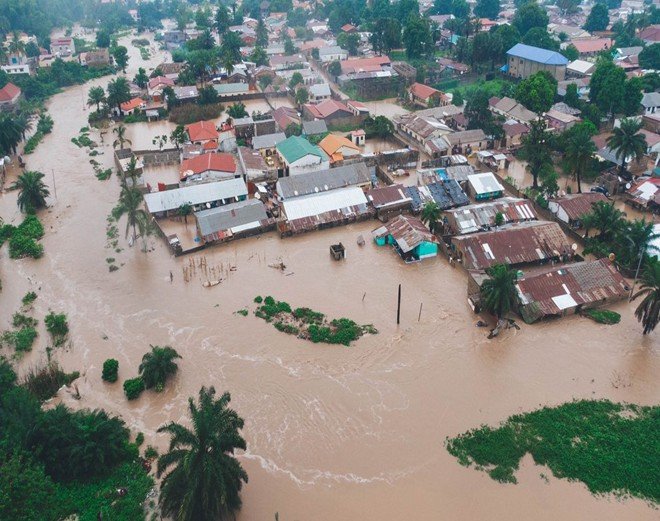
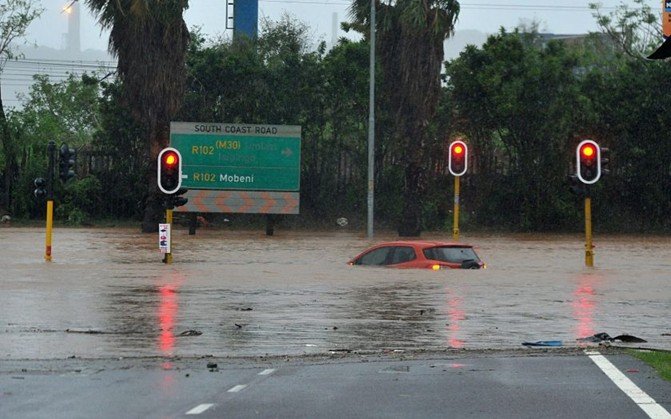
- Floods and Drought: The Gambia is highly prone to disasters, particularly floods. Climate change driven global warming is increasing sea and river levels. Desertification and drought in The Gambia’s peripheral regions is driving displacement towards the low lying urban areas of Greater Banjul. Unregulated settlement is taking place in flood prone areas and encroaching on canals and drainage systems. Thus, increasing the size of populations in vulnerable areas. The most recent impact happened in the 2025 rainy season, when the entire country expected the rains to be over by the second week of October. Suddenly, an unexpected heavy downpour occurred on November 8, 2025, across so many regions within the country and has caused damages to some communities.
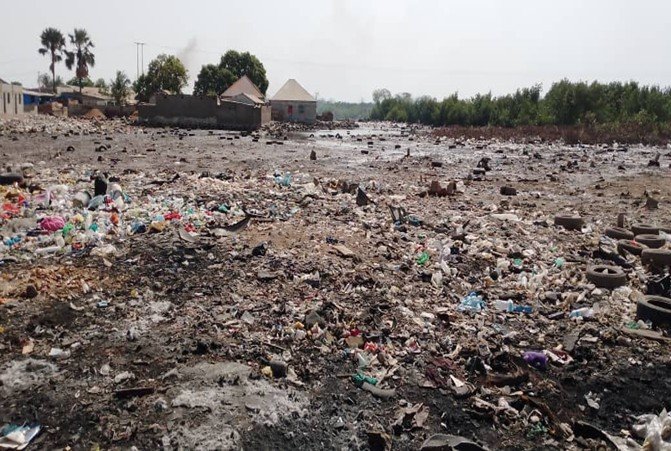
- Insufficient infrastructure and drainage render both urban and rural populations vulnerable. Insufficient waste management is causing blockages to drainage and waterways. Insufficient maintenance means that sediment, vegetation growth, and waste are reducing the capacity of the system to allow flood waters to abate. Insufficient sewage systems entail contamination of water.
- Ecosystem: The heavy downpour of rains normally experience in the greater Banjul area is a cause of vulnerability to the mangroves swamps and the wetland area. It did not only affect the biodiversity but also to people living within the coastal areas which Banjul is no exception as People have started moving out from Banjul to other communities within the Kanifing Municipality and West Coast Region. Thereby causing a big economic loss to the Banjul City Council in terms of revenue collection. It also added another waste management challenge to the councils in charge of their new settlements, as the more people you have, the more waste they generate.
- Food Insecurity: Agriculture employs over 70% of the population but the rising temperatures combined with inconsistent rainfall patterns pose serious risks to agriculture, water resources, and overall food insecurity in The Gambia. The government recognizes these vulnerabilities and as a result, it is working in collaboration with the World Food Program through the coordination of the National Disaster Management Agency in supporting the poor, needy and most vulnerable households with three months food items ranging from Rice, Oil, Beans and Iodize Salt. The support is famously called the Lean Season Response (LSR).
The environmental impacts mentioned above, caused a serious challenge to the government’s ability to maintain stability both internally and in our borders and as well as help protect its citizen’s well-being.
Climate Change, a Curse for Concern
With Climate Change impacts on the rise, vulnerability becomes worst:
- Disrupted Economy: Cause a declined in the Gambia’s GDP, disruptions in farming or poor harvests and low tourist turnout seasons normally decrease government revenues, thereby limiting its capacity to invest in defense. Disaster response also becomes a challenge, as the National Disaster Management Agency does not have its stand-alone budget but is instead catered for under the Office of the Vice President, and public services are hampered.
- Rural – Urban Migration: Due to poor soil infertility and inadequate modern faming tools, most people have started migrating from the rural area to the urban centers in search of greener pasture. The Kanifing Municipality is the most affected in the rural-urban migration process; being one of the most densely populated urban centers in The Gambia, it is now battling with illegal settlements as people have been illegally cutting down the mangrove swamps to construct houses, thereby increasing flooding year in, year out. The youths are plying the illegal journey to Europe and America, locally called Back way, and so many lives have been lost during the illegal route to Europe, all in search of a better living condition.
- Health Risks: The inadequate drainage system within the greater Banjul area and frequent flooding has also caused some health implication like water borne diseases, skin infections and Malaria. Above all, it encourages Open Defecation (OD) within the greater Banjul area, as those settling on the wetland areas, where the water table is very high, cannot get a squat toilet that is two meters deep without water coming underneath, and financially, they are not strong enough to afford sanitary vehicles monthly. As their toilets submerge, children practice O.D. wherever accessible. Clean drinking water is also another challenge for those residing in the wetland area because most of them do not have access to safe drinking water and have to rely heavily on either locally dug wells or boreholes, which are most of the time not treated.
With all the concerns mentioned above, Climate Change should not just be seen as a mere environmental challenge, but a governance challenge that needs immediate attention.
Government Response and Way Forward
In recognizing all these risks mentioned above, the government of The Gambia has taken proactive steps to help address some of the challenges, and some of them include:
- Coming up with a new National Climate Change Policy which is a step ahead to that of the 2016 policy in terms of Climate Change mitigation and adaptation practices.
- The policy if finally endorse will serve as a blueprint for survival and prosperity in a changing world. It champions a just and equitable transition to a green and blue economy, ensuring no one is left behind.
Looking Ahead: For the Implementation of the Policy
The policy is all inclusive from the community to the executive as it requires national effort with the innovation of the private sector, the civil society and every Gambia as no one is left behind.
- Investing in resilient infrastructure: Improvement has been made in this aspect, as thirty-one (31) flood-resistant houses are presently under construction across all the Regions and Municipality in The Gambia through the support of the French Development Fund under the coordination of the National Disaster Management Agency (NDMA) (NDMA Third Quarter Activity Report)
Among the 31 Flood Resistant Houses and a Collapsed House due to Flooding
In conclusion, as a staff of the National Disaster Management Agency in The Gambia and the Municipal Disaster Coordinator for Kanifing Municipality, I have this belief and conviction that climate change is reshaping the security landscape of The Gambia.


 Jonathan Tarnue Payne
 Precious Douglas Maulana
 Eslam Mohamed Elsheikh
 Lutfi Nurachma
 David R.K Brown
 Asef Jafari
Yo, bit789vip is looking pretty slick, to be honest. Been poking around, and I’m digging the VIP perks. Gets my recommendation! bit789vip
Just scoping out ktobets – looks promising! Might be a new spot to place a few bets. Let’s see what happens. ktobets
CWIN looks like a promising platform, gonna take a look at their bonus offers, and see if it is suitable for me. Want to know more, click here: cwin
So, the ‘mèo lucky olympic game’ is a combination of cute and kinda wacky. If you’re looking for something light and offbeat, this might be just the thing. Get ready for some weirdness mèo lucky olympic game.
Popped over to sclub88vip.com for a go on sclub 88. Not bad at all, might stick around for a bit. Have a look: sclub 88
AxieBet88 download eh? Is it easy to get the app? I hate when downloads are a pain. axiebet88download