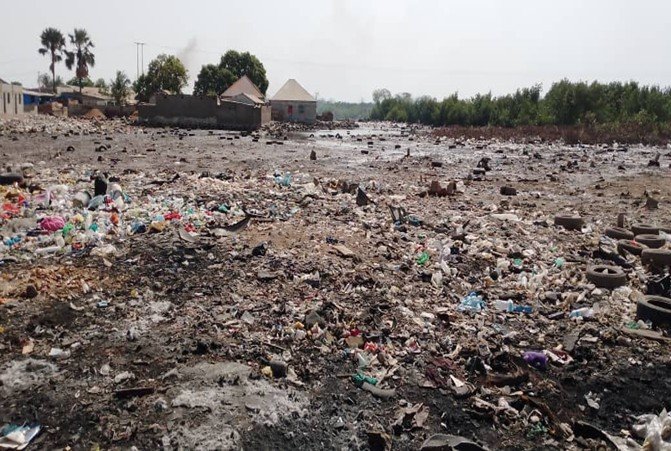

Climate Disaster and Public Health in the Gambia
Climate change in The Gambia is no longer something that comes as a far-off warning that is being written on the pages of scientific books; it is something that is affecting lives, health, and our future. The Gambia, been one of the smallest and least developed countries in West Africa, is highly susceptible to the variability of climate because of its dependence on rain-based agriculture, inadequate health facilities, and widespread poverty. The increase in temperatures, unpredictable rainfall, floods, and droughts is currently having a direct effect on the pattern of disease, nutrition, and human security. Such shocks related to climate are increasingly becoming public health crises, which shows the profound interrelation between environmental change and human well-being.
Flooding as a Health Disaster Climate- Induced
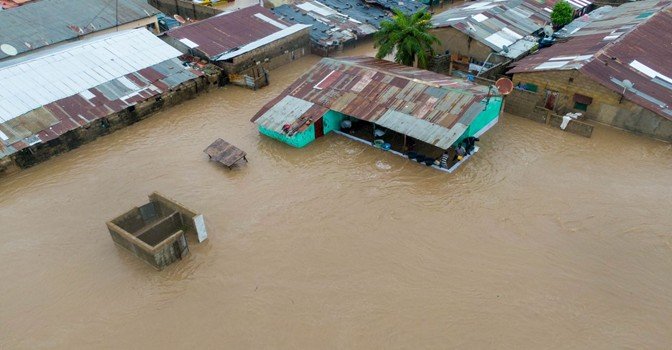
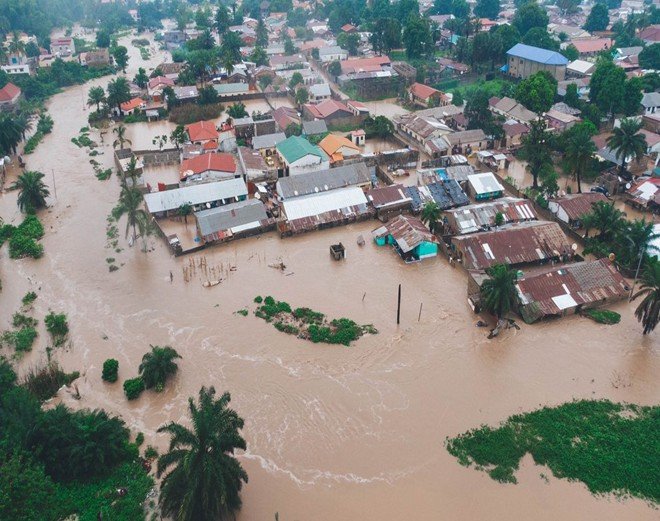
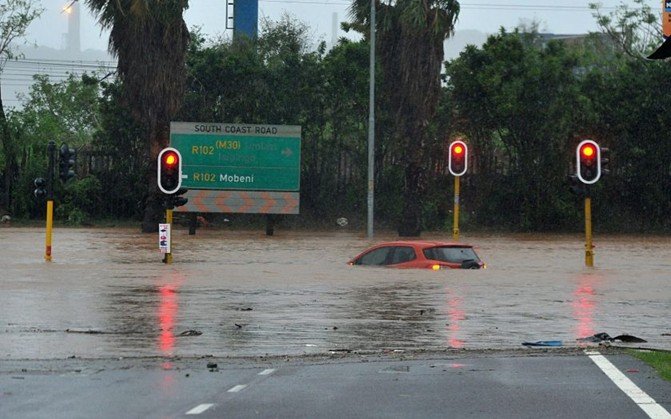
The Gambia has experienced one of the most visible and negative impacts of climate change in the form of extreme weather, particularly floods. Over the past several years, extreme rains during the rainy season, particularly the 2022 rainy season, caused one of the most significant patterns of rainfall the country has experienced in several years, with above-average rainfall causing floods that claimed the lives of at least 11 people and left more than 5,000 people displaced. These are not only environmental, but they are also human disasters. Homes, schools, and water and sanitation hygiene (WASH) systems were destroyed, and whole families were put in a dangerous situation where there is a scarcity of clean water and the risk of diseases increased.
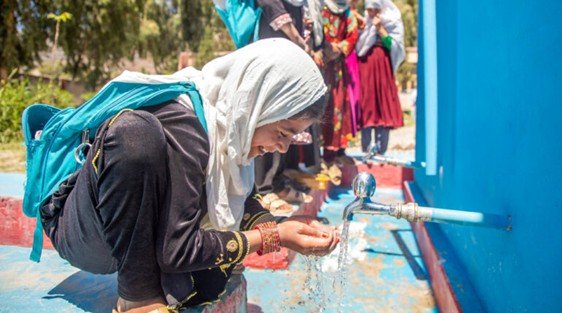
Flooding is a severe danger to the general health of people as it pollutes the sources of drinking water with sewage and waste. The outbreaks of diarrheal diseases, cholera-like symptoms, and skin infections are common in affected communities that have been receiving high levels of rain, with Children, pregnant women, and the elderly being the most vulnerable. These dangers are exacerbated by the fact that in floods, latrines and boreholes are usually destroyed, and gains in water and sanitation hygiene (WASH) are reversed. Above all, open defecation is also more common during the rainy season, which is also a serious health concern.
Waterborne and Vector-Borne Diseases
The health effects of floods do not just include direct injuries and displacement. Stagnant water provides the best breeding environment for mosquitoes, which help increased malaria and other diseases caused by vectors. Health authorities in The Gambia have realized that the fluctuation of rain and the increasing temperatures make it hard to control malaria, especially in the rural and peri-urban areas.
Simultaneously, the presence of polluted water supply increases the incidence of aquatic diseases, which are one of the main causes of childhood morbidity amongst children below the age of five. When flooding occurs, obtaining healthcare services becomes more challenging because roads are destroyed and health institutions overstretched. These co-occurring risks indicate how disaster events related to climate contribute additional public health risks to the pre-existing disasters instead of generating crisis events in isolation.
Although floods attracted the news and concern of people, drought and erratic rainfall have been other significant features of the evolving climate of The Gambia. In 2023, nearly the whole country faced two/three months of severe drought, with half of the land territory suffering up, resulting in the loss of crop production and availability of water.
The impacts of these climatic changes are manifested on food security and nutrition, which are key determinants of public health. Due to the fact that agriculture is a significant part of the economic activity and the source of employment in The Gambia, drought interferes with the planting and harvesting cycle, resulting in diminishing crop harvests, food crises, and increasing prices. Recurrent flash flooding and poor harvests of 2022 created a situation where 207,000 Gambians or 8.6% of the population at the time, were in emergency levels of hunger with women and children under five being the most affected. This reminds you that climate change is not something in the future, but instead is a present day threat to nutrition, health and human security.
National Policy Frameworks & Government Response
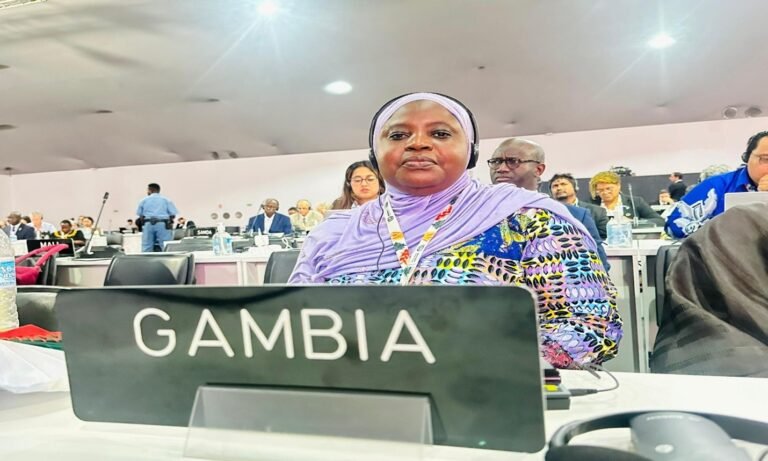
The Gambia Government, having realized the increasing intensity of the health risks caused by climate, has been making efforts to incorporate climate adaptation into national development planning. The country has been a signatory to the United Nations Framework Convention on Climate Change (UNFCCC) and has come up with a Long-Term Climate Neutral Development Strategy up to the year 2050. According to these policy frameworks, climate change is a cross-cutting area of health, food security, and disaster risk.
Again, the government has adopted a National Disaster Risk Management Policy and Strategic Action Plan, which is to enhance preparedness, early warning mechanism and response to emergencies. The National Disaster Management Agency (NDMA) plays a key role when it comes to the coordination of responses to floods and other climate disasters, such as pre-positioning of relief materials and supporting people who are affected. However, the implementation issues and insufficient financial resources still remain the limiting factor in the effectiveness of such undertakings.
Multilateral & International Assistance
The Government of the Gambia has been collaborating with international actors who have been very supportive and plays a pivotal role. The United Nations and its agencies, such as FAO (Food and Agriculture Organization), WFP (World Food Programmed), and UNEP (United Nations Environment Programmed) have been partnering with the government to enhance resilience at the community and institutional levels.
WFP in partnership with government institutions, especially the National Disaster Management Agency and the Ministry of Agriculture, contributes to emergency food aid, especially to flood- affected and food- insecure households. During the previous interventions, WFP made cash payments to the most susceptible families that the government and partners identified to allow the families to fulfill their minimum nutrition and food requirements during times of crisis. It is also from August to October that the Lean Season Response (LSR) is given to the most vulnerable households that are affected by disasters and is coordinated by NDMA. These partnerships, in addition to emergency response support, is meant to enhance disaster preparedness and social safety nets to facilitate the provision of the ability to scale up the support in the event of hazards. The work of UNEP such as mangrove restoration and as well as reforestation projects, has led to the enhancement of coastal resilience, soil erosion, and ecosystem services that protect communities against sea level rise and severe weather.
Climate Change as a Health and Justice Problem
Climate change has public health impacts on the Gambian population, both through heat-related illnesses and water-borne diseases, to nutritional shortages and increased exposure to vector-borne diseases, which are more generalized to other vulnerable areas. With the increase in temperatures and the volatility in the weather, the health system faces a growing and multifaceted challenge. For example, heatwaves increase heart and breathing problems, especially among vulnerable groups of people, including children and the elderly. In the meantime, the overlapping of the climate stressors with the current vulnerabilities of the general population regarding health, inadequate sanitation facilities, and access to healthcare enhances the risk of epidemic and morbidity.
In conclusion, The Gambia is an interesting story of being vulnerable to climate-related public health challenges, adapting to them, and taking responsibility. The floods sweeping through towns and villages, the drought that has scaled the crops, the heat that strains the bodies and systems all lead to a major fact that climate change is not a far-off thing but a current reality that is defining the public health and human dignity in The Gambia. As the country and its allies keep acting, the point of the matter is evident, which is to develop resilience that safeguards lives, healthy communities and a sustainable future for generations to come.

 Jonathan Tarnue Payne
 Precious Douglas Maulana
 Eslam Mohamed Elsheikh
 Lutfi Nurachma
 David R.K Brown
 Asef Jafari
Yo, heard about stargameonline? Gave it a spin. It’s got that online game vibe for sure. Good for a few laughs with your crew. Give stargameonline a look if you’re itching for some online action.
MinesGameVN. Addicting little game. Be careful you don’t spend all day on it! Play if you dare minesgamevn.