
After Months of Drought, Iran Hit by Rain and Snow
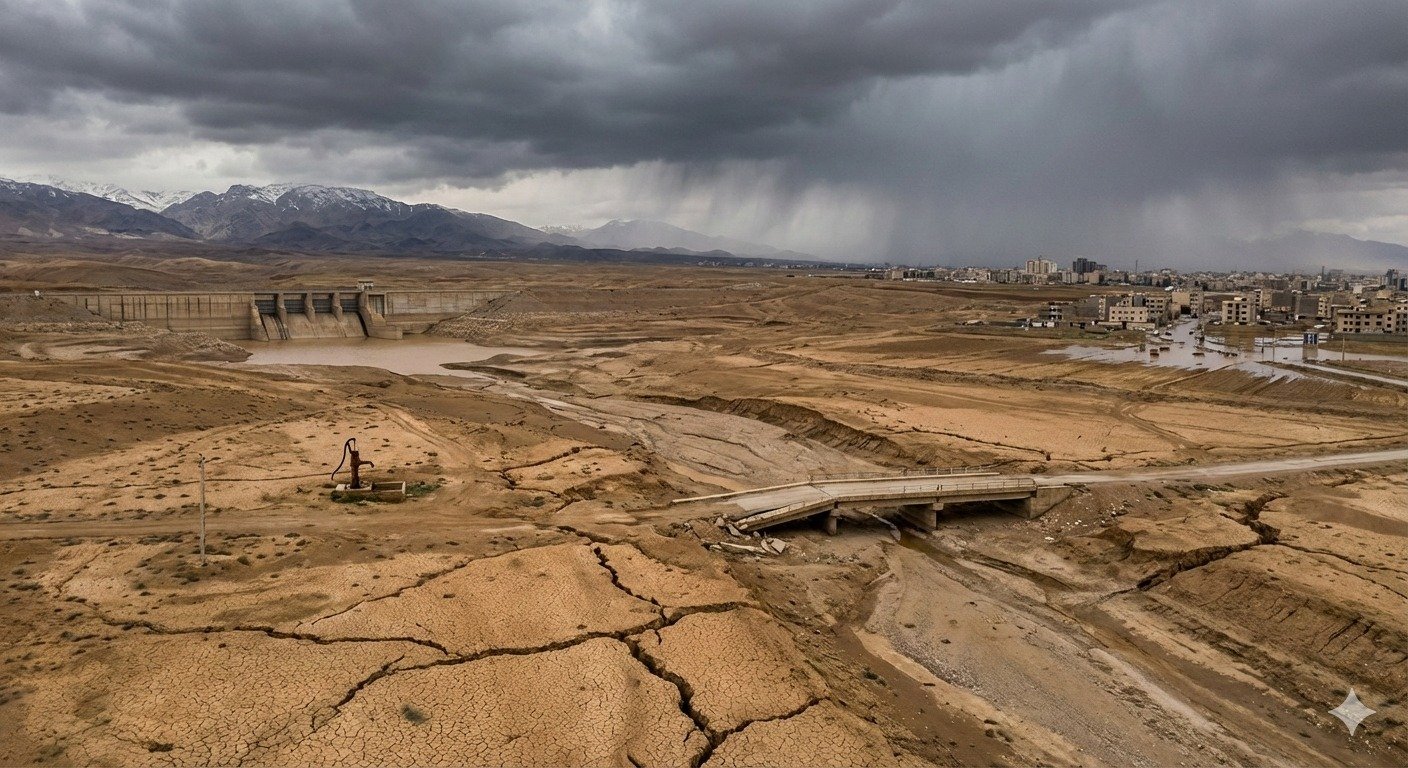
In December 2025, Iran witnessed a phenomenal change in weather patterns when rain and snowfall were reported to be experienced in many parts of the country including in Tehran, southern and southwestern provinces. After five years of drought, this rain gave people some hope. But when reports of flooding came in from areas that were already suffering from drought, people started to wonder: Is this a sign that things are getting better, or does it mean more problems for a country that is already short on water?
Iran has experienced a protracted drought since 2020, making 2025 the fifth consecutive year of intense water stress. Human-induced climate change has worsened this crisis by increasing evaporation and decreasing soil moisture and thus turning what would have been moderate dry periods into extreme ones. Global warming or climate change has reduced the reliability of precipitation whereby snowfall has declined sharply some regions, which is a critical problem especially in water supply. Hydrologically, river flows such as the Zayandehrud have declined, reservoirs have been at their lowest ever points (the five main dams in Tehran being at only 12 percent capacity), and groundwater reserves has been reduced significantly as a result of excessive extraction. In recent decades, over 1 million wells have been drilled, resulting in an average annual decline of approximately 3.8mm groundwater storage between 2002 and 2017; a 35 percent decrease nationally. This excessive extraction, mainly used in agriculture, which uses more than 90 percent of Iranian water has led to land subsidence is in cities such as Tehran whereby the ground is sinking up to 10 feet every year in some areas ruining infrastructure.
The effects of the drought are not only limited to hydrology. Agriculture, which has been the backbone of the rural livelihood, has been hit by colossal crop failures, which are a menace to food security of millions of people. Ecosystems, iconic locations such as Lake Urmia (which now covers just a portion of its previous 2,300 square miles) have deteriorated, causing dust storms and the disappearance of biodiversity. In terms of socio-economics, the human effect is emphasized by the issue of water rationing in Tehran and the risk of evacuations, as protests broke out in 2021 due to lack of water. With the help of satellite images, the harsh reality becomes clear: reservoirs and lakes are shrinking every year, pointing to a condition often described as “water bankruptcy” where demand significantly exceeds supply.
The onset of rain and snow in December 2025, like the first rains in Tehran on December 10 and the snow in the western parts of the country; is a major deviation in this dry story. This is a heavy rain in a country where farming and everyday activity are primarily dependent on the seasonal availability of water; it is a step in the right direction, but at the same time, it is a reminder of the vulnerability of the Iranian water systems. As we look at these developments, some of them are welcome and yet it is not evident that these events can undo the years of depletion.
The Positive Hydrological Impacts of the Recent Precipitation
The downpours and snowfalls that have occurred recently have provided a concrete advantage especially in filling the Iranian water resources that are already strained. Rainfall has the direct benefit of replenishing rivers and dams and snowpack can serve as a natural reservoir which melts slowly in the spring contributing to sustained flow. Snow melt in dry areas such as Iran is essential, and it contributes to the soil moisture and aquifer replenishment, which contribute to agriculture during the dry summer. To illustrate, snow in the central provinces has the potential of replenishing the reserves in the reservoirs which are already at record lows and this might alleviate the urban rationing in cities such as Tehran.
Agriculture is going to benefit a lot. Since more than 90 percent of water is used to irrigate farmland, replenished soil moisture would yield more crops, and there would be no shortage that has haunted the industry. The ecosystems are not left out: Refilled rivers and wetlands could restore habitats, reducing dust storms caused by dried lake beds such as Hamoun. There is also improved food security because the ground water stabilizes and this will help the rural population who rely on rains that occur seasonally to sustain their livelihood. The recent rains on Hormuz Island that caused its beaches to turn crimson with mineral-rich runoff can be used as an example of how precipitation can regenerate the surrounding ecologies, even provoking some unique natural phenomena.
Additionally, the occurrences offer psychological and financial respite. Following months of cloud seeding programs against the drought, nature precipitation eases the tension on artificial intervention and may reduce the cost of energy expended on pumps of water. In a way, rain and snow are a most precious lifeline, and the extent upon which they are harnessed and controlled is a matter of life and death; so we need to think the question as to whether such blessings may soon turn into burdens.
Dangers of Post-drought Intense Precipitation
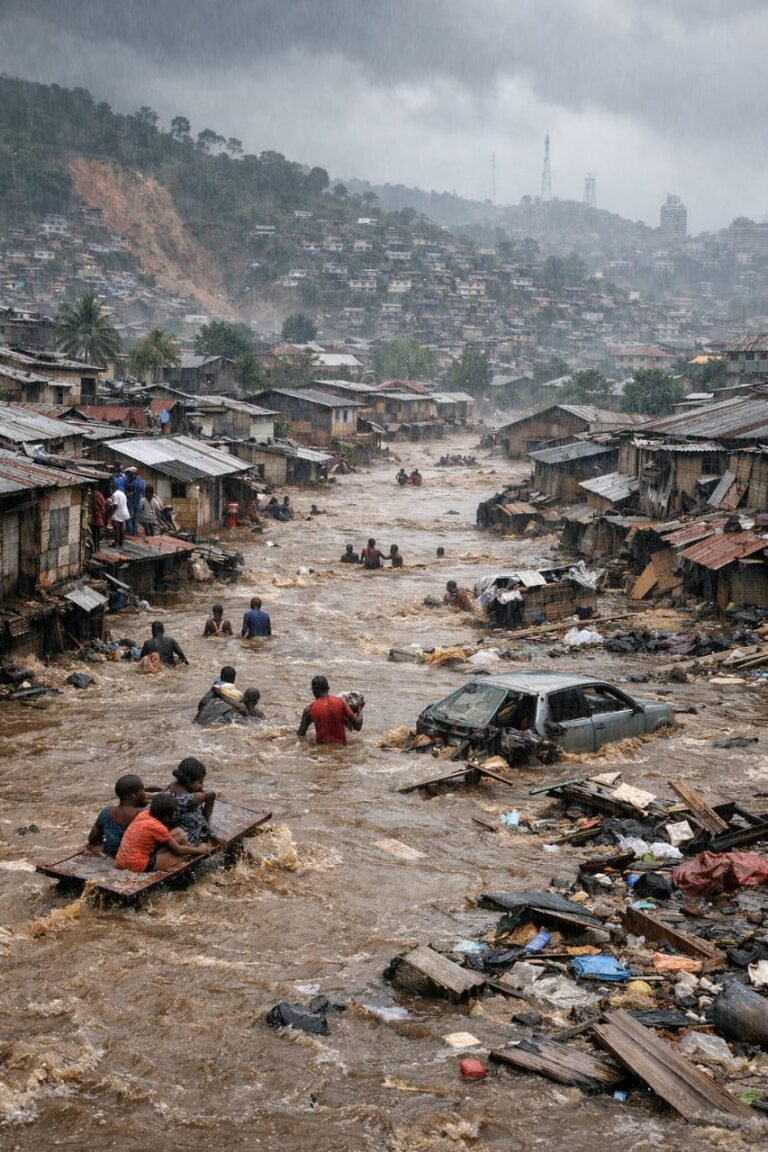
The reverse side of such precipitation is, however, clear in the floods that have hit some parts of Iran turn dry lands into dangerous areas. Finally, following years of drought, heavy rainfall tends to cause flash floods since the soil is hardened and compacted, which is because of overgrazing and deforestation; it becomes incapable of accommodating water. In semi-arid Iran, the effect is an increase in the rate of run off, as much as a fifth of the rainfall may end up in the ocean unexploited. In November and December 2025, floods occurred in parts of the country affected by drought causing destruction in villages and farmlands with the poor infrastructure maintenance contributing to the floods.
These dangers are increased by soil instability. Several years of dryness have caused erosion and landslides especially in mountainous areas where the snowmelt also contributes to the flood. Poor riverbeds and drainage systems are usually poorly managed and thus clogged or underdeveloped and cannot withstand intense flows causing the overflow that endangers settlements. There is increased susceptibility of infrastructure such as roads and bridges, with areas which have been caused to subside due to the depletion of ground water more susceptible to collapsing. The agriculture business is no exception, the topsoil is washed away by floods, and fields become polluted, which nullifies all the temporary benefits of moisture.
Climate change is a factor as it intensifies the amount of rainfall to such an extent that occasional showers are now torrents that can overwhelm the systems set up to handle low intensity patterns. This two-sidedness; drought and floods- highlights environmental injustice, with poorer communities getting fewer early warnings or resilience infrastructure.
Now that these risks are increasing, it is time to start working on solutions that exploit the good and reduce the bad and create a stronger future.
Transforming Risk into Resilience
The way out of this paradox is through integrated water management in Iran that helps to maximise the benefit of the precipitation as well as mitigate the risks of the floods. Proper operation of the dams; releasing by controlling the flow to take up the sem without filling the dams; may reduce overflows and store the water to be used during dry seasons. The management of watersheds, reforestation and soil conservation practices would increase the infiltrations to the ground decreasing the erosion and refilling the aquifers. Intense rains could result in loss of both people and property but early-warning systems that use satellite data and community alerts could prevent such tragedies.
The most important is long-term adaptation, where drought and floods are expected to be related in the climate variability. Plans made in the National Climate Change Management Plan of Iran are not only crop diversification, efficiency in irrigating the land, but also the restoration of ancient qanats; underground tunnels are built that used to ensure availability of water, with no depletion. These efforts can be supported by international collaboration, i.e. FAO projects on resilient agriculture. The city planning should focus on diversified supplies and demand reduction to prevent the Day Zero in cities such as Tehran.
Finally, the rule and planning determine whether rain and snow will be a hope or a threat. Iran can harness its water issues to its sustainable development by focusing on resilience as opposed to short-term solutions.

 Jonathan Tarnue Payne
 Precious Douglas Maulana
 Eslam Mohamed Elsheikh
 Lutfi Nurachma
 David R.K Brown
 Asef Jafari
Catch the games live? FB88TV says they’ve got streaming. Fingers crossed it doesn’t buffer every five seconds! fb88tv
Casinoplusrestricted… restricted from where?! 😂 I’m in! Just kidding (mostly). Be responsible with your gambling folks. More info at casinoplusrestricted.
U888U888COOL on .com, huh? Had some fun times there. Fair play and a smooth interface. Worth a peek. u888u888cool
Nếu bạn đang tìm một nhà cái uy tín, hãy thử 188V ! Với giấy phép PAGCOR, tỷ lệ hấp dẫn và khuyến mãi khủng mỗi ngày, đây là điểm đến không thể bỏ lỡ. TONY01-29O
Need a reliable link to bet365? This linkvaobet365 site has got you covered. Saved me a bunch of time searching around. Here’s the link: linkvaobet365
Looking for good odds? keo188bet has been treating me right so far. Worth a look if you’re after competitive rates. Jump in here: keo188bet
123win94 is another one I’ve been messing around with. Easy to use interface and a decent range of options. Give it a shot: 123win94
Yo! Checking out mcw19. Feeling kinda lucky today. Might throw a few bucks their way. Wish me luck! Take a look: mcw19
Looking to earn some extra cash? Check out betvisaaffiliate! They’ve got a great program that’s easy to join and can really boost your income. Join the fun betvisaaffiliate!
CC666 is my go-to for online entertainment. They’ve got a great selection of games and the site is super easy to use. Give it a look cc666!