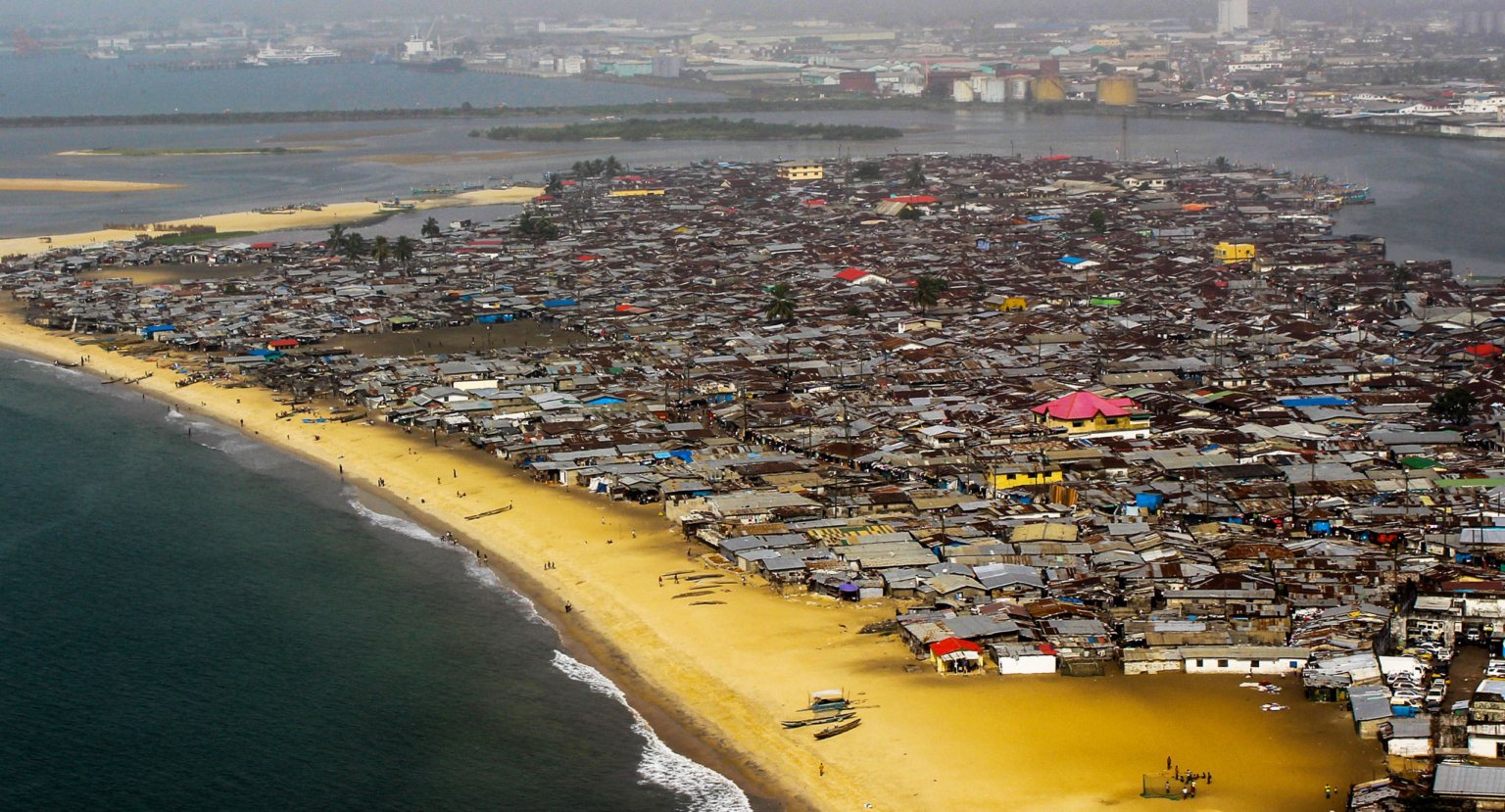

In Monrovia and other coastal areas of Liberia, people are getting used to waking up not to the sound of regular alarm but to the sound of water alarming against the stilts of their beds. In extreme cases, it is the very floodwaters that are tasked with the duty of doing the waking. Homes, streets, and entire communities are covered by contaminated waters; normally a mixture of river waters, trashes of all manners, and completely raw sewage. Just about a few hundred miles inland, farmers are left with fields of crops that are at the mercy of withering from the scorching sun. For these people, it isn’t just another night of torrential rain or another day of burning sun; it is a lifetime of repeated stress that comes with chronic health implications. Resilience to these conditions that are generally branded “natural,” is fading and the pattern of rainfall and sunshine is becoming increasingly unpredictable. The story of Liberia’s climate issues are written in flooding waters and burning sunshine. What is worrisome about this is the fact that the projections of climate change in the future only point to more severe, more frequent and unpredictable rainfalls. Now we will see what becomes of public health every time there is a heavy downpour in Liberia:
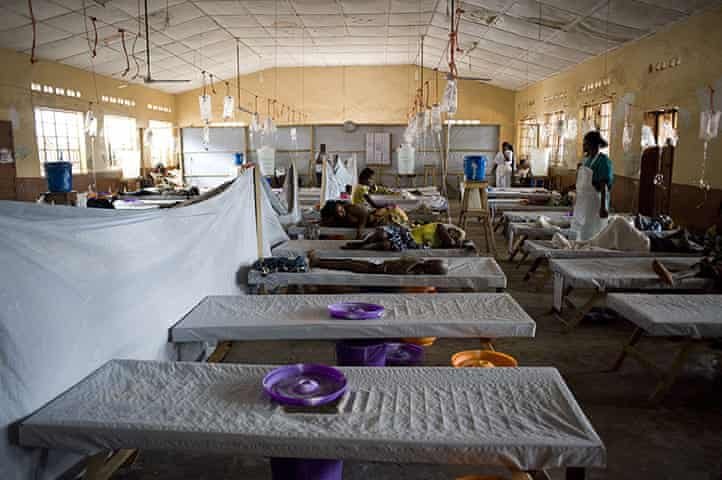
Infected Floodwaters: There are no proper drainage and sanitation systems in the country and this makes the heavy rains into toxic events. Here, slum residents practice open defecation so when floods come, sanitation deteriorates overnight. Toilets and septic tanks (public and private alike) overflow, and together with garbage, are swept through homes and into wells and other drinking water sources thus erasing the fragile boundary between safe water and sewage. Cholera, though rarer than diarrheal disease, lurks in these contaminated waters waiting to explode. This toxic slurry is an ideal carrier of waterborne diseases such as cholera and typhoid. In Liberia alone, more than 6,600 people die every year due to diarrhea, which is a disease that is almost impossible to have in the modern world. The main victims are children who are under the age of five years, with their small bodies failing to rehydrate quickly enough when the parasites and bacteria drain the electrolytes out of the body faster than the water can be replaced. With every single flooding, patches of waters are left standing and scattered across various regions creating brand-new environments for mosquitoes to breed. This brings about the vigorous spread of the number one persistently deadly disease in the country; malaria. As a result of this, one can safely conclude that the changing climate is effortlessly multiplying the treat of malaria in Liberia and placing more and more people at public health risk. The health sector in Liberia is still recovering from the prolonged and devastating periods of civil wars that ended only in 2003, and the deadly Ebola and corona outbreaks of 2014 and 2020 respectively. With this obviously weak health sector, flooding can very easily cause damages to infrastructures and facilities like buildings, roads, and electricity. This often blocks access to medical facilities, medical supply and also deliveries. In some cases, health workers themselves are displaced thus creating a perfect storm where the need for medical attention increases just as the capacity to offer this attention plummets.
What’s happening to the country’s youths
According to Liberia’s most recent census in 2022, 41.5% of the country’s population is under eighteen years old. Liberia contributes less than 0.03% of global greenhouse gas emissions that’s for a nation so economically marginal its carbon footprint barely registers. Despite this reality, it’s the Liberian youths that pay the price for the world’s industrial excess. School attendance collapses during floods and this often ultimately leads to dropouts. Malaria saps their energy and concentration capacity. Diarrheal and other waterborne diseases cause absenteeism and developmental delays. The result of this is seen everywhere in the form of crimes and dangerous drugs abuse carried out by disadvantaged youths the nation refers to as zogos.
Crop Failure and Livelihood Loss:
As the coastal regions are drowning, the interior part of Liberia bakes frequently. The changing rain patterns and increasing temperatures are interfering with the agricultural calendars that have been in use by communities over the years. To subsistence farmers, delayed rainy season or a long dry period will translate to failure in rice and cassava crops that are the staple food of the country. This does not only entail lost money, but it also means that the family will have no food. The psychological burden of not being able to know whether the harvest will be successful, of seeing your children starve, is immense. Anxiety, depression, and a sense of hopelessness have a less visible but deeply damaging health outcomes and this is due to the changing climate. Moreover, chronic food insecurity causes stunted growth and cognitive development in infants thereby trapping them into a life of health and economic deprivation. Also, crop failure causes acute hunger which also leads to malnutrition among children; a malnourished is more exposed to infections such as malaria or pneumonia.
Climate Shocks and Gaps in the Health System
Liberia’s health system is faced with the daunting task of addressing these climate-aggravated diseases and conditions with limited resources. The history of the fourteen years of civil wars waged between 1989 and 2003 coupled with the Ebola outbreak of 2014 left the health system of the country with serious gaps in terms of infrastructure, workforce and surveillance. Extreme weather conditions tend to affect health clinics especially in the rural regions. Floods destroy buildings and machinery, storms can affect power and water supplies, and thus prevent vital services. It is also observed that the ratio of doctors to patients in Liberia is one of the lowest ratios in the world. This small labour force is crushed during a climate shock such as a flood or disease outbreak that comes after a flood. Health workers are not an exception as they usually face personal losses and displacement in the case of a disaster. The disease surveillance network must be strong in order to detect and respond promptly to the outbreak of diseases caused by climate events. The loopholes in this system may enable diseases that are sensitive to climate such as cholera to have a dangerous foothold before a coordinated action is taken. Nevertheless, Liberia is not defenseless despite such daunting scales. Resilience is being developed at the grass root levels and, in many cases, community-driven innovation. The system of community health workers in Liberia is a vital front-line protection. They are trained on how to diagnose and treat the most prevalent diseases like malaria, pneumonia and diarrhea and therefore they are normally the first and the only medical staffs to arrive at remote villages that are inaccessible due to floods. There is an inclusion of climate-risk messages in programs and communities are being educated to chlorinate water after floods, and to always use bed nets and how to recognize malnutrition early warning signs.
What Survival Looks Like: Adaptation Without Resources
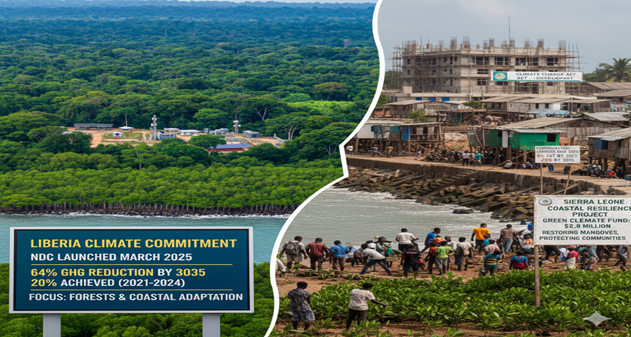
The Liberian government through its 2025 Nationally Determined Contribution, finally named these climate related horrors officially. Targets include ensuring ‘40% of health facilities and schools have climate-resilient water and sanitation, reducing climate-related disease outbreaks like cholera by 50%, training 1,500 health workers in climate-health adaptation, and reaching 100,000 children with emergency cash transfers during climate shocks.’ These are noble targets. They’re also pipe dreams without money. Liberia’s GDP stands at $4.75 billion much smaller than many individual U.S. states. The cost to adapt the health system, upgrade water and sanitation, and build climate resilience across all sectors exceeds Liberia’s entire annual government revenue. The country is borrowing from tomorrow to cope with today, mortgaging its children’s futures in the name of present survival. A grant that should have built clinics in 2022 arrives in 2025, after climate change has already claimed the lives, it was meant to save.
A Call for Climate Justice and Integrated Action
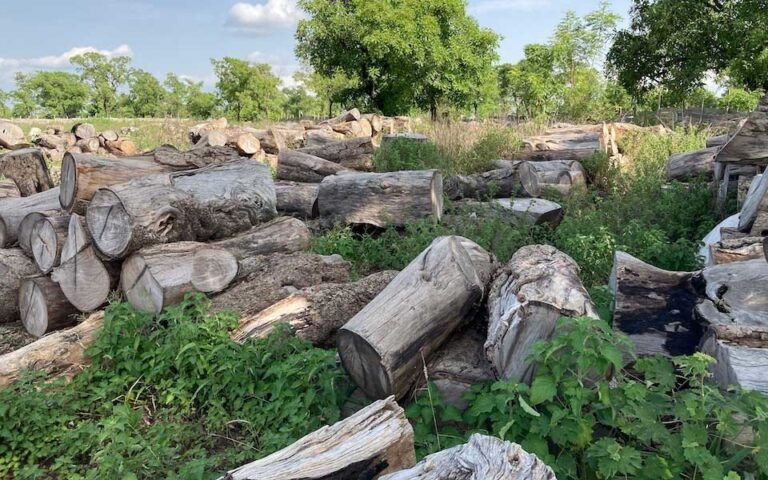
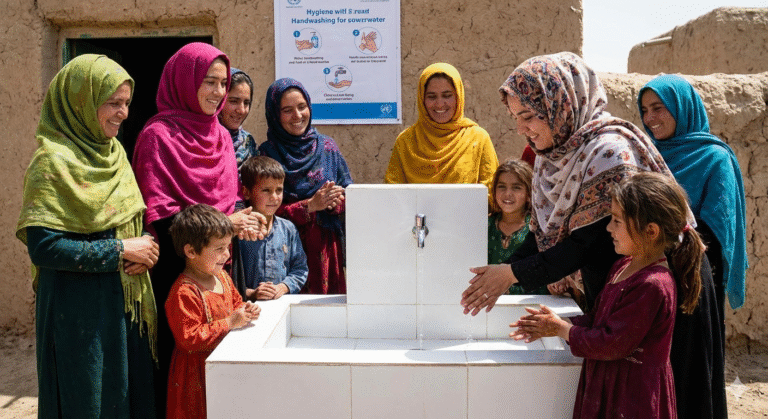
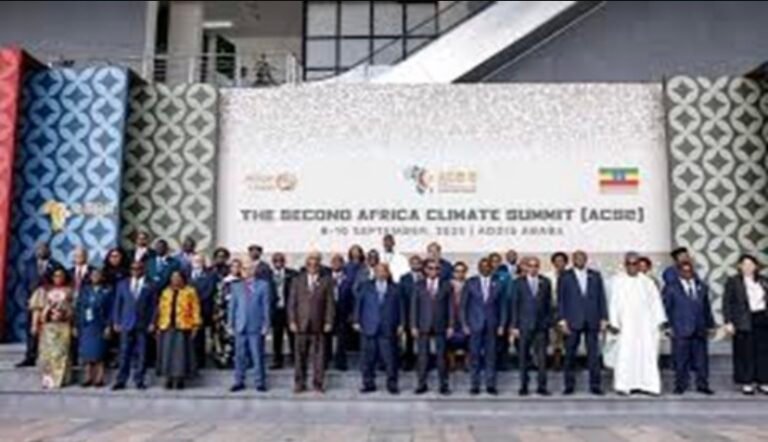
Liberia is contributing an insignificant amount of greenhouse gas emissions to the world but is disproportionately affected by them. In response to this, the developed countries that emit a lot of carbon should comply with their climate finance obligations. These fundings are not merely for green energy but for adaptation which will include the strengthening of health systems, the building of climate-resilient water and sanitation infrastructure, and for supporting agricultural adaptation in affected countries like Liberia. This is a moral and practical imperative for global health security. Within Liberia, the solution lies in incorporating climate-informed adaptation plans within health policies. The ministry of health in the country should collaborate with the ministry of environment, agriculture and public works. The management of watersheds and construction of drains are as much part of protecting Liberians against cholera as the stocking of oral rehydration salts. Mangrove restoration and reforestation are important interventions in the public health that should be attended to. Mangroves serve as physical barriers against storms and floods protecting the communities in coastal regions. Healthy forests should be preserved in order that they can be used to protect water quality and food security through controlling the water flow thereby reducing the intensity of floods and droughts. None governmental organizations and the Ministry of Agriculture should carry out wide range of researches and publicity on topics such as the use of drought-resistant varieties of crops, rainwater harvesting, and soil conservation. These systems are direct adaptation practices that will assist the farmers in combating food insecurity and its health effects.
Conclusion
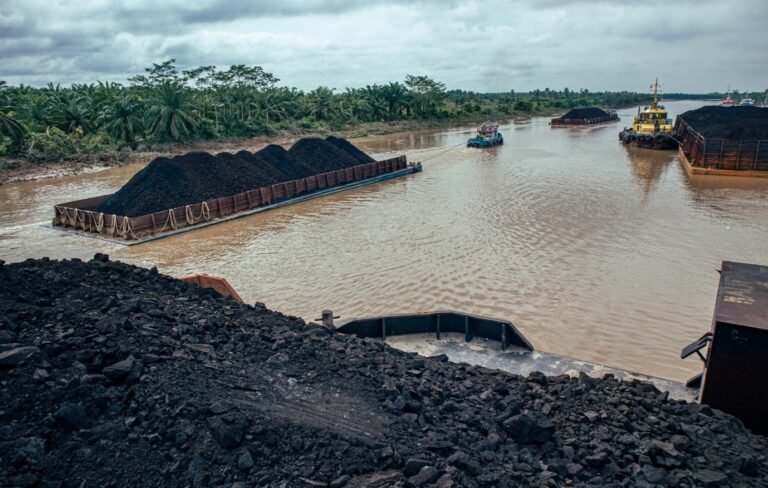
Liberia’s health crisis is a mirror held up to global climate justice. It is a nation that emitted nothing, a nation whose forests still absorb carbon but cannot protect its children from the consequences of others’ emissions. Every ton of coal burned in China, the USA, or Germany, there’s an increase in the fevers that burn through the brains of Liberian’s children. The question isn’t whether Liberia can adapt. It’s whether the world has the conscience to pay for the damage it’s created. Until wealthy nations honour climate finance pledges, until adaptation is funded at scale, until vulnerable children are treated as the global emergency they represent, Liberia will remain the climate crisis’s cruellest stage. Luckily, the solutions exist but it is only the willingness of the government and people of Liberia (to put corruptions of all kind aside), couple with the financial capacity to execute that are the missing piece of the puzzle. And in the meantime, children will pay with their lives. To millions of Liberians, the climate change debate is not about polar ice and ice temperature targets that are far away. It concerns the wellbeing of their children, the food in their plates, and the water in their cups. Their reality shows that climate change is fundamentally a health crisis. Investing in Liberia’s climate resilience which includes its health systems, its water security, and its sustainable agriculture, is an investment in human dignity and survival. It is the sole means through which the world can break the cycle of diseases that climate change is multiplying. Liberia is a lesson to us that the road to a stable climate is the road to health and vice versa.

 Jonathan Tarnue Payne
 Precious Douglas Maulana
 Eslam Mohamed Elsheikh
 Lutfi Nurachma
  David R.K Brown
 Asef Jafari
Alright, time to create an account on baji666login. Fingers crossed it’s a smooth process and I can get straight into the action. Here’s the baji666login link for anyone else joining.
The me88app is awesome, have had it downloaded for a bit now! Super convenient for gaming on the go. Everything you need, right in your pocket man. me88app