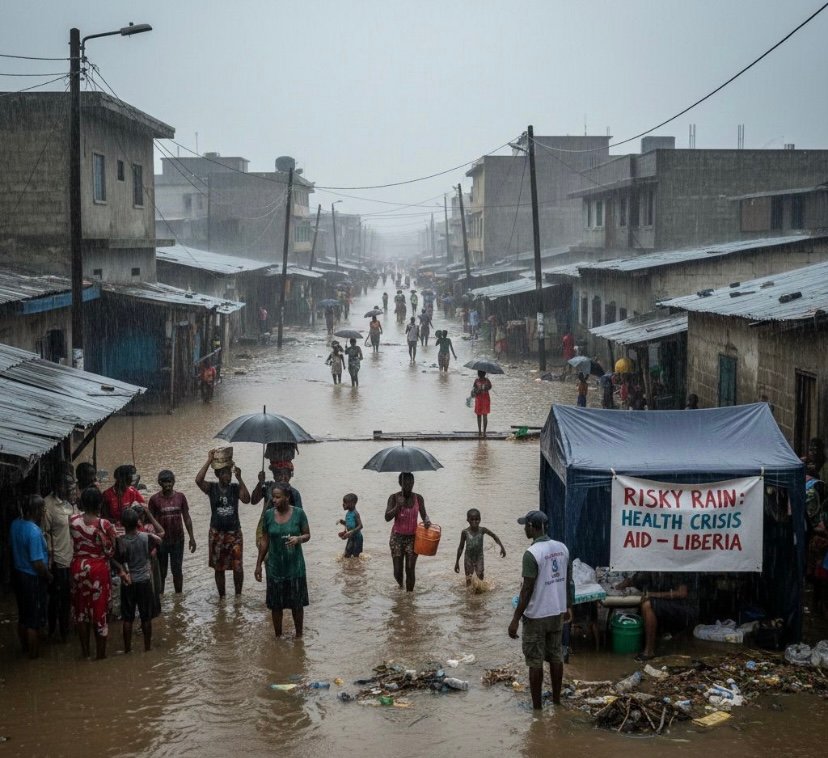

Liberia’s climate is seasonal and is divided into two: the rainy and dry seasons. The rainy season occurs for approximately six months, between May to October, while the dry season takes place between November to February. The rainy season is always a part of the daily life of every Liberian. It gives a sense of normal atmosphere, different from the blazing sun and hot temperatures that come with the dry season. For the local farmers, it becomes a period when crops are nourished, while in some communities with water shortage, it is an opportunity for the fetching of water for domestic use. Rain to most Liberians is a source of livelihood, in both urban areas and rural settlements, because of its diverse range of usage. Over the years, weather patterns in Liberia have started taking a curve, and this is closely related to the rise of climate change and human activity. Rainfall pattern in Liberia has taken a more threatening stance. What used to be a blessing is now a risk.
Climate Change Impacts in Liberia
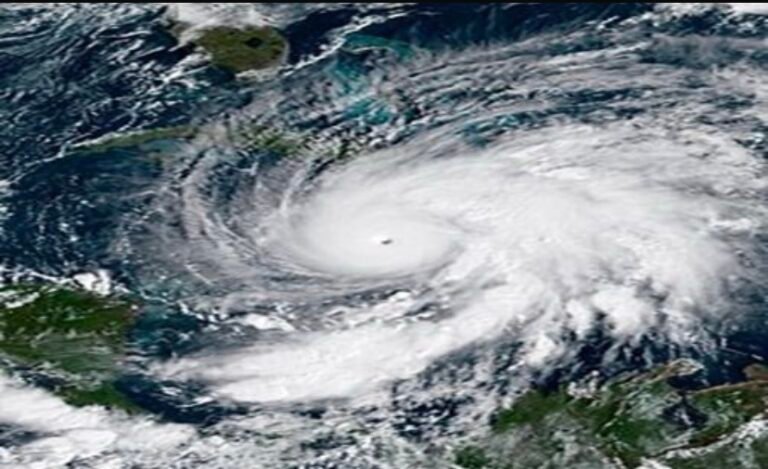
In Liberia, the impacts of climate change can be directly seen. Rain patterns have become irregular and frequent in some communities. Rain in form of heavy, unpredictable, and destructive often leads to flash flooding in slum communities, which causes water pollution and outbreaks of disease. This has caused a serious concern for public health and the human society as a whole. This gave the idea of the term “Risky Rain” as a reflection of unprecedented rainfall impacts, which expose society to a myriad of increasing flooding and disease outbreaks.
Inconsistent Rainfall Patterns: A Growing Concern in Liberia
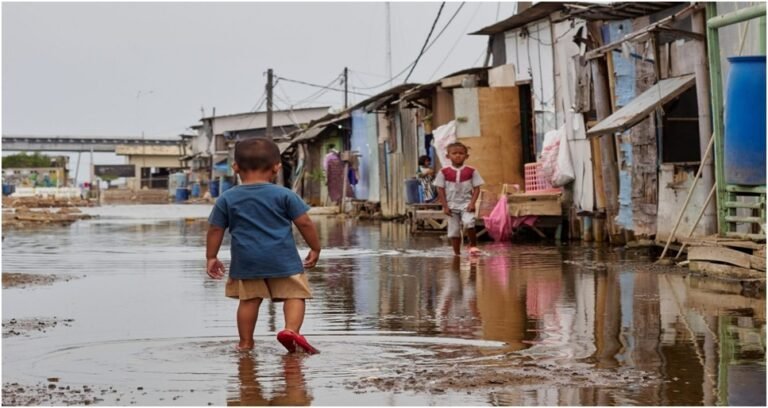
Unpredicted rainfall pattern is a serious concern in Liberia, not only in the urban settlements, but also in rural areas. In some regions, rainfall has been irregular: a period of heavy rain is often followed by a dry period. The erratic rainfall pattern in Liberia has caused serious health concerns for citizens, as it has led to flooding in urban areas, and loss of farm yields in rural regions. Floods often cause the mass destruction of infrastructure in slum communities and some parts of Liberia. In urban cities such as Monrovia, the heavy downpour drains into drainage systems that causes a stagnant pool of water that often causes health concerns and the spreading of water-borne diseases such as cholera and diarrhoea.
Irregular rainfall patterns remain one of the major concerns among farmers in Liberia; these weather patterns tend to reduce the length of the planting cycle, which in a large part contributes to food insecurity, especially in the rural areas. however, this effect can be directly related to climate change and to a more, poor infrastructure in Liberia and the lack of disaster preparedness system. Addressing this will require an adoption of a better climate policy, an improvement in urban planning and increase in monitoring systems for diseases.
Liberia’s Vulnerability to Flooding
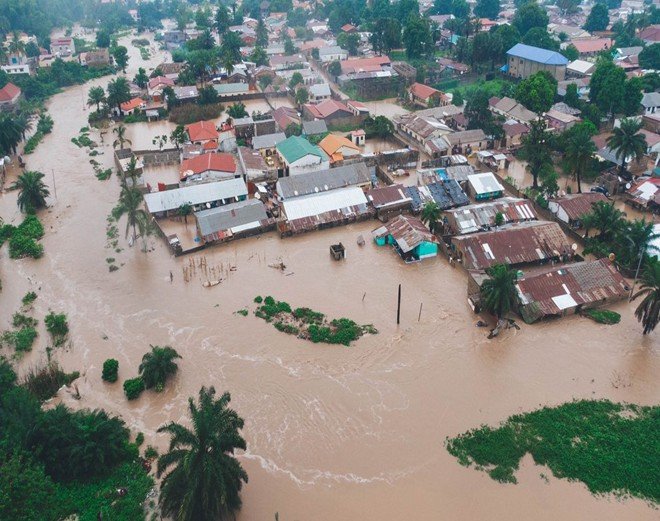
Flooding in Liberia is no longer a new phenomenon; Liberia is at high risk of flooding and is among the major causes of environmental and community health hazards. Flooding is the major cause of destruction of farmlands and property, particularly in the wake of climate change, which has intensified rainfall patterns. Rainfall pattern has become very heavy and irregular, and it often fills up the drainage systems, especially in populated urban settlements such as Monrovia. Communities such as West Point and New Kru Town are mostly constructed in swampy areas, without a city planning scheme. This has caused a high level of risk for flooding. Poor waste management and improper sanitation in these slum communities often make the situation even worse. Flooding often leads to family displacement and home destruction in communities constructed along the coastal areas and flood-prone regions. These communities suffer from floodwater that pollutes their wells and other sources of water; this is the major cause of water-borne diseases such as cholera and diarrhoea. Farm yields are also destroyed by heavy rain and flooding in the rural areas, which directly affects food security and livelihood.

Poor Sanitation and Water Safety Challenge
Sanitation in Liberia is always a major concern. Poor sanitation, improper disposal of garbage, and unsafe disposal of human waste are major health concerns for citizens and their livelihoods. This remains the major cause of the recurrent floods and disease outbreaks in some parts of Monrovia. Drainage systems in most of the slums and informal settlements are often blocked with solid waste, and improper disposal of human waste due to lack of proper toilet facilities in these slums and vulnerable communities. Moreover, these communities lack access to safe drinking water. Water sources are normally left unprotected. These remain the major reasons for outbreaks and waterborne diseases. Most often, they turn to the normal practice of drinking from these unprotected water sources due to their lack of access to purified water. In most instances, the health implications it has on them are often ignored, while using Liberian slang like “no germ in Africa.”
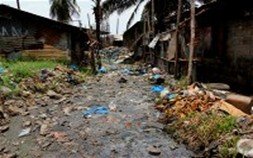
Disease outbreak: When Flooding Contaminates Human Settlement
Sanitation problems and poor infrastructure are major causes of public health crises in overpopulated communities in Liberia. Flooding also comes along to make these crises more severe, especially in slums and other vulnerable settlements where proper hygiene practice is normally compromised. During heavy rain, flood water flows along contaminated drainage channels and open pit latrines, carrying faeces and solid waste into human settlements. This increases the risk of water-borne diseases like cholera and diarrhoea outbreaks. This is more common in flood-prone and slum communities. However, heavy rainfall and flooding are closely associated with frequent disease outbreaks in these regions. Floodwater usually contaminates wells and water bodies, which often leads to a major threat to humans and caused of epidemics. These are the major causes of cholera outbreaks in slums and vulnerable communities.
Building resilience to risky rainfall
Liberia is one of the countries in Africa that has experienced consistent rainfall over the years. The country is extremely rainy, with an average rainfall of around 2391mm per annum. Utilization of rainwater often varies, from domestic purposes to agricultural activities, and a wide range of usage over the years. Rain over the years, however, can become risky in Liberia, especially in flood-prone and slum areas. When risky rain occurs, it comes with disasters such as flooding. Flooding in Liberia is not a new occurrence; it is one of the major climate disasters the country has faced over the years. From urban areas to rural settlements, this natural disaster poses a long-term threat to the health and infrastructural facilities. These frequent occurrences require a sustainable strategy to reduced its severity on society. Liberia’s response to disaster is relatively poor; the country needs to take an immediate response towards disaster by adopting a robust, climate-resilient policy improve urban planning and public health. Moreover, the need for a better response over time is an enhancement of drainage systems, an improvement of sanitation facilities, and the increase in accessibility of safe drinking water. To counter these crises, there is a need for immediate reaction to enhance disease monitoring mechanism and build resilience.
Conclusion
Flooding caused by heavy rain still poses a huge threat to populated communities in Liberia. In the slum and informal settlement, rain is often a risky thing due to the constant impact of flooding and health crisis it poses on these society. The residents of these communities are always in fear as to when the next heavy rain will come and how intense it would be. However, increasing climate impact, poor sanitation and an ineffective disaster preparedness have made rainfall a health hazard to these vulnerable communities. Climate change impact such as unpredictable and heavy rainfall, poses threat to water pollution, spread diseases and displacement of families. Sanitation challenges remain a great concern. Liberia needs to adopt strong climate policies, invest well in infrastructure and involve in proper community engagement on health and sanitation to transform risky rain into a source of opportunity rather than a crisis.

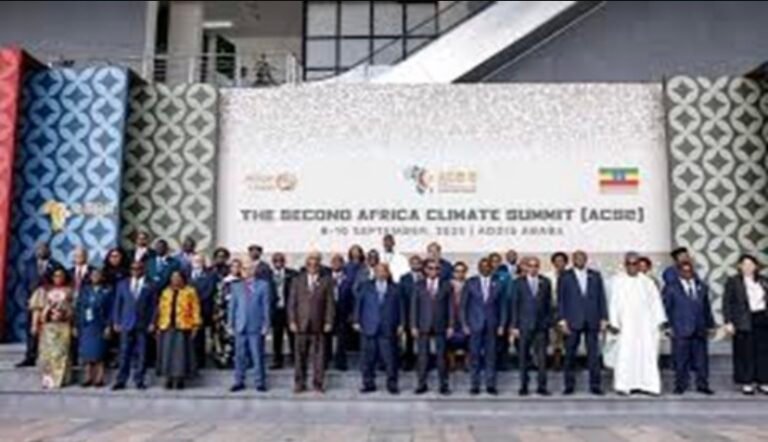

 Abdul-Razak Issifu Yidana
 Amadu Barrie
 Primrose Mutema
FortuneTiger4 is really fun to play, the rewards are pretty good; I have never played anything like this; you should try it! fortunetiger4
Đặc biệt, 888slot còn thường xuyên cập nhật thêm phiên bản mới lạ để phục vụ hoàn hảo nhu cầu khách hàng. Các sản phẩm luôn đảm bảo quy trình kiểm tra kỹ lưỡng, nghiêm ngặt trước khi tới tay người chơi nên bạn hoàn toàn yên tâm. TONY01-12
rtp slot365 không ngừng nỗ lực để mang đến cho người chơi những ưu đãi hấp dẫn và giá trị. Các chương trình khuyến mãi đa dạng là một trong những lý do cơ bản nhất giúp chúng tôi thu hút đông đảo người đặt cược. TONY02-11O
Slot tại 888slot store có giao diện responsive – co giãn đẹp mắt trên mọi kích thước màn hình. TONY05-01