
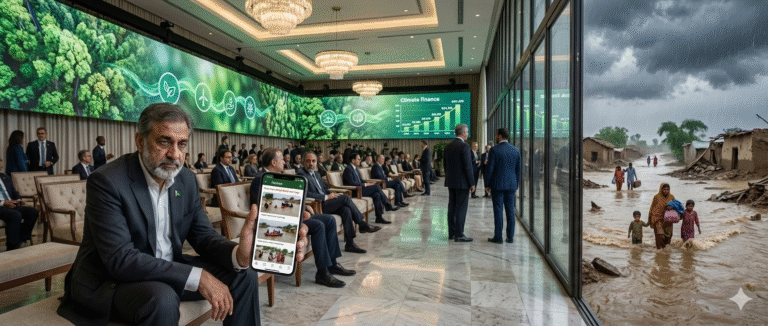
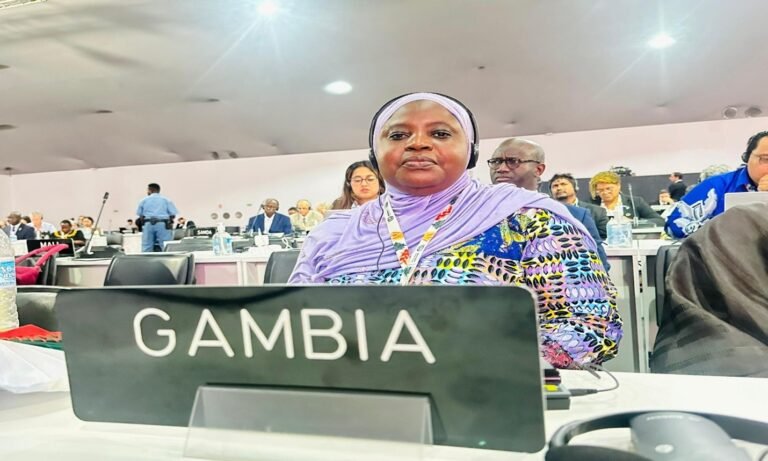
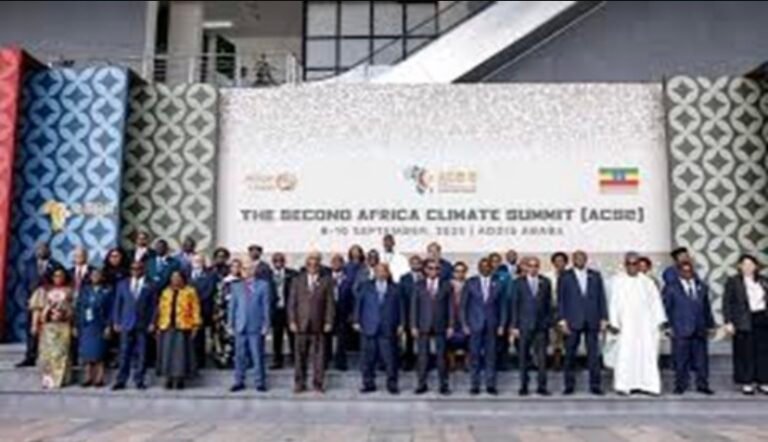
COP30 in Belem, Brazil in November 2025 was a critical pivot ten years later in the Paris Agreement. Sierra Leone is among the most vulnerable countries to the effects of climate and has made minimal emissions gave significant contributions. The summit was not about spending time in a long dialogue, but about acquiring immediate and credible resources to survive. Sierra Leone entered with a clear purpose at the COP30, the agenda of raising the finance of adaptation and ensuring that historical polluters pay. Under the strategic diplomacy and sectoral leadership, the country took up a significant role as the voice of the Global South, which required the new global financial objectives to be translated into a practical resilience on the ground. Its activity was characterized by a principled confrontation of existing models of funding a successful innovation of its national programs in the field of food security and protection of forests.
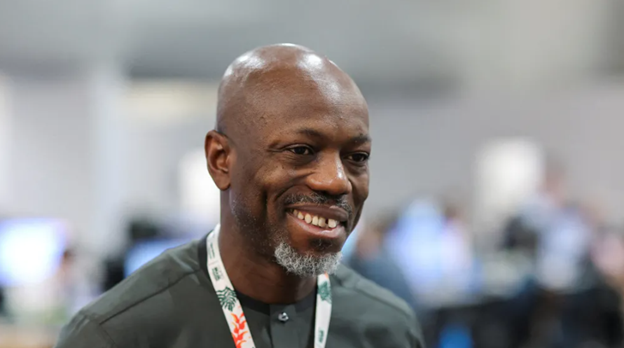
Adaptation Finance: One of the key pillars of Sierra Leone`s engagement was the doubt towards the dependency on the role of the private capital in climate-adaptation projects. Minister of Environment and Climate Change Jiwoh Emmanuel Abdulai was an influential representative of the vulnerable countries and his argument was that adaptation as opposed to mitigation does not have the profit motive that has to be created to get the interest of the private sector.
The Private Finance Barrier: The delegation of Sierra Leone flatly refuted the existing COP narrative that suggested the unlocking of the private finance as the major remedy to the growing adaptation gap. The minister further said, the private sector is not an adaptation working person. Had it worked, we would not be here, it underlines the fact that core resilience needs such as sea defenses, early warning system, and safe drinking water have to be financed by the historical emitters through public, concessional, and grant-based funds. Polluter Pays Principle which is embedded on the core principle of Climate Justice needs to be effective. Sierra Leone had repeatedly insisted that the highest emitting countries must pay the Loss and Damages Fund and the New Collective Quantified Goal (NCQG) to ensure that the actual needs of the vulnerable populations are fulfilled.
Increasing National Security through Targeting Heat and Poverty is one the issues highlighted. The country`s advocacy pointed out that climate change is a long-term national security challenge, which is expressed by the extreme heat, unpredictable precipitation, and unsatisfactory food security. It emphasized the fact that adaptation finance is necessary to sustain minimum standards of living, avoid a decline in GDP (estimated at 9-10% by 2050 without intervention), and the human capital resilience to climate shocks. In addition to the core finance talks, Sierra Leone also showed tangible leadership in two important areas of adaption that can be key to its domestic stability and economic future, food security and forest conservation. Sierra Leone was playing a very visible role in institutionalizing the global agitation of food systems change, which is a critical adaptation strategy to its predominantly agricultural economy.
Alliance Co-Chairmanship: The country is a Co-Chair of Alliance of Champions of Food Systems Transformation (ACF). The ACF was also broadened at COP30 and issued a statement by the ministers on the interrelation between climate finance and sustainable food production. Feed Salone Initiative: The delegation presented its flagship Feed Salone Initiative that focuses on enhancing agricultural output, providing employment, and reducing exposure to climate shocks by using agro-ecology and agroforestry.
They claimed to have succeeded in reaching out to more than 1billion dollars in financing commitments toward this initiative since 2023, and tangible transformative initiatives were already being delivered. This participation was effective in conceptualizing food system investment not as an agricultural challenge, but as an essential climate adaptation tool to build resilience in the rural food system and food sovereignty, in response to changing climate conditions with a large forest cover, Sierra Leone was keen on interacting with the new financial instruments introduced in the conference in order to conserve these important ecosystems.
Tropical Forest Forever Facility (TFFF): The nation has been placed to get capital through the newly launched TFFF which is a blended funding mechanism that is designed to make standing forests more of a valuable economic resource than a cleared land. This money is vital in meeting its national problem of deforestation that is threatening the capital city and exposing it to landslides and flooding. Sierra Leone highlighted the co-benefits of forest finance in adaptation, that is, how local forest protection increases rainfall control, decreases heat stress, eliminates soil erosion, and facilitates agricultural adaptation in neighboring regions.
COP30 is characterized by high integrity and high ambition in the performance of Sierra Leone. It was able to increase the urgency of the adaptation needs and provoke the global community to contribute finance on the scale that is as huge as the crisis itself. The effectiveness of the involvement of the country will eventually be quantified in the direct, open, and concessional finance flow in investments such as the Feed Salone Initiative and its forest protection activities. The nation diplomacy has established the precedence of the demands that a weaker country requires in terms of justice and application and the burden is now on the developed world to give the money needed to convert these demands into sound realities.


 Jonathan Tarnue Payne
 Precious Douglas Maulana
 Eslam Mohamed Elsheikh
 Lutfi Nurachma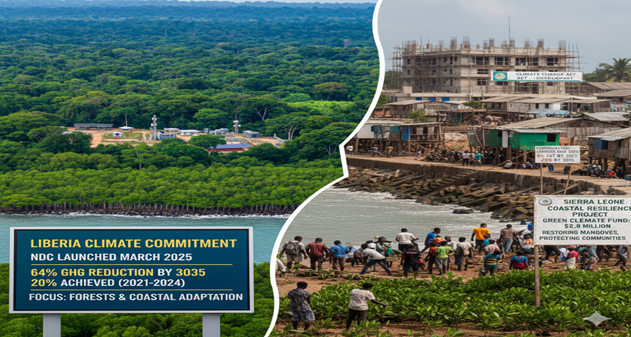
 David R.K Brown
 Asef Jafari
Yo 188betlinkvao, are you the shortcut I’ve been searching for? Tired of hunting down working links. Hope your site is smooth and reliable, ya know? One click and I’m in! Find it at: 188betlinkvao
I’ve been messing around with 66aabet lately, and it’s pretty solid. Good design and a decent user experience, for sure. Give it a shot if you’re looking for something new. Learn more here: 66aabet
Gave 389win1 a shot. Interface is clean, navigation is pretty good. Might be worth a look if you’re searching for something new. Take a look here instead: 389win1