
How Climate Change is Amplifying Health Emergencies in Malawi
Malawi is experiencing two crises that are on the rise. As the incidence of extreme weather in Southern Africa increases because of climate change, the nation is vulnerable to catastrophic health crisis, which must be responded to by policy. The two evil twin problems that are brought about by the shifting climatic trends are waterborne diseases and malaria that are destroying lives of thousands of people straining health systems. The message to the policymakers is quite clear; unless urgent adaptation strategies and structural shifts are implemented, the health catastrophes of climate type will just continue to grow more severe.
A Perfect Storm: When Cyclones Meet Disease.
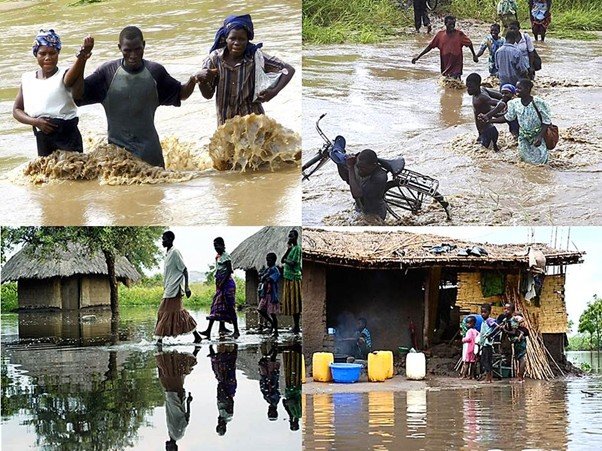
In the years 2022-2024, Malawi reported the worst cholera outbreak, according to the health officials. The statistics are quite grim: it is almost 60,000 cases and almost 2,000 deaths in total in all the 29 districts. This wasn’t a coincidence. The outbreak was after the Tropical Storm Ana in January 2022 and the Cyclone Gombe in March 2022, which displaced close to 200,000 individuals and destroyed important water and sanitation infrastructures.
The trend continued with devastating predictability. The cyclones Freddy and Chido that happened in March and December 2023 and 2024 one after another triggered floods, leaving the communities with no time to recover. All the storms led to flooding, which contaminated water supplies and latrines and displaced individuals to crowded shelters with a lack of sanitation. This translates to a cholera outbreak lasting wet and dry seasons unlike in past trends that put health systems to the edge of failure.
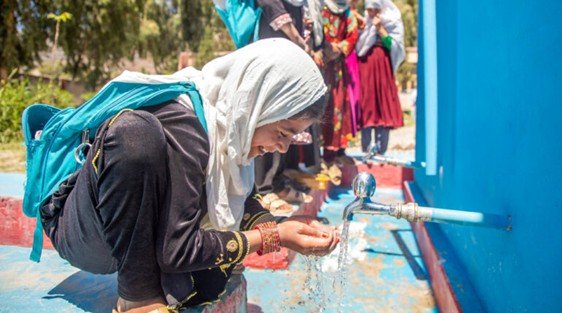
Current data shows that 61 percent of the total population of Malawi does not have access to safe drinking water, and 72 percent does not have access to adequate sanitation. These weaknesses become deadly transmission channels during extreme weather events. Flooding introduces pathogens in water sources, and droughts concentrate bacteria in scarce water sources, which provide optimal conditions to occur waterborne diseases.
The Malaria equation: Temperature, Rain, and Disease Transmission.
Although cholera makes headlines when the crisis hits, it is Malaria which is the number one killer in Malawi year after year. Climate change is redefining the malaria transmission rules by three mechanisms: increase in the temperature, alterations in rain, and the expansion of the standing water due to extreme weather conditions.
The science is simple yet alarming. Rising temperatures accelerate mosquito development, shorten their life cycle, increase blood-feeding frequency, and boost parasite reproduction. Rainfall creates aquatic breeding habitats, and prolonged wet seasons extend the transmission period. In Malawi, where malaria is endemic and seasonal, these climate changes lengthen transmission duration and expand the geographic range of disease vectors
The effect is compounded when cyclones strike. Flood water provides an excellent breeding ground to mosquitos. Destruction of infrastructure interferes with the programs of controlling vectors. The displaced populations go to new territories without immunity to the local malaria species. According to the 2024 Africa Malaria Progress Report, one of the major threats to malaria elimination activities in the continent is climate change, alongside the lack of resources and unregulated population increase.
The new programs are aware of this fact. One-fifth of the population of southern Malawi is now equipped with Early Warning and Response Systems costing 37 million dollars funded by the Green Climate Fund to predict outbreak of malaria, diarrhoea and other climate sensitive diseases. This is a step in the right direction, yet the magnitude of the implementation is still too small in comparison with the developing threat.
The Systemic Breakdown: When Health Infrastructure Fails
The real disaster is not just the diseases, but the breakdown of health systems under mounting pressures. In 2023, cyclone Freddy alone destroyed more than 80 healthcare facilities, and at the same time, it has provided the environments favourable to disease outbreaks. Health workers must make unattainable decisions: to cure patients with cholera, to cure malaria or to fix the broken infrastructure. Provision of medicine is reduced. The failure of treatment protocols occurs due to the lack of fluid resuscitation equipment or its breakage.
The cholera deaths assessed during the 2022-2023 outbreak of cholera in Malawi found out that poor intravenous fluid management in the first six hours of hospitalization was the most important risk factor of death. This was not because of insufficient medical knowledge, but the sheer turns up of cases which put stress on the treatment capacity to bursting points. A total of 45,400 cases overcame the facilities built to handle a much smaller number of patients thus creating systematic failures.
These are aggravated by geographic risk concentration. Malawi has ten most affected cholera districts that are on the verge of lakes whereby communities rely on these water bodies as sources of drinking and cooking. During cyclones, these regions are the ones that suffer the greatest risk of floods. The cities, such as Blantyre and Lilongwe, on the other hand, are experiencing other problems, although equally severe, which include the rapid urbanization, ineffective sanitation systems, and high populations that cause diseases to spread.
The Policy Imperative: Five Interventions that are Critical.
The climate change and health nexus in Malawi requires full policy answers which go beyond managing emergencies in a crisis management mode to adopting proactive response. It can be concluded that five interventions may be taken as urgent ones:
1. Climate-Resilient Health Infrastructure
The policy makers should ensure that all health facilities in flood prone areas and vulnerable to climate are designed to be climate resilient. This consists of high resilience in flood areas, water reserves, alternative energy sources, and strengthened supply chains. The EbAM project which is in progress of restoring degraded land and enhance water security shows the viability of integrated approaches. Nevertheless, the issue of health infrastructure should be clearly incorporated into the ecosystem-based adaptation measures.
2. Inbuilt Early Warning Systems.
The early warning system that is presently covering one-fifth of southern Malawi should be extended to other parts of the country. Such systems can combine meteorological data, disease surveillance and community level reporting to initiate proactive reaction to outbreaks before they become out of control. Under forecasts of heavy rainfall in climate, health systems must automatically position supplies, deploy rapid response teams and step up the community health messaging.
3. WASH Investment Infrastructure.
To overcome the cause of the waterborne disease, huge amount of money must be invested in water, sanitation as well as hygiene infrastructure. The existing statistics of 61 percent without safe water and 72 percent without proper sanitation are a time bomb to the health of the population. The climate finance mechanisms, such as the Green Climate Fund and Adaptation Fund, should put a focus on the WASH infrastructure which is resistant to extreme weather events. This will include climate resistant water systems, flood resistant sanitation facilities, and community-wide water treatment capacity.
4. Vector Control Innovation
Malaria control initiatives require climate adaptation funds to increase coverage and to come up with climate-sensitive initiatives. This incorporates weather-based indexed control of the vectors, climate-sensitive use of insecticides, and composite mosquito habitat management, factoring in flood patterns. The ongoing activities in Malawi are promising although they need to be heavily invested and with clear climate adaptation structures.
5. Local Co-ordination and Sharing of Knowledge.
Climate and disease have no respect to boundaries. The outbreak of cholera that hit Malawi also hit Mozambique, Zimbabwe, Tanzania and Zambia. The cross-border surveillance synchronized response guidelines and shared early warning information must be made possible through regional coordination mechanisms. Health systems of Southern African Development Community must specifically incorporate climate-health measures of adaptation.
The Cost of Inaction
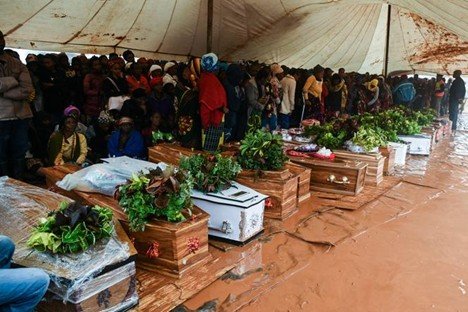
The cost of inaction, both financial and human, is far greater than the cost of adaptation. The 2022-2023 cholera epidemic in Malawi has caused economic losses of over 500 million dollars and claimed the lives of close to 2,000 individuals and affected the lives of millions among others. These crises not only divert resources long-term development, but also get communities stuck in the loop of crisis and recovery and weaken decades of progress in social health.
Climate prediction is not very encouraging. Models suggest that Malawi will undergo more severe precipitation and more prolonged droughts and more frequent cyclones. In the absence of adaptation, there will be increased health crises. The targets of the 2025 priorities of malaria eradication are already falling out of sight and the 2030 target of eliminating malaria seems more impossible to achieve unless there is an immediate action to take.
A Call to Action
The evidence to the policymakers must be responded to urgently on several fronts. Climate change is not an issue in the future in Malawi, but it is a crisis that is taking away lives and interfering with the lives of communities. The solutions lie therein, they are climate-resilient infrastructure, merged early warning systems, total WASH investment, adaptive control of vectors and regional coordination. What is needed now is the political will, adequate funding and extended implementation.
The Global Fund replenishment of 2025 is a very essential window to channel funding to health systems bolstering that includes climate adaptation. There should be increased mobilization of domestic resources in the form of End Malaria Councils and climate funds. Health infrastructure should be considered an important climate adaptation investment in the international climate finance mechanisms.
Malawi cannot wait for the next cyclone, outbreak, or health crisis. The compound threats of
solutions urgently. Millions of lives are at stake over the decisions that policymakers make today. The incremental action has long since come to pass. Large scale transformative change is what is now required.
To the policy makers in Malawi, it is no longer a question of whether they will act, but rather whether they are able to act with the urgency and magnitude at which this crisis needs to be addressed since the health security of the nation is at stake.




 Abdul-Razak Issifu Yidana
 Amadu Barrie
 Primrose Mutema

xn88 bshrf là một nhà cái cá cược uy tín mang đến cho mọi người không gian giải trí an toàn và trọn vẹn. Để giúp mọi người hiểu rõ hơn về nền tảng trực tuyến thu hút hàng nghìn người tham gia ngày, chúng tôi đã tổng hợp chi tiết thông tin quan trọng về sân chơi qua bài viết. Khám phá ngay! TONY12-30
Ngoài ra, giao diện của 888slot có lừa đảo không cũng được thiết kế phù hợp với nhiều loại thiết bị, bao gồm cả điện thoại di động. Điều này giúp người chơi có thể dễ dàng truy cập và tham gia vào các trò chơi ở bất cứ đâu và bất cứ lúc nào. TONY12-30
Finally found the official site for BHT Club! bhtclubofficial.net seems legit. Everything works as expected. Give it a look if you’re looking to join! Go to bhtclubofficial
Goldenempirevn is my new go-to. The graphics are stunning and the gameplay is super smooth. Give it a shot, you won’t regret it! goldenempirevn