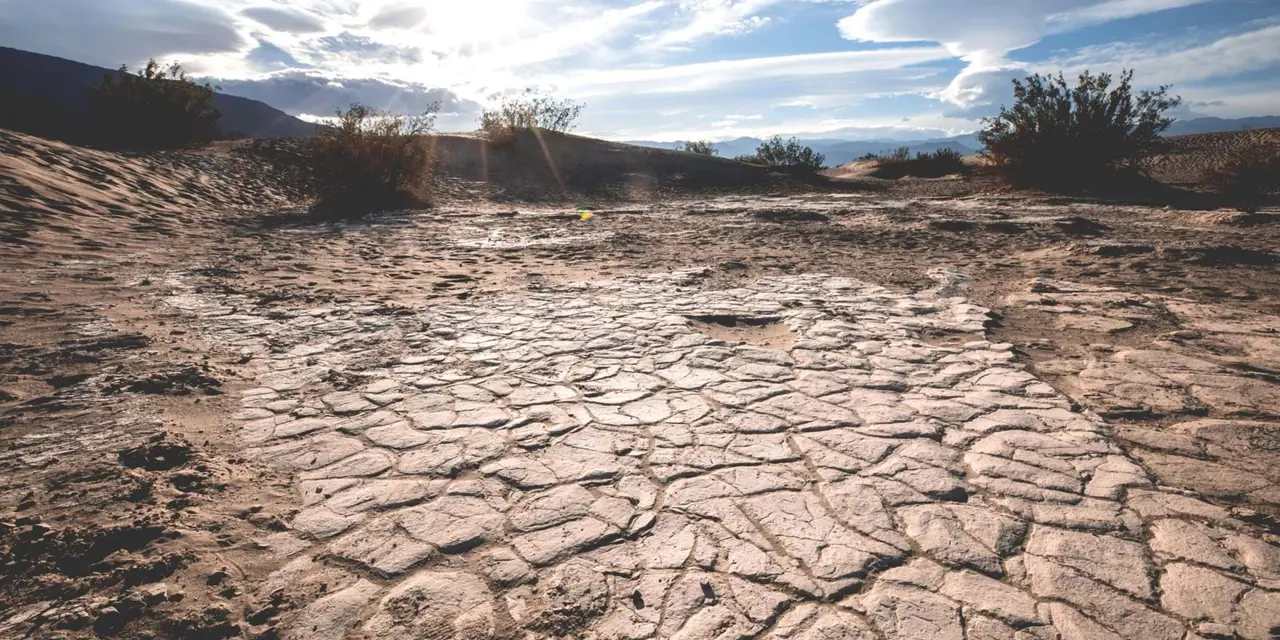

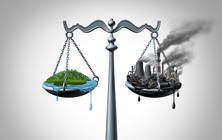
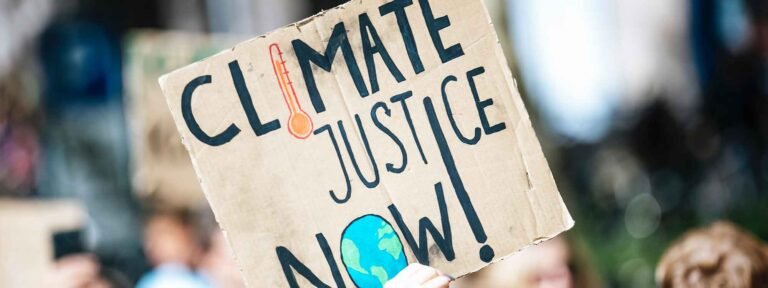
Climate change has become one of the most challenging issues facing humanity today. However, its effects are not being felt equally by all. While developed countries have enjoyed the benefits of industrialization for centuries, many developing countries have to bear the worst impacts of the climate change crisis. This inequality raises a big question: who should be responsible for all of this, and what concrete steps should we take to make climate justice a reality?
Climate Inequality: Who Bears the Burden?
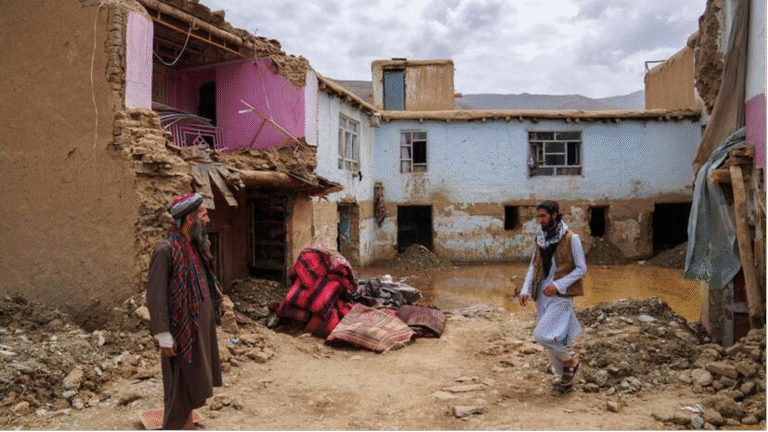
Imagine if developed countries like the United States and the European Union have built their economic power by leaving the largest carbon footprints, while developing countries like Indonesia, Kenya and the Maldives are stuck in a cycle of vulnerability while trying to strengthen their economies. This climate change worsens the condition of those (developing countries) who are insignificant in their carbon contribution to the climate change crisis (Shue, 2010). So is this fair to developing countries? Is it fair that they pay the price for a problem that they may not have caused? Take Sub-Saharan African countries for example, they are increasingly crushed by food insecurity due to drought. Or maybe the small countries of the Pacific, they are very threatened by the threat of rising sea levels (Tempo, 2024).
So in this context, it is actually developed countries that hold the key to unlocking and supporting global solutions. With abundant financial resources and advanced technology, they are very capable of having a huge positive impact. But unfortunately, their commitments are often not in line with this. For example, Green Climate Fund programs designed to help developing countries are often underfunded. This creates a huge gap between global need and real support.
Another example is REDD+ (Reducing Emissions from Deforestation and Forest Degradation) which is a program that has been introduced to offer market based incentives to the developing countries to maintain their forests (Shue, 2010). In Indonesia, which has some of the largest tropical forests in the world, REDD+ can be a perfect solution. But still, the question remains unanswered whether there will be enough funding reiteration.
Energy Transition: Challenges and Opportunities
Among the most efficient strategies to decrease the levels of GHGs in the atmosphere is the energy transition. Nonetheless, it is a very complex process and especially so for the developing countries in which the energy infrastructure is based on fossil fuel. For instance, Indonesia is one of the biggest coal producing countries in the world. The former is that the latter has agreed to shift from the use of non-renewable energy sources to the renewable energy sources, but the costs are quite high. This is where international cooperation becomes important as we have seen. Some of the examples include the Just Energy Transition Partnership (JETP) which provides a mechanism through which the developed nations can support in terms of financing and technology for accelerated energy transition. In this manner, the developing nations can advance towards the goals of climate change mitigation without having to sacrifice their own development. Besides international cooperation, the climate change solutions cannot be complete without involving the local people. People in most of the developing countries have always had close relationship with the environment. Other traditional practices include the use of agroforestry in Indonesia or the traditional irrigation systems in India which are an indication that sometimes local solutions are the best. This implies that engaging the local population in the design and delivery of climate change projects will not only make the projects relevant but also enhance the success of the sustainability agenda. For example, reforestation initiatives involving local communities can help create jobs while reducing carbon emissions. In this way, local solutions can be integrated into global strategies to create greater impact.
New Directions for an Equitable Future
To achieve climate justice, a new, more inclusive and realistic approach is needed. Developed countries need to strengthen their commitment by not only providing funding, but also ensuring targeted technology transfer. This assistance should not be an empty promise in international forums, but should be translated into concrete actions on the ground. On the other hand, developing countries must be given the space to integrate their local solutions into the global framework without adverse pressure.
Local communities, as the frontline in dealing with climate change impacts, also need to be empowered. They are not only beneficiaries, but also active partners in creating relevant and sustainable solutions. By involving people from all walks of life, from smallholder farmers to local governments, climate justice can be realized.
In addition, public education at the global level must be improved. A better understanding of the importance of solidarity in the face of the climate crisis will encourage wider participation. Effective campaigns can also open the eyes of many that climate change is not just a developing country issue, but a shared challenge that requires a collective response.
Closing: The World We Build Together Climate justice is a global affair. It is a recognition that while we have not all contributed equally to this crisis, we all have a responsibility to fix it. With inclusive and solution-oriented measures, we can build a world that is fairer, more sustainable and better prepared to face the challenges of the future. The world needs action, and justice must be at the core of every decision we make.

 Jonathan Tarnue Payne
 Precious Douglas Maulana
 Eslam Mohamed Elsheikh
 Lutfi Nurachma
 David R.K Brown
 Asef Jafari
Superrush is a great way to unwind! It’s worth a try with so many possibilities to win. This is really a top game. Stop reading and start playing superrush
Ah, KralbetAffiliate, another affiliate deal. Keen to see if this differs from the first Kralbet link. I like a good bargain! Let’s take a look: kralbetaffiliate
gamebet03 is where I find my fix for some quick betting action. Straightforward site. Quick bets here: gamebet03
I like what you guys are up also. Such intelligent work and reporting! Carry on the superb works guys I have incorporated you guys to my blogroll. I think it’ll improve the value of my web site 🙂
I am often to blogging and i really appreciate your content. The article has really peaks my interest. I am going to bookmark your site and keep checking for new information.
You are a very clever person!
Just want to say your article is as astonishing. The clarity in your publish is just excellent and i can think you are an expert on this subject. Fine with your permission let me to take hold of your feed to stay up to date with forthcoming post. Thank you one million and please keep up the enjoyable work.