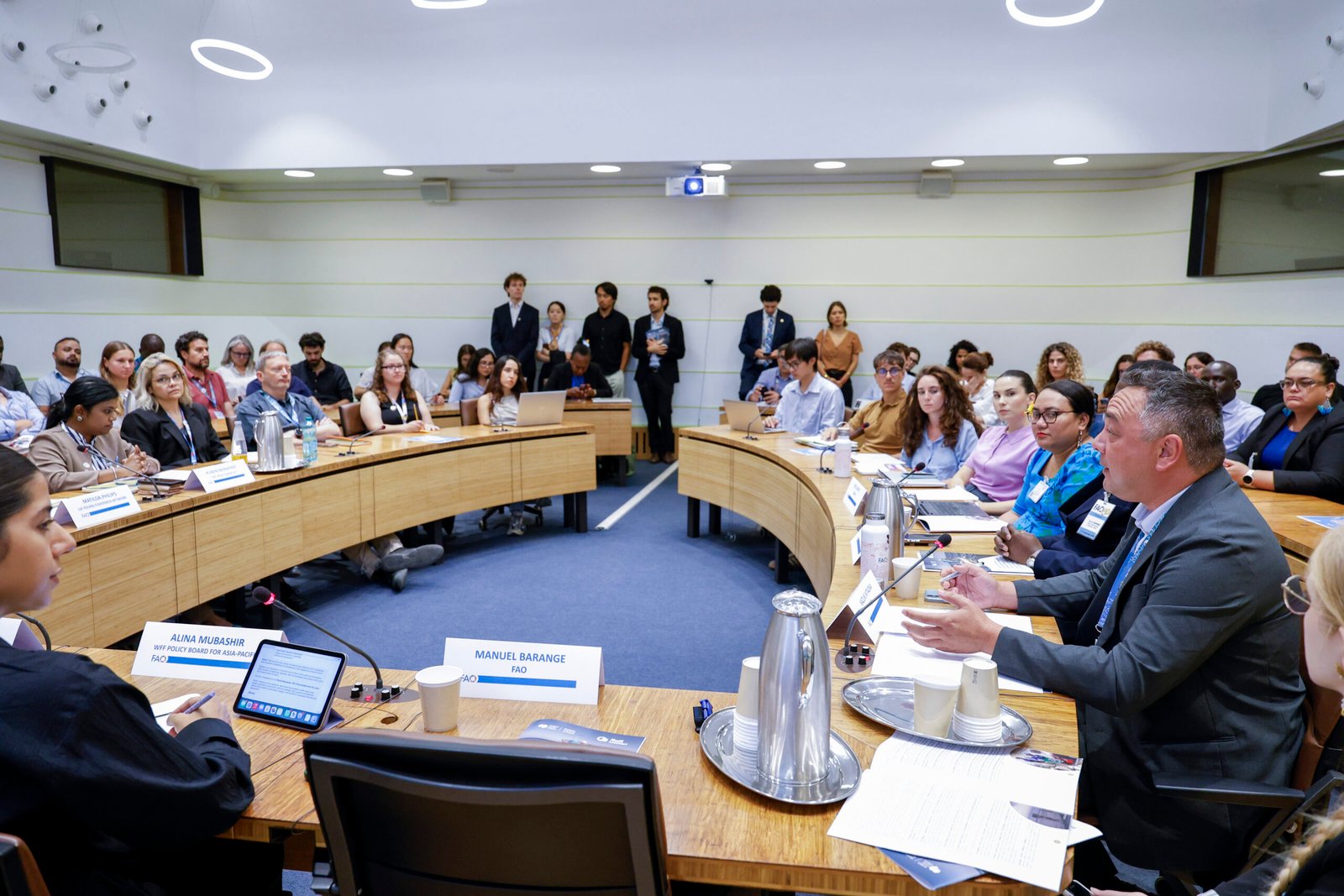

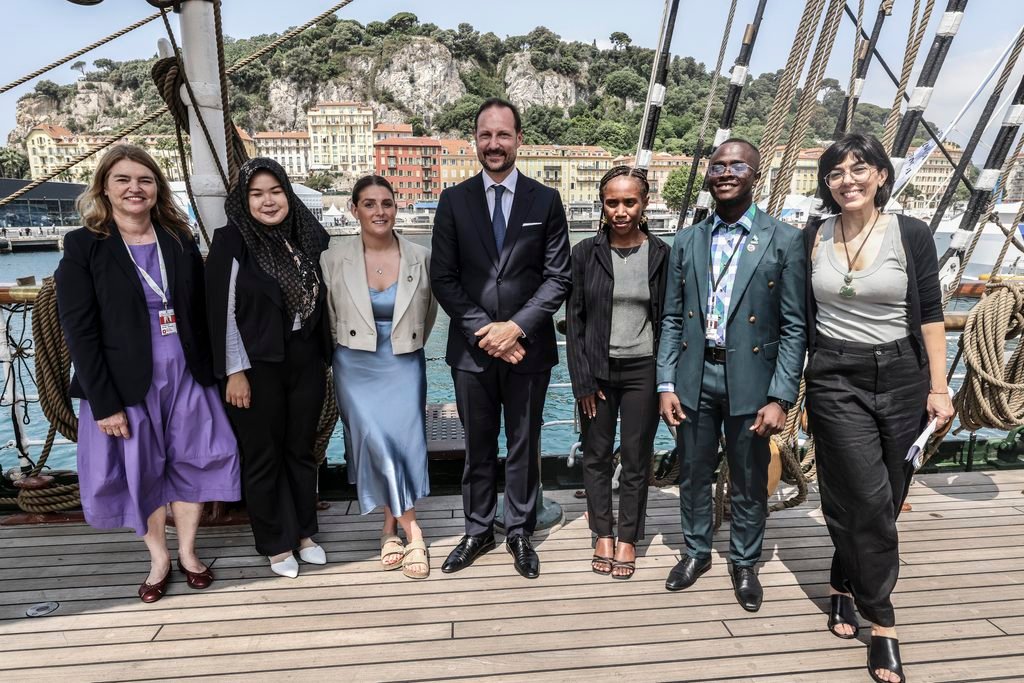
aquaculture sector. Photo credit must be given: ©FAO/Alessandra Benedetti. Editorial use only. Copyright ©FAO.
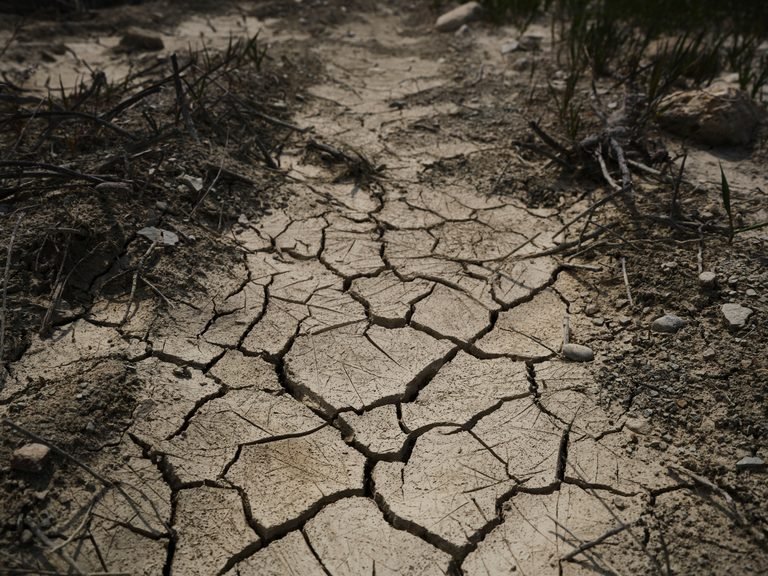
Climate change has been discussed for decades, but its effects are becoming harder to ignore. Floods, forest fires, rising sea levels, and extreme heat affect communities in different ways. Coastal communities are particularly exposed. For fishers, climate change can disrupt fishing seasons, affect fish availability, reduce household income, and threaten food security.
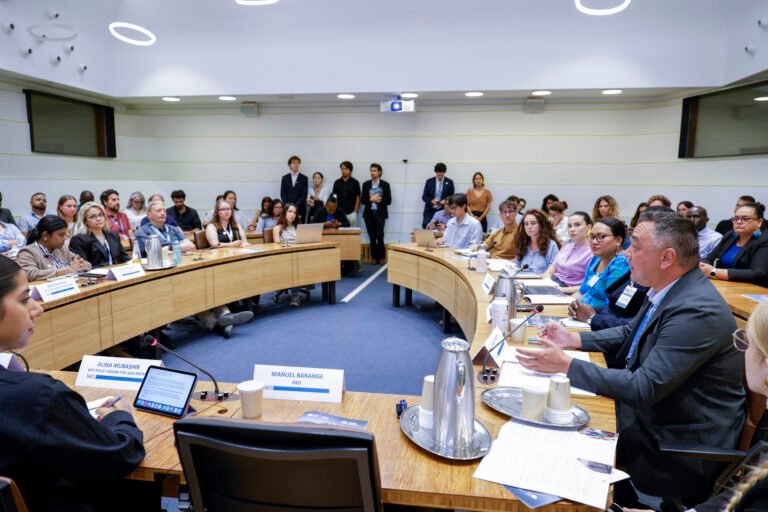
Young people have a direct interest in the future of fisheries and aquatic food systems because they will live with the long-term consequences of today’s decisions. Their participation is increasingly visible in policy discussions. However, being present at an international forum does not necessarily mean that their views will influence policy. A gap often remains between local concerns and decisions made by policymakers internationally.
The Global Youth Constituency on Fisheries and Aquaculture (GYCFA) is one initiative seeking to address this gap. It is a global, youth-led network established under the Youth Assembly of the Food and Agriculture Organization of the United Nations (FAO) World Food Forum (WFF). GYCFA was launched during the Thirty-sixth Session of the FAO Committee on Fisheries (COFI 36) in July 2024, following consultations with young people involved in aquatic food systems. Supported by FAO’s Fisheries and Aquaculture Division and Office of Youth and Women, the network brings together young people and youth-led organizations through dialogue, capacity development, policy engagement, and collaborative activities. Its aim is to ensure that young people’s concerns and priorities are included in discussions about the future of fisheries and aquaculture.
GYCFA’s role can be understood through the idea of policy communication. This is more than sharing information about a policy. It concerns how actors exchange and interpret knowledge and ideas while making and implementing decisions. Communication allows stakeholders to explain their concerns, understand other perspectives, and take part in decisions that may affect their lives.
This is important in climate policy because climate change is not only a scientific or environmental issue. It is also shaped by social conditions, economic interests, and political priorities. Scientific findings may explain how rising temperatures affect marine ecosystems, but they do not always show how fishing communities experience these changes. Scientific knowledge therefore needs to be considered alongside people’s everyday experiences. Otherwise, information may be available without being used by those who need it.
Shwom et al. (2017) make a similar point in their discussion of climate literacy. Understanding climate change requires more than knowing the science; people also need to evaluate information, communicate about it, and make informed decisions. Their discussion highlights how social factors and human behaviour shape people’s responses. Climate communication should therefore consider how different groups interpret information and what they need to act on it.
Communication matters throughout the policy process. During policy development, it allows different actors to share their experiences and concerns. Climate adaptation in coastal areas requires more than the perspectives of government institutions and scientists. Fishers, coastal communities, civil society organizations, and young people also hold useful knowledge. Fishers, for example, may notice changes in fishing seasons before these become part of formal policy discussions. If their experiences are ignored, policies may not reflect the conditions of the communities they are meant to support.
Communication also matters during implementation. Institutions and communities need to understand a policy’s goals, how it will work, and their respective responsibilities. It also allows information from the field to reach policymakers when problems arise. Oomen (2019), discussing science and knowledge in climate policy, considers how scientific knowledge can contribute to a shared understanding of climate change. Since actors interpret evidence through their own experiences, interests, and institutional positions, bringing these perspectives together can make policy responses more relevant.
GYCFA provides a space for young people to take part in fisheries and aquaculture governance. Climate change, aquatic resource sustainability, food security, and coastal livelihoods are connected challenges that require cooperation across sectors and generations. Young people should be involved not only because they will face the consequences of current decisions, but also because they bring perspectives that might otherwise be overlooked.
Bringing young people together is only the first step. Their experiences and priorities differ. Someone working with small-scale fishing communities may be concerned about changing seasons or declining catches, while a researcher may focus on scientific data and resource management. Those in civil society or fisheries businesses may have other priorities. There is no single youth perspective, so meaningful participation must make room for this diversity.
This raises a central question for international policy communication: how can different experiences be turned into messages that policymakers can act on without losing their meaning? One fisher’s experience of unpredictable seasons may seem like an individual concern. Similar accounts from several communities, however, may reveal wider problems with climate adaptation and coastal economic resilience. Turning these experiences into recommendations requires identifying shared concerns, documenting evidence, and understanding the issues behind them.
GYCFA can connect these experiences with wider discussions about fisheries and aquaculture. Consultations can identify shared priorities while helping ensure that recommendations do not reflect only groups already well represented internationally. However, collecting input is not the final achievement. What happens to the recommendations afterwards matters just as much.
An international forum gives young people an opportunity to raise concerns, but the conversation should continue afterwards. Recommendations need follow-up, and relationships built during meetings need to be maintained. For GYCFA, this means staying connected with FAO, national governments, civil society organizations, and other stakeholders so that youth priorities remain part of discussions beyond international events.
A further concern is whether young people can remain involved after their recommendations are presented. Follow-up should include feedback on which proposals were considered, which were not taken forward, and why. This matters because participation can become symbolic when people are invited to speak but receive no information about what happens next. Regular communication would help GYCFA and its members assess whether their contributions are reaching decision-makers and where stronger engagement is still needed.
Putnam’s (1988) concept of Two-Level Games offers another way to understand this challenge. He explains that international negotiations are connected to domestic political dynamics: national interests, priorities, and political conditions influence what governments can agree to internationally. An international agreement does not automatically receive domestic support or lead to implementation. Although Putnam developed this framework to explain international negotiations, it also helps show why youth recommendations must reach national and local institutions. Ideas raised at international forums still need to navigate domestic priorities before they can influence policy.
For GYCFA, meaningful participation therefore requires more than opportunities to speak internationally. It also means building connections between young people, their communities, national institutions, and international organizations. Without these links, recommendations may never reach the institutions able to act on them.
GYCFA’s role should extend beyond representing young people at international discussions. Its contribution lies in connecting their experiences with the wider policy process, bringing different perspectives together, and maintaining communication with institutions that can respond. Meaningful youth participation is not simply about having a seat at the table. It is about ensuring that young people’s contributions are taken seriously and have a real opportunity to influence decisions affecting fisheries, coastal communities, and aquatic food systems.
References
Conrad, J. (2009). Climate research and climate change: Reconsidering social science perspectives. Nature and Culture, 4(2), 113–122.
Oomen, J. (2019). A level playing field, or the hope for science as a common ground. RCC Perspectives, 2019(4), 23–30.
Putnam, R. D. (1988). Diplomacy and domestic politics: The logic of two-level games. International Organization, 42(3), 427–460.
Shwom, R., Isenhour, C., Jordan, R. C., McCright, A. M., & Robinson, J. M. (2017). Integrating the social sciences to enhance climate literacy. Frontiers in Ecology and the Environment, 15(7), 377–384.

 Jozi Ikhlas Attarik
 Muhammad Ariiq Nurfidani
 Nasib Sahim
 Grienda Qomara
 Ellena Pangestu Kavarera
 Arahman Akbar
+ There are no comments
Add yours