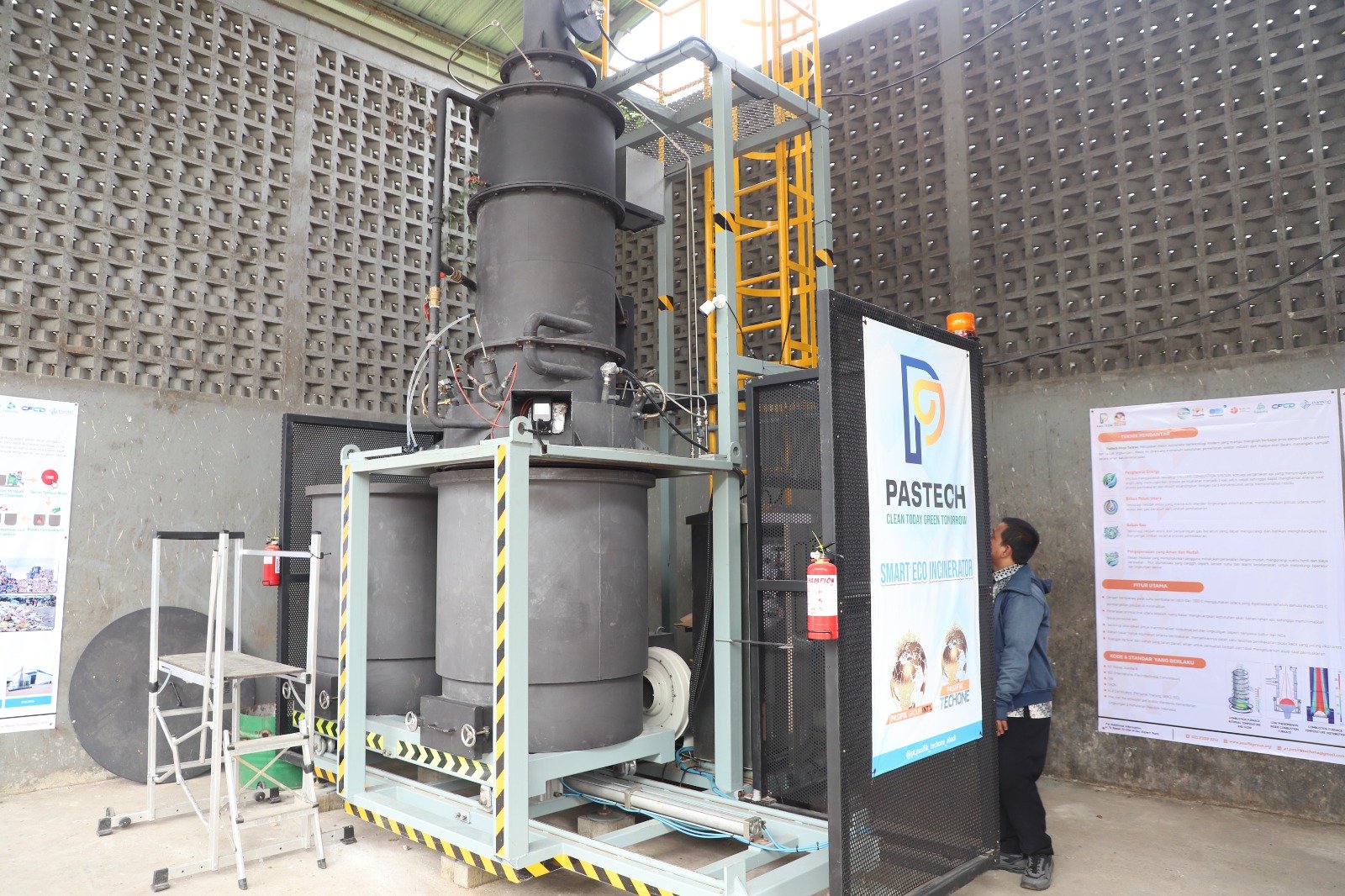

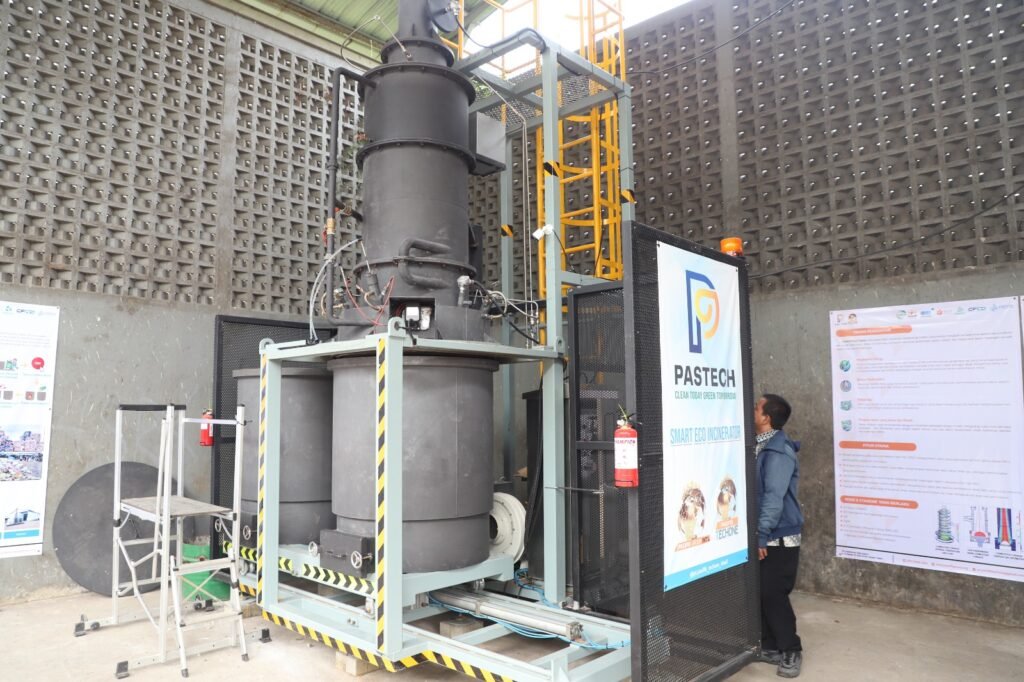
Every year, Indonesia produces about 56.6 million tonnes of waste. According to the Ministry of Environment, that is nearly as much as the entire pile at Bantar Gebang, the giant landfill that serves Jakarta and took decades to build. The country has 550 landfills, and officials warn that they could be full by 2030.
The pressure is real, and it is not only about space. Waste is a classic case of market failure. Private companies count their own profits and losses, but they do not pay for the groundwater contamination, methane emissions, and health problems that open dumping causes. This is why the government has a legitimate role to play.
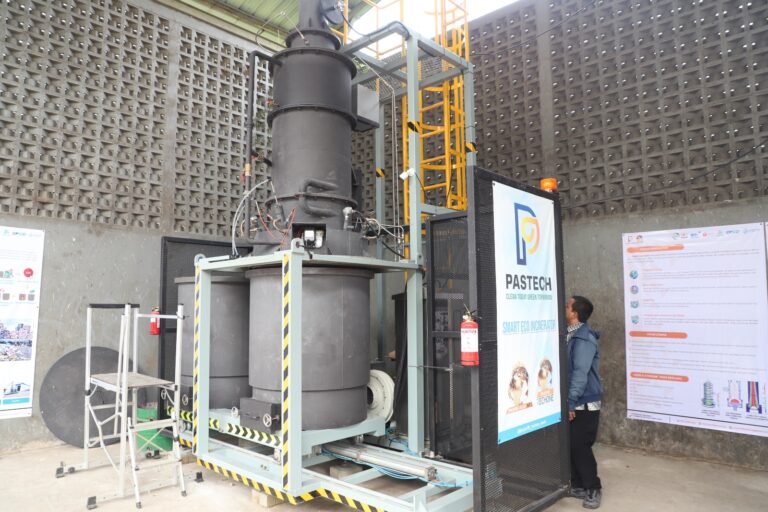
The government’s answer to overcome the waste management problem is to turn trash into electricity. It sounds like the perfect solution. Yet there is a risk that it addresses the end of the problem while ignoring the beginning.
Burning waste is like mopping a flooded floor while the tap is still running. The mop may be necessary, but the first priority is to turn off the tap.
A plan that stalled, then returned with a higher price
Indonesia has tried this before. In 2018, Presidential Regulation 35/2018 selected 12 cities to build waste-to-energy (WtE) plants. Seven years later, only two were operating: Benowo in Surabaya and Putri Cempo in Surakarta. By the government’s own count, that is a success rate of about 17 percent. Local budgets struggled with the fees, and investors saw the projects as risky, which is likely part of the explanation.
In October 2025, Regulation 109/2025 replaced the previous regulation. It requires the state utility PLN to buy electricity from WtE plants at a flat US$0.20 per kilowatt-hour for 30 years. It also removes local tipping fees (the fee a city pays to dispose of its waste) for new projects. Since the rule is meant to fix these problems, it deserves a close look.
The bill did not disappear. It moved.
According to PLN, under the old arrangement PLN paid about 13 cents per kWh, while local budgets covered the other 7 cents through tipping fees. The new price of 20 cents simply combines both into a single payment.
The amount is also large. Twenty cents is about Rp 3,400 per kWh, roughly three times the average tariff consumers paid in 2025 of about Rp 1,113. Reports indicate that the burden now falls on both PLN and the state budget, which means taxpayers carry the cost either way. For this reason, the policy needs strict cost-benefit discipline before it is expanded.
What does the public receive in return? A new plant handling 1,000 tonnes a day is estimated to cost Rp 2.5 to 3.2 trillion. Benowo, which processes about 1,000 tonnes a day, generates 9 megawatts. That is modest power for a very large investment.
A comparison with solar should be made carefully. PLN’s CEO has said solar can reach around 5 cents per kWh, and utility-scale solar is estimated at 5.6 to 8.4 cents. But solar is intermittent, and sunshine does not dispose of garbage. A fairer question is what it costs to handle each tonne of waste, and what else that money could achieve.
Why Indonesian waste is difficult to burn
Incinerators work best with dry, high-energy waste, and Indonesian waste is often the opposite. About 40 percent of it is food scraps, and in cities such as Surabaya the share is around 55 percent. Wet food waste burns poorly, so plants may need drier material, such as plastic, to keep the furnace hot. What remains is toxic ash that must be managed carefully and at additional cost.
Food that rots in landfills also releases methane, a powerful greenhouse gas. Because methane warms the planet far faster than carbon dioxide in the short term, cutting it is one of the quicker climate gains in the waste sector. Composting and anaerobic digestion can reduce these emissions sharply, and they are usually much cheaper than building an incinerator. In other words, a large part of the waste problem can be addressed without a furnace.
To be fair to the government
The government has a strong argument. Landfills are filling up now, and about two-thirds of them still use open dumping. Zero-waste systems take years to build. PLN says the fixed price gives investors certainty, and the plan is ambitious: 30 clusters across 61 regencies and cities, able to process up to 33,000 tonnes of waste a day.
That is exactly why the design matters. If the country commits to 30-year contracts at a premium, the plants should handle what remains after waste has been sorted, composted, and recycled. They should not replace those steps.
Turn off the tap first
So where should the money go? The first step is to start at the source. Mandatory sorting would send food waste to composting or biogas instead of the furnace. Neighborhood waste facilities (known as TPS3R) can reduce, reuse, and recycle close to home. Extended producer responsibility would make plastic producers pay for the waste they create. Finally, national and local governments need clearer coordination, because even the best technology fails when no one is clearly in charge. These steps cost money too, but they tackle the cause rather than the symptom.
A simple test can guide future decisions. Before a city signs a 30-year contract, three questions should be answered in public: how much waste will be sorted before it reaches the furnace, what each tonne costs compared with composting and recycling, and who pays when the plant produces less power than promised.
Waste-to-energy can have a place as the last step in the chain. But a 30-year, 20-cent promise is a large bet on the end of the pipe.

 Mwaiwawo Banda

 Mujibullahi Shahud
 Seftario Virgo
 Jawal Sualisu
 Hanifah Setyaningrum
Its like you read my mind! You seem to know a lot about this, like you wrote the book in it or something. I think that you could do with some pics to drive the message home a bit, but other than that, this is excellent blog. A fantastic read. I’ll certainly be back.