
Indonesia now has the highest biodiesel blend in the world and almost all of its target is reached. But when the fuel still depend on palm oil and the land behind it is not managed, the climate promise of this policy can burn together with our forest.
On 1 July 2026, every liter of diesel sold in Indonesia must contain 50 percent biodiesel from palm oil. This rule come from Kepmen ESDM 257/2026, and it make Indonesia the first country that force a blend this high. Government put this program under PP 40/2025 about National Energy Policy and also claim it is part of Indonesian commitment in the Paris Agreement to reduce greenhouse gas emission.
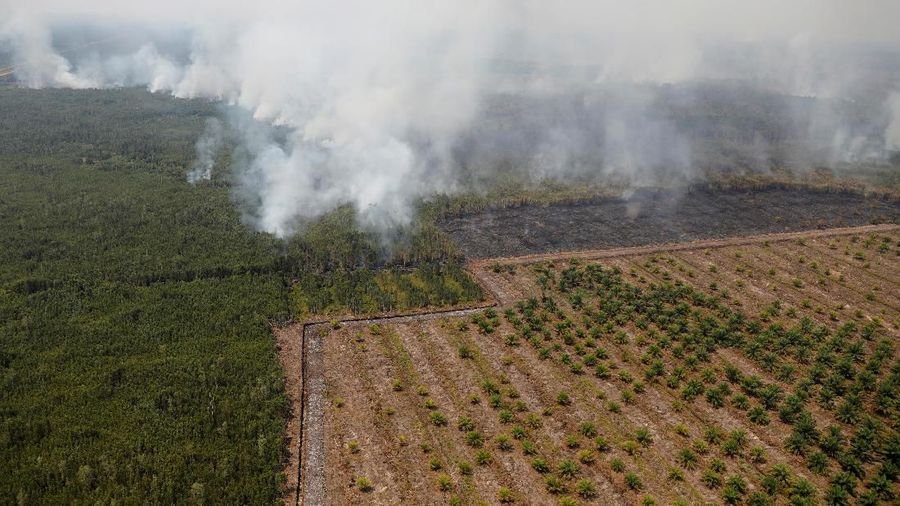
The timing of B50 is quite ironic for me. In the same months when the mandate start, Indonesia is burning again. Fires in Kalimantan, Sumatra and Papua send toxic haze to Malaysia and Singapore, and many of them happen in peatland and plantation area. So the question is not whether the state can force a fuel mandate, it clearly can. The real question is whether this mandate really cut emission, or only move the emission from the tailpipe to the forest.
The state reach its own target
Honestly, if we only look from the target, this program is a success story. Biodiesel use reach 14.2 million kiloliter in 2025, or 105.2 percent from the target. The blend also keep rising step by step, from B15 in 2015, B30 in 2020, B35 in 2023, B40 in 2025 and now B50.
This is industrial policy in the classic form. The state did not wait until biodiesel become cheaper than diesel, it create the market by mandate and pay the price gap through levy of palm oil export, which now 12.5 percent from the reference price. The B50 decree also give sanction until revoke business permit for company who not follow the mandate. In the side of import, Minister of Energy claim diesel import decrease from around 8.3 million ton in 2024 to around 5 million ton in 2025, even part of this number also come from the new Balikpapan refinery.
For emission, ministry report B30 reduce 27.8 million ton CO2 in 2022 and B40 reduce 32.2 million ton CO2 until November 2025. Not many climate policy in our region can show number like this.
The cost that the number not show
The problem start from the raw material. Biodiesel can be made from many vegetable oil, animal fat or used cooking oil, but in Indonesia almost all come from crude palm oil. Every time the blend go up, the demand of palm oil also go up, and open new plantation become more profitable. The emission number from government also look too clean for me. When the claim divided by the volume, the result always around 2.65 ton CO2 for every kiloliter biodiesel, from 2022 until 2025. It show that ministry likely only count the change from diesel to biodiesel at the pump, not what happen in the plantation. Traction Energy Asia count that 13.8 million kiloliter biodiesel only reduce around 9.27 million ton CO2 even with no land clearing at all. When the palm oil come from peatland conversion, biodiesel emission can be higher than the diesel itself.
For B50 the risk become bigger. Study in Nature Sustainability estimate the target need 4.85 to 8.55 million hectare land in 2030, with potential emission 360 to 3,753 million ton CO2e. Meanwhile government only have projection 46.72 million ton reduction for 2026. In economic term this is indirect cost, it never appear in the price of one liter fuel or in the blending target, but in the end the atmosphere still pay it.
Karhutla 2026, when the risk become visible
This year karhutla make this indirect cost become very visible. Nusantara Atlas estimate fires in Indonesia already burn 2.88 million hectare in 2026, more than the full year of 2019 that before this was the worst year in their record. Government itself has not give official update since announce 202,000 hectare until the end of July. From January to September, around 206 thousand hectare land inside palm oil concession also burn, and Greenpeace Indonesia note around 41.1 million people affected by haze from August to early October.
I do not say biodiesel is the cause of this fire. El Nino make this year very dry, and fire in Indonesia already have long history before B50. But expert also say the fire is the result of decades of deforestation and drying peatland for plantation. This is the same kind of land that will be under pressure when palm oil demand keep rising. In only one season, the burned area already reach around one third until more than a half of the land that B50 might need by 2030. Ultimately, the emission that government count as saving from biodiesel can disappear in one dry season if the land behind it keep burning.
The haze also show this is not only domestic problem. Singapore ask 10 Singapore based company in palm oil and forestry to explain their link with the fires. When neighbour country start to question our plantation, the claim that biodiesel is clean energy become more difficult to defend in international level.
Land policy that never meet the mandate
The real problem is not about Indonesia have no land policy, but the policy never connect with the mandate. Moratorium of new palm oil permit through Inpres 8/2018 already end in 2021, while the blend keep rising from B30 to B50. ISPO now also cover bioenergy sector under Perpres 16/2025, but for independent farmer it only mandatory start 2029, three years after B50 begin.
Actually the existing land still can be maximize. Smallholder produce around 40 percent less palm oil per hectare than private estate, but replanting program only reach 278,200 hectare from 2.8 million hectare potential during 2017 to 2022. Meanwhile, Coordinating Minister for Economic Affairs said the timing of B50 depend on the dynamic of energy and palm oil price. For me this signal is more about market, not about land.
The benefit and the risk also not shared equally. Biodiesel producer and big plantation company get guaranteed domestic market that backed by export levy. The risk fall to forest, peatland community and smallholder who do not have money to replant, and this year also to millions of people who breathe the haze.
What should change
Some people may argue that not all new palm oil comes from forest, and every clean energy also have dirty side, like electric vehicle that need nickel mining for the battery. This argument is true, but it actually show why the state must measure where the palm oil come from and how much emission really saved.
There are three things that government can do:
- Report biodiesel emission with full life cycle, including land use change, and publish the method.
- Connect every increase of the blend with replanting and productivity target, so new demand is fulfilled from existing plantation first.
- Make ISPO mandatory for smallholder faster, and require biodiesel raw material come from verified deforestation free supply.
Indonesian biodiesel mandates show that the state can move fast and enforce strong. This capacity is real and should be keep. However, as long as the land behind the blend is not managed as serious as the blend itself, B50 will stay as strong energy policy but weak climate policy, and every dry season like this year will remind us about it.

 Mwaiwawo Banda

 Mujibullahi Shahud
 Seftario Virgo
 Jawal Sualisu
 Hanifah Setyaningrum
 Fadhli Ilahi
+ There are no comments
Add yours