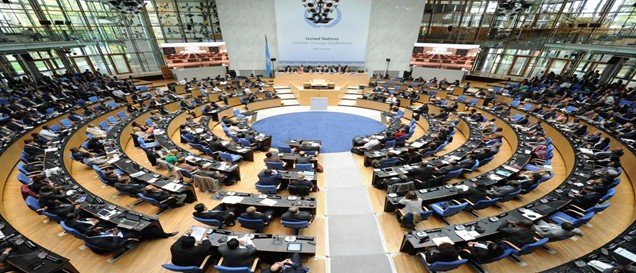
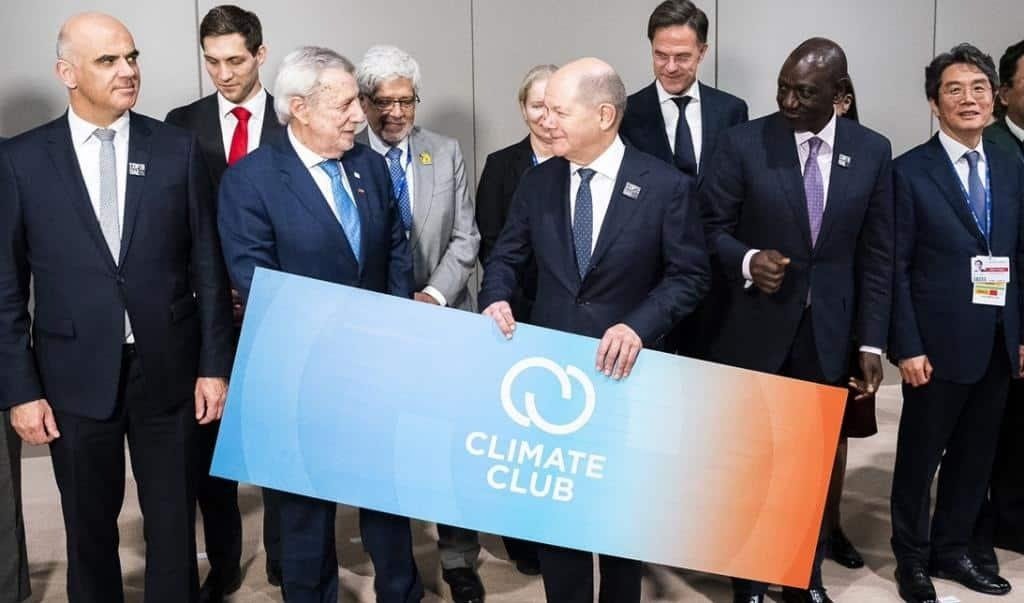
A decade after the Paris Agreement in 2015, the 30th Conference of the Parties or COP30 was held in Belém, Brazil. Nations and the global community gathered with one singular focus of turning pledges into actions, especially discussing the Global Goal on Adaptation (GGA) and climate finance. From the COP30 a lot of outcomes were […]
Category: Climate Diplomacy
Afghanistan’s Exclusion from COP30: A crisis of climate Justice
The case of Afghanistan illustrates a profound injustice in global climate governance: despite contributing a negligible 0.07% of global emissions, the country is ranked among the ten most vulnerable worldwide, yet remains one of the least prepared to adapt. This stark vulnerability shows that Afghanistan’s absence from the recent Conference of the Parties (COP30) in […]
Carbon Sink to Carbon Source
Why the Amazon Transformation is a Menace to Man. The Amazon rainforest is popularly referred to as the lungs of the earth and has a long history of being the greatest carbon keystone to the human race. This massive eco system has been capturing billions of tonnes of carbon dioxide in the atmosphere over the […]
When the State Can No Longer Find Its People
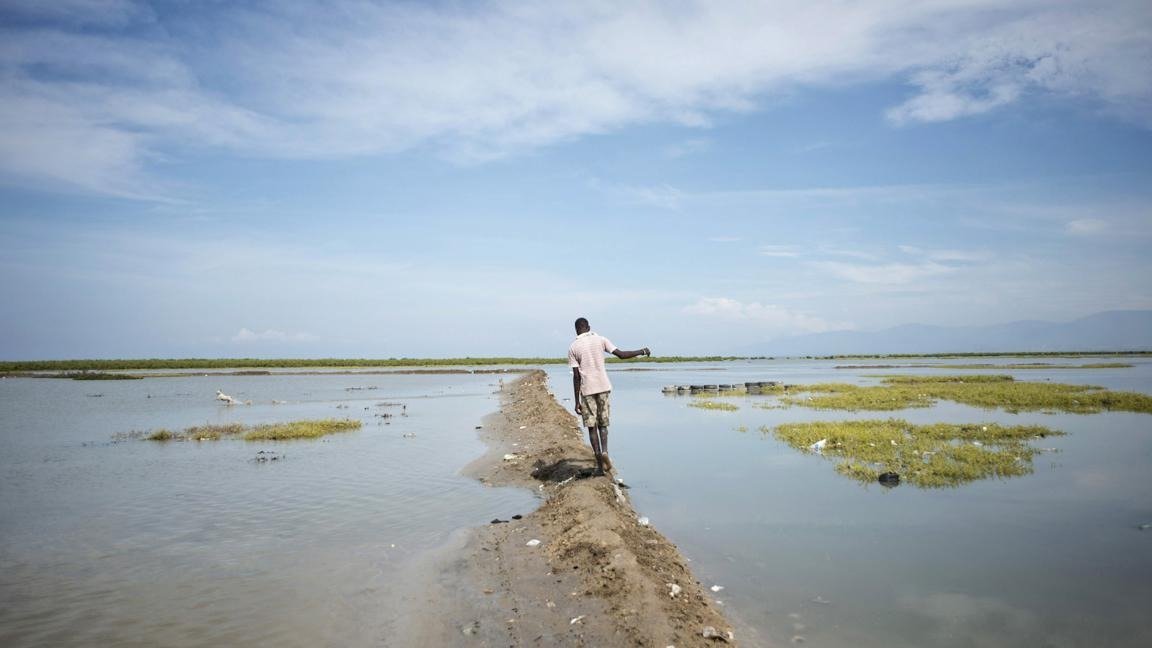
Climate-induced floods and the Quiet Unravelling of Citizenship When the monsoon rains started falling at the end of 2025, they did not knock outside the doors in a polite way, they wiped whole neighbourhoods off the face of the earth. In central Viet Nam, a single meteorological station had over 1,700 mm of precipitation on […]
When Floods Shape Climate Diplomacy in South East Asia.
The floods that hit the Indonesian provinces of Aceh, West Sumatra, and North Sumatra were not only environmental disasters; they were also a humanitarian and political shock. According to The National Disaster Management Authority, as of December 15, 2020, there were 1,068 reported deaths, the majority of whom were found in Agam Regency, Aceh Utara, […]
Compound Disasters in Pakistan
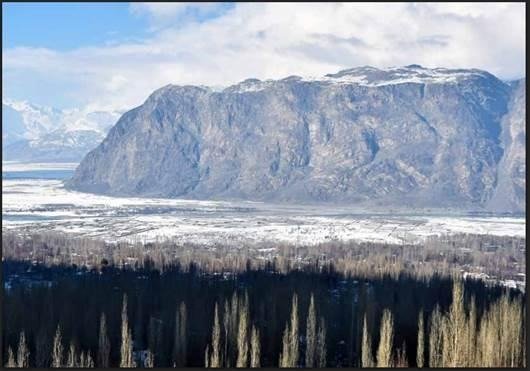
Extreme Weather, Social Vulnerability, and State Capacity The floods of 2025 are Pakistan’s deadliest climate disaster in recent history due to monsoon rains.It is produced by unprecedented rainfall and accelerated glacial melt coupled with governance failures into a national emergency. The event revealed, on the one hand, how monsoon dynamics have evolved in a warming […]
From the Pulpit to the Planet
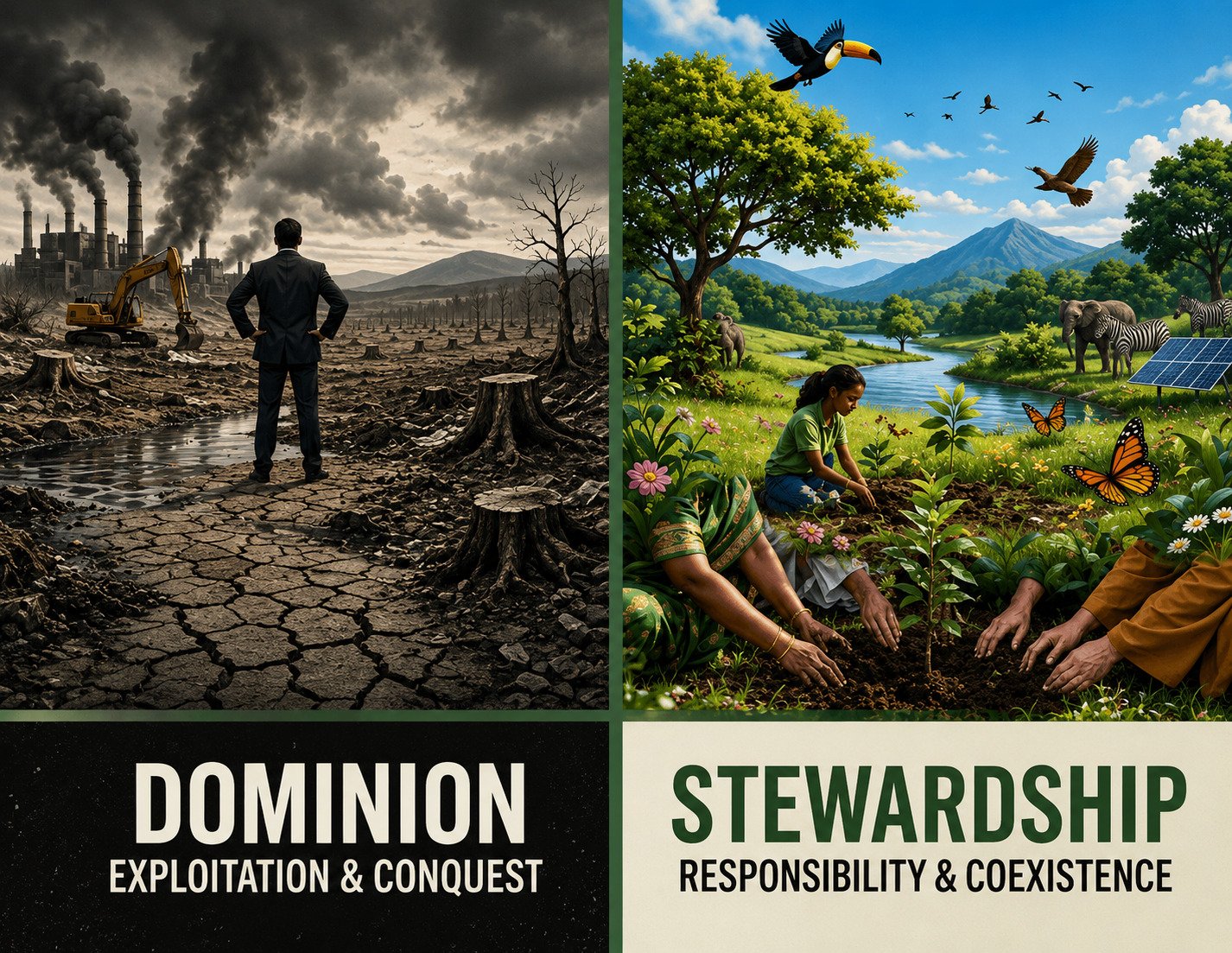
Climate Diplomacy Through Islamic Stewardship Muslims everywhere head to the mosque for Friday Prayers, or Jumu’ah prayers, in their hundreds of millions every Friday. More than just prayer, the khutbah is listened to and is designed to guide Muslims in their spiritual and moral life. But how many of them relate the big Islamic teachings […]
Climate Diplomacy in a Polarized World: Advocating for the Global South through BRICS
Indonesia’s decision to join the BRICS economic alliance marks a transformative shift in its foreign policy and economic strategy. By aligning itself with Brazil, Russia, India, China, and South Africa, Jakarta aims to leverage this platform to address critical global challenges, including climate change. This essay explores how Indonesia’s membership in BRICS can help achieve […]
Ensuring a Just Transition in ASEAN Energy Cooperation: Mainstreaming GEDSI in APAEC Phase III
The global push for energy transition is changing how nations produce and use energy. For ASEAN, this shift is necessary to address climate change and build a sustainable future. However, it could increase social inequalities if not carefully managed. To navigate this challenge, the ASEAN Member States have jointly established ambitious energy transition goals: achieving […]
Net Zero by 2050: Will Indonesia’s Actions Match Its Ambitions?
Indonesia’s commitment at COP29 to achieve net zero emissions before 2050 is a bold and ambitious step that reflects the country’s growing recognition of its role in the global fight against climate change. As one of the world’s largest greenhouse gas emitters, Indonesia faces a complex challenge in meeting its commitments. While the target is […]