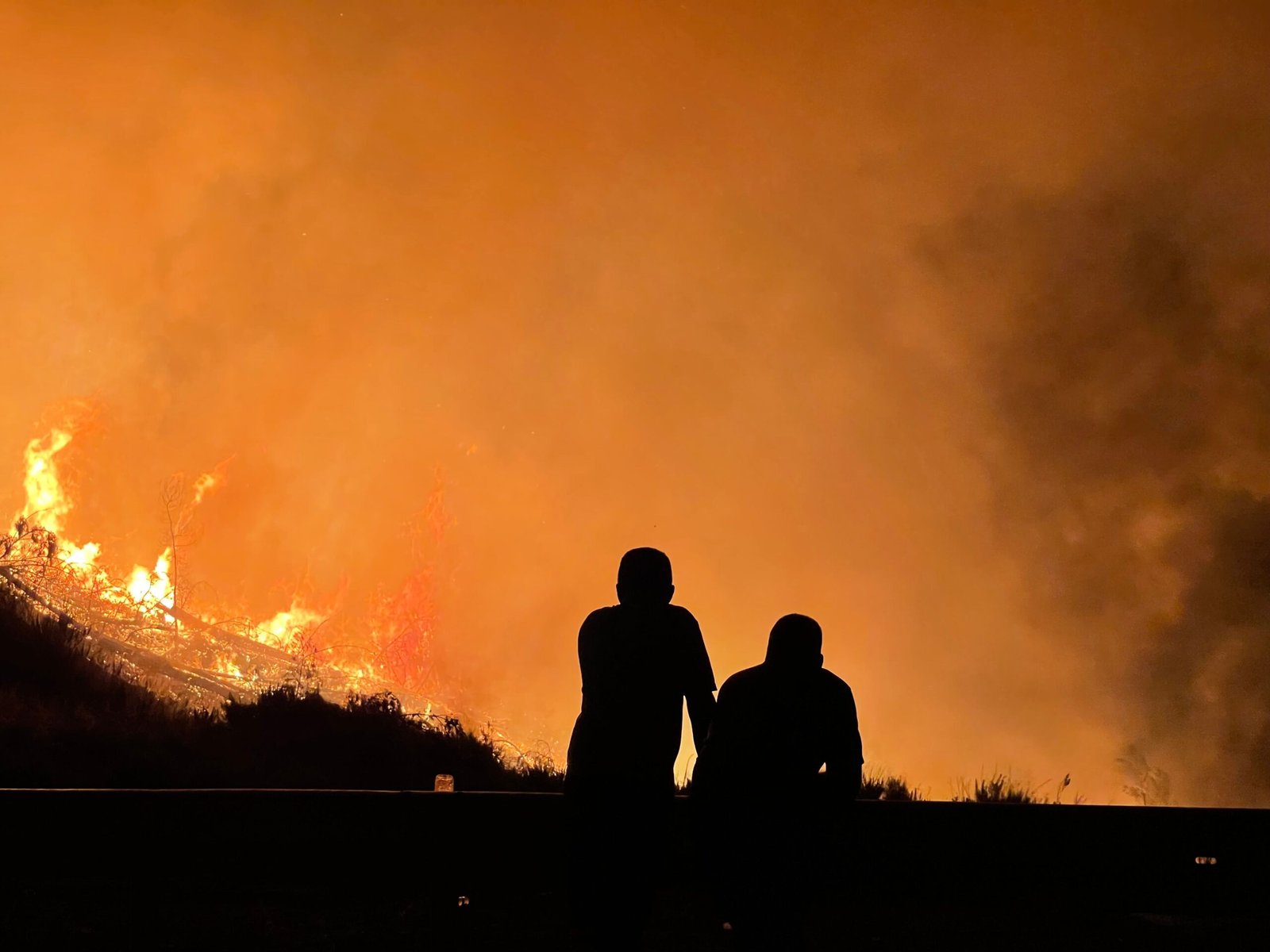

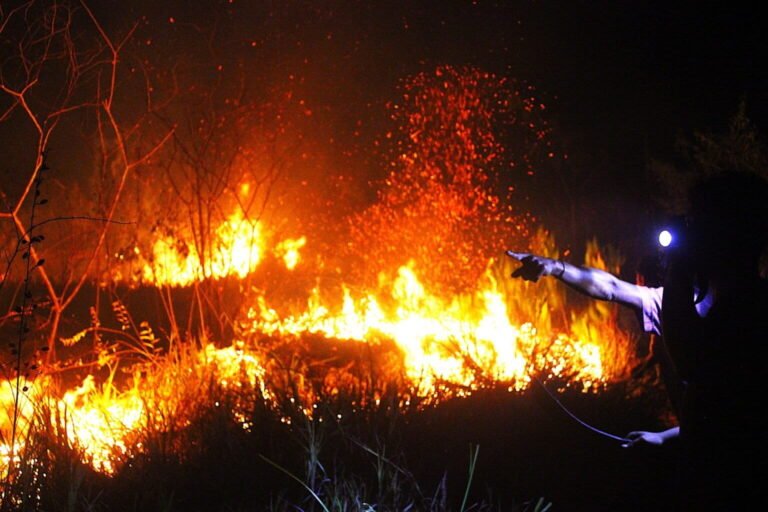
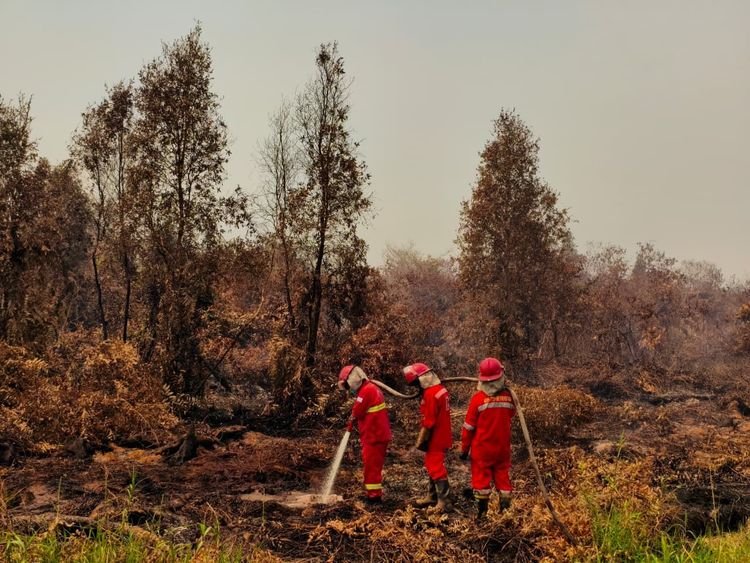
Days when the people of Kalimantan, Sumatera, and Papua choke the haze are days the country failed in providing climate justice. An independent assessment from Nusantara Atlas reported that around 1.9 million hectares of land were affected by fire in the period of January to September this year, surpassing by 38% in the same period in 2019. These affected areas are equal to twelve times the size of London. Given the immense losses and damages that the public has faced over the past few months, current climate policies have yet to truly guarantee protection for the people who bear the greatest consequences of climate change and environmental degradation.
Unequal Vulnerability of Environmental Disasters
Those most affected by forest fires are often not the ones who benefit most from the human activities that degrade the environment. Children, pregnant women, low-income communities, and indigenous peoples are the ones who bear a disproportionately greater risk. One of the most concerning risks in this widespread forest fires is the health problem, which has recently recorded more than 425,167 cases of respiratory infections. Research on the 1997 forest fires in Indonesia, indicates that prenatal exposure to air pollution leads to reduced height in children (Tan-Soo & Pattanayak, 2019). This suggests that even after forest fires are extinguished, their long-term, irreversible health impacts persist. Ultimately, affecting the socioeconomic well-being of the affected children as they grow up.
This inequality carries deeper implications for indigenous communities in Indonesia, who do not view forests only as ‘vacant’ land awaiting development. For them, the forest is a living space linked to their cultural identity, livelihoods, and ecological knowledge. Ironically, the state continues to frame the activities of indigenous peoples as a cause of forest fires, as much be experienced by the people of Dayak Ngaju since 1982. Their traditional slash-and-burn (tebas-bakar) practice is often blamed for the blazes, although this method is actually a strategy to manage the high acidity of peat soil, with the resulting ash and smoke providing natural fertilizer. Furthermore, these practices incorporate mitigation measures to prevent the fire from spreading to other areas (Fadhila, 2025).
Such narratives overlook the significant responsibility of corporations engaged in land clearing. The issuance of a Presidential Instruction Number 11 of 2016 also blurs these distinctions. This regulation could restrict the traditional agricultural practices of indigenous peoples and create legal loopholes regarding such activities. In this regard, the government has failed to differentiate between traditional and commercial burning practices within its regulatory framework. This oversight could indirectly pave the way for the criminalization of indigenous communities. Meanwhile in reality, the most extensive forest and land fires have occurred within private concessions: 4,788 hectares within the area held by PT Mayawana Persada, under a forest utilization business license (PBPH) and 3,496 hectares within the area held by PT Mekar Karya Kahuripan, under a commercial land-use right (HGU) for plantations.
The Absence of Climate Justice Commitment at COP31
Unfortunately, amidst the recurring forest and land fires, the government has once again demonstrated that climate justice continues to be ignored. Rather than focusing on the legal prosecution of corporations suspected of causing these fires and addressing the resulting damages, the government is instead opening the door for the use of degraded land for National Strategic Projects (PSN) in the food and energy sectors. Not only does this contrast to Presidential Instruction Number 11 of 2016, which prioritizes the rehabilitation of areas affected by fires, but it also threatens the achievement of Indonesia’s FOLU Net Sink 2030 target. Above all, this discourse appears that environmental restoration remains focused on the economic expansion agenda, which frequently overlook the urgent need for climate policies that prioritize the protection of most affected communities by these disasters. Thereby requiring a reassessment of climate policy that provides justice to local communities and indigenous peoples.
Indonesia’s diplomatic narrative regarding climate justice at COP31 also yet to fully demonstrate how commitments are being translated into protection, the recognition of rights, and meaningful participation for the communities that bear the greatest consequences of environmental degradation, even though this agenda has been brought to the COP stage since last year. The government can begin to prove this commitment by realizing the formal recognition of 1.4 million hectares of customary forests, of which only 1,175.3 hectares or approximately 0.08% of the total have been recognized so far. Furthermore, it should provide adequate recognition and protection for the communities that have long safeguarded forests, given that 70% of the best-preserved forest cover is currently located within indigenous territories and areas managed by local communities. Without secure land-rights, vulnerable communities risk losing access to their own living space due to the expansions of concessions and changes in land-use designation.
As long as policies remain oriented toward large-scale climate solutions, economic development, food and energy security, and carbon market mechanisms, the space available to the most vulnerable communities will continue to shrink. While the long-term burdens they are forced to bear will only grow. Climate policy reform in Indonesia must place the protection and the recognition of the rights of vulnerable communities and indigenous peoples at the core of forest fire prevention. Therefore, climate policy in Indonesia must be grounded in three dimensions of climate justice:
- Distributive justice, to ensure a fairer allocation of funding, protection, and development benefits. Because communities living near forests bear the impact of fires and haze, while the economic benefits derived from land use are enjoyed by other actors.
- Procedural justice, to guarantee the meaningful participation of indigenous peoples and local communities in decision-making. Local communities must have a voice in decisions regarding concessions, national strategic projects (PSN), restoration, and forest management.
- Recognitional justice, to acknowledge the rights of indigenous peoples to their territories, cultural identities, and ecological knowledge. The state has to move away from viewing indigenous peoples as obstacles to economic growth and development, a framing that has undermined their political authority over forest resources (Simarmata, 2024). It is time to recognize indigenous peoples as sources of ecological knowledge who can meaningfully participate in the management of natural resources.
The credibility of Indonesia’s climate commitments on the international stage should not be measured only by the scale of green investment or the ambition of its energy transition, but also by the nation’s ability to ensure that the most vulnerable communities and indigenous people receive the protection, recognition, and justice that not have been fully provided to them.
*For the children who struggle to breathe with relief, for local communities who continue to be disadvantaged by the haze, and for the indigenous people whose forests are still burning: may the fires soon be extinguished, along with those climate policies that so often fail to guarantee your fundamental rights.
References:
- TheTreeMap. (2026, October 21). Indonesia’s 2026 fires: 1.9 million hectares affected by fire through September. Nusantara Atlas. https://nusantara-atlas.org/indonesias-2026-fires-1-9-million-hectares-affected-by-fire-through-september/
- Al Machmudi, M. I. (2026, November 8). Kemenkes catat 425.167 kasus ISPA akibat karhutla, balita paling rentan. Media Indonesia. https://mediaindonesia.com/humaniora/953704/kemenkes-catat-425167-kasus-ispa-akibat-karhutla-balita-paling-rentan
- Pejabat Pengelola Informasi dan Dokumentasi Kementerian Dalam Negeri. https://ppid.kemendagri.go.id/front/dokumen/detail/300470568
- J. Tan-Soo, & S.K. Pattanayak, Seeking natural capital projects: Forest fires, haze, and early-life exposure in Indonesia, Proc. Natl. Acad. Sci. U.S.A. 116 (12) 5239-5245, https://doi.org/10.1073/pnas.1802876116 (2019).
- Fadhila, H. N. (2025). Kesesakan yang gaib: Kisah perempuan Dayak Ngaju dalam navigasi kebakaran hutan dan lahan. Umbara: Indonesian Journal of Anthropology, 10(2). https://doi.org/10.24198/umbara.v10i2.64271
- Karhutla di Konsesi dalam Area Gambut Lindung. (2026). Pantau Gambut. https://pantaugambut.id/publikasi/karhutla-di-konsesi-dalam-area-gambut-lindung
- Simarmata, R. (2024). The current updates of the progresses and the challenges of recognition of customary forests in Indonesia. Jurnal Ilmu Kehutanan, 18(2). https://doi.org/10.22146/jik.v18i2.12660
- Tim Delegasi AMAN. (2026, November 12). AMAN menagih janji pemerintah Indonesia akui dan lindungi hak masyarakat adat di COP 31 Turki. Aliansi Masyarakat Adat Nusantara. https://www.aman.or.id/news/read/2571
- Puspa, A. (2026, November 11). Agenda Indonesia COP31 dinilai belum sentuh keadilan iklim. Media Indonesia. https://mediaindonesia.com/humaniora/954786/agenda-indonesia-cop31-dinilai-belum-sentuh-keadilan-iklim
- OECD (2024), Environmental Justice: Context, Challenges and National Approaches, OECD Publishing, Paris, https://doi.org/10.1787/57616eb4-en.

 Mwaiwawo Banda
 Jawal Sualisu

 Hanifah Setyaningrum
 Fadhli Fauzan Ilahi
 Seftario Virgo
 Mujibullahi Lawan Shahud
+ There are no comments
Add yours