
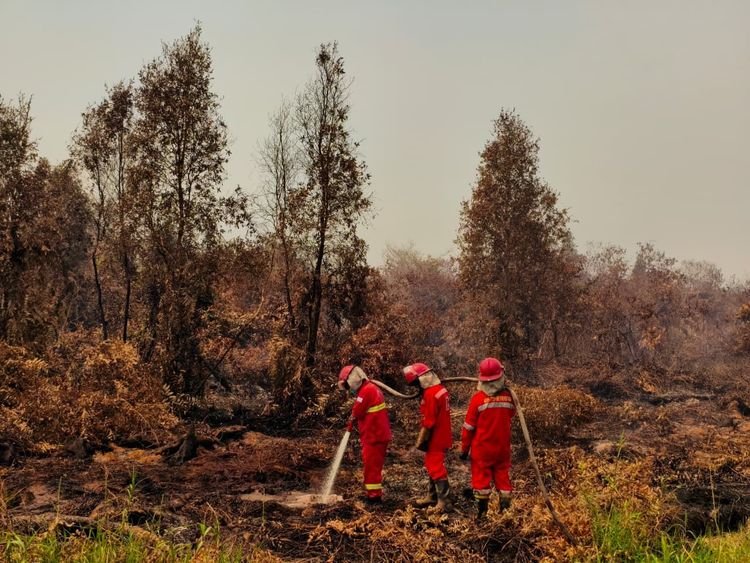
Indonesia is an archipelagic country with a big coastal area. This location places Indonesia at significant risk from climate change. The Meteorology, Climatology, and Geophysics Agency (BMKG) noted that 2024 was the hottest year on between 1981 – 2004, with an average temperature reaching 27.5°C, or 0.8°C (Wicaksono, 2025). Furthermore, sea levels in Indonesia are rising at a rate of 4.3 mm per year (Kementerian Lingkungan, 2025). Meanwhile, the National Disaster Management Agency (BNPB) recorded 3,116 disasters in Indonesia between January and December 17, 2025, with approximately 99 percent being hydrometeorological disasters, while the remainder were geological disasters such as earthquakes, volcanic eruptions, and tsunamis (Pratama, 2025). This data demonstrates the magnitude of the risks Indonesia faces due to climate change.
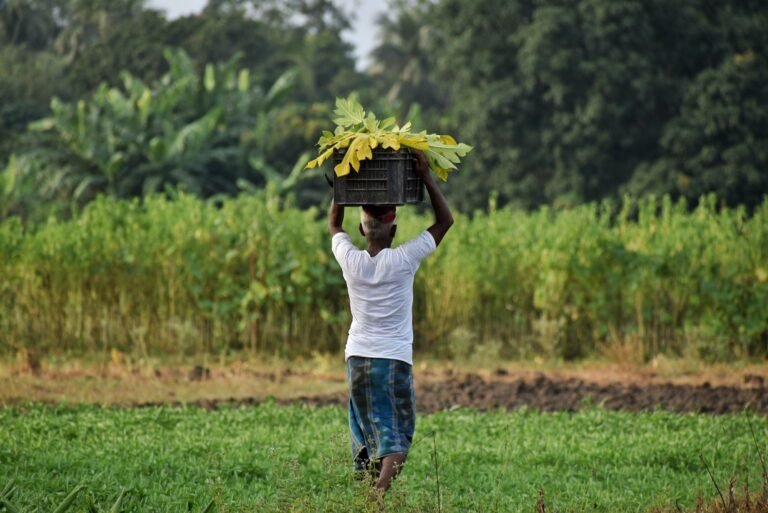
The impacts of climate change not only affect environmental conditions but also social life, the economy, and public welfare. BMKG emphasized that climate change has the potential to disrupt farmers’ food security, the safety of fishermen, and the survival of vulnerable groups (Juliawati, 2026). Climate change also increases the vulnerability of rice farmers to drought, especially on agricultural land located downstream of irrigation networks (Arifah et al., 2022). This demonstrates that climate change can increase the vulnerability of Indonesians, especially those whose livelihoods depend on agriculture, fisheries, and natural resources.
The first threat from climate change in Indonesia is sea level rise. In 2024, BMKG stated that sea levels in Indonesia are expected to rise by 0.8-1.2 centimeters (cm) per year due to the impacts of climate change (Wiguna, 2024). Furthermore, the Coordinating Minister for Infrastructure and Regional Development, Agus Harimurti Yudhoyono emphasized that the threat of sea level rise cannot be viewed solely as a technical infrastructure issue. This threat also concerns human safety, the sustainability of coastal communities, and the future of Indonesian civilization (Kementerian Koordinator Bidang Infrastruktur dan Pembangunan Kewilayahan, 2026). These show that Indonesia cannot take sea level rise lightly.
The second is flood, which frequently occurs in Indonesia. Climate change has been shown to drastically increase the frequency of flooding. This is due to a reduction in nature’s ability to absorb carbon, resulting in water not being absorbed optimally (Dwiatmodjo, 2023). In addition, climate change also increases rainfall and the frequency of rainfall, which causes many drainage systems to be unable to accommodate the water discharge, resulting in flooding (Panguriseng et al., 2024). When flooding occurs, the impacts extend beyond damage to buildings and infrastructure. Floods can also disrupt economic activities, reduce the quality of education and health conditions, damage housing, and cause loss of livelihoods and income (Mutiani et al., 2024).
The third is drought. Higher global temperatures increase evaporation, reducing the availability of groundwater and surface water, which can exacerbate droughts. This can threaten food security due to reduced water for agriculture. (Permana, 2025). BMKG also asked the regions that are predicted to experience below-normal rainfall to take anticipatory measures by adjusting agricultural management by adjusting planting patterns and water availability to maintain food crop productivity (Herlambang, 2024).
These three threats demonstrate Indonesia’s need to adapt to the risks of climate change. This adaptation requires significant costs, including for infrastructure development, flood control, coastal protection, ecosystem rehabilitation, and water resource management. At the same time, the government must also meet various other priority needs. This situation creates challenges in the country’s fiscal management, given limited state revenues. Therefore, creative financing is needed that can expand development funding sources, especially for green projects and support climate change adaptation.
One creative financing strategy developed by Indonesia is the issuance of Green Sukuk Retail. This instrument is a State Sharia Securities (SBSN) issued to support state budget financing, including projects that meet green criteria. The word “retail” means that Indonesian citizens can purchase it as an investment instrument and receive returns. According to the Green Sukuk Allocation and Impact Report 2024 published by the Ministry of Finance, Indonesia has issued Green Sukuk Retail six times from 2019 to 2023, with a total issuance value reaching IDR 30.68 trillion (Indonesia. Direktorat Jenderal Pengelolaan Pembiayaan dan Risiko [DJPPR], 2024). This issuance is used to support the achievement of Sustainable Development Goals through financing green projects, particularly in climate change mitigation and adaptation efforts. Here are some reasons why Green Sukuk Retail is relevant to Indonesia’s climate future.
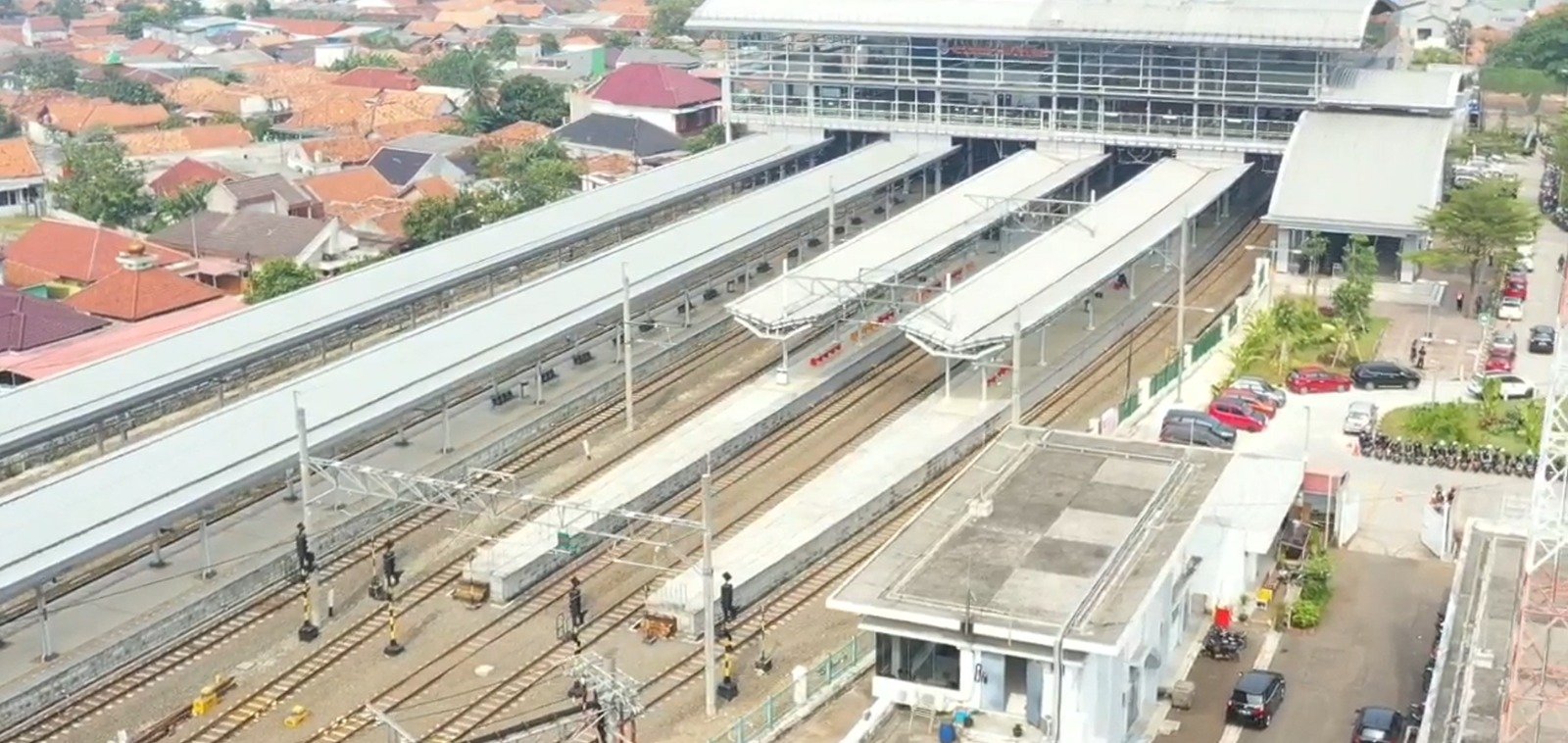
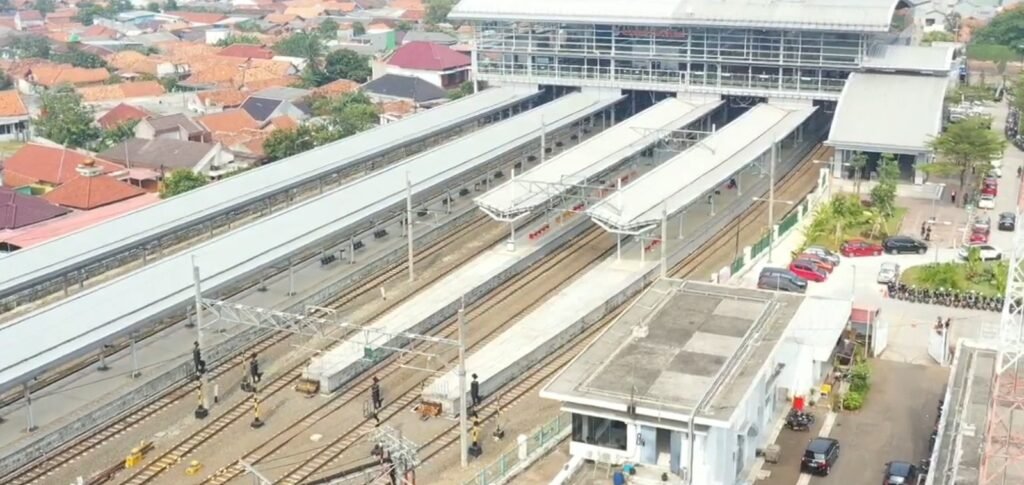
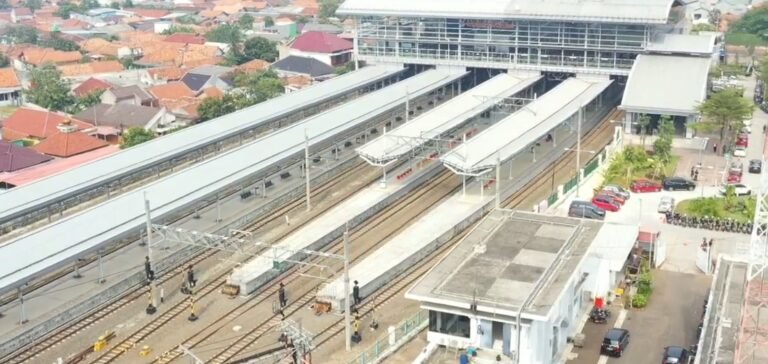
First, Green Sukuk Retail is a financing instrument based on green underlying assets, so the funds raised are allocated to finance or refinance projects that meet environmental criteria. Based on the Green Sukuk Allocation and Impact Report 2024, the Ministry of Finance indicates that Green Sukuk financing supports various projects that provide environmental benefits, ranging from reducing greenhouse gas emissions to increasing community resilience to the risks of climate change. One example is the construction of a 33 kilometres double-track railway on the Mojokerto-Sepanjang route in East Java. This project contributed to a reduction of 710,596.56 tons of CO₂ equivalent in greenhouse gas emissions from rail transportation in Java in 2022. This demonstrates how financing sustainable transportation projects can support climate change mitigation efforts while improving community connectivity and mobility (Indonesia. DJPPR, 2024).
Second, Green Sukuk Retail, a domestic state financing, also provides opportunities for the public to participate in financing green projects. Through this instrument, climate change financing involves not only the government, international institutions, and institutional investors, but also the public as individual investors. The government provides easy investment access through the issuance of Green Sukuk Retail, one of which is the ST016T4 series in 2026, which can be purchased online with an order value starting from IDR 1 million (DJPPR, 2026). Nisrina and Pimada (2024) show that environmental awareness has a positive and significant influence on the interest of millennials and Generation Z to invest in Green Sukuk Retail. This public participation is increasingly relevant considering that Indonesia still faces significant financing needs to achieve its emission reduction targets. By expanding the domestic investor base, Green Sukuk Retail can become an instrument for diversifying government financing while encouraging public involvement in supporting a more sustainable future for Indonesia.
As a retail investment instrument, Green Sukuk Retail can be easily purchased online through official government distribution partners. This ease of investment is expected to expand public access to government financial instruments and enable participation in green financing.
At the end, climate change is a shared challenge that requires the involvement of government, businesses, and the public. The threat of sea level rise, flooding, and drought demonstrates Indonesia’s need for sustainable investment to strengthen climate resilience. Green Sukuk Retail is one instrument that connects development financing needs with public participation. From the government’s perspective, the funds raised from Retail Green Sukuk are used to finance green projects and generate environmental benefits that can mitigate the risks of climate change. From the public’s perspective, Green Sukuk Retail can be an option for achieving personal financial goals while simultaneously contributing to building a more climate-resilient Indonesia.
References
- Arifah, Salman, D., Yassi, A., & Bahsar-Demmallino, E. (2022). Climate change impacts and the rice farmers’ responses at irrigated upstream and downstream in Indonesia. Heliyon, 8(12), e11923. https://doi.org/10.1016/j.heliyon.2022.e11923
- Dwiatmodjo, Muhammad Arfari. (2023, June 04). Perubahan Iklim Picu Peningkatan Kejadian Bencana [Climate Change Triggers Increased Disasters]. bnpb.go.id. https://www.bnpb.go.id/berita/perubahan-iklim-picu-peningkatan-kejadian-bencana
- Direktorat Jenderal Pengelolaan Pembiayaan dan Risiko. (2024). Green sukuk allocation and impact report 2024. Kementerian Keuangan Republik Indonesia. https://djppr.kemenkeu.go.id/laporankinerja
- Direktorat Jenderal Pengelolaan Pembiayaan dan Risiko. (2026, May 7). Rencana penjualan Sukuk Tabungan seri ST016T2 dan ST016T4 [Planned offering of Sukuk Tabungan series ST016T2 and ST016T4]. Kementerian Keuangan Republik Indonesia. https://djppr.kemenkeu.go.id/rencanapenjualansukuktabunganserist016t2danst016t4
- Herlambang, Dwi. (2024. November 4). Pandangan Iklim 2025, BMKG: Insyaallah Kondisi Iklim Indonesia Tidak Ada Anomali [2025 Climate Outlook: BMKG: God Willing, Indonesia’s Climate Conditions Will Be Unanomalous]. bmkg.go.id. https://www.bmkg.go.id/siaran-pers/pandangan-iklim-2025-bmkg-insyaallah-kondisi-iklim-indonesia-tidak-ada-anomali
- Juliawati, Linda. (2026, June 30). BMKG Perkuat Ketahanan Iklim Masyarakat di Indonesia Timur Melalui Kolaborasi dengan Pemprov NTT dan Australia [BMKG Strengthens Climate Resilience of Communities in Eastern Indonesia Through Collaboration with the NTT Provincial Government and Australia]. bmkg.go.id. https://www.bmkg.go.id/berita/daerah/bmkg-perkuat-ketahanan-iklim-masyarakat-di-indonesia-timur-melalui-kolaborasi-dengan-pemprov-ntt-dan-australia
- Kementerian Koordinator Bidang Infrastruktur dan Pembangunan Kewilayahan. (2026, Juli 13). Menko AHY: Kenaikan Muka Air Laut Bukan Sekadar Persoalan Infrastruktur, Melainkan Kemanusiaan dan Peradaban [Coordinating Minister AHY: Sea Level Rise Is Not Just an Infrastructure Issue, But a Humanity and Civilization Issue]. kemenkoinfra.go.id. https://kemenkoinfra.go.id/detailpost/menko-ahy-kenaikan-muka-air-laut-bukan-sekadar-persoalan-infrastruktur-melainkan-kemanusiaan-dan-peradaban \
- Kementerian Lingkungan. (2025, November 13). National adaptation plan – Republic of Indonesia. UNFCCC. https://unfccc.int/documents/653857
- Mutiani, Rusmaniah, Triyono, S., Jumriani, & Febrian, M. I. (2024). Impact of floods on the socio-economic conditions of communities in Sungai Tabuk. The Kalimantan Social Studies Journal, 6(1). https://doi.org/10.20527/kss.v6i1.13294
- Nisrina, A. D., & Pimada, L. M. (2024). Greening investments: A deep dive into the investment preferences of millennials and Gen Z in retail green sukuk. Review of Islamic Economics and Finance, 7(2), 103–122.
- Panguriseng, M. S. S. K. D., & Mahmuddin. (2024). Climate change and flood disaster risk in the existing conditions of unsustainable city drainage (Case study: on the Jongaya Canal, Makassar City). Jurnal Ilmiah Ecosystem, 24(3), 417–427. https://doi.org/10.35965/eco.v24i3.5400
- Permana, Adi. (2025. June 19). Bagaimana Perubahan Iklim Berdampak pada Sumber Daya Air? [How Climate Change Impacts Water Resources?]. dsda.jabarprov.go.id. dsda.jabarprov.go.id/postingan/bagaimana-perubahan-iklim-berdampak-pada-sumber-daya-air-6853839d3cafe86ff797cf31
- Pratama, Rizky L. (2025, December 24). Data Bencana Indonesia 2025: 3.116 Kejadian, Banjir Jadi Penyumbang Korban Terbesar [Indonesian Disaster Data 2025: 3,116 Incidents, Floods Leading to Largest Death Toll]. Kompas.tv. https://www.kompas.tv/info-publik/639409/data-bencana-indonesia-2025-3-116-kejadian-banjir-jadi-penyumbang-korban-terbesar
- Wicaksono, Adityo. (2025. January 3). Anomali Suhu Udara Rata-Rata Tahun 2024 [Average Air Temperature Anomaly in 2024]. bmkg.go.id. https://www.bmkg.go.id/iklim/anomali-suhu-udara-rata-rata-tahun-2024
- Wiguna, D.K.S. (2024, April 18). BMKG sebut tinggi muka laut di RI naik hingga 1,2 cm per tahun [BMKG stated sea levels in Indonesia are rising by up to 1.2 cm per year]. antaranews.com. https://www.antaranews.com/berita/4063614/bmkg-sebut-tinggi-muka-laut-di-ri-naik-hingga-12-cm-per-tahun

 Mwaiwawo Banda
 Jawal Sualisu
 Fadhli Fauzan Ilahi
 Seftario Virgo
 Mujibullahi Lawan Shahud
+ There are no comments
Add yours