
Introduction
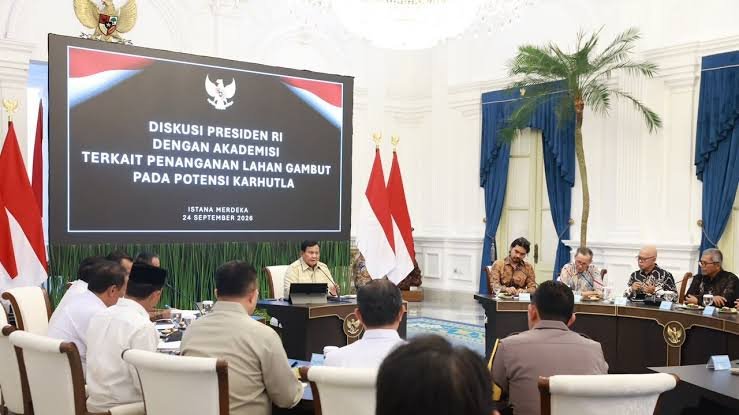
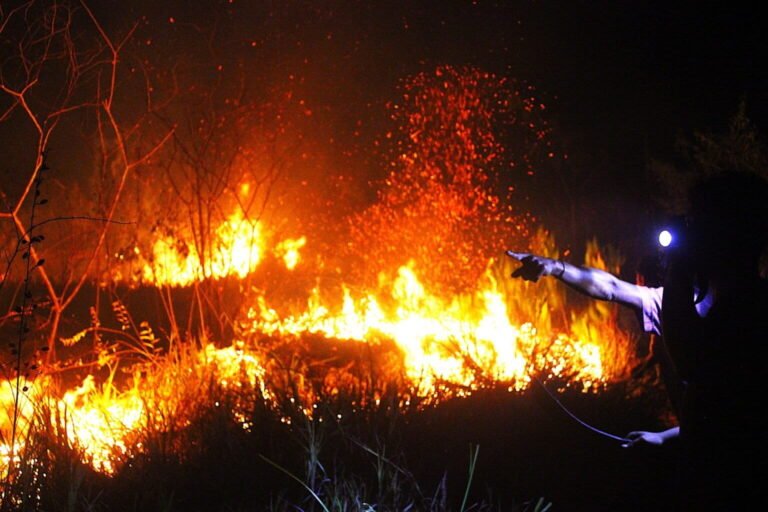
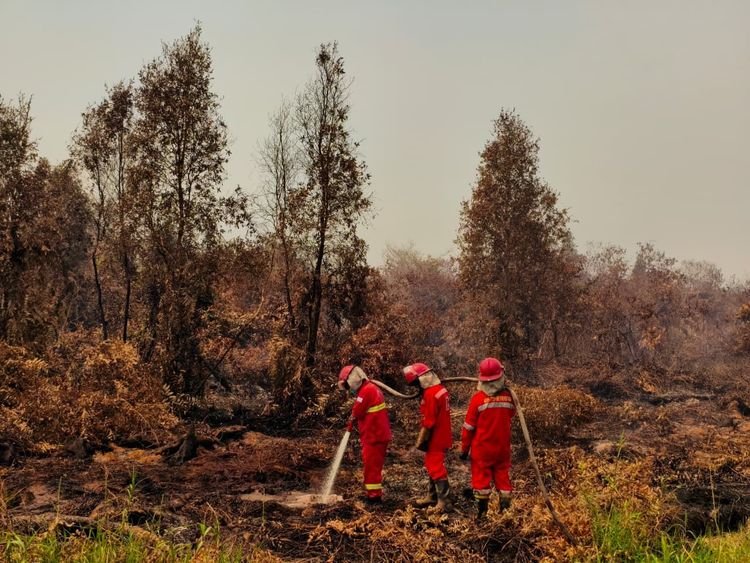
Indonesia has faced extensive forest and land fires across Kalimantan, Sumatra, and several other regions. The severity of these fires cannot be separated from the government’s decision to dissolve the Peatland and Mangrove Restoration Agency (BRGM) at the end of 2024. Before its dissolution, the agency played an important role in restoring peatland ecosystems and preventing forest and land fires through restoration programs and coordination across government ministries. This article examines the consequences of BRGM’s dissolution for the severity of forest and land fires in 2026.
Dissolution of BRGM
The Indonesian government established the Peatland Restoration Agency (BRG) in 2016 in response to the devastating forest and land fires of 2015. Since then, BRG had implemented a national restoration program to restore ecosystem functions and prevent fires in peatland areas. In 2020, BRG became the Peatland and Mangrove Restoration Agency (BRGM), with an expanded mandate that included mangrove restoration.
BRGM’s mandate officially ended on December 31, 2024, as stipulated in Article 34 of Presidential Regulation No. 120 of 2020 concerning the Peatland and Mangrove Restoration Agency. Although discussions had taken place about extending its mandate until 2028, the government ultimately decided not to continue the agency. This decision was formalized in a letter from the Minister of State Secretary dated April 17, 2025, which terminated BRGM’s authority.
BRGM’s Contribution to Forest and Land Fire Prevention
Various stakeholders had warned that dissolving BRGM would make it more difficult for the government to prevent forest and land fires. Research by Madani Berkelanjutan found that 26,761 hectares of peatland burned between July and August 2025. Throughout 2025, forest and land fires in peatland areas remained at a very high level, even without the influence of El Niño.
BRGM had also made a substantial contribution to preventing forest and land fires. By the end of its mandate, the agency had restored approximately 1.6 million hectares of peatland. A study by Selmayanti et al. (2026) found that BRGM’s large-scale peatland restoration programs reduced hotspot density by up to 22% in restored areas during the 2019 El Niño event.
Impacts of BRGM’s Dissolution
The dissolution of the Peatland and Mangrove Restoration Agency (BRGM) threatens the continuity of restoration efforts amid the degradation of approximately 3 million hectares of peatland since the 2015 forest and land fires. The cross-ministerial coordination function previously carried out by BRGM has not been replaced by an institution with equivalent authority.
The transfer of some responsibilities to the Peatland and Mangrove Ecosystem Management Centers (BPEGM), which operate merely as Technical Implementation Units (UPT), has also created gaps in institutional authority and funding. Furthermore, only three BPEGM offices, located in Jambi, Pontianak, and Sorong, are responsible for managing approximately 24 million hectares of peatland ecosystems despite limitations in personnel, governance, resources, and budgets.
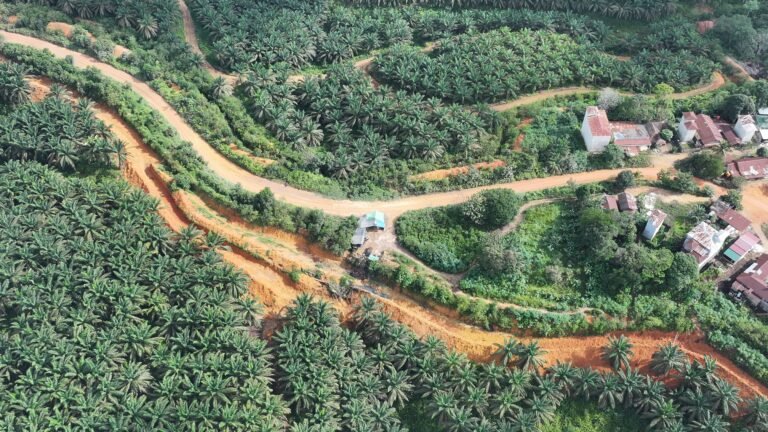
These conditions have prompted Pantau Gambut to call for a halt to concession permits in peatland areas, including sugarcane plantation and bioethanol projects under the National Strategic Projects (PSN) in South Papua. According to its monitoring, at least 86,107 hectares of peatland hydrological units (KHG) burned between January and July 2026, primarily in West Kalimantan, Central Kalimantan, and South Papua. By August 2026, approximately 15,000 hotspots had been identified in South Papua, with nearly 10,000 located within food and energy development areas designated as National Strategic Projects.
The weakening of peatland protection is also evident in the deterioration of fire prevention infrastructure, including 250 bore wells and canal blocks inherited from the former one-million-hectare Peatland Development Project (PLG). Since 2017, this infrastructure had been maintained by Community Fire Awareness Groups (MPA). However, BRGM’s dissolution led to the termination of funding for draining bore wells and clearing access routes. As a result, the fires in July and August 2026 left only around 20% of the bore wells intact, while most of the remaining supporting infrastructure was damaged by fire.
The Prabowo Administration’s Response
President Prabowo Subianto established the National Peatland and Mangrove Management Agency (BPGMN) as a measure to strengthen long-term forest and land fire prevention. According to Minister of Forestry Raja Juli Antoni, the establishment of this agency represents an institutional change from the dissolved Peatland and Mangrove Restoration Agency (BRGM), particularly because BPGMN is placed directly under the President’s authority. BPGMN’s programs will focus on the village level by strengthening local communities’ capacity to detect and prevent the emergence of hotspots. To support its implementation, the government plans to involve professionals, academics, and experts in peatland and mangrove ecosystems.
Another fundamental change concerns the policy orientation of peatland and mangrove ecosystem management, which is shifting from a restorative approach toward a preventive one. While BRGM previously prioritized restoring degraded areas, BPGMN is intended to prevent environmental degradation and fires at an early stage by strengthening the capacity of village communities. The government considers prevention a more effective and efficient approach than responding to environmental damage after it has occurred, while continuing to integrate mangrove ecosystem protection with its contribution to local livelihoods.
Recommendations
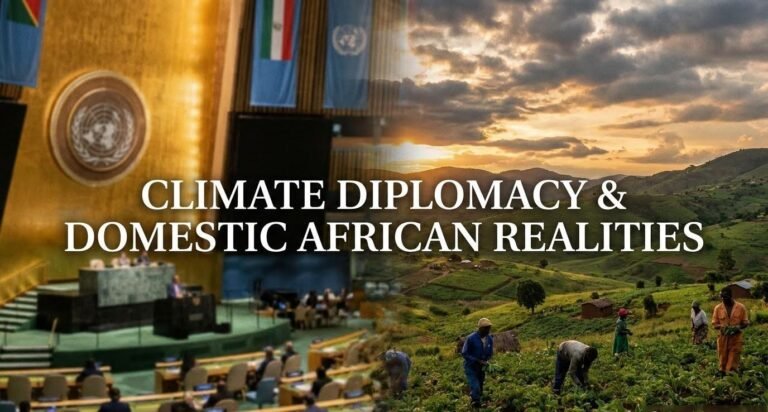
The dissolution of BRGM offers several important lessons for improving future forest and land fire prevention policies. Indonesia could learn from Ethiopia’s success in climate diplomacy, as discussed in the research by Endalew and Craft (2016).
Ethiopia has demonstrated strong political leadership in climate diplomacy by integrating environmental concerns into national development priorities. President Prabowo should take a direct leadership role in integrating the climate agenda into Indonesia’s national development policies. With BPGMN placed under the President’s authority, Prabowo has an opportunity to coordinate forest and land fire prevention efforts comprehensively, rather than allowing them to remain fragmented, and to prevent similar disasters from recurring in the future.
Second, Endalew and Craft (2016) also emphasize the importance of national coordination in Ethiopia’s climate diplomacy. Indonesia could draw lessons from this experience by establishing clear governance structures and coordination mechanisms within BPGMN to prevent overlapping responsibilities. Such arrangements would enable BPGMN to coordinate other stakeholders, including the Ministry of Forestry, the Ministry of Environment, and other relevant government institutions, in developing a comprehensive approach to forest and land fire prevention.
The experience of BRGM’s dissolution demonstrates that institutional changes without a well-prepared transition mechanism can weaken the state’s capacity to prevent forest and land fires. Therefore, the establishment of BPGMN should serve as an opportunity to build stronger and more coordinated peatland restoration governance, ensuring the long-term continuity of ecosystem protection.
References
Dhanya, D. (2025, October 22). Pembubaran BRGM dinilai membuat restorasi gambut makin lemah. Tempo.
Endalew, G. J., & Craft, B. (2016). Ethiopia’s effective climate diplomacy: Lessons for other nations. International Institute for Environment and Development.
Fundrika, B. A. (2025, July 28). Usai Badan Restorasi Gambut dan Mangrove dibubarkan, pemerintah keroyokan hadapi ancaman kebakaran. Suara.com.
Kompas.com. (2025, October 21). Usai BRGM dibubarkan, 26.000 hektar gambut terbakar, siapa kini yang … Kompas.com.
Kompas.id. (n.d.). Pembubaran BRG menurunkan komitmen Indonesia terkait perubahan iklim.
Pantau Gambut. (2026, September 30). Kertas posisi Pantau Gambut atas rencana pembentukan BPGMN (Version 1.1).
Pasaribu, Q. (2026, September 25). ‘Karhutla sudah memakan korban, suami saya’ – Api membara di kawasan gambut Kalimantan, siapa yang harus disalahkan? BBC News Indonesia.
Salmayenti, R. (2026). Mengadang El Niño, meredam karhutla: Restorasi gambut harus berlanjut meski BRGM bubar. The Conversation.
Salmayenti, R., Holden, J., Baird, A. J., Rigby, R., & Spracklen, D. V. (2026). Tropical peatland restoration reduces fire occurrence. Geophysical Research Letters, 53(11), e2025GL121564.
Susetyo, P. D. (2026, October 19). BPGMN tidak sama dengan BRGM. Ecobiz Asia.


 Mwaiwawo Banda
 Jawal Sualisu
 Hanifah Setyaningrum
 Fadhli Fauzan Ilahi
 Seftario Virgo
 Mujibullahi Lawan Shahud
+ There are no comments
Add yours