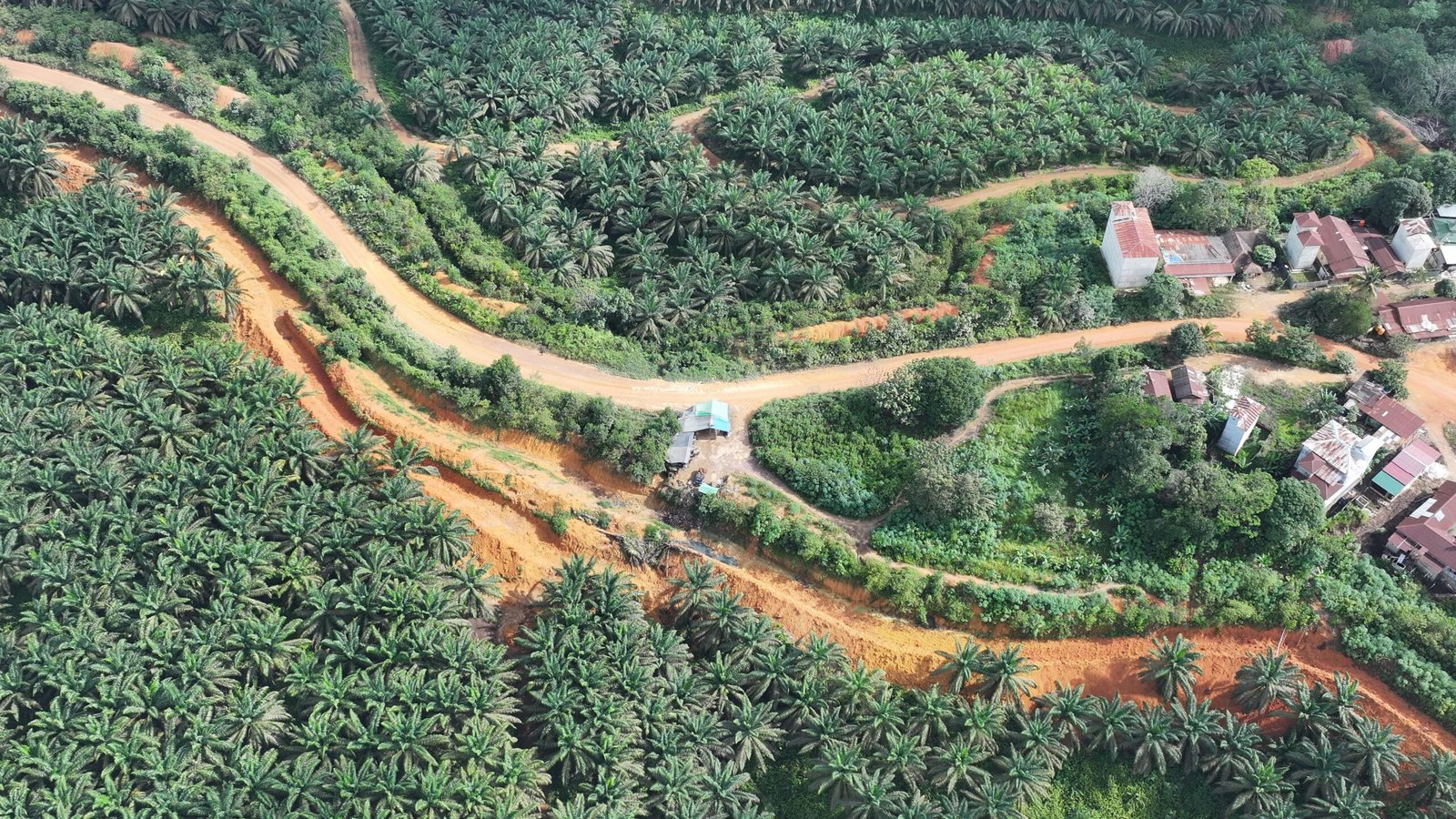

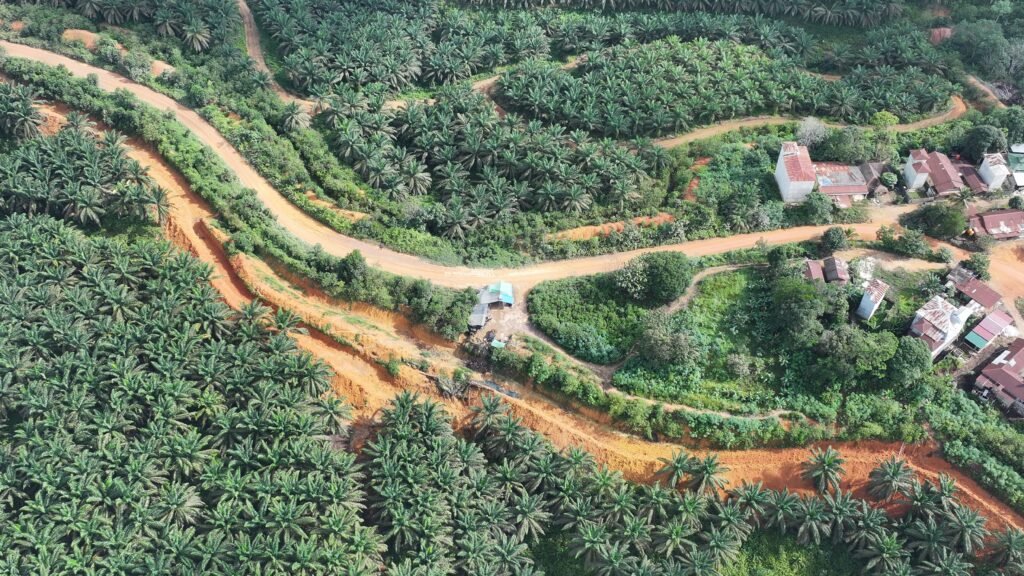
In 2023 the European Union Confirm The EU Deforestation Regulation (EUDR) is a regulation that requires products entering the European Union to be free from deforestation or forest degradation labels. 7 Commodities main associated products such as cattle, cocoa, coffee, palm oil, rubber, soy, wood and derivative products. Regulation It was formed as Europe’s responsibility to minimise the EU’s contribution to deforestation and forest degradation worldwide, reduce greenhouse gas emissions and biodiversity loss and supply chain sustainability.
Palm oil is one of Indonesia’s strategic export commodities that has a significant contribution to the national economy. In trade relations with Europe, the Netherlands is one of the main importers of Indonesian palm oil Where before the implementation of the EUDR, around 15% of Indonesia’s exports to the Netherlands came from palm oil commodities and their derivatives. This condition shows that palm oil trade relations are interdependent. On the other hand, Indonesia’s palm oil industry is facing increasing international pressure related to deforestation and sustainability issues. The expansion of oil palm plantations coupled with the conversion of forest areas into agricultural land to meet the needs of economic development and global market supply has sparked many debates. In the context of the EUDR, deforestation is defined as the clearing or conversion of forests into agricultural land, so that commodities derived from deforestation land cannot be marketed in the territory of the European Union.
The ratification of the EUDR has a significant impact on the governance of Indonesia’s palm oil sector. The regulation not only affects the entry of palm oil commodities in the European export market but also encourages changes in the way Indonesia produces palm oil and ensures supply chains are free of involvement with deforestation. This means that Indonesian companies must comply with EU standards if they want to access the European market that the palm oil products produced do not come from deforestation-affected land and meet the due diligence requirements set out in the EUDR.
In the concept of the Brussels Effect (Bradford, 2020) explains how the European Union, through restrictive regulation, shapes policies outside its jurisdiction through market access dependencies. The Brussels effect explains how market forces and EU regulations can lead to the diffusion of policies globally in the absence of formal international agreements. Bradford’s (2020) argument that the EU acts as a “regulatory superpower” has forced producing countries such as Indonesia to comply with the sustainability standards implemented by the EU.
Economic Interests of Indonesia and the Netherlands in the Palm Oil Supply Chain:
As previously explained, Indonesia as the main exporter of palm oil and the Netherlands as one of the largest importers have a relationship of interdependence in the global palm oil supply chain. Understanding this condition and the relevance to compliance with EU regulations, Indonesia and the Netherlands have established cooperation to improve sustainable palm oil production practices through a memorandum of understanding (MoU) on Joint Production on sustainable Palm Oil. For Indonesia, palm oil commodities are one of the main sources of foreign exchange and job providers where there are millions of people whose jobs depend on this commodity. Then palm oil has played a significant role in human life where, its derivative products are products that hold the livelihood of many people such as cooking oil, soap, shampoo, food, cosmetics to biofuels. Meanwhile, for the Netherlands as an industrial country, palm oil as a raw material is used to make these products.
The cooperation is also aimed at strengthening the capacity of smallholders, encouraging the improvement of sustainable palm oil cultivation, and meeting EUDR sustainability standards. Thus, the cooperation between Indonesia and the Netherlands in sustainable palm oil development shows that there is a joint effort to balance economic interests with sustainability demands in the global palm oil supply chain. Therefore, the role of diplomacy between the two countries plays a key role in the sustainability of cooperation between countries.
Sustain Palm as the implementation of collaborative programs and diplomacy
One of the concrete forms of cooperation between Indonesia and the Netherlands in the palm oil sector is through the sustain palm program. This program is a collaboration between Indonesia and the Netherlands that aims to support sustainable palm oil production through research and capacity building. This program is funded and commissioned by the Ministry of Foreign Affairs of the Kingdom of the Netherlands in collaboration with the Indonesian Economic Coordinating Ministry and involves various universities from both countries such as Bogor Agricultural University and Wagenigen University and research.
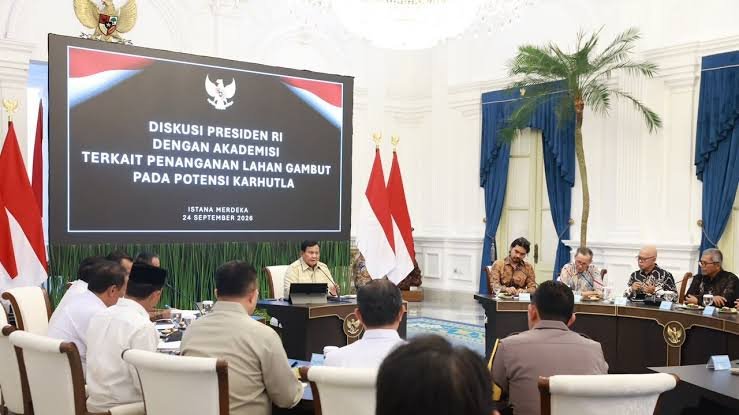
Sustain palm can be understood as a form of diplomacy between Indonesia and the Netherlands, this program is a means of showing commitment to improving the sustainability of the palm oil sector in accordance with EUDR regulations while considering its contribution to economic development and farmers’ welfare. Through sustain palm, the approach used is not only in the trade sector but also in the search for Joint Solutions through the exchange of knowledge, research, and assistance of farmers. This practice of diplomacy involves many stakeholders ranging from the government, the private sector, academics, to the involvement of smallholders in the program.
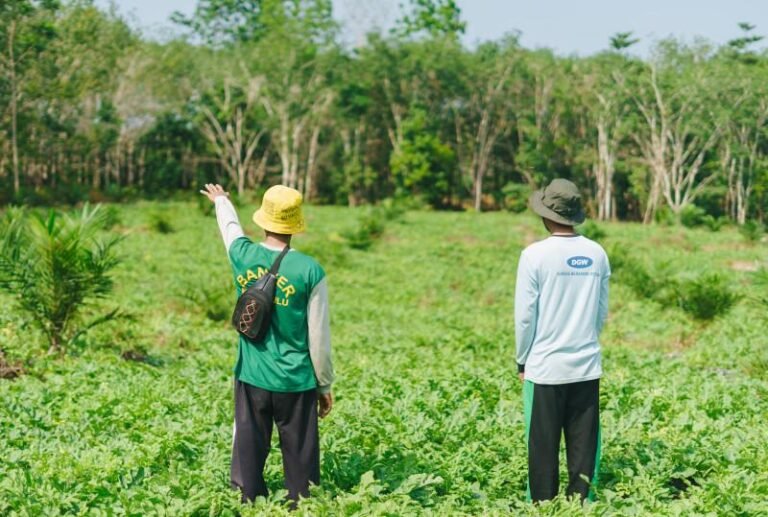
One of the focuses developed in sustain palm is to improve land use efficiency through an intercropping system in oil palm plantations. This approach aims to improve the welfare of farmers, create additional sources of income, and reduce the pressure of new land clearing that has the potential to cause deforestation. Sustain palm not only serves its function as a development program in the agricultural sector but also as an area of diplomacy to bring together economic, social, and environmental interests in one forum to support the sustainability of the fair palm oil sector.
References
Bradford, A., 2020. The Brussels Effect: How the European Union Rules the World. Oxford University Press.
Slingerland, M., Tarigan, S., Sumantri, I., Nahrowi, Sudradjat, Hariyadi, Suwarno, A., Purnomo, J., Woittiez, L., de Vos, R., & Yanda, J. S. O. (2024). Oil palm plantation intercropping strategies to improve land use efficiency, local community participation, and smallholder livelihoods: Lessons from Bengkulu and South Kalimantan (SustainPalm Policy Brief). Wageningen University & Research. https://doi.org/10.18174/704232

 Mwaiwawo Banda
 Jawal Sualisu

 Hanifah Setyaningrum
 Fadhli Fauzan Ilahi
 Seftario Virgo

 Mujibullahi Lawan Shahud
+ There are no comments
Add yours