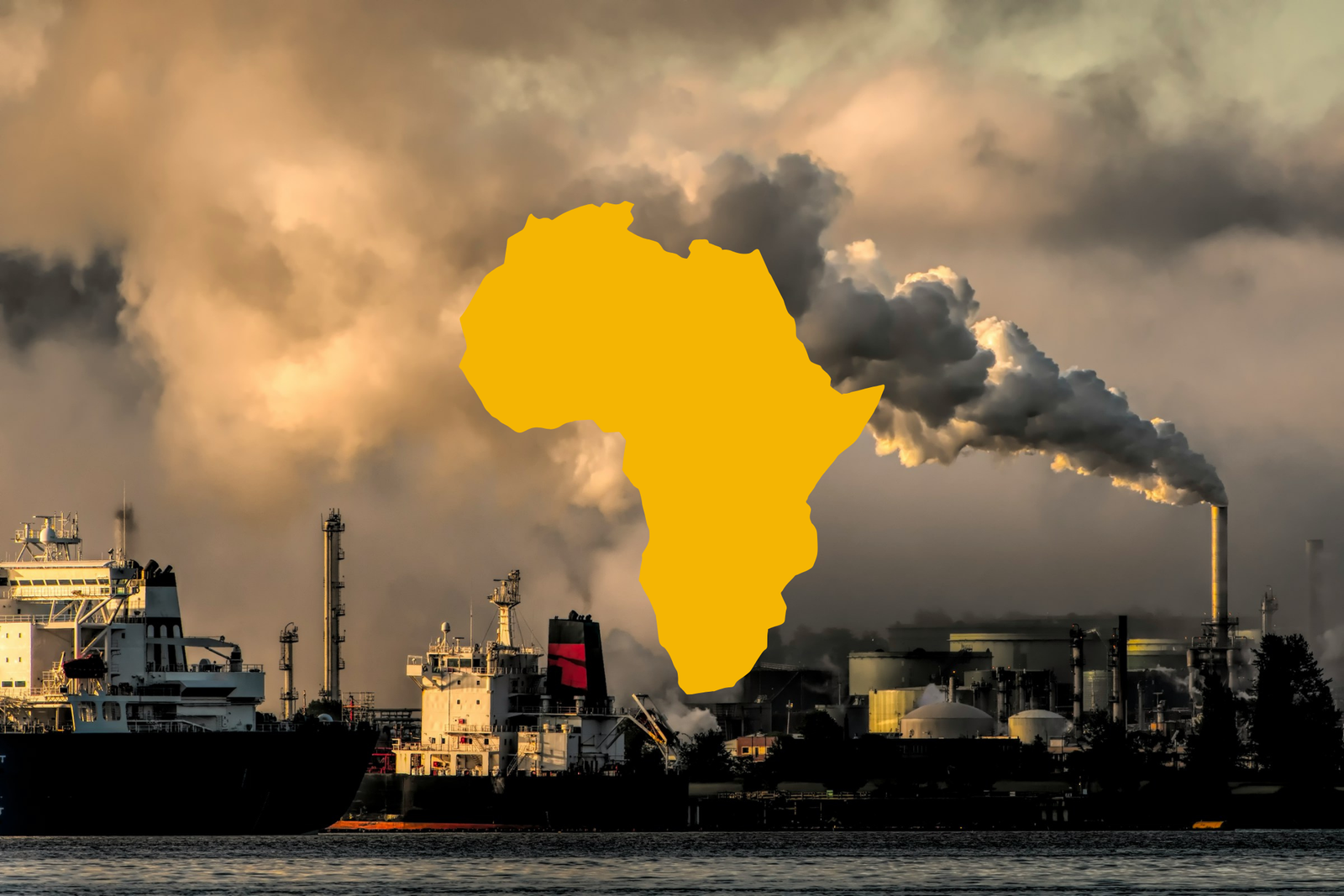

The green paradox was first coined by the German economist Hans-Werner Sinn in his book of the same name. Sinn argues that climate policies have the potential to increase emissions instead of reducing them. The concept is rooted in how fossil fuel owners are expected to respond to the prospect of stricter climate policy over time, as explained by Jensen et al. Anticipating that tighter regulation will erode the future value of their reserves, producers have an incentive to extract and sell those resources sooner rather than later, bringing more fossil fuel to market in the near term. This is the paradox: a climate policy meant to reduce emissions can unintentionally incentivize the fossil fuel industry to accelerate production.
Beyond Sinn’s original definition, the green paradox is now used more broadly to describe the unintended consequences of climate policies. One such case arises from asymmetrical carbon tax policy. Imposing taxes as a policy instrument for climate change mitigation is intended to motivate polluters to reduce their emissions, as discussed by Sterner and Coria. The problem, however, is that the stringency of carbon tax policies can vary greatly between countries. This asymmetry creates an opportunity for carbon leakage, whereby businesses in countries with strict carbon policies relocate their pollution-intensive activities to countries with weaker ones. The result can render carbon taxes ineffective and undermine global mitigation efforts.
Africa as a Pollution Haven
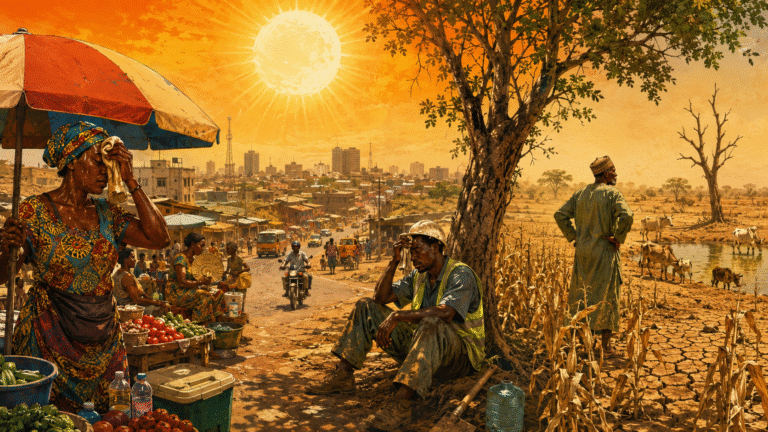
In the context of carbon leakage, Africa is often viewed as a pollution haven where large industries can set up factories or offices. Research by Gharnit et al. finds that foreign direct investment (FDI) inflows are positively correlated with rising per capita carbon dioxide emissions on the continent. Most African countries have environmental regulations that are either insufficiently stringent or poorly enforced, often because the relevant institutions are weak or fail to carry out their mandate. Coupled with high levels of unemployment, poverty, income inequality, and poor infrastructure, many of these countries prioritize economic growth and development to improve their citizens’ quality of life. These conditions attract industries to the region, where they can lower the production costs that environmental regulation tends to raise elsewhere. The incentive is significant: analysis by Akomolafe reports that Africa offers the highest return on investment of any region, at around 11%, compared with Asia (9.1%), Latin America and the Caribbean (8.9%), and a global average of 7.1% For carbon-intensive industries, then, Africa can be an attractive place to operate more freely and generate greater profits. In the name of economic development, environmental and sustainability concerns are compromised — undermining global efforts to mitigate climate change.
The Climate-Justice Dimension
There is also a question of climate justice. Africa emits the least CO2 of any continent, contributing less than 4% of the global total. Yet it is among the regions most vulnerable to climate change and is projected to experience some of the most severe impacts, according to the Notre Dame Global Adaptation Initiative. If carbon leakage persists, people in Africa will suffer twice over: from the direct pollution of factories built by large corporations, and from the climate disasters that follow when global mitigation efforts fail.
Keywords: Green paradox, Carbon leakage, Africa, Carbon tax, Pollution haven, Climate justice.


 Reston Dennis Juah
 Noor Ul Ain
 Hassan Barrie
 Hoby Nasandratra Andriamiandrisoa
The download process was straightforward and the installation took no time at all. The game runs perfectly on my device. Get your 9777cxgamedownload now.