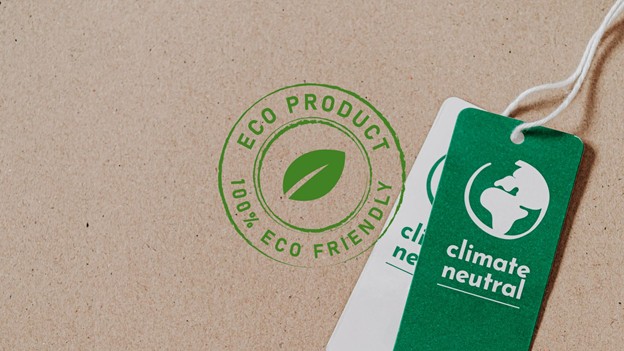

Eco-friendly labels on products made by large companies are no longer uncommon today. Products derived from palm oil all the way to cement now carry green-friendly stamps.
Furthermore, more and more companies are claiming to have achieved net-zero. Some of the companies applying such claims even come from sectors that are generally known as major contributors to greenhouse gas emissions.
These labels and claims form part of corporate campaigns to improve their image. Especially since several business sectors have a poor reputation due to their business processes that degrade the environment, both in the past and some still ongoing to this day.
The act of polishing the image of extractive companies to appear better in the eyes of the public is called greenwashing. In brief, greenwashing is defined as corporate communication practices that make a company’s actions related to the environment, social responsibility, and sustainability appear better than they actually are. This is done through claims, advertisements, sustainability reports, and selective ESG narratives that highlight the positive while obscuring the negative facts (de Freitas Netto et al., 2020; Janik & Ryszko, 2026).
In practice, greenwashing is alleged to be carried out by mining companies, palm oil plantations, cement producers, and even banks. Antam and Vale, for example, cannot possibly avoid extractive activities in their operations. The environmental impact of mining is also generally understood to be extremely difficult to restore, requiring a long time and significant costs. Yet both companies can still produce positive ESG reports through the jargon of good mining practice.
The concept of carbon offsetting as a means of balancing the carbon footprint produced is often used by some companies to atone for their environmental sins. Yet carbon offset projects such as tree replanting and mangrove restoration have positive environmental impacts that will only be felt in the future, and even then only if the trees and mangroves planted are properly maintained. Meanwhile, the extractive activities of these companies can have immediate impacts, such as flooding due to reduced forest cover and diminished quality of life due to air pollution.
Tragically, in several sectors considered strategic by the Indonesian government, greenwashing is actually facilitated. This can be seen in the Sawit Baik campaign, which the Indonesian government began running in 2019. Through this campaign, the public is said to be presented with positive information about the impacts of the palm oil industry chain. This narrative was amplified following the European Union’s rejection of Indonesian palm oil derivative products, which were accused of contributing to deforestation.
Carbon trading through IDX Carbon, which takes place on a voluntary basis rather than as a complementary policy to carbon tax implementation, can also be considered a vehicle for greenwashing. Companies that generate large amounts of emissions can obtain a net-zero label by purchasing traded carbon credits. The problem is that some power generation companies that are emission contributors can sell their carbon credits simply because their emissions fall below the regulated threshold (Kompas.com, 2025).
This practice of public manipulation through greenwashing does not only perpetuate environmental destruction at a time when the climate crisis is nearly reaching a no-way-back tipping point by giving the appearance of improvements in sustainability. Greenwashing also carries a latent danger: if the true facts are exposed, public trust in corporate sustainability reports could collapse. Companies that genuinely have green initiatives will no longer be trusted. Furthermore, companies may lose the motivation to initiate sustainable practices altogether.
However, the biggest victims of greenwashing are the public. Trust in eco-friendly or pro-sustainability labels could crumble. The preference for products with climate commitments, even when priced higher, would be rendered futile. Therefore, stricter standards are needed for the eco-friendly or sustainable labels attached to every product. These labels need to be accredited by an independent body or institution. ESG or sustainability reports issued by companies also need to be audited, or should be conducted by an external entity.






 Reston Dennis Juah
 Noor Ul Ain

 Hassan Barrie
 Hoby Nasandratra Andriamiandrisoa
The bonuses here are actually worth it. I managed to hit a decent win last night using the welcome credit. 90jiliclublogin