
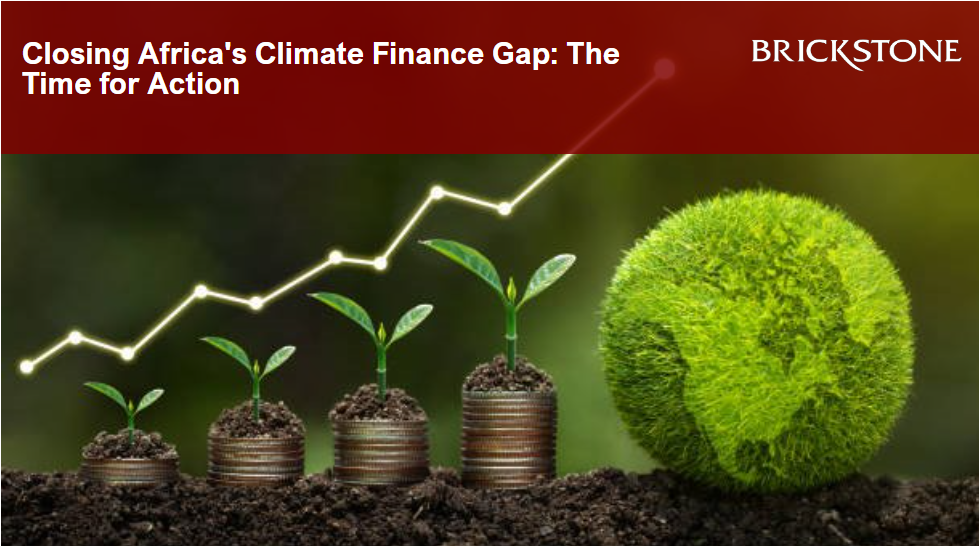
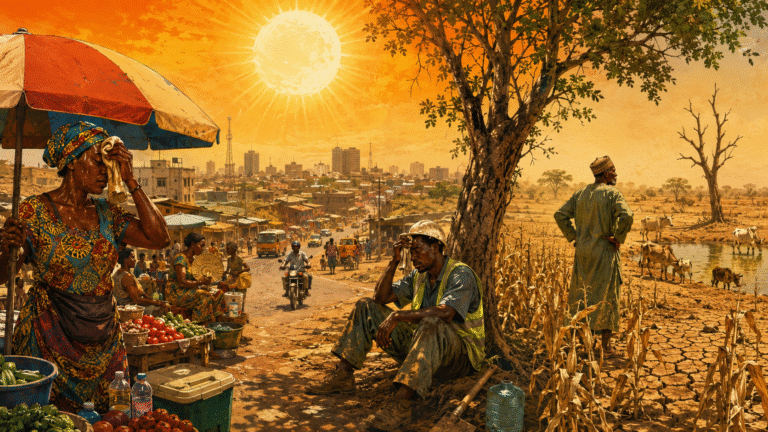
Despite contributing a mere 4% to global greenhouse gas emissions, Africa remains among the most vulnerable to the impacts of climate change. The continent is facing more extreme weather events, food and water shortages, and declining farm productivity. This makes it crucial for Africa to get adequate financial support needed for adaptation and mitigation. Developed countries had promised to give $100 billion every year from 2020-2025 to help developing nations in the fight against climate change; however, delays in these commitments have limited Africa’s ability to build resilience and adaptive capacity. The Paris Agreement mandates that all countries contribute to emissions reductions through NDCs, yet for many developing countries, achieving these targets remains contingent on receiving sufficient financial support. As much as efforts toward decarbonization are necessary, one can argue that they expose deep structural inequalities and contribute to new forms of economic vulnerability for the Global South. Climate finance mechanisms, though framed as tools for sustainable development, have contributed to the reinforcement of neo-colonial economic relations and a growing debt across many African countries. Against this backdrop, the writer examines how climate finance, while intended to support sustainable development in Africa, often, in practice, reinforces neo-colonial economic structures and deepens financial vulnerabilities across the continent.
The Growing Debt Burden
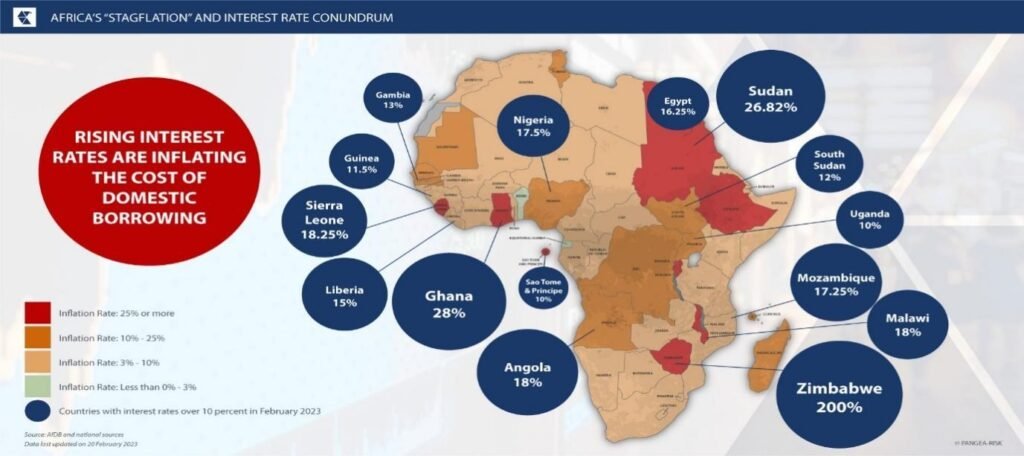
The growing debt burden in African economies continues to undermine the continent’s ability to finance development and fight against climate change. As of early 2023, global debt in developing countries had reached nearly USD 100 trillion, with African nations being among the most affected. Ironically, climate finance, which is meant to help vulnerable countries, was also among the key contributors. Although developed countries reportedly met their climate finance target in 2022, with USD 115.9 billion mobilized, approximately 71% of this funding was provided as loans. Many of them were non-concessional loans with market-level interest rates, therefore increasing repayment pressures. As a result, African countries face a dual trade-off between servicing debt and investing in climate action. This was further exacerbated by the COVID-19 pandemic the increasing depreciation of local currencies in many African countries worsening the debt crisis therefore making repayment even more hard.
The financial outlook for Africa is dire with debt servicing projected to exceed 30% of government revenue , severely limiting resources for development and climate action. The growing debt is also increasing the cost of capital and discouraging investment prospects in critical sectors such as energy, which are essential for economic growth and climate action. For instance, Zambia has defaulted on its external debt, while Ghana’s debt-to-GDP ratio rose sharply from 58% in 2002 to 82.1% in 2021. Countries like South Africa and Nigeria have seen rising debt levels, compounded by economic shocks and currency volatility following the pandemic. Interventions from organizations like the International Monetary Fund (IMF) although providing some relief also make things worse in the long run. For example, their Enhanced Structural Adjustment Facility arrangements often add to a country’s debt . This then makes it hard for African countries whether to choose between investing in their own development or pay off their debts.
Constrained Fiscal Space Needed for Climate Action
Climate finance, debt and economic dependency are a major problem in many African countries. Climate finance is crucial for promoting renewable energy and assisting in addressing climate change impacts, however it’s often provided in the form of loans which has led to a significant increase in debt levels. This, in turn, is reducing the ability of governments to invest in sustainable development. To make matters worse, global economic disruptions such as rising inflation, supply chains breakdowns, and unpredictable energy prices are making it harder for countries to get access to affordable credit. As a result, many African countries are facing significant challenges in managing their finances and achieving their development goals. This has created a cycle in which countries are unable to invest adequately in climate action. As economy’s slowdown and unemployment rates rises, spending on renewable energy and adaptation becomes even more harder. This is further exacerbated by the imbalance nature of climate finance allocation where mitigation receives more funding, while adaptation and “loss and damage” remain underfunded, placing additional pressure on the most vulnerable countries.
Africa has strong potential for renewable energy development, however , harnessing this potential come with an immense cost. The continent needs approximately USD 25 billion investments annually to effectively fully develop its energy resources. However, the high cost of debt servicing makes it difficult for many African countries to adequate allocate funds for the deployment and expansion of renewable energy technologies. This undermines the continent’s capacity to transition to cleaner energy sources and adapt effectively to climate change
Financial Vulnerabilities in the Carbon Markets
As a response to fiscal constraints, many African countries are turning to carbon markets as alternative sources of climate finance. They are often used to meet emission targets and can bring in funding for renewable energy and climate action. While these markets offer potential opportunities, they also introduce new risks. Carbon markets, particularly under Article 6 of the Paris Agreement, allow high-emitting countries to purchase emission reductions from lower-emitting countries through mechanisms such as Internationally Transferred Mitigation Outcomes (ITMOs). However, this involve the host countries having to adapt their emissions meaning they can not account for these reductions on their own NDC targets. This may then lead to overselling of credits, and thus jeopardize countries’ capacity to meet their climate commitments. This is further worsened by pricing differences, with carbon credits selling for less than USD $1/t in some developing countries, but more than USD 130 in wealthier countries.
If prices are too low, countries under-sell valuable mitigation outcomes. The World Bank estimates the opportunity cost of carbon credit to be worth around $25, but some African countries are offering them for as low as $4 or $5 only to lure investors. High-quality carbon projects also demand substantial initial financial investment, and it is difficult for countries with limited financial resources to raise the funds. Therefore, many African countries find themselves in a situation of having to chose between two options: raising revenue or safeguarding their long-term development and climate goals. It can be argued that the global climate finance works has been holding Africa back. African
governments need to understand that if they want to make any progress, it has to be transformative, They have to fundamentally change how the world economy operates. To get rid of economic debt oppression, and prioritize what’s best for Africa.
This involves a challenging how debt, trade and investments are being handled as they are Tare making it difficult for African countries to make decisions on their own without some form of restrictions . African countries must also strive to promote South-South cooperation, thereby not depending too heavily on other countries. This will support them to grow stronger in unity and less susceptible to external pressures. At the same time, everyone and every community organization should speak up and ensure that their leaders are held accountable.. It’s going to take a concerted effort from Africa to make all these changes and assert themselves as independent, criticize the existing power systems and demand a way that is sustainable, fair and just
Keywords: Climate finance, Neo-colonialism, Africa, Environmental sustainability , Climate change , Global inequality.



 Reston Dennis Juah
 Noor Ul Ain
 Hassan Barrie
 Hoby Nasandratra Andriamiandrisoa
Slot tại game slot tích hợp ví điện tử nội địa – nạp 10k cũng được, rút 50k cũng xong! TONY06-13
Finally found a site that actually treats players right. The bonuses at xjilicom are legit and easy to claim.
I’ve been playing here for a few weeks now and the payouts are surprisingly fast. Definitely one of the most reliable platforms I’ve found recently. Check out ph77pinas for a great experience.