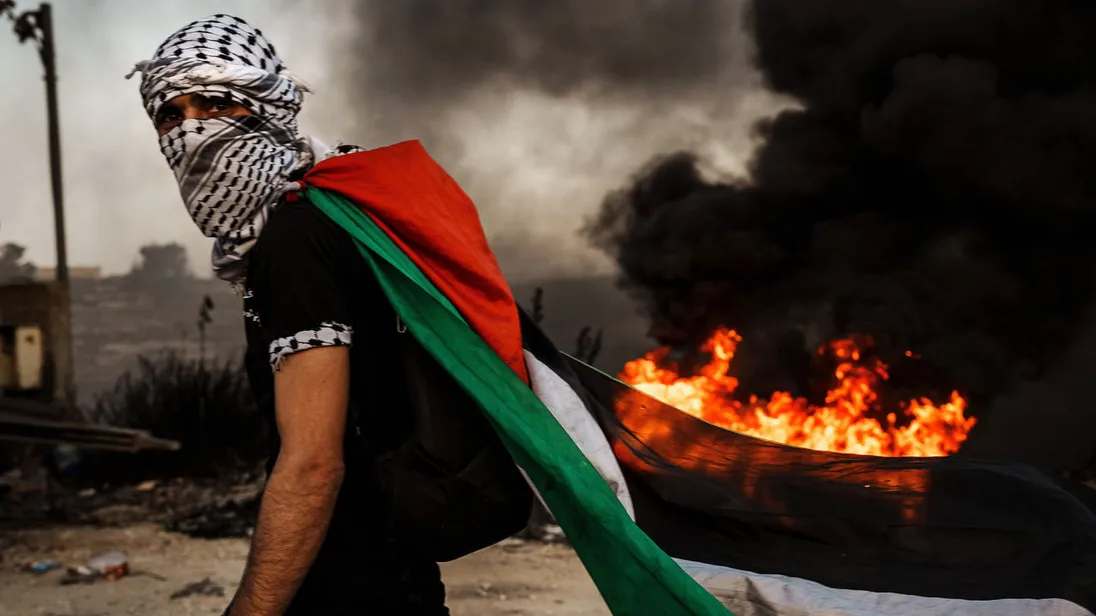

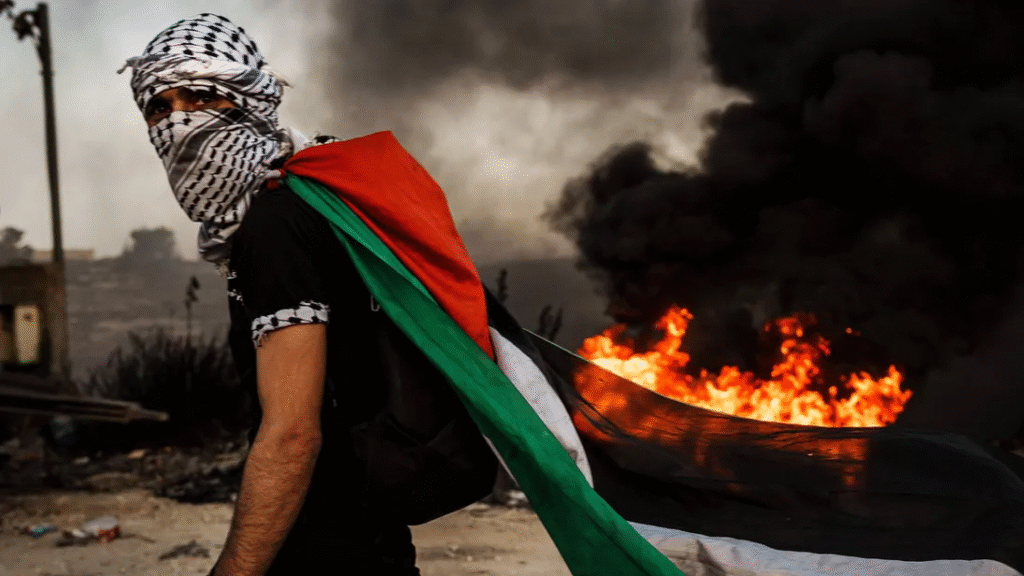
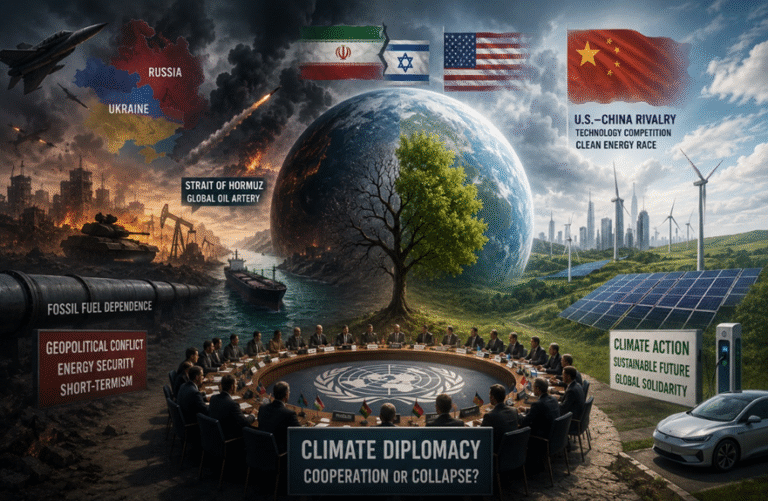
Geopolitical instability has become a threat to decarbonization efforts. Initially, climate policy was developed under the assumption of a relatively stable international environment; however, the rise in conflict is challenging that assumption. Policymakers will therefore need to develop new ways of solving climate change in the face of conflict. Conflict should now be viewed as a persistent aspect of the global political economy as it creates massive increases in greenhouse gas emissions and disrupts decarbonization pathways while degrading important carbon sinks. This blog argues that conflict is a major structural driver of greenhouse gases emissions, carbon sink loss, and long-term energy systems development drawing from examples from the ongoing Israel-Iran conflict, U.S.-Iran tensions as well from the Russia-Ukraine war.
Existing literature about the relationship between climate and war has primarily followed three strands. The first argues that climate change is a risk multiplier associating it with resource scarcity and increasing social-political instability through extreme weather events. The second strand built on environmental security and political ecology examines how wars have had an adverse impact on the environment including degradation to lands; pollution; and biodiversity loss. The third strand of this literature examines the carbon footprint from a military perspective, focusing on emissions created through defence activities and global logistical systems. Despite the growth in this scholarship, however, there remains a gap in existing climate governance regarding both military activities and armed conflict.
The exclusion of conflict-related emissions from climate policy is increasingly becoming impractical. Modern warfare emits GHG emissions through several ways, firstly, through the consumption of fossil fuels directly by military hardware; secondly, through the damage caused to infrastructure which leads to its subsequent reconstruction; thirdly, defence institutions are amongst the largest institutional consumers of energy world-wide. For instance, the United States Department of Défense (DoD) is one of the world’s largest fossil fuels consumers such that one point it generated emissions that exceeded emissions of an entire country. In addition, the establishment and maintenance of military bases, logistics and global supply chains result in a diffuse “carbon footprint”, or a spatially dispersed emissions pattern that is difficult to quantify. This then makes it difficult to incorporate conflict related emissions into current carbon accounting frameworks thereby limiting their inclusion into climate governance.
Wars are an immediate source of emissions.
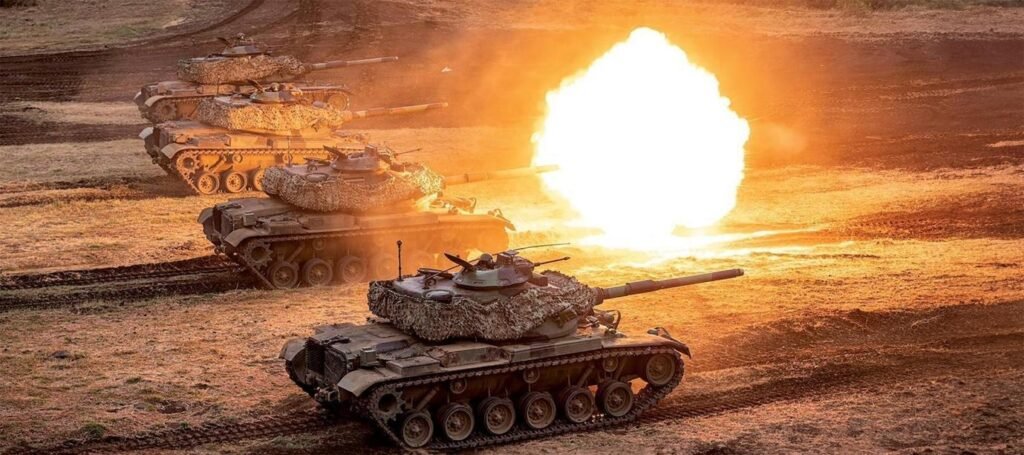
Emissions generated from armed conflict have often been depicted as slow and accumulative; however, there is now a large body of research indicating modern warfare represents an immediate and sizeable source of greenhouse gas (GHG) emissions. Modern warfare is a direct contributor to the world’s carbon budget. High energy requirements of military missions and the carbon footprint associated with the construction of new , repairing or rebuilding of infrastructure after conflict rapidly increases GHGs. If we continue to treat military-related emissions as a voluntary part of climate reporting, then we will be missing a huge portion of global carbon accounting, which will weaken our ability to achieve net zero and thereby undermine our climate policies.
Military spending in 2024 was estimated to be approximately $2.7 trillion; and, military-related activities contributed to about 5 – 6 percent of all GHG emissions generated globally. Emissions resulting from military activities extend beyond direct fuel use as they include the degradation of the environment caused by the destruction of infrastructure and the subsequent need to rebuild, restore, and replace climate resilient systems. Therefore, the climate cost of war is very severe since conflict generates additional GHG emissions at the same time they reduces a nation’s ability to adapt to climate impacts. According to estimates provided by the “Initiative on GHG Accounting of War,” during the period between 2022 and early 2025 , the Russia-Ukraine war generated approximately 230–237 million tonnes of CO₂ which is similar to emissions generated by mid-sized economies. Similar patterns are also seen in West Asia, involving Israel, the United States, and Iran, showing how even short conflicts can produce very high emission spikes. At the same time, conflict-driven fires and the rerouting of air and sea transport further increase emissions, showing how warfare creates cascading environmental effects across sectors.
Post Conflict Reconstruction
Post-conflict reconstruction is a second phase of emissions and usually lasts for a longer period than the first. This post-conflict reconstruction generates a large increase in emissions first due to the urgency of restoring transportation, economic, and public service facilities; then it also creates long term carbon lock-in. Post-conflict reconstruction has been estimated to create approximately 27 percent of all emissions resulting from the Russia-Ukraine War, due to significant damage to transportation systems, energy systems and housing. Most of that 27 percent was from the use of carbon intensive products (such as cement and steel). This creates a continuous emissions cycle with current damage affecting future carbon intensity. This is cycle is even worse in trade dependent economies such as the Indo-Pacific region. When ports or other coastal infrastructure are damaged reconstruction must be done quickly so that trade flows can resume. Because of these demands, sustainability becomes less important than immediate operations thereby creating a “double burden” for coastal states already particularly vulnerable to increased climate risk such as rising seas and extreme weather.
Short-Term Energy Security vs Long-Term Climate Goals
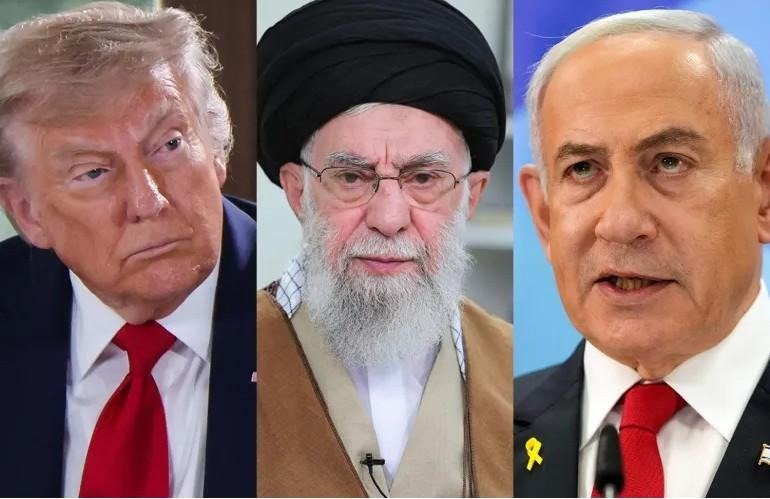
Energy security for many countries in the Indo-Pacific Region relies heavily on their ability to maintain uninterrupted, reliable maritime-based supply chain operations that allow for the free flow of energy across national borders. As energy-related disruptions occur (for example, pipeline closures or blockades), most countries are compelled to prioritize the immediate restoration of energy supplies rather than the pursuit of longer-term energy transitions, such as achieving lower carbon emissions through de-carbonization. The reliance by the Indo-Pacific Region’s economies on key straits such as the Strait of Malacca, the Sunda Strait, the Lombok Strait and the Bab-el-Mandeb creates an environment where disruption to these routes negatively affects global supply chains. Conflict has been shown to shape energy systems. For instance recent hostilities between the U.S., Israel and Iran have shown how conflict can impact energy systems. Disruption to oil and LNG shipments through the Strait of Hormuz, where approximately one-third of all global oil exports pass and flows for global natural gas liquid (LNG) shipments has increased price volatility and supply uncertainty. In response, many countries, including India, Thailand, and Vietnam, with similar pressures emerging in China, have turned back to more reliable but carbon-intensive fuels such as coal and diesel.
Conflict and the Degradation of Marine Carbon Sinks
War also has negative effects on marine ecosystems, further harming important blue carbon sinks including mangroves, seagrasses and coral reefs. When these ecosystems are destroyed, they have wider climate impacts as they are essential for carbon storage and climate regulation. In the South China Sea, large scale reclamation and militarisation have caused devastating impacts on the ecosystems, with more than 6,200 acres of coral reefs lost. This not only results in the loss of biodiversity and carbon storage, but can also turn carbon sinks into carbon sources. In the Black Sea and the Persian Gulf, war has resulted in oil spills, pollution and ecosystem degradation. There is evidence of increased hydrocarbons, seagrass loss, and impacts to marine life that has consequences for the ocean’s carbon cycle.
The Path Forward
A climate policy approach that takes into account the link between climate and wars is needed. Existing climate governance mechanisms are not sufficient. Military emissions are not excluded under the Paris Agreement, but its not mandatory to report them. There is therefore a need for reform, especially in the UNFCCC where emissions from conflict will be reported. The separation of climate policy and wars is nolonger attainable. . The road to a net zero requires an understanding of the role of conflict in the climate system, in an age of geopolitical competition. Otherwise, climate policy will be incomplete, characterised by under-estimating emissions and reducing the credibility of decarbonisation strategies.
Keywords: Climate policy, Geopolitical conflict, Climate governance, Decarbonisation, Climate change



 Reston Dennis Juah
 Noor Ul Ain

 Hassan Barrie
 Hoby Nasandratra Andriamiandrisoa
Bạn có thể xem live với hơn 200+ trận đấu siêu hấp dẫn như: XN88 Cyber Alliance Cup, Open Fire All Stars, Demacia Cup, LCK,… Chúng tôi cho phép người chơi so sánh tỷ lệ cược trước khi vào tiền đồng thời, xem nhanh kèo từ 3-4 ngày để vào ăn được bộn tiền khi chiến thắng. TONY06-13
Great variety of games and the community is really active. It is always nice to find a place that actually delivers on its promises. See you at jokerbolalink.
Honestly one of the most honest platforms I’ve encountered. Withdrawals are processed without any drama. Big thanks to rwin888!