
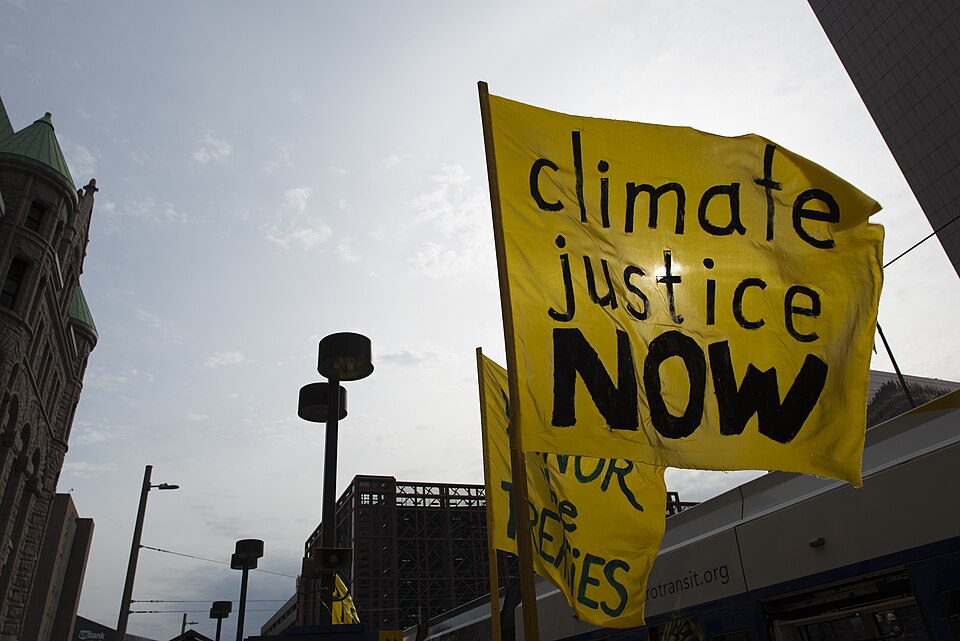
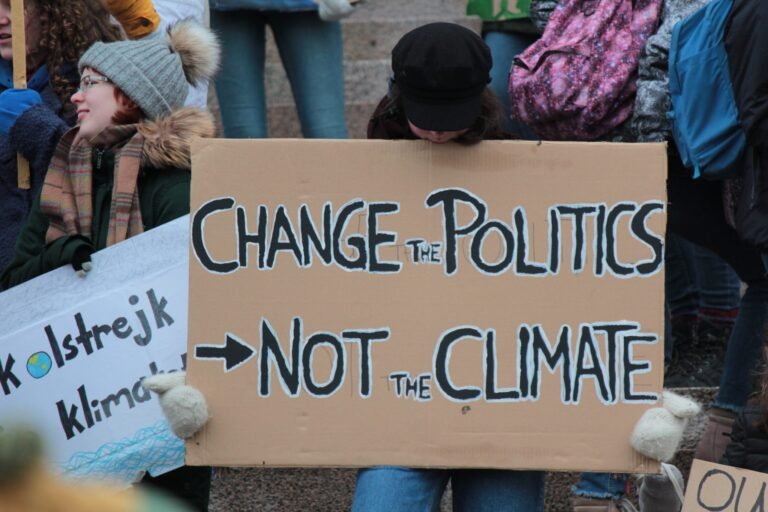
Climate justice is now one of the key issues in international climate politics. This has been a long-standing argument among the countries of the Global South that industrialized countries are responsible for most of the historical GHG emissions and should pay climate damages to vulnerable countries. It is a valid ethic and scientific justification. Compensation mechanisms are highly political and the political agendas shift quickly. Promises of international commitments that look good today may vanish tomorrow if there is a government change. This fragility is illustrated by the history of climate finance. The goal of US$100 billion per year by 2020 of developed countries to mobilize such funds was not achieved, although the amount was reached two years late, thereby undermining trust between developed and developing countries.
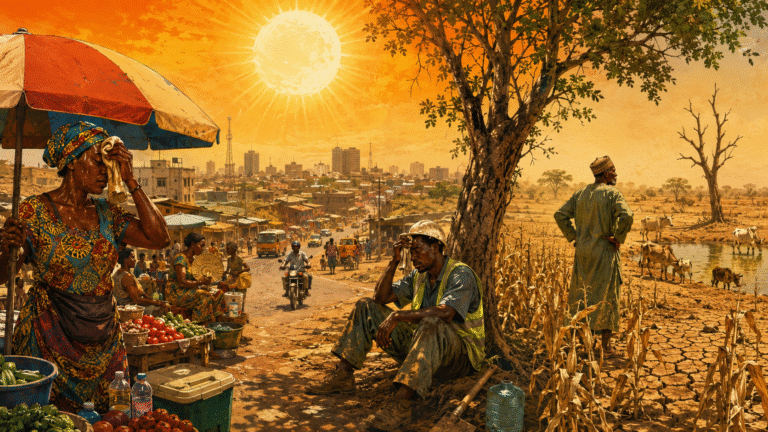
Meanwhile, climate change is picking up speed. Droughts, floods, food insecurity and extreme weather events are already impacting on livelihoods in Africa, Asia and small island states. When the vulnerable communities will not have the luxury of extended negotiation to wrap up, they must act now. Compensation is a part of climate justice, and should not be the basis for survival. Rather, climate justice should be rethought as an immediate local action, more effective national governance and more decision-making power for the Global South.
Why Compensation Is Unreliable
On the surface, compensation appears simple, those with the highest level of green gas emissions should pay those who have suffered the most climate impacts. But in practice, the compensation for climate change is much more complex, as it relies on political commitments which are not legally binding. International climate agreements are vulnerable to changes in domestic politics. Governments often change plans post elections, leading to uncertainty over long-term financing for climate. Recent climate measures are evidence of this fragility. In 2025, the United States exited the Loss and Damage Fund, even though it had previously made financial pledges, demonstrating how fast pledges can be withdrawn.
For instance, the $100 billion commitment for climate finance from developed countries, which was made in 2009. The goal was to be fulfilled by 2020, but was accomplished two years later, leading to a loss of confidence among developing countries. In addition, many contributions have been in the form of loans and not grants, thereby adding to the debts of already vulnerable countries.
There are governance issues with the newly established Loss and Damage Fund as well. While the implementation at COP28 has been heralded as a success, there have been concerns that the contribution is still voluntary and the institutional framework is lacking in accountability and enforceability aspects. Legal binding is not possible if there is no obligation to make regular contributions by wealthier countries.
This uncertainty brings on the dangerous dependency. The climate strategies of the countries in the Global South may be based on expected compensation that never comes, leaving millions of people vulnerable to the climate. Climate compensation should thus not be considered as a source of survival but as additional support. Although historical responsibility is relevant, climate action that is both practical and effective cannot wait for promises to come to fruition.
Why Waiting Is Dangerous
The worst thing about compensation is that climate change is not a concern for the future, it is real. The impacts of climate change are already severe and urgent in communities in the Global South. Southern Africa is facing heightened food insecurity due to droughts, and thousands of people are displaced in Asia and other affected areas due to floods. Waiting for international negotiations to finalize the details of adaptation measures only means that they will be even more vulnerable. Climate change does not stop just because of discussions about funding mechanisms.
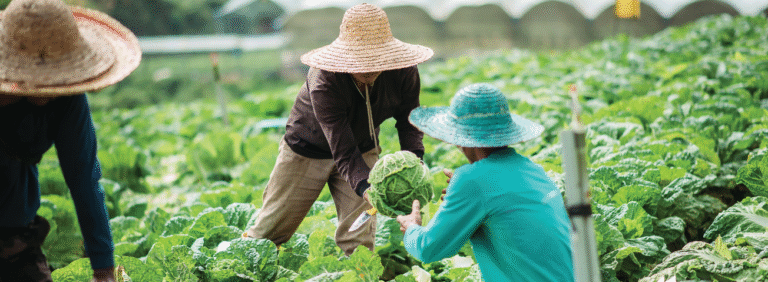
Those communities hardest hit are the ones with the least resources to rebuild from climate disasters. Farmers are not able to delay planting if they want to receive compensation. When international organizations are debating the governance structures, families affected by the floods cannot afford to wait to rebuild their homes. The costs of delay are very real and significant, both human and economic, and require immediate action to be taken. Moreover, over-reliance on external funding can have a negative impact on local agency, without realising. Government may choose to seek international finance instead of investing in adaptation programs. This results in a dependency-ratchet effect that’s detrimental to long-term resilience.
Climate justice is not waiting for well-developed countries to save those who are underdeveloped. Rather, it ought to enable communities to enhance their own adaptive capacity and also to continue to lobby for international assistance. International compensation and local action are not separate; they must go together. Climate change is a crisis situation, and thus calls for proactive action. There is no point in waiting for a perfect solution when things are not perfect politically. Each year of waiting compounds the ability of vulnerable communities to adapt to greater and greater climate effects.
Building resilience now
Where compensation is not possible, it is essential that countries invest in resilience now. Resilience is about making communities more resilient to climate shocks and prevent them from becoming humanitarian crises.
The first priority should be given to local initiatives. Local communities may have important traditional knowledge on water management, agricultural practices, and ecosystem management. Rather than imposing solutions from above, policy makers should be made available to support these practices. Second, national governments need to embed climate change in the overall framework of development. Climate change is not only an environmental challenge, it also has an impact on food security, health, employment and migration, and economic growth. Policies need to be mutually agreed upon among ministries, not across government departments. Thirdly, livelihoods need to be diversified. A high climate sensitivity of the economy to rain-fed agriculture or other sensitive sectors heightens vulnerability. Renewable energy, climate-smart agriculture and alternative livelihoods can help mitigate risks and foster economic growth. Last but not least, there is a need for enhanced adaptation investments. Investment in infrastructure that includes flood protection, drought-resistant crops and early warning systems can mean the difference between life and death and lower costs in the long run. It is often more cost effective to prevent a disaster than to recover from one.
This is not an excuse for rich countries to abdicate their duties in relation to resilience building. Instead, it is a practical way to deal with a flawed world system. Vulnerable countries must still assert their demand for climate justice and enhance their adaptive capacity. Climate crisis is a situation that demands urgent response in various levels. Everyone from communities, governments or international bodies can play a role to help build resilience, but decisions made thousands of kilometres away from the community must not be the sole source of local resilience.
Give the Global South Decision-Making Power
There must also be a redistribution of power if there is to be climate justice. Climate finance mechanisms are often set up and run by the North, with no attempt to engage with the South. This may be a repeat of past inequities under another guise. There have been concerns that the Loss and Damage Fund will be a continuation of the existing power dynamics and dependency structures through loan-based mechanisms. A number of advocates have called for an independent and democratic system that empowers vulnerable countries more.
The Global South is not the only one that can be a mere recipient of aid. The countries that are most affected by climate change must be equally represented in prioritising, provisioning and measuring climate change impacts. Without local ownership then climate justice can become another climate colonialism. Justice demands giving communities the power to take the lead in providing solutions, not imposing solutions on them. The steps that must be taken to address climate compensation have yet to be taken. The rich nations have a history of helping the poor and the question of how to do that should be carried on in international negotiations. Climate justice, however, cannot rely solely on promises which are subject to political shifts, postponement of implementation, and voluntary donations.
Delaying action until compensation is received is a risky tactic, as the impacts of climate change are already affecting life in South, as is evident in the country by the devastation to crops and livelihoods. action is needed now: building resilience, investing in adaption, livelihood diversification, and community empowerment. Concurrently, the Global South should be empowered to play a more robust role in developing climate solutions. Climate justice is never waiting for others to act. It needs to be known as a shared accountability – international responsibility and local action. It is not a matter of if, but when the climate crisis will come, and we cannot wait for it.
Key words: Climate justice, loss and damage, climate finance, adaptation, resilience, vulnerable communities

 Reston Dennis Juah
 Noor Ul Ain
 Hassan Barrie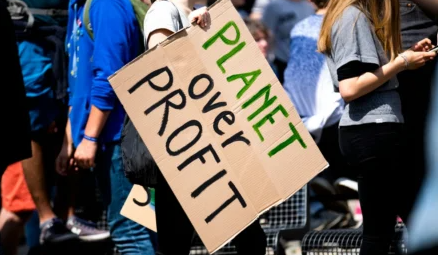
 Hoby Nasandratra Andriamiandrisoa
Honestly, the interface is super smooth and I had no issues with my first deposit. Highly recommend 166betapp for anyone looking for a reliable spot.
I was skeptical at first but this platform is legit. The customer service is very helpful and the withdrawal process is quick. Give krmmwin a try if you want a reliable site.