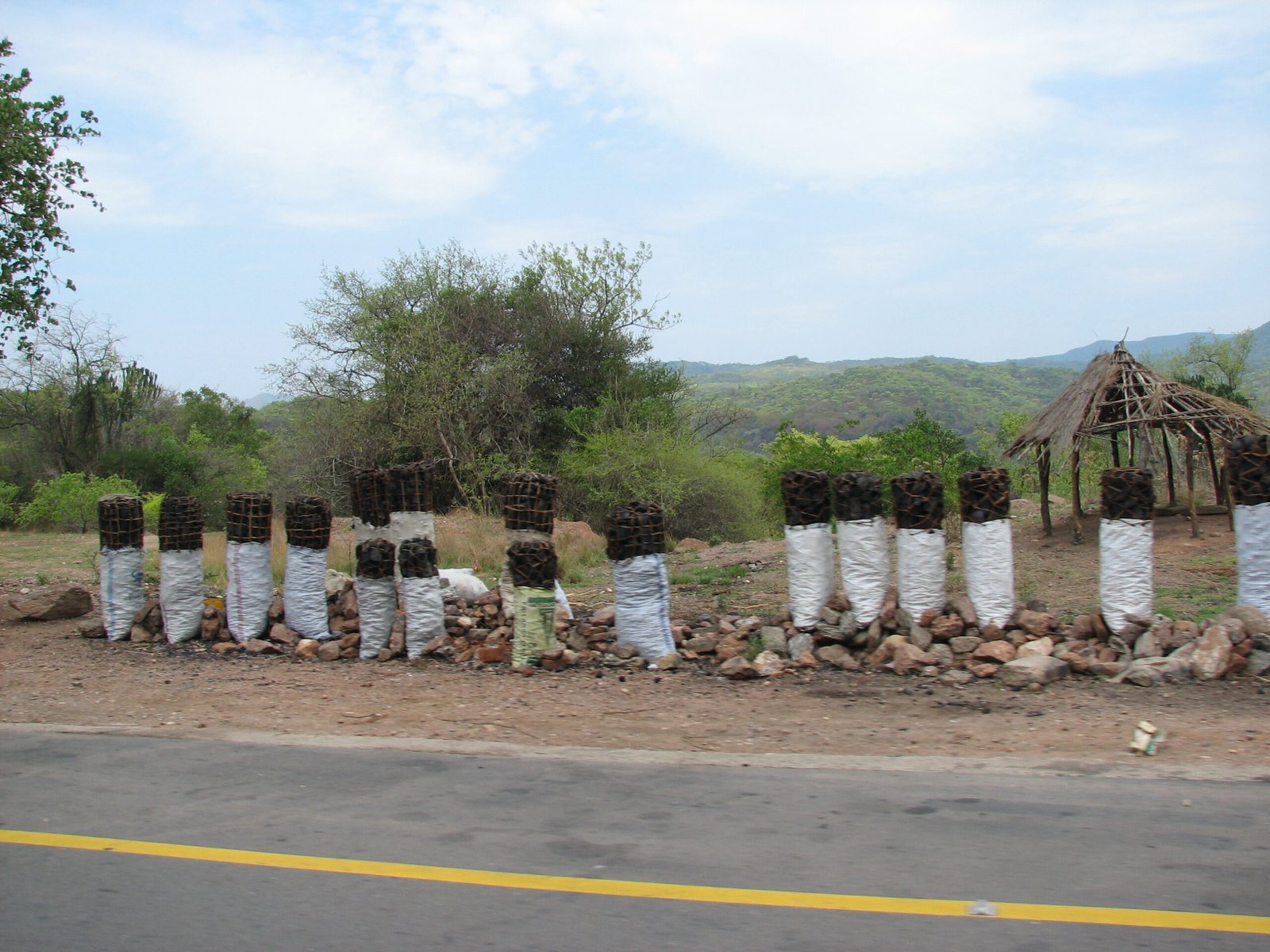

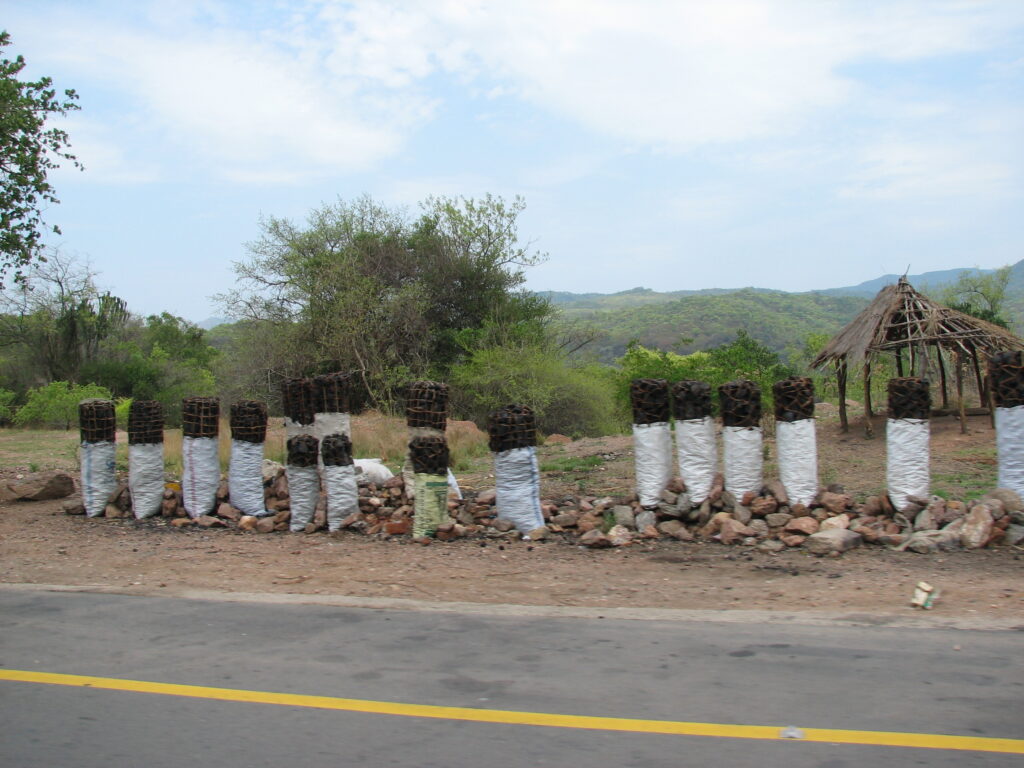
The push for ‘clean cooking’ is one of the best-resourced areas of climate and development policy in Africa. Governments and donors and international agencies urge people to abandon charcoal and firewood consumption in favour of consumption of electricity, liquefied petroleum gas (LPG), improved cook stoves and other alternatives. The argument is familiar: charcoal causes deforestation, worsens indoor air pollution, and helps to fuel climate change. Smoke is also more hazardous for women and children, and trees are being cut to provide fuel for urban areas.
Charcoal production causes forest degradation, and unsustainable charcoal production is a serious public health problem. But the politics of clean cooking often reveals an paradox: poor households are thought of as environmental ‘offenders’, and the structural dynamics that underlie their dependence on charcoal do not change. The conflict is clearly evident in Zambia. The Government has stepped up its control measures over the production and transport of charcoal: charcoal production has been suspended in ‘hotspot’ areas; Penalties have been raised; Government has issued repeated warnings that charcoal from outside permits will be confiscated; and Confiscation has also been increased. The Minister of Green Economy and Environment stated in Parliament in 2025 that charcoal produced without the necessary permits and documents would be seized and more stringent measures were in the process of being implemented by the government for illegal production and sale. Meanwhile, Zambia is still suffering from severe shortage of electricity. At peak load shedding times some homes may only receive 3 hours of electricity daily.
There is a certain moral and political outlook in African environmental policy, as it relates to charcoal. Charcoal holds a special place in African environmental policy; it fuels the economy and is a symbol of underdevelopment. In development discourse, turning away from charcoal is seen as an indicator of modernisation. Charcoal is a metaphor for under development and the abandonment of it is seen as evidence of modernisation in development discourse. This conceptualisation is warranted with sound environmental and health issues. The World Health Organisation and development NGOs have consistently associated biomass cooking fuels with respiratory diseases and indoor air pollution. Demand for charcoal has also been associated with increased deforestation, especially in areas of urban expansion, through environmental campaigns.
Fuel wood/charcoal is the main source of energy that households use in Zambia. A CIFOR-ICRAF study found that 76-90% of family energy budgets are used for fuelwood, which makes charcoal the foundation for daily energy use in the country. But the story of policy always short-circuits this complexity by going down to one charge: Poor households kill trees. This story misses the point that people using charcoal are not opposing the introduction of modern energy, they are just not able to obtain it, it is not available, or it is too expensive. That the preference for charcoal is not only cultural, but a survival strategy in response to lack of energy. When it comes to policy, the emphasis is no longer on energy poverty, but on punishing behaviour.
Zambia’s Charcoal Ban and the Politics of Enforcement
Zambia’s charcoal policy is an example of environmental regulation leading to the criminalisation of informal survival industry. While there are no statewide bans, the number of enforcements has been ramped up. The Minister in Parliament said that there were districts such as Itezhi-Tezhi, Mumbwa, Shibuyunji and other hotspot districts in Zambia where the production and sale of charcoal had been banned and that the government was considering extending the ban to other hotspot districts and even nationwide once such alternatives were available (Zambia charcoal policy). Meanwhile, the Forestry Department and police have stepped up their inspections and seizures. In compliance operations, the Ministry of Green Economy and Environment had previously reported the impounding of six trucks of charcoal in 2024, and that charcoal was as undesirable ‘during the current energy deficit’. The main burden of this regulation is placed on small traders, transporters and farmers in the rural areas not large industrial corporations. The penalties, confiscations and detentions of incarceration apply directly to charcoal sellers in informal markets, rural charcoal producers who use their charcoal for supplemental income, and to tiny carriers who bear charcoal bags between districts. Even parliamentary debates are raised selective enforcement. One MP pointed out the instances where confiscated charcoal was sometimes removed without proper records and the fear of maltreatment of charcoal dealers by enforcement institutions. This concern illustrates why regulation is a daily threat to the poor. The state controls symptoms rather than causes. Charcoal regulation is straightforward, obvious and harmless to persecute. The governance of structural energy poverty is more difficult.
Zambia’s electricity crisis is the most critical shortcomings on charcoal ban policy. A combination of hydropower dependence, droughts and infrastructure constraints has resulted in chronic periods of acute load shedding. At certain phases, houses get only three hours of electricity in a day, which means that they have to reorganise their primary survival plans around erratic electric supply. In such circumstances, it is not feasible to ask households to ‘transition’ away from charcoal. Electric cooking requires the supply to be uninterrupted. A steady supply of refrigeration is required. Small businesses need a reliable source. At times of regular electricity outages, charcoal is used as a key system, not a backup system. Between 2013 and 2015, charcoal production and demand rose as a result of load shedding, according to CIFOR-IAPRI, these gains have been accompanied by charcoal producer incomes that have increased by over 53 per cent, trader incomes doubled and charcoal prices experiencing inflation as more households reverted to charcoal use due to energy shortages. This a big association because causality is involved there, that is, charcoal demand does not co-exist with load shedding, it is a result of load shedding. Charcoal bans, where no energy exists, are not transitional bans, but punitive bans. They punish the houses for intelligent reactions to the failure of the state. Governments that criminalize charcoal, without simultaneously enhancing the availability of electricity, are not replacing one energy system with another, but essentially destroying a coping mechanism.
The Lower Zambezi Saga – Development at the expense of Nature.
The debate around the proposed open-pit copper mine in Lower Zambezi National Park (LZNP), known as Kangaluwi, is one of the most prominent examples of selective environmental politics in Zambia. The mine was proposed in one of the most sensitive conservation areas in Zambia and funded by Mwembeshi Resources Limited. The site sits between two seasonal rivers which enter directly into the Zambezi River, posing serious concerns for contamination of the water, disturbance of the wildlife and permanent loss of biodiversity. But civil society groups, tourism operators, conservation organizations and even ordinary citizens were all against it, arguing that the environmental impact would not be offset by the economic gains. Often the government’s justification for the mine was a common theme: jobs, investment, and national development. As with many of the extractive industries in Africa, the mining industry was described as essential for economic growth, and environmental issues were considered as obstacles to development. In the earlier policy discussions, the creation of jobs was one of the main reasons for supporting the project. Oxfam found that proponents of the mining project said it would give the local people jobs and make them safer from an environmental standpoint by installing technology. But numerous citizens did not accept this reasoning. They argued that Zambia has been mining for years and yet people are very poor. The government leaders and foreign investors have often prospered from mining, while the majority of Zambians have suffered. Communities raised the harder question: If mining has yet to bring the kind of prosperity it had once promised to the nation, why should it now be worth it to sacrifice a national park for this purpose? One way many people viewed the concept of the preservation of biodiversity was as a counter to the development policy ideology, not as a policy for the preservation of national wealth over time. Lower Zambezi National Park encourages tourism, wildlife management, fisheries, waterways, and the balance of the region’s ecologies. ActionAid Zambia says that the ban on mining in the park saved local lives and jobs in the tourism sector that supports more than 7,000 jobs in the park area. This revealed a fundamental contradiction in environmental governance: “charcoal sellers” are penalized for felling trees to feed their families, while big-scale mining in protected habitats is considered a development opportunity.” The message is loud and clear: protecting the environment is impossible for the poor, but easy for the powerful. This is why the Lower Zambezi case is significant. It means that it’s not just about the environment, but who is held accountable, who is being safeguarded, and who’s being destroyed and who’s fine with it.
The Bigger Deforestation No one Wants to Talk About.
Charcoal is politically popular because it is visible. Charcoal can be carried by trucks, and these trucks can be stopped. Roadside sellers will be fined. Criticised rural producers. Real transformation is not as convenient. Forest cover is lost on a much larger scale than by domestic charcoal production due to the expansion of mining, commercial agriculture, logging concessions, land clearing for agribusiness, infrastructural corridors, and foreign-backed extraction projects. These actions are represented, however, as investment, expansion, and modernisation and not as environmental criminals. It’s in this context that climate politics can be selective. If an individual is cutting down trees for charcoal, then it is an environmental threat. Development is seen as a multinational clearing land for commercial agriculture. It is not that there is no environmental effect from charcoal; there is an environmental effect. The issue is proportionality and political prominence. Avoid blaming the poor households as they have no political power, lack legal protection, and are not internationally legitimate. Diplomatic support, investment agreements, and contracts are brought by industrial actors. The moral charge has been put on the downside of the environment. That is why, in many instances, clean cooking projects are not really about environmental justice, but rather environmental injustice: the poor punish the poor for their survival and the big extraction industry is institutionally shielded.
What Real Energy Justice Would Look Like.
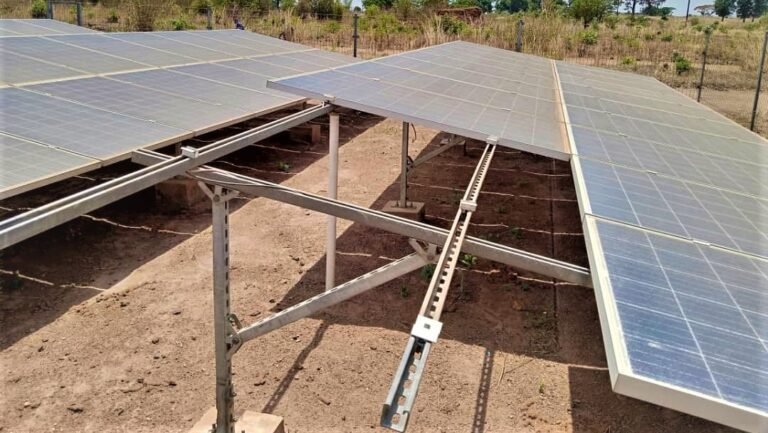
Energy equity must be the starting point for effective clean cooking transition, not enforcement. This means recognizing that any issue with charcoal is actually a poverty issue first and foremost and not an environmental one. True change would require a continuous supply of electricity and not only awareness initiatives. It would require reasonable tariffs because if it’s not affordable, it’s still exclusion. It would require massive investments in rural electrification, viable decentralised solar systems and LPG transitions that would focus on cost of LPG for the household, rather than donor visibility. It would also require a similar response as the charcoal traders operating informally to combat industrial deforestations. Environmental policies are not credible if they criminalise small producers while protecting big extractive players. Most importantly, transitional policies need to distinguish between survival and profit. Industrial logging for export farming is not the same as a mother selling charcoal for school fees. It is government that gives up on justice for ease. Transition should be based around options, not punishment.
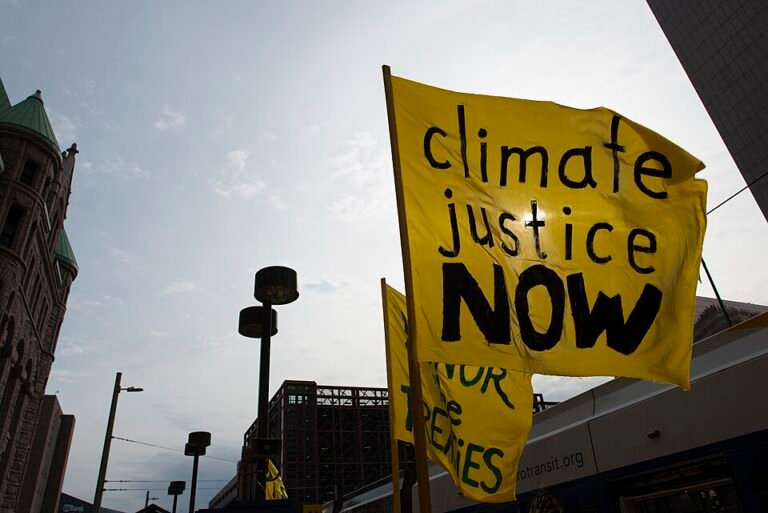
People do not avoid cooking with charcoal because they reject renewable energy. They cook with charcoal because policy failure gives them no other option. The difference is stark in Zambia too, as households are encouraged to abandon charcoal but electricity is only available for a few hours each day. While charcoal is consumed, deforestation is blamed on low-income families and the environmental impact of industries is not included in the political agenda. It’s not just a matter of the environment. Fairness is the issue here. Environmentalism becomes selective enforcement when policy focuses on the poor, as they are visible targets, but powerful extractive people go unpunished. Clean cooking is not about cleaner energy but who is going to live. No sustainable energy transition will be realised through the imposition of restrictions on adaptation.
Key words: Clean cooking, charcoal, energy poverty, Zambia, energy justice, climate justice, deforestation


 Reston Dennis Juah
 Noor Ul Ain
 Hassan Barrie
 Hoby Nasandratra Andriamiandrisoa
Top notch service and a very fair gaming environment. It feels like they actually care about the players. Check out winpgclub for some quality entertainment.