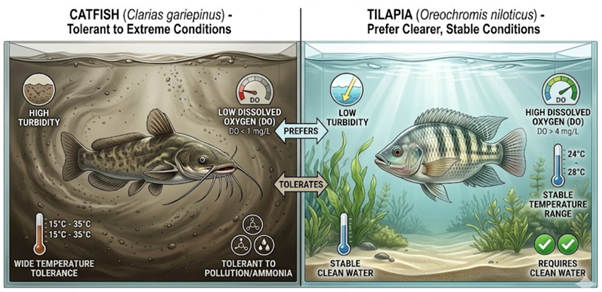

Have you ever considered raising catfish and tilapia together in a single pond? At first, this appears to be a practical and efficient approach to aquaculture. Both species are robust, commonly farmed, and play important roles in supporting food security and local livelihoods. However, their shared environment also reveals a more profound truth: it illustrates how climate change affects various regions of the world with significant inequality.
With a background in aquaculture and current studies in climate policy and diplomacy, I have observed this dynamic firsthand—both in actual fish ponds and on the global stage. What starts as a simple biological observation evolves into a powerful metaphor for exploring resilience, vulnerability, and justice amid environmental change.
Life in the Shared Pond
Catfish (Clarias spp.) exemplify remarkable resilience. As air-breathing fish, they flourish in environments with low oxygen levels, high turbidity, and even polluted waters. They can withstand a range of fluctuating conditions that would challenge most other species. In fact, environmental disturbances such as increased water flow or stirred sediment may actually enhance their breeding success (Caesar et al., 2021).
Tilapia (Oreochromis spp.), although adaptable and fast-growing, thrive best in stable environments with clear water, moderate oxygen levels, and little disturbance. When the pond becomes warmer, murkier, and low in oxygen, their growth slows, reproduction decreases, and survival rates fall sharply (Zhou et al., 2022; Ardjosoediro & Ramnarine, 2002).
Now imagine the pond under increasing stress: rising temperatures reduce dissolved oxygen, sediment clouds the water, and conditions grow unstable. In this shared space, catfish continue to thrive and multiply, while tilapia struggle. Both species remain in the same water, but their outcomes diverge dramatically. This is not random — it results from differing physiological tolerances to a changing environment.
From Pond to Planet: The Global Climate Analogy
This small pond clearly reflects the situation of our planet. Earth itself is a shared “pond.” For more than a hundred years, human activities—mainly burning fossil fuels and cutting down forests—have released large amounts of greenhouse gases, especially carbon dioxide (CO₂). The Intergovernmental Panel on Climate Change reports that these activities have already raised global temperatures by about 1.1°C above pre-industrial levels (1850–1900), with the largest increase observed between 2011 and 2020 (IPCC, 2023).
Just like in the pond, the effects of this warming are not felt equally. The Global North—developed countries with strong economies and advanced infrastructure—are like resilient catfish. These nations have contributed most to the buildup of CO₂ over time and have the money, technology, and strong systems needed to better cope with rising sea levels, extreme weather, and changes in farming (Beusch et al., 2022).
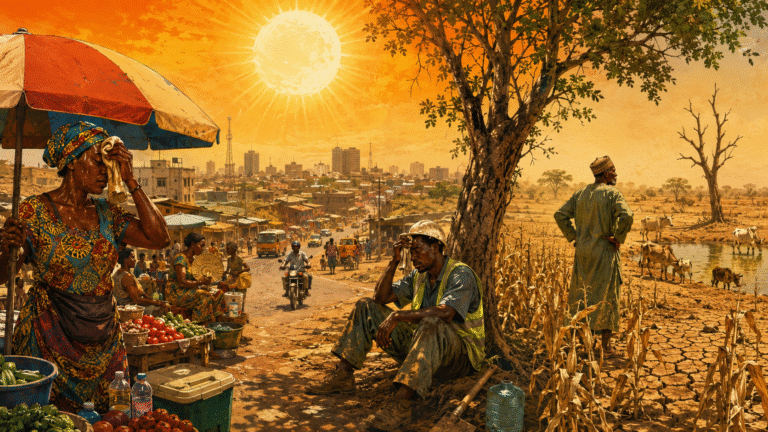
On the other hand, countries in the Global South—especially in Africa, Asia, Latin America, and small island states—are more like the vulnerable tilapia. For example, Africa is responsible for only about 3.6% of global CO₂ emissions from fossil fuel combustion in the energy sector, even though it has nearly one-fifth of the world’s people (IEA, 2025). Still, these countries are often the most at risk. Many rely on jobs and food from climate-sensitive activities, such as farming, fishing, and herding. They also have less money and weaker systems to help them adapt (Zougmoré et al., 2016).
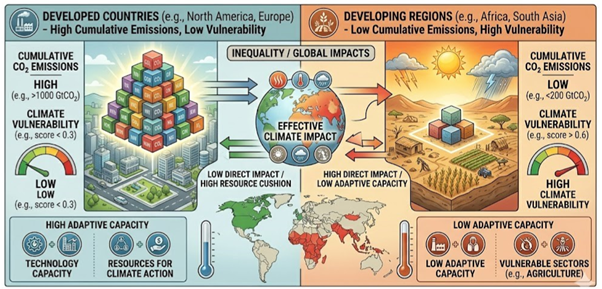
Figure 1: Global inequality in emissions and vulnerability. Source: Adopted from ND-GAIN (2023) & Our World in Data.
Policy and Diplomatic Implications
This imbalance is not just unlucky—it is built into the system. The Paris Agreement (2015) recognises this through the idea of “common but differentiated responsibilities and respective capabilities” (CBDR-RC) (UNFCCC, 2015). This means all countries need to help find solutions, but the expectations and the support given should match each country’s history and capacity to act.
In talking about climate change, the catfish-tilapia story is especially helpful. It turns dry statistics into a clear, relatable example that connects science with people’s understanding and sense of fairness. Good climate diplomacy is more than technical talks at COP meetings. It needs stories that show we are all at risk while also respecting the different roles and responsibilities countries have. Such stories can help build trust and the will to act together between the Global North and Global South.
Lessons from Aquaculture for Global Action
Aquaculture gives us more than just a story—it gives us ideas for real solutions. Skilled fish farmers do not ignore problems in the pond. They use specific actions, such as adding aeration systems to increase oxygen levels, improving water management, choosing better breeds, and combining different species so they can live together successfully.
Our global climate ‘pond’ also needs smart actions like these:
- High-capacity countries must quickly and deeply cut their emissions.
- Vulnerable countries need much more climate funding, technology sharing, and help to build skills.
- We should invest in strong infrastructure that can handle climate challenges and support sustainable growth.
- We must move faster to use renewable energy, as the International Energy Agency suggests for reaching net-zero emissions by 2050 (IEA, 2021).
Conclusion
The catfish-and-tilapia story reminds us that we all share the same pond, breathe the same air, and drink the same water. But our risks and responsibilities are not the same. A healthy and balanced ecosystem helps everyone. If the more vulnerable ’tilapia’ suffer too much, the whole system breaks down—a lesson that also fits our global community.
As leaders, scientists, communicators, and global citizens, we need to create systems—ecological, economic, and diplomatic—that help everyone become more resilient. The waters are already getting rougher. Now is the time to act wisely, fairly, and quickly.
What simple analogies from your own experience help you understand the complexities of climate change and inequality? Sharing such stories may be one of the most effective ways to advance meaningful climate communication and diplomacy.
Keywords: Climate Inequality, Global Climate Justice, Resilience And Vulnerability, North-South Divide.

 Reston Dennis Juah
 Noor Ul Ain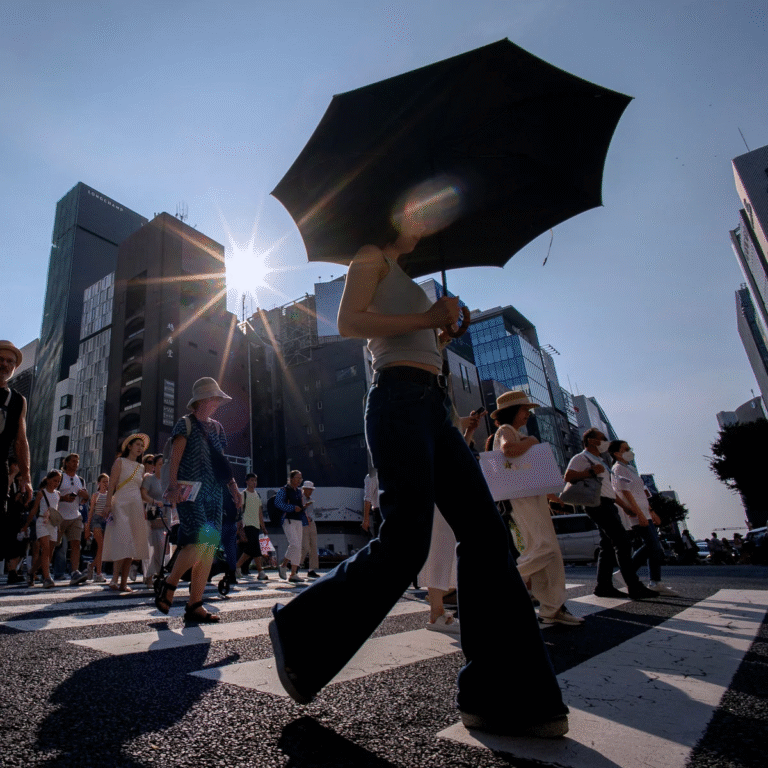
 Hassan Barrie
 Hoby Nasandratra Andriamiandrisoa
888SLOT cam kết không can thiệp vào kết quả trò chơi. Hệ thống RNG (Random Number Generator) được kiểm toán định kỳ bởi GLI – tổ chức kiểm định hàng đầu thế giới trong lĩnh vực iGaming. TONY07-03
The atmosphere of this casino is top notch. It really feels like a premium experience from the moment you sign up. Visit parkjilicasino today.