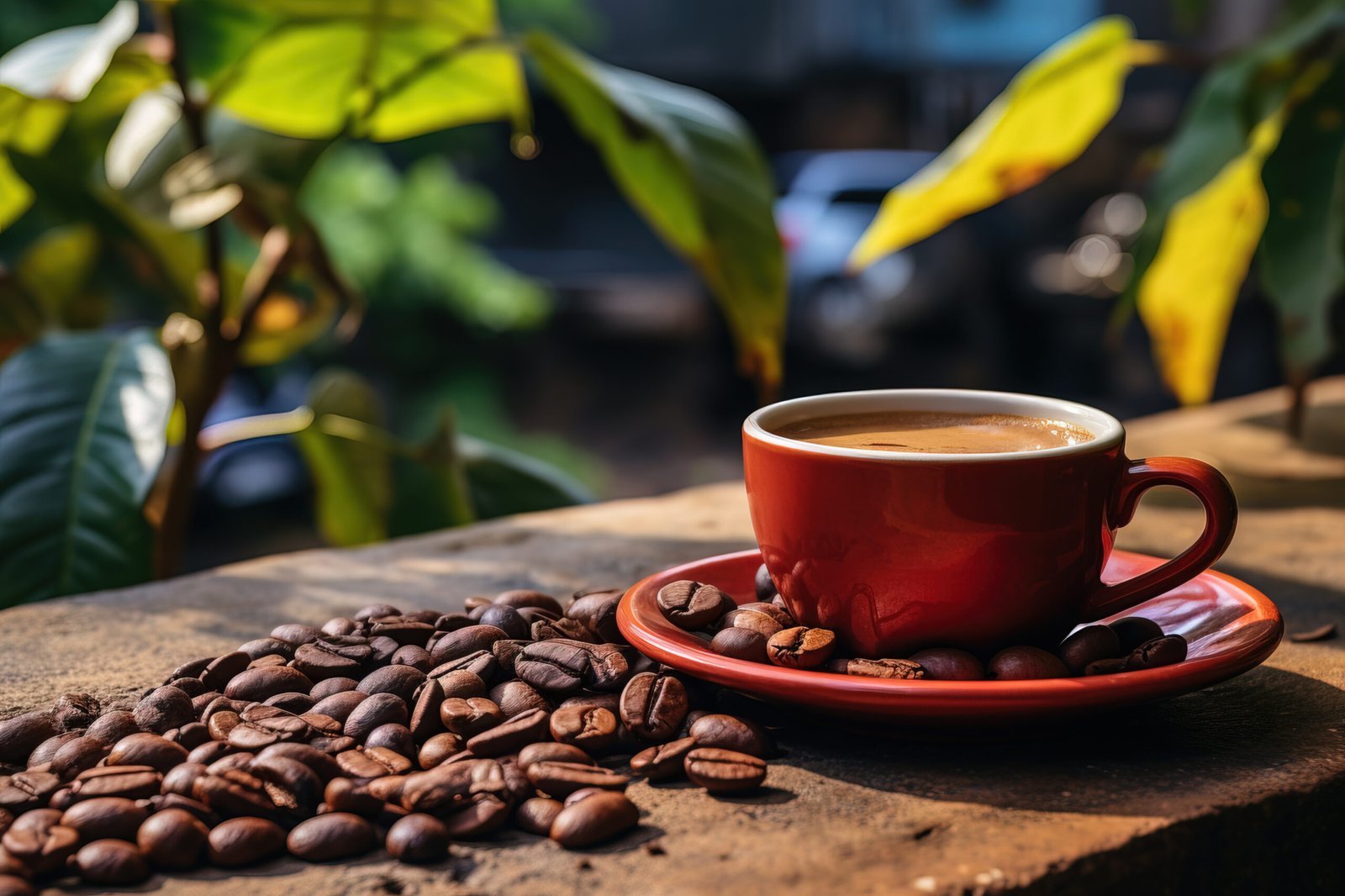

The changing of the climate is not happening in the Himalayan, but it is happening in your cup of coffe, right now. Coffe as one of the most consume beverages globally and one of the most traded comodities worldwide. Start from July 2024 untill in the early of 2025 the price of Arabica coffe around the world has increasing more than doubled, according to Food and Agricultural Organization by the end of the year pf 2024, Arabica was selling up to 58 percent compare to the year before, in the other hand, Robusta the price surge up to 70 percent, there are two reason actually, the first one is shipping cost, the second one and the most influentioal factor is climate change. That one cup of coffee in the morning is one of the clearest example that we have into how the climate change actually means for common citizen.
We know how climate change will become our problem, we have seen how glacier is melting, a stranded polar bear, or a picture of graph that showed the increasing temperature. In fact the crisis is not coming, it is happening now around us, its start to distrupt our daily basis, like some studies shows that the taste of our baverages like coffe, tea, and chocolate are no longer tastes the same.
Source: Bunn et al. (2014). A bitter cup: climate change profile of global production of Arabica and Robusta coffee.
Coffe trees are very sensitive plant, it can only grow in specific environment. Like the variety of Arabica, the best place for it to grows is in the place where the temperature between 18 and 22 degrees Celsius, many years a go it can grow in the 650 and 700 metres above sea level, but now if you want to get the same taste of coffe as before, you have to planting your coffe trees in the elevation around 1,200, with consistent rainfall.
Brazil as one of the biggest coffe producer world wide, its produces around 40 percent from the toatal coffe in the world, ini 2023 there was severe drought that happened and also heavy rain that exacerbating the dameges. Vietnam, as the second largest exporter globally and the source of Asia’s Robusta exporter, also experiencing heavy rain in 2023-2024, and it lead to export declining for the two years in a row. The same thing experienced by Indonesia, home to the earthy and reach in flavor beans of Flores, Java, Toraja, and Sumatra, the output was descreased as rainfall patterns shifted across its islands. According to the FAO, nearly 40 percent price surge in 2024 due to supply-side disruptions, primarily from unfavourable weather. So there is connection, between the impact from burning fossil fuels, to the global warming, to the unpredectible precipitation and drought that experienced by Indonesia and Vietnam to the price of a cup of coffe that consumers need to pay.
Mike Hoffmann, professor emeritus at Cornell University and lead author of Our Changing Menu: Climate Change and the Foods We Love and Need. He said that drought stress the coffee plant, then you get way too much water, and it affects the quality and quantity of the bean, the berries. In addition, as coffee prices increasing, company like Starbucks chose to draw down their existing coffee inventories instead of buying expensive bean in the open market. He said climate change is not going away, the severity of drought, flooding, all of that will get worse. It’s not just coffee, it’s the whole food supply.
Hoffmann is clear that climate change is not going away, and that the severity of drought and flooding will continue to worsen over time. He also points out that this is not just a coffee problem. Coffee is one visible example of a much wider threat to the global food supply. Wheat, rice, cacao, and other staple crops are all facing the same pressures. The condition that farmers have relied on for generations are becoming unreliable. Seasons are shifting, rainfall is less predictable, not to mention th pests and diseases that were once kept in check by cooler temperatures are now spreading into new regions.
What makes coffee such a useful lens for understanding climate change is how personal and immediate the effects. Most people may do not think about the Brazilian drought when they order a coffee, but the connection is real and it is direct. The price on the menu is not just a number, it is a signal of something much larger happening in the ecosystems of world’s. As long as the underlying causes of climate change continue unchecked, the disruption to coffee supply will keep growing. Prices will keep going up and the taste that people associate with their favorite beans will keep shifting as farmers move their coffee trees to higher and higher elevation looking for the right conditions.
The story of coffee is not meant to be discouraging. It is meant to make the abstract more concrete. Climate change can feel overwhelming because of its scale, it is already touching the most ordinary parts of our daily life. By knowing that connection is the first step toward understanding why action on climate change is not just an environmental concern. It is an economic one, a cultural one, and for many people in coffee-growing regions, it is a matter of livelihood and survival.
Keywords: Climate Change, Coffee, Food, Flood, Drought



 Reston Dennis Juah
 Noor Ul Ain
 Hassan Barrie
 Hoby Nasandratra Andriamiandrisoa
Finally found a platform that actually pays out quickly. The interface is very user-friendly for beginners. Highly recommend phplus777vip