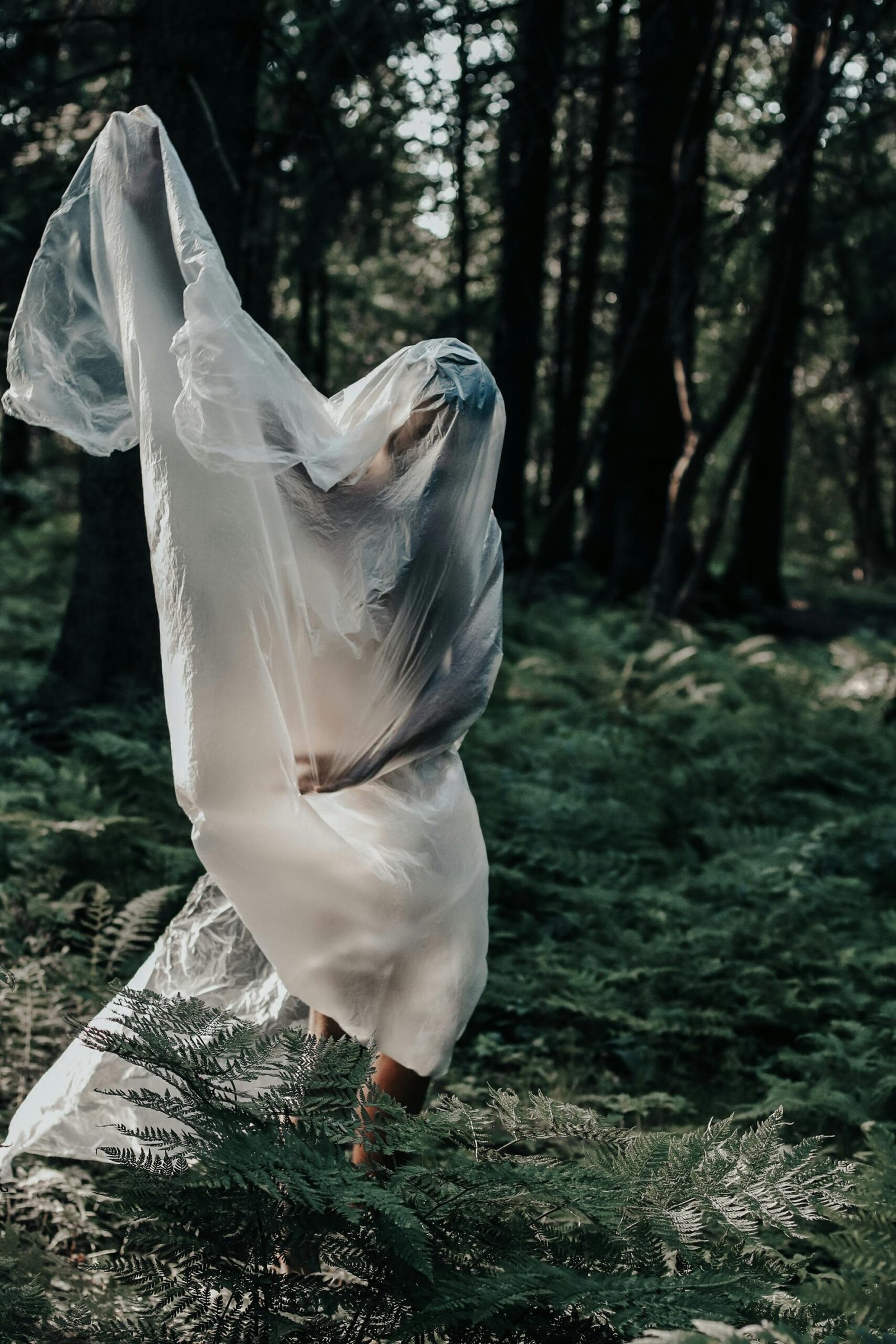

Maybe if you see a video of disaster like floods in Sumatra, wildfires destroying forest in Kalimantan, and maybe there are headlines warning about rising sea level threatening Jakarta. Inside your self you feel helpless, if you experienced this you are not overreacting, what you are feeling has a name, its called eco-anxiety. Eco-anxiety also called ecological anxiety or climate anxiety chronic fear about the future of the planet and the damage being done to it. The American Psychological Association (APA) formally defines it as a chronic fear of environmental doom, a deep worry that the Earth is heading to destruction. The feeling is more widespread than most people realize. A study published in The Lancet Planetary Health in 2021 they surveyed more than 10,000 young people aged 16 to 25 across ten countries and found that nearly 60% reported feeling very or extremely worried about climate change issues. Over than 45% said that their feelings negatively affected their daily functioning, including eating, sleeping, and concentrating at school. An overwhelming 83% believed that adult had failed to take care of the planet.
Source: Hickman et al. (2021), The Lancet Planetary Health.
Eco-anxiety hits young people harder than other age groups and there are very clear reasons for this. First one, the brain is still developing, according to Dr. Fransiska Kaligis, a child and adolescent psychiatrist from Universitas Indonesia, the human brain particularly the parts responsible for emotional regulation and decision making is still maturing until around age 24. It means young people are more emotionally reactive to distressing news, and less equipped to process it in a healthy way. Second one, social media amplify the problem, the youth of Indonesia spend a big amount of their time on platforms like TikTok, Instagram, and X (previously called Twitter). These platforms are driven by engagement algorithm that tend to push the most alarming and emotional content, teenager maybe see many videos about climate disaster in a when they are scrolling in hteir phone in the night before going to bed. This kind of negative information is difficult to process, and sometimes leading to emotional response like fear, anger, guilt, and desparate rather than constructive action. Third one, it feels deeply personal and unfair, many young people feel that they are inheriting a damage planet one that they did not break. Climate change was largely caused by industrialization and consumption pattern that happened before their generation was even born. This sense of injustice fueling eco-anxiety and turning it into not just fear, but also grief and rage, but the good news is that eco-anxiety does not have to be paralyzing, it could become powerful fuel to ignite the youth to make some changes. Like The Climate Reality Project Indonesia is another example, many of the member are teenagers, some as young as 13 or 14 who lead workshop, run youth leadership program on the climate crisis, and organize community awareness campaign. Mental health professionals in this space emphasize the importance of what they call climate-aware therapy, a framework that validates environmental fear as rational response to a real crisis rather than symptom of individual dysfunction. In the Indonesian context, this means schools, parents, and community leaders should not dismiss young people’s climate fears as exaggerated thing. Instead, they should help young people move from passive fear to active engagement, because research consistently shows that taking action significantly it reducing the psychological burden of eco-anxiety. Education also plays a critical role, when young people understand the science behind climate change, they move from a vague feeling of dread to a more focused understanding of what is happening and why.
Eco-anxiety actually is a sign of empathy, it means you are paying attention, that you care about the world you live in and the world you will leave behind for the future generation. That instinct to care, to worry, to want better is not a weakness. It is actually the starting point of every meaningful environmental movement in history. The challenges now is how to make sure that anxiety does not become paralyzing that it transforms instead into the kind of informed and hopeful so it can encourage collective action that Indonesia’s environment so urgently need.
Keywords: Anxiety, Community, Youth, Education, Wildfires




 Reston Dennis Juah
 Noor Ul Ain

 Hassan Barrie
 Hoby Nasandratra Andriamiandrisoa
Mình đánh giá cao 188v. vì hỗ trợ mobile rất tốt. TONY06-18
وی ایزوله ناترکس، حاوی ۲۵
گرم پروتئین وی ایزوله ۱۰۰٪
در هر سروینگ است که با روش میکروفیلتراسیون پیشرفته
تولید شده.
فیتنس مکمل، منبع بهترین مکمل های اروجینال برای افرادی است که به سلامت و زیبای اندام خود، و کیفیت و اصالت مکمل ورزشی اهمیت میدهند.
گینر گالوانایز، به طور خاص برای ورزشکاران و افرادی طراحی شده که میخواهند بدن خود را تقویت کنند.
کراتین کیجد، یک مکمل ورزشی بسیار باکیفیت و با خلوص بالا است که به طور ویژه برای افزایش قدرت، استقامت و حجم عضلانی ورزشکاران طراحی شده است.
کراتین بی پی ای، ساخت کمپانی بی پی ای است که شعار خود را بر مبنای کیفیت و عملکرد بنا کرده و در این محصول روی یک ویژگی کلیدی دست گذاشته است، خلوص و میکرونیزاسیون.
وی بی پی ای، در واقع یک ترکیب فوقپیشرفته از پروتئینهای وی با سرعت جذب متفاوت است.
وی ایزوله بی پی ای، یک مکمل پروتئین وی با کیفیت فوقالعاده بالا است که توسط کمپانی بی پی ای تولید میشود.
وی ایزوله کوین لورون، یک مکمل پروتئین وی بسیار پیشرفته است که توسط برند ورزشی کوین لورون تولید میشود.
گینر اپتیموم، یک معماری تغذیهای است که برای شرایط بحرانی کمبود وزن طراحی شده است.
وی زوماد لبز، محصولی فوقحرفهای و باکیفیت است که با ترکیبات استثنایی و طعمهای جذاب، انتخابی عالی برای ورزشکاران محسوب میشود.
گینر ایوژن، یکی از حرفهایترین و باکیفیتترین مکملهای افزایش وزن و حجم در دنیاست که توسط «هانی رامبد»، مربی مشهور اسطورههای بدنسازی، فرموله شده است.
وی ایزوله زوماد لبز، یک مکمل با کیفیت بالا است که از آبپنیر ایزوله با خلوص ۹۰–۹۵٪ تهیه شده و تقریبا فاقد چربی و لاکتوز است.
کراتین دنیس جیمز، یک مکمل ورزشی باکیفیت است که تحت برند بدنساز حرفهای و سرشناس، دنیس جیمز، تولید و عرضه میشود.
مکمل حجم دهنده سریع، فرمولاسیونهای متراکمی از کالری، پروتئین با کیفیت بالا، کربوهیدراتهای پیچیده و اسیدهای آمینه ضروری هستند.
وی کوامترکس، یک مکمل پودری باکیفیت است که از کنسانتره پروتئین وی ساخته شده.
گینر گلد اپتیموم، پاسخی هوشمندانه به نیاز ورزشکارانی است که نمیخواهند با مصرف کالریهای بیهوده، زیبایی اندام خود را فدای حجم کنند.
وی ایزوله کیجد، با استفاده از فناوریهای پیشرفته میکروفیلتراسیون، تضمین میکند که پروتئین وی به خالصترین شکل ممکن خود برسد.
کراتین بادی بیلدینگ، میکرونایز شده و فاقد هرگونه فیلر (مواد پرکننده)، طعمدهنده مصنوعی یا شکر است.
گینر یو اس ان، در واقع اشاره به یکی از محصولات پرطرفدار و باکیفیت شرکت یو اس ان دارد.
وی ردکان وان، ترکیبی از پروتئین وی هیدرولیز شده و کنسانتره است.
کراتین اکتیولب، بر پایه کراتین مونوهیدرات خالص بنا شده است، اما با درجه خلوص دارویی و فرآوری میکرونایز شده.
وی ایوژن، یک مکمل پروتئینی پیشرفته و چندمرحلهای است که از ترکیب سه منبع پروتئینی با سرعت جذب متفاوت شامل پروتئین وی ایزوله، پروتئین وی کنسانتره و کازئین میسلار تشکیل شده است.
کراتین ترکیبی ماسل تک، یک کراتین ترکیبی پیشرفته و چندمؤلفهای است که برای به حداکثر رساندن جذب کراتین و افزایش حجم عضلانی طراحی شده است.
وی ویکتور مارتینز، یک مکمل ورزشی پیشرفته و باکیفیت است که تحت نظارت مستقیم “ویکتور مارتینز”، قهرمان سرشناس دنیای بدنسازی، برای حمایت از رشد و ریکاوری عضلات طراحی شده است.
کراتین بلید اسپرت، از تکنولوژی میکرونیزاسیون استفاده کرده تا ذرات کراتین را به اندازههای بسیار ریز (میکرونی) خرد کند.
گینر ناترکس، در واقع یک فرمولاسیون پیشرفته و یک بمب کالری مهندسیشده است.
کراتین ترکیبی ناترکس، یک محصول پیشرفته برای بارگیری گلیکوژن و کراتین است که برای به حداکثر رساندن عملکرد و حجم عضلات طراحی شده.
وی فا، یک مکمل خوشطعم و باکیفیت است که حاوی ۱۰۰٪ پروتئین وی کنسانتره میباشد.
وی گلد ماسل تک، یکی از پیشرفتهترین و خالصترین مکملهای پروتئینی در دنیاست که با هدف عضلهسازی خشک و ریکاوری سریع طراحی شده است.
گینر ویکتور مارتینز، فلسفهای از تغذیه است که توسط خود ویکتور مارتینز طراحی شده است.
گینر استرویت، یک مکمل غذایی پودری است که با هدف تامین کالری بالا، کربوهیدراتهای پیچیده و پروتئینهای باکیفیت برای ورزشکاران طراحی شده است.
کراتین ناکلیر، یک ماتریس پیچیده است، این کراتین ترکیبی از برند ناکلیر نوتریشن، بر اساس فلسفه همافزایی طراحی شده است.
وی ناکلیر، یک مکمل ورزشی باکیفیت است که عمدتاً از کنسانتره پروتئین آب پنیر تشکیل شده.
گینر ناکلیر، با ارائه ترکیبی هوشمندانه از ماکرونوتریینتها، به شما اجازه میدهد کالری مایع با کیفیتی را وارد بدن کنید که به سرعت جذب میشود.
گینر ویسلی، یک مکمل تخصصی افزایش وزن و حجم عضلانی است که با ترکیب هوشمندانهای از کربوهیدراتهای پیچیده، پروتئینهای باکیفیت و اسیدهای آمینه ضروری، طراحی شده است.
پروتئین بیف ماسل مدز، نخستین پروتئین ایزوله گوشت گاو در جهان است که با تکنولوژیهای پیشرفته فیلتراسیون تولید شده است.
کراتین hcl ماسل تک، خالصترین فرم کراتین است که نمک و ناخالصیهای دیگر از آن جدا شدهاند.
گینر ماسل اسپرت، یک سیستم کامل برای افزایش کالری دریافتی و پشتیبانی از ریکاوری عضلانی است.
گینر بادی بیلدینگ، یک مکمل پودری پرکالری است که از ترکیب کربوهیدراتها، پروتئینها و چربیهای سالم تشکیل شده است تا به شما در افزایش وزن و حجم عضلانی کمک کند.
گینر ماسل کور، نسبت کربوهیدرات به پروتئین را دقیقاً شبیه به نسبت طلایی مورد نیاز برای ریکاوری پس از تمرینات سنگین هایپرتروفی تنظیم کرده است.
گینر ناترند، یک مکمل پیشرفتهی ورزشی با ترکیب مهندسیشدهای از کربوهیدراتهای پیچیده، پروتئینهای با ارزش بیولوژیکی بالا و مجموعهای از ویتامینها است که برای ایجاد کالری مازاد و تسریع روند عضلهسازی طراحی شده است.
وی تروفیول، یک منبع پروتئینی با ارزش بیولوژیکی بسیار بالا است که حاوی تمامی اسیدهای آمینه ضروری است که بدن انسان قادر به تولید آنها نیست و باید از طریق رژیم غذایی دریافت شوند.
گینر وایکینگ فورس، یک فرمولاسیون پیشرفته و کالریمتراکم است که برای پشتیبانی از رشد عضلانی و افزایش وزن طراحی شده است.
وی ایزوله تروفیول، یک مکمل پروتئینی فوقالعاده خالص است که طی فرآیندهای پیشرفته میکروفیلتراسیون، چربی، کربوهیدرات و لاکتوز آن حذف شده و بیش از 90% پروتئین خالص و زودجذب را برای سنتز عضلانی در اختیار بدن قرار میدهد.
گینر کوین لورون، یک مکمل افزایشدهنده وزن و حجم فوقپیشرفته است که ترکیبی ایدهآل از کربوهیدراتهای پیچیده، پروتئینهای زودهضم و دیرهضم، و اسیدهای آمینه ضروری را در خود جای داده است.
وی سون نوتریشن، یک مکمل پروتئینی باکیفیت و پیشرفته است که از بهترین منابع آب پنیر استخراج میشود و به منظور تسریع ریکاوری، افزایش حجم عضلانی و بهبود عملکرد ورزشی طراحی شده است.
گینر تروفیول، با ارائه یک پروفایل درشتمغذی متعادل، به بدن شما سوخت لازم برای تمرینات سخت و مواد اولیه برای ساخت تارهای عضلانی جدید را میرساند.
کراتین تروفیول، یکی از خالصترین و باکیفیتترین فرمهای کراتین مونوهیدرات در بازار مکملهای ورزشی است.
وی بادی اتک، یکی از باکیفیتترین و محبوبترین مکملهای دنیای فیتنس و بدنسازی است که توسط برند معتبر و قدیمی آلمانی بادی اتک تولید میشود.
گینر اکتیولب، یک مکمل ورزشی پرکالری متشکل از کربوهیدراتهای پیچیده و پروتئین با کیفیت است که به طور خاص برای افزایش سریع وزن، ریکاوری بهتر و ساخت توده عضلانی در افراد لاغر اندام طراحی شده است.
وی رول وان، یکی از مکملهای برجسته در بازار جهانی است که عمدتاً برای حمایت از عضلهسازی، ریکاوری سریع، و بهبود کلی عملکرد ورزشی طراحی شده است.
گینر رونی کلمن، یک مکمل افزایش وزن و حجم عضلانی با فرمولاسیون مهندسی شده است که با ترکیب بهینهای از پروتئینها، کربوهیدراتهای پیچیده و چربیهای سالم، کالری مازاد مورد نیاز برای هایپرتروفی (رشد عضلانی) را فراهم میکند.
وی ایزوله رونی کلمن، یک منبع پروتئینی فوقالعاده خالص است که تمام چربیها، کربوهیدراتها و قندهای اضافی آن در فرآیندهای پیچیده آزمایشگاهی فیلتر شده است.
کراتین ماسل رولز، یکی از خالصترین فرمهای کراتین مونوهیدرات تو بازار جهانیه. وقتی حرف از توصیههای آکادمیک ورزشی میشه، کراتین همیشه پای ثابته.
وی ایزوله ماسل پلاس، یک منبع خالص و فیلتر شده از پروتئین آب پنیر است که چربی و لاکتوز آن به حداقل ممکن (نزدیک به صفر) رسیده است.
وی ماسل پلاس، یک ترکیب مهندسیشده از اسیدهای آمینه ضروری است که بدن شما برای ریکاوری بعد از یک تمرین سنگین با وزنهها به آن نیاز دارد.
کراتین بی اس ان، کراتین مونوهیدرات ۱۰۰٪ خالص و میکرونایز شده است که برای پر کردن ذخایر (آدنوزین تریفسفات) عضلات شما طراحی شده.
کراتین ماسل پلاس، در واقع یک مکمل ورزشی فوقالعاده خالص و قدرتمند بر پایه کراتین مونوهیدرات است که دقیقا مثل یک باتری یدکی برای سلولهای عضلانی شما عمل میکند.
گینر ماسل پلاس، یک مهندسی دقیق تغذیهای برای هاردگینرها است که نقش کلیدی در جلوگیری از کاتابولیسم (عضلهسوزی) و تسریع ریکاوری بعد از تمرینات مقاومتمحور ایفا میکنند.
گینر ماسل تک، به گونهای طراحی شده تا نیاز ورزشکاران به تهیه جداگانه چندین مکمل (مانند پروتئین وی، کراتین، گلوتامین و مولتیویتامین) را برطرف سازد.
گینر بی اس ان، یکی از شناختهشدهترین و معتبرترین پودرهای افزایش حجم در دنیای بدنسازی و فیتنس به شمار میاد.
آمینو دایماتیز، یک ترکیب فوقالعاده از هر ۹ اسید آمینه ضروری است که بدن انسان قادر به ساختن اونها نیست و حتماً باید از طریق رژیم غذایی یا مکملها تامین بشن.
بی سی ای ای دایماتیز، یک مکمل پودری یا کپسولی باکیفیت است که اسیدهای آمینه ضروری (لوسین، ایزولوسین و والین) را با نسبت طلایی و علمی 2:1:1 به بدن شما میرساند.
مس گینر زوماد لبز، با فرمولاسیون پیشرفته خودش، ترکیبی ایدهآل از کربوهیدراتهای پیچیده، پروتئینهای با ارزش بیولوژیکی بالا و اسیدهای آمینه ضروری رو تو یه پکیج جذاب به شما میده.
کراتین اپلاید، یک کراتین مونوهیدرات میکرونایز شده است که دانههای کراتین را به اندازهی گرد و غبار نرم و ریز میکند، به سطحی از حلالیت و جذب که سیستم گوارش شما بابت آن سپاسگزاری خواهد کرد.
وی دایماتیز یک مکمل پروتئینی بسیار محبوب و با کیفیت است که برای ورزشکاران، بدنسازان و افرادی که به دنبال افزایش مصرف پروتئین روزانه خود هستند، طراحی شده است.
کراتین کوامترکس یک منبع خالص از انرژی برای عضلات تشنه شماست! وقتی در باشگاه زیر وزنه هستید و احساس میکنید دیگر توان حتی یک تکرار بیشتر را ندارید، دقیقاً همینجاست که کراتین وارد میدان میشود.
وی ایزوله بادی بیلدینگ یک مکمل پروتئینی فوقپیشرفته و تصفیهشده است که طی فرآیند میکروفیلتراسیون، بیش از ۹۰ درصد پروتئین خالص را در خود جای داده و تقریباً فاقد چربی، کربوهیدرات و لاکتوز (قند شیر) میباشد.
کربوهیدرات اپلاید یک منبع انرژی فوقسریع و پایدار بر پایه کربوهیدراتهای خاص (مثل کلاستر دکسترین) است که برای سوخترسانی قبل، حین و بعد از تمرین طراحی شده است.
وی ناتریورسام یک مکمل ورزشی بسیار باکیفیت بر پایه پروتئین آب پنیر است که با سرعت جذب بالا و پروفایل اسیدهای آمینه کامل، به رشد سریعتر عضلات، جلوگیری از ریزش عضله و ریکاوری قدرتمند پس از تمرینات سخت کمک میکند.
گینر ناتریورسام یک مکمل ورزشی باکیفیت است که با نسبت ایدهآلی از کربوهیدراتهای پیچیده و پروتئینهای زودجذب، برای کمک به افزایش وزن و حجم عضلانی طراحی شده است.
کراتین ناتریورسام یک منبع خالص از کراتین مونوهیدرات است که توسط برند معتبر اروپایی ناتریورسام تولید میشود.
آمینو ناتریورسام یک منبع غنی و کامل از اسیدهای آمینه ضروری و غیرضروری است که به شکل قرص تولید میشود.
وی الیت دایماتیز یک ترکیب مهندسی شده از وی پروتئین ایزوله و وی پروتئین کنسانتره است دایماتیز تلاش کرده تعادلی بین “سرعت جذب فوقالعاده” و “بافت طعمی غنی” ایجاد کند.
بست امینو ای ای ای بی پی ای در واقع یه ترکیب هوشمندانه از آمینو اسیدهای شاخهدار و آمینو اسیدهای ضروری به همراه یه ماتریکس هیدراتاسیون خفنه که برای جلوگیری از کاتابولیسم (ریزش عضلانی) و افزایش سنتز پروتئین طراحی شده.
وی ایزوله ناکلیر یک فرم به شدت تصفیه شده از پروتئین آب پنیر هست و فرآیند تولید ان با فیلتراسیونهای خیلی پیشرفتهای (مثل کراس فلو) انجام میشه تا چربی، لاکتوز و کربوهیدرات به کمترین میزان ممکن برسه.
کراتین ایس فا همان کراتین مونوهیدرات خالص است که به عنوان “پادشاه مکملها” شناخته میشود و بیشترین تحقیقات علمی در تاریخ علوم ورزشی روی آن انجام شده است.
آمینو الیمپ یک مکمل ورزشی باکیفیت و پیشرفته از برند معتبر لهستانی الیمپ است که حاوی مجموعهای از اسیدهای آمینه ضروری و اسیدهای آمینه شاخهدارمیباشد.
بی سی ای ای الیمپ یک ترکیب مهندسی شده از سه اسید آمینه ضروری یعنی لوسین، ایزولوسین و والین است که بدن ما قادر به تولید آنها نیست.
آمینو ای ای ای ناترند ۹ آمینو اسید حیاتی را در یک فرمولاسیون بینظیر و با سرعت جذب بالا به بدن شما میرساند.
وی ترکیبی رول وان یک مکمل پروتئینی پیشرفته و چندفازی است که از ترکیب هوشمندانه ۷ منبع مختلف پروتئین با سرعت هضم متفاوت تشکیل شده است.
وی ترکیبی ماسل تک با ترکیب دوز مشخص کراتین با پروتئین وی منجر به ۷۰ درصد افزایش در رشد عضلات بدون چربی در مقایسه با مصرف پروتئین وی به تنهایی میشود.
وی بیسیک یک مکمل پروتئین وی تمرکزیافته یا ترکیبی استاندارد است که تمام اسیدهای آمینه ضروری و اسیدهای آمینه شاخهدار را بدون قیمتهای نجومی فراهم میکند.
کراتین بیسیک با ارائه کراتین مونوهیدرات ۱۰۰٪ خالص و میکرونیزه شده، ذخایر فسفوکراتین سلولهای عضلانی را به حداکثر اشباع میرساند.
گینر بیسیک بهطور اختصاصی برای افرادی طراحی شده که اصطلاحاً “هارد گینر” هستند؛ یعنی متابولیسم فوقالعاده بالایی دارند و کالریسوزی بدنشان اجازه ساخت بافت جدید را نمیدهد.
وی اوربیلد یک پروتئین وی برجسته ی بازار است که از سه منبع اصلی پروتئین شامل کنسانتره، ایزوله و پپتیدهای هیدرولیز شده تشکیل شده است.