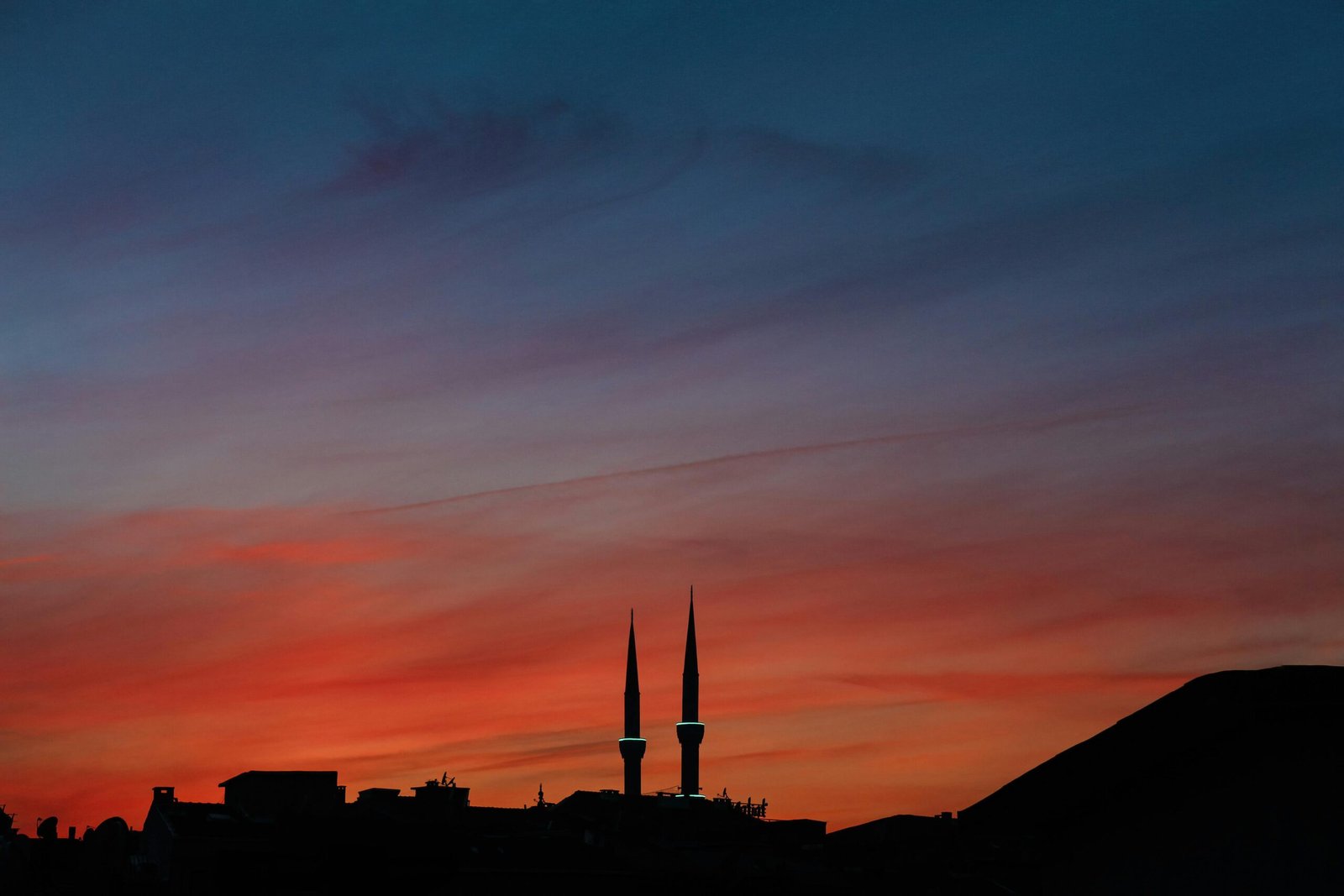

Climate change is one of the biggest problem that humanity facing now, but there is challanges that policy makers dealing with, on how to communicating it. Scientific approach, policies from the government, to some extend fail to resonate with everyday life of communities. In countries like Indonesia, where religion values are really embedded in everyday life most of the population, by involving religious leaders in climate communication maybe one of the most effective practice.
Government campaign and scientific messages about climate change tend to rely on data, statistic, and policy framework. While this approach is important, it doesnt really touch the heart of the people. There are many people, especially people who live in the villages have limitation in terms of formal education, they do not have personal connection to concept like global average temperature or carbon emissions. This is a failure of relevance, people act on information when that information resonates with their values, their identity, and the authority they trust. Indonesia as the world’s largest Muslim majority country, In a country like this, the teachings of Islam and clerics hold a trusted authorities. One of the most effective ways to communicate responsibility for the environment in the Indonesian context is through the Islamic concept of khalifah, the belief that humans have been chosen by God to be the Earth’s caretakers and stewards. When environmental protection is framed not as government regulations or scientific recommendations, rather as a divine obligation and trust (amanah) given to every Muslim, it becomes a message that has a different meaning. They become expressions of devotion to God’s trust. For societies deeply embedded in Islamic teachings, this difference is profound, obligation to the country can be negotiated or postponed, obligation to God bring a different sense of urgency. A 2018 Pew Research survey found that 93% of Indonesian citizens consider religion is highly important in their lives, making the country one of the most religious in the globe. Religious leaders can inspire a sense of personal and communal responsibility toward nature that maybe government difficult to achieve on its own. Public trust in religious institutions in Indonesia has increased rapidly over the past two decades, reaching 85% in 2020 according to the World Values Survey, up from 73.9% in 2000. So from this number we can say that when an imam encourages his congregation in mosque to adopt environmental habits, the community of religious followers is more likely to take action than if they were simply told to do so by a government campaign. The mosque is one of the most strategic social contexts for community-based climate adaptation in Indonesia. Apart from the five daily prayers, mosques play a important role in education, community support, and social interaction among congregant.
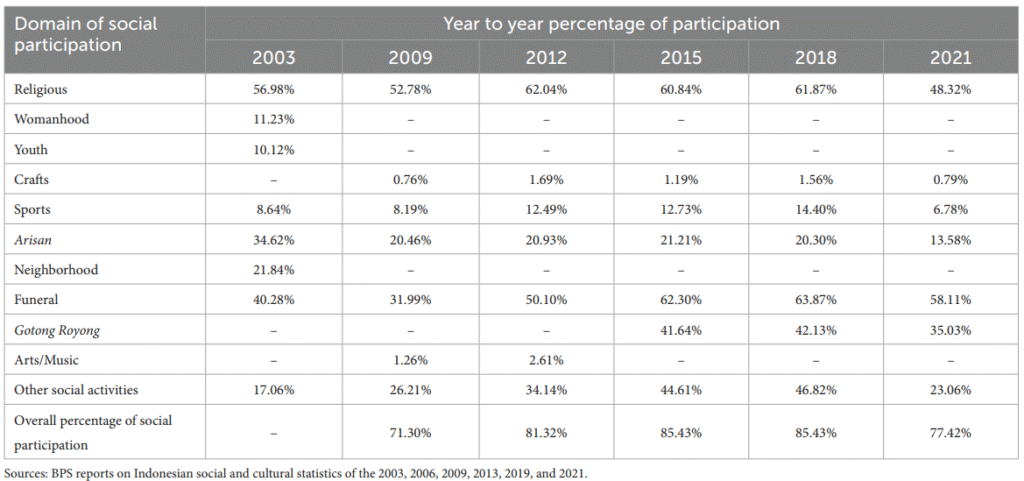
When it comes to the Islamic tradition of charitable giving such as zakat, zakat collection in Indonesian has shown significant growth. If it can be use in the right way, this resource can provide adaptive capacity for the most vulnerable population. Zakat historically intended to address structural inequalities and protect the vulnerable in the societes, so expanding its application to include climate-related hardship is a natural and theologically consistent evolution. Religious leaders are well position to advocate for this reorientation, pushing their communities to percieve climate-related giving as an act of ibadah and social solidarity. Cooperation with religious scholars, the integration of Islamic environmental ethics into public campaigns, and training for religious communicators on climate science can help create a more inclusive and influential movement.
There are already example of this working in practice. The Indonesian Ulama Council has issued a fatwa on environmental protection, and Muhammadiyah, one of the world’s largest Islamic organizations with millions of members in Indonesia, has a dedicated environmental wing called Majelis Lingkungan Hidup that runs climate advocacy program, its aligned with Islamic values. These institutional structures mean that the infrastructure for scaling up religious climate communication already exist. What is needed is greater coordination between environmental agencies and religious bodies, and more investment in training religious communicators or ustadz on the basic facts of climate science so that their messages are both spiritually resonant and scientifically accurate.
Effective climate communication must reach communities where they are, spiritually, culturally, and communally. Indonesia faces some of the world’s most severe climate risks, and its most vulnerable communities are already living with the consequences. Through the the clerics’ social capital, mosques as community centers, and the redistributive power of zakat and sadaqah, Indonesia already has the tools to build a climate movement that is not only effective but also rooted in its own values.
Keywords: Communication, Leaders, Religious, Campaign, Community





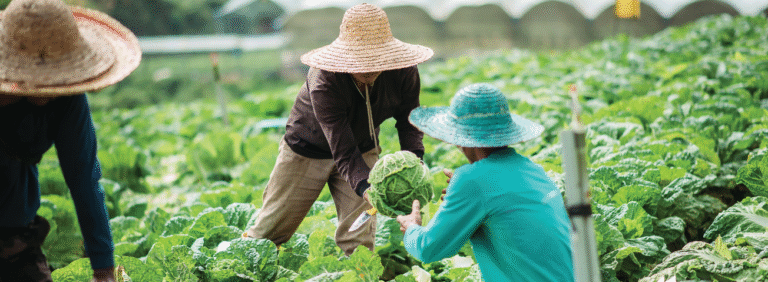
 Reston Dennis Juah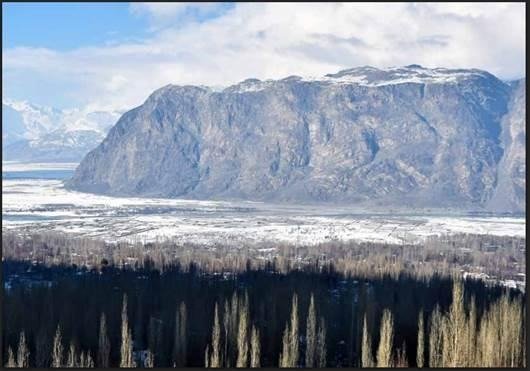
 Noor Ul Ain
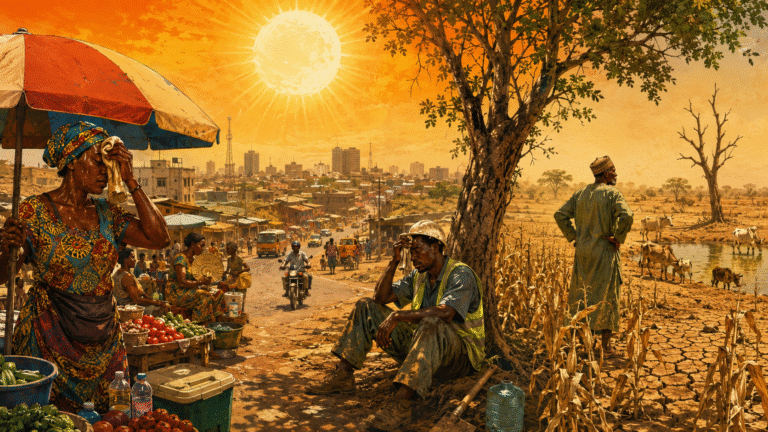
 Hassan Barrie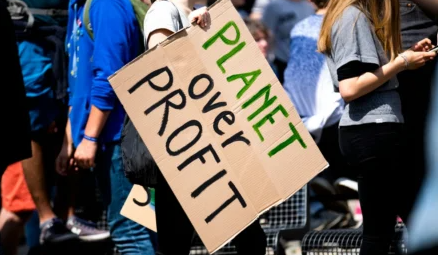
 Hoby Nasandratra Andriamiandrisoa
Mình đánh giá slot365 com khá cao vì hệ thống ít bị đứng máy. TONY06-18
XN88 có hệ thống điểm thưởng (Loyalty Points) – mỗi 10.000 VNĐ cược, bạn nhận 1 điểm. Điểm này có thể đổi lấy tiền mặt, vòng quay miễn phí hoặc voucher nạp tiền. TONY07-03
Super impressed with the bonus options here. I managed to hit a nice streak today. Definitely spending more time on 7c7770login from now on.