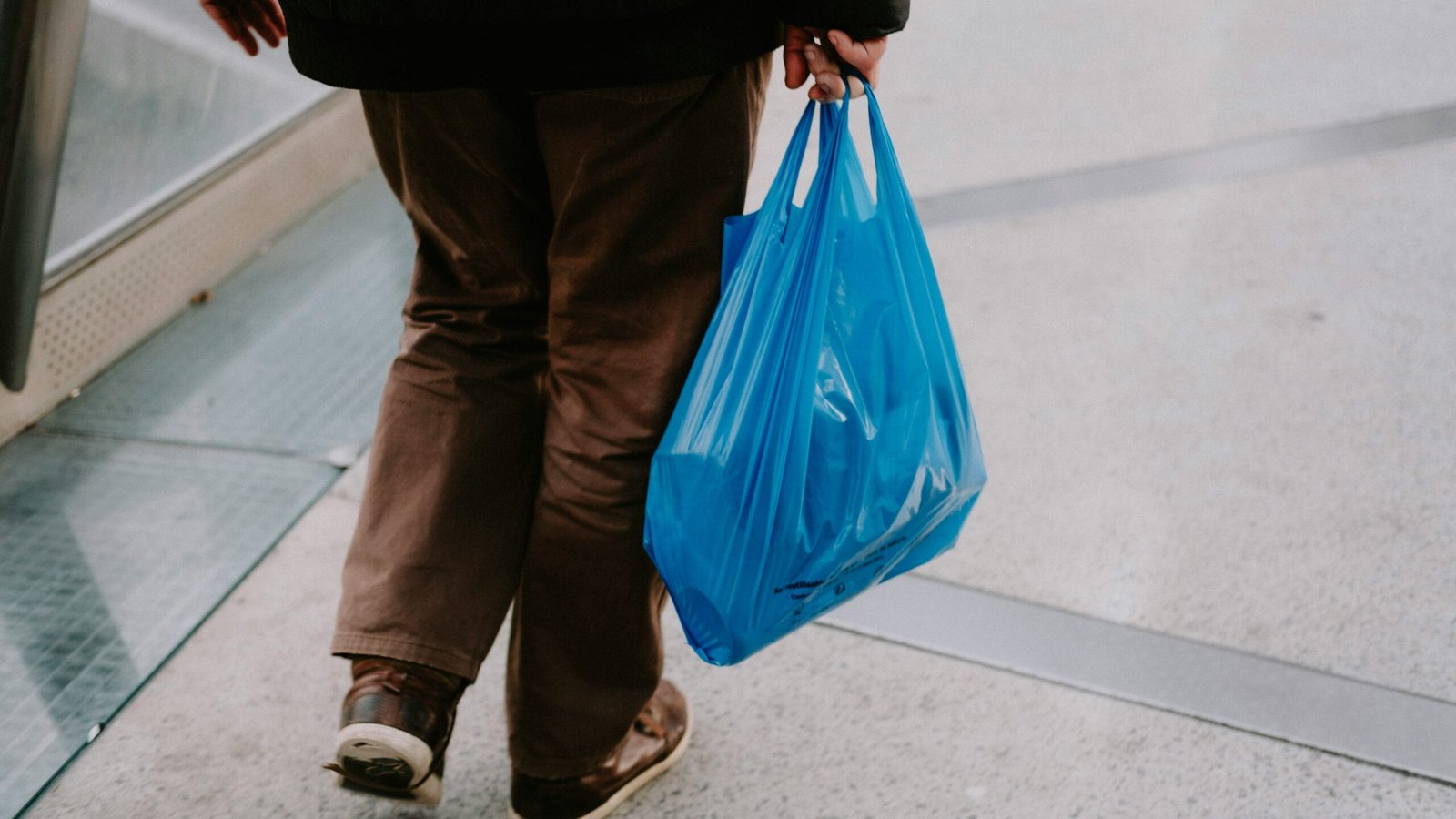

For decades, plastic was being used every day and celebrated as cheap. Besides, Indonesia has produced around 60 millions per year. This is the ultimate weapon of Indonesia against plastic pollution.
One of the most notable and transformational changes in global climate policy in recent years is the implementation of plastic tax policies. At early 2000s, several European Union (EU) countries have adopted measures that have opened the door to the development and spread of similar policies worldwide. Some countries such as the UK, Italy, Spain, and South Africa have brought in a transparent plastic tax regimes while countries like India have opted for a complete ban on plastic. The moves come as part of a larger push in global context to address plastic waste, which is the most significant environmental problem. Having such policies become popular over time, they also evolved significantly including in Southeast Asia (SEA).
Indonesia’s Single-Use Plastic Reduction policy, enacted under Minister of Environment and Forestry Regulation No. 75 of 2019, marked as one of the more concrete steps the country has taken toward curbing plastic waste. The regulation imposes a surcharge of IDR 200—500 on plastic bags. Instead of making a prohibition, it puts more costs on the supply demand chain. Jakarta, Bali, and Surabaya were among the first cities to adopt the measure, with national rollout expected to follow. By 2023, plastic usage had fallen by 41.68 percent, shows that consumers do respond to even small financial disincentives. Furthermore, the government’s 2022 proposal for an excise tax on plastic packaging extended this logic further. Where the bag fee targeted retail consumption directly, making the consumer being heavily burdened with the add-on plastic fee to carry on groceries they usually bought for a day. The proposal sat within a much larger fiscal picture, total tax revenue targets for 2022 ranged from IDR 1,499.3 trillion to IDR 1,528.7 trillion, of which the plastic excise was one component. But the real question is, do the tax will meaningfully reduce consumption is certain?
A current qualitative study in 2021 mentioned that the proposed plastic excise tariff that costs 200 Rupiahs per bag is still considered too low, which not have a significant impact on reducing plastic consumption in Indonesia. It suggest a commitment that come from wider community and reached every sectors. If we can think again, from the consumer perspective, the people are still able to pay the additional price for plastic because it is still quite affordable and not really expensive. A reminder like this is so influential because it lets consumers know that they have freedom and encouraging them to consider all of the scenarios.
Recently there have been quite supporting geopolitical conditions due to the geopolitical condition in Iran and US conflict. In Indonesia, plastic price arise high around 40 – 100%. Almost all PE and PP materials experienced a significant increase, both of them are the most frequently used materials for household appliances. Going to shopping in Indonesia feels like having a hard time, plastics are expensive and the retailers are looking for alternatives in the form of paper. Sometimes they do not provide a free plastic bag anymore (consumers have to bring their own reusable shopping bags).
Sustainability Needs a Team Effort
We already saw some of the efforts from governments that made few policies concentration in against plastic waste. But, the main questions are, is knowledge about waste management has been spread at the university level? Are facilities provided in every residential area? Are the children taught to sort waste according to its category? Sometimes we place too much pressure on the government to crack down on the industry, but the problem actually lies at the grassroots level as well. Not everyone is highly-educated about reducing plastic waste. This will only place the burden on one side, even though waste reduction is not yet part of our culture. Academics have failed to advocate the public, government has failed to provide facilities, the public has failed to receive an education, and industry has failed to reduce pollution. It is a never-ending paradox, not because of a lack of funding, but because the system was not established from the start.
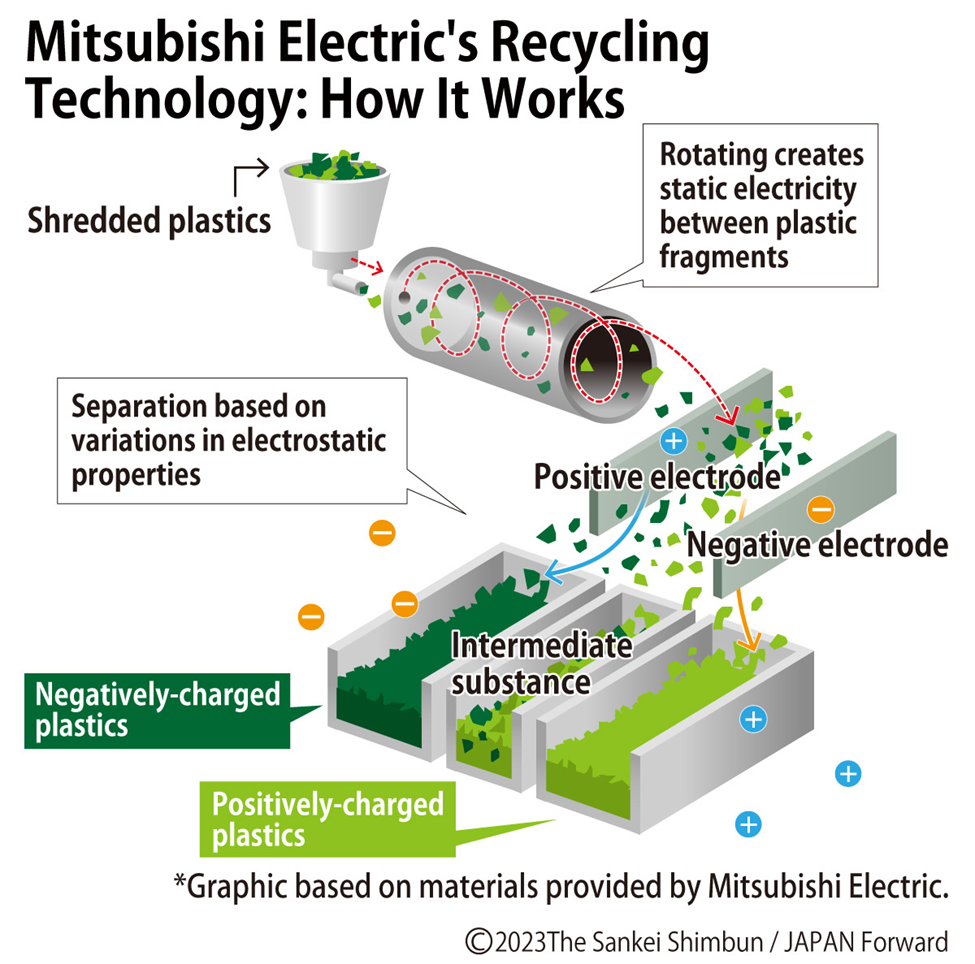
Source: Hiroto Kuwajima, The Sankei Shimbun
To truly understand a success story from well-established system, we can take a look at Japan as an example. In Japan, waste management has become a deep cultural norm. Citizens are educated to separate their trash into multiple categories, ensuring that materials are optimally recycled and reused. Furthermore, during the winters, the population heavily relies on heaters and hot water to stay warm, which indicates a surge of energy demand. Japan maximizes the utility of its waste by circulating from Waste-to-Energy called as “thermal recycling” facilities. They don’t throw trashes into a landfill, but the waste incinerated safely at ultra-high temperatures, which divide plastics into a positive and negative electrodes. The outputs are capture to generate electricity and supply direct heating into communities district. It is distributed recover heat in schools and power grid. As demonstrated by Japan, waste management has been share as a cultural value which thrives the entire system became a daily needs. The burden is no longer placed on a single entity, but more as shared responsibility.
Japan is a Success Story, but Copy-Pasting It Will Fail.
Adopting their system blindly in a Global South country like Indonesia requires a lot of reality check. Indonesia still facing with many socioeconomic disparities as limited access to basic education and technology. In a society where a significant number of population lives in a struggling “survival mode” to fulfil basic daily needs, demanding strict waste segregation without an economic incentives is unrealistic. We cannot force educating the empty stomachs to care about the environment. Environmental policies must be coupled with poverty reduction strategies and direct economic benefits, such as the circular economy of waste banks (bank sampah).
Another paradox is what called as “Sachet Economy”. Millions of low-income Indonesian rely heavily on daily single-use sachets for coffee, shampoo, and detergents. They claiming it is affordable for daily, but the these plastics are the hardest to recycle and constitute bulk layers of plastic pollutions. Implementing advanced technologies like Japan Waste-to-Energy will only a dream, because our waste is poorly segregated. Ultimately, putting the financial burden on consumers through taxes is unjust in the Global South context. The Fast Moving Consumer Goods (FMCG) companies profit a lot from selling unrecyclable plastics to lower class, and they must bear the heaviest cost of waste management. Not burdening them to the struggling citizens.
At the end, the implementation of a plastic excise tax is just a merely drop in the ocean. True behavioural change cannot be taxed into existence. Tax does not teach a person how to segregate waste or giving sustainable alternatives. Furthermore, as long as the industry continue to flood market with unrecyclable plastic layers, is ineffective. To truly win the plastic pollution, Indonesia must look beyond.

 Reston Dennis Juah
 Noor Ul Ain

 Hassan Barrie
 Hoby Nasandratra Andriamiandrisoa
I’ve tried a few sites lately but this one really stands out. The interface is smooth and the payouts feel fair. Definitely checking out kayarayaslot more often!