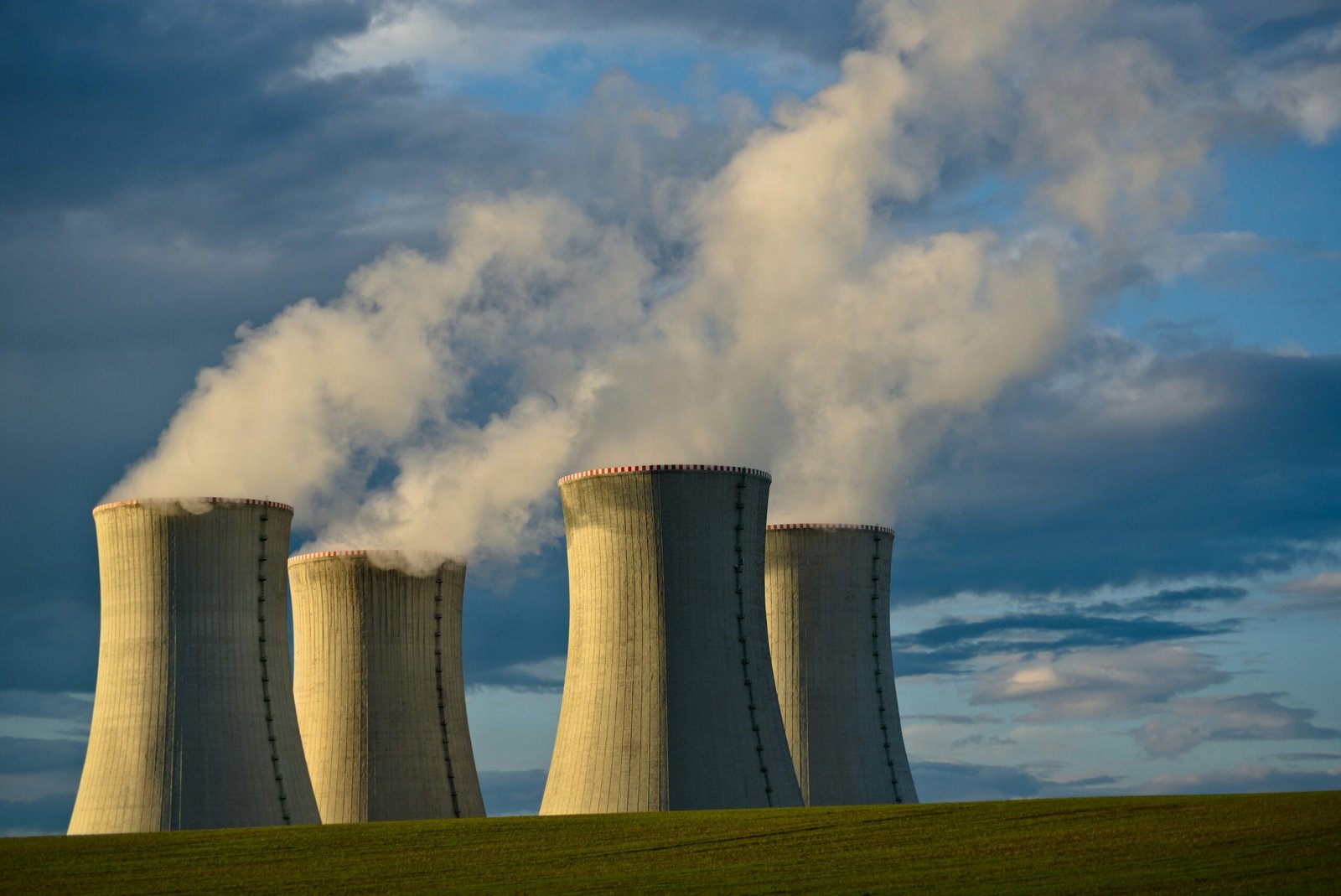

I have met many people who say, “I’m afraid of nuclear power! It’s so dangerous and scientifically isn’t clear. What if the Chernobyl disaster happens again? Who will be responsible for that?”. These statements are often exaggerated and make people skeptical about technological advancements related to nuclear power. Leading to some cascading-traumas.
Past traumas and tragedies can easily prevent people from trusting something new. Historically, the problem is that nuclear leaks are not isolated incidents. In 1986, the Chernobyl disaster resulted in the exposed of an estimated 8.5 million people in Belarus, Ukraine, and Russia who were exposed to radiation. Furthermore, this tragedy forced more than 350,000 people to lose their homes and be evacuated from the danger zone. That was a catastrophic demonstration of human error.
In 2014, there were more than 100 serious nuclear accidents and incidents related to the use of nuclear power. Fifty-seven severe accidents or incidents have occurred since the Chernobyl disaster, and approximately 60% of all nuclear-related accidents or incidents have occurred in the U.S., followed by various disasters at Fukushima and Three Mile Island. Chernobyl happened because of a poor designed light water boiling reactor susceptible to thermal runaways. Since then, it is only adding more anxieties.
The frequency of these “sudden” accidents has led the public to question, “Why does human error occur so often in a field run exclusively by experts?” Given that nuclear projects are typically highly classified government initiatives, and only experts are permitted to handle them. However, from the start, the public has never been given transparency regarding its uses and how it works. They only accepting a prototype result. People naturally ask, “What’s the benefit for us?”
That is the true root of nuclear skepticism. People do not trust what they do not understand, and they certainly do not trust systems they have no control over.
To understand this fear, think of nuclear as flying an airplane, while fossil fuels are like driving a car.
Imagine, when a plane crashes, it is a terrifying tragedy that dominates the news for weeks. It makes people terrified to fly. Yet, commercial aviation is the safest way to travel. We often ignore huge risks if we feel like we are in control. Because it is the daily need that we took.
For example, there are a huge-numbers of car accidents killing thousands of people daily. But because it was a daily need, we still keep driving. It is the same as we treat fossil fuels. Burning coal, oil, and gas causes millions of deaths every year from air pollution which accelerates climate change. Still, we accept this because it is a familiar, a necessary part of our daily routine.
Nuclear power, however, is viewed more like an airplane crash. When the accident happens, it became a global-headlines. But overtime, flying has become incredibly safe over time. Nuclear technology has advanced far beyond the 1986 Chernobyl disaster. Engineers now build modern systems with safety nets. If a worker makes a mistake, the system can simply shut itself down. It uses natural forces as gravity to cool off automatically. It no longer relies on humans to stop the system.
Now we are standing at a gray area. The threat of climate change is a slow-moving disaster that is already damaging homes, lives, and economy. We rely on the weather, including the wind and solar energy. A modern city needs clean electricity running reliably, baseload energy is needed to power up 24/7 using a GHG friendly technology. As things become clearer today, nuclear energy is the most efficient and practical way without making climate crisis worse.
However, the nuclear industry and governments need to learn from their pasts. Acceptance cannot be forced and expected from the public. They must create and gain a new trust from society. Might be achieved if they speak to citizens with absolute transparency and valid information. They need to explain the risks honestly, outline the modern safety measures clearly, and show communities exactly how they will benefit. A current-research in 2023 founds out solar and wind are not truly renewable, it shows nuclear is a better choice considering the land requirement and consumer cost basis. Moreover, US department of energy brags nuclear is clean and sustainable because of 3 reasons: it protects air quality, small-footprint, and minimal waste.
Clinging to the past isn’t the option, moving forward is the better choice we could rely on. Accepting nuclear energy means we don’t stop. We should demand for a credible regulations and total accountability. It is time to look at the data and realize that getting on the dynamic change is the safest way forward.
Honestly, as I write this, I am still scared too and half-skeptical.
Well, it is hard to completely erase the lingering images of past disasters. Perhaps we should not do that. Skepticism is a common human defense mechanism. A study emphasizes that skepticism in climate shaped by political ideology, economic interests, historical experience, and strategic narratives. It is not the dead end. If we look globally, we can see that governments can address nuclear honestly as public trust naturally follows.
Today, France generates around 70% of its electricity from nuclear power. Their strategy started decades ago during the global oil crisis. Lacking their own oil and gas reserves, the government started the nuclear energy project. By making nuclear power they got economic stability for everyday life, shielded its citizens from volatile global energy crises. French households become citizens with the most stable and lowest electricity prices in Western Europe. Countries such as Sweden, Poland, and Hungary, are also following and looking to expand their nuclear energy capacity.
Public trust in nuclear energy in France is largely favorable. The majority of population supporting its use and expansion. Back again, in answering the dangerousness of a nuclear, could be acceptable if it is explained with a good trade-off such as economic benefit, energy independency, and lower bills. Personally, people like things that “pay off” and improve their standard of living. If we keep dwelling on the dark past, fear will only destroy trust with the new development.
Keywords: Renewable energy, nuclear, skepticism


 Reston Dennis Juah
 Noor Ul Ain
 Hassan Barrie
 Hoby Nasandratra Andriamiandrisoa
Finally a slot hub that actually delivers on its promises The graphics are fantastic and the win rate feels completely fair according to my own tracking I am so glad I found a platform that respects its players and keeps things fun without any fuss rich88slot.ph