
The Water You Never Knew You Spent
We’ve known that global warming causes water scarcity, and a recent scientific report revealed that land masses worldwide have lost 1.6 trillion tons of water. This drastic decline is caused by a combination of uncontrolled global warming and the ever-increasing human population’s water consumption. However, this situation is further exacerbated by a new threat that has emerged from an unexpected direction, and one that wasn’t even initially considered. This threat comes from the AI industry, which turns out to require water on a massive scale. It’s ironic that AI, initially considered a “savior,” has turned into a threat. To illustrate this, I’ll start with a simple question: How much water do you use today? Not just for bathing, drinking, and maybe coffee, but have you ever calculated how much water you use each time you use ChatGPT, Gemini, or Claude?
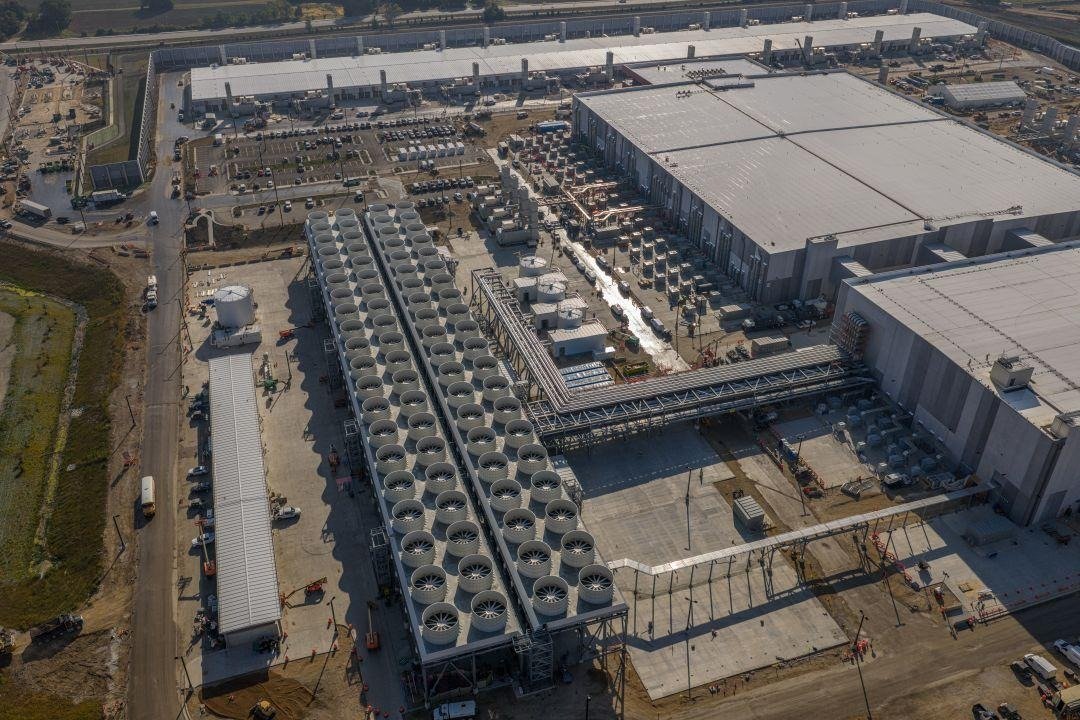
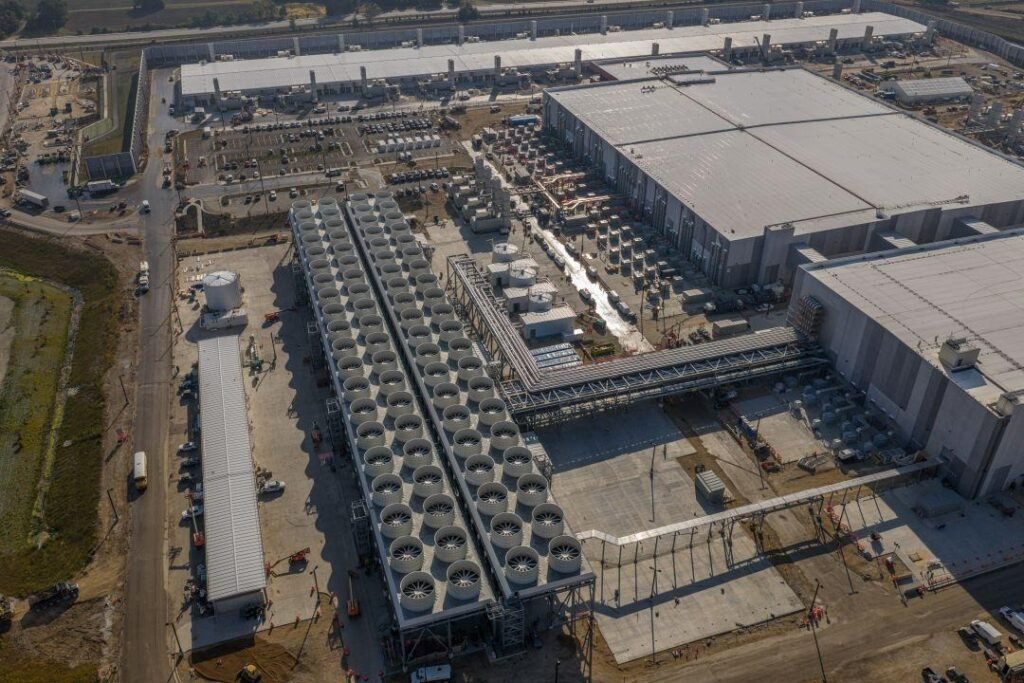
Most of us think of AI as a system that lives in the “cloud,” weightless, invisible, and essentially has no physical form. In reality, every command you send is processed in a data center somewhere, and that data center requires cooling. And cooling, on this scale, requires an enormous amount of water. According to researchers at the University of California, Riverside, every 20 to 50 requests to a large language model like ChatGPT consumes the equivalent of a 500ml bottle of water, much of which is lost as vapor from the server’s cooling system. That means about twenty commands you make a day consume half a liter of water. The IEA has identified data center cooling as one of the fastest-growing sources of water consumption globally, and the rapid expansion of AI is accelerating that trend faster than any previous technology. Training GPT-3 alone in Microsoft’s US data centers has evaporated 700,000 liters of clean fresh water. And that’s just for one model and one training session. Global AI demand is projected to reach 4.2 to 6.6 billion cubic meters of water by 2027, more than Denmark’s total annual water consumption four to six times.
The “Cloud” is Drying our Water
The numbers are not easy to ignore. Not only that, the entire tech industry is currently racing to develop AI models, which require significant amounts of water. For example, Microsoft consumed 6.4 million cubic meters of water in 2022, a 34% increase from the previous year, largely driven by the expansion of its AI infrastructure and by 2023, that figure had further increased to 7.8 million cubic meters. Then, Google’s data centers used 6.1 billion gallons of water in 2023, and Google’s total water consumption has more than tripled since 2016. Meanwhile, an interesting incident occurred where the Meta AI data center reportedly disrupted electricity and water supplies in surrounding areas, specifically in Tennessee and Georgia.
This is a sign that we should be concerned about the situation, as these are large companies with enormous footprints, and both have made public commitments to sustainability targets by 2030. Both Google and Microsoft have acknowledged this issue in their own sustainability reports, and both have pledged ambitious water replenishment targets. But as Li et al. document, the expansion of AI products and services is a key driver behind the rapid increase in data center water consumption, and no replenishment pledge changes the fact that water is being consumed faster than it is being replaced.
When AI and Humans Compete for the Same “Source of Life”
Roughly two-thirds of data centers built since 2022 are located in water-stressed regions, including Arizona, Texas, and Chile, which are already experiencing drought and water shortages. Furthermore, according to the National Oceanic and Atmospheric Administration (NOAA), large companies with fast-growing data centers like Meta, Google, and Microsoft are indirectly contributing to the extreme drought that is occurring in Maricopa County, Arizona, one of the places with fastest-growing data centers in the United States. Turning to Chile, where data centers have caused serious water shortages, even affecting residents’ daily water needs, and making it difficult for farmers to access water for their crops. A similar situation occurred in Spain, where protesters took to the streets with the slogan “Your clouds are drying up my rivers.” Based on this situation, we can see that the climate crisis is indirectly affecting social dynamics and is slowly escalating into a problem that is not only related to science but also multi-sectoral, and felt by various countries that making it a transnational issue. Climate change is already reducing the availability of freshwater globally, making droughts longer, more frequent, and more severe. This is now exacerbated by the thirsty AI industry, which is trying to steal water from humans.
Who Will Win?
What we need to emphasize here is that AI is not the villain in this story, as it is also being used to predict droughts, optimize irrigation systems, monitor deforestation, and model climate scenarios that would take researchers decades to calculate manually. In fact, the IEA itself has recognized AI as a significantly powerful tool for climate solutions. This means that AI can’t be blamed entirely, because it’s our fault that we’re not using this technology correctly to help solve the water crisis and are actually exacerbating it. The solution to this problem lies in corporate accountability, starting with transparency in water use and water recovery schemes, which are basic requirements, but currently not strictly regulated, and private companies still tend to use them haphazardly. Furthermore, data centers should not be built in water-scarce areas without being directly accountable to the communities that depend on the same water source. Moreover, industry should also make serious investments in water-efficient cooling technologies a primary goal, rather than treating them as optional. AI is an inevitability, and this technology can no longer be stopped and will continue to develop. Therefore, this is where stakeholders play a role in establishing clear regulations, with the hope that AI can actually be a savior in the current climate crisis, not worsen the situation.
So who will win: humans or AI? The honest answer is that this is the wrong question. The real question is whether we will build governance structures to ensure that AI growth doesn’t come at the expense of Earth’s most precious resource. After all, life comes from water, and our bodies are over 70% water, so I can’t imagine how we can live with limited water resources being shared with AI that is supposed to help us survive.
Keywords: Artificial Intelligence, Water Scarcity, Data Centers, Climate Change, Environmental Governance, Global Warming





 Reston Dennis Juah
 Noor Ul Ain

 Hassan Barrie
 Hoby Nasandratra Andriamiandrisoa
Chơi tại slot365 link thấy trải nghiệm mobile rất ổn. TONY05-29
Bạn có thể gửi góp ý trực tiếp trên giao diện 66B – đội ngũ phát triển lắng nghe và cải tiến liên tục. TONY05-28