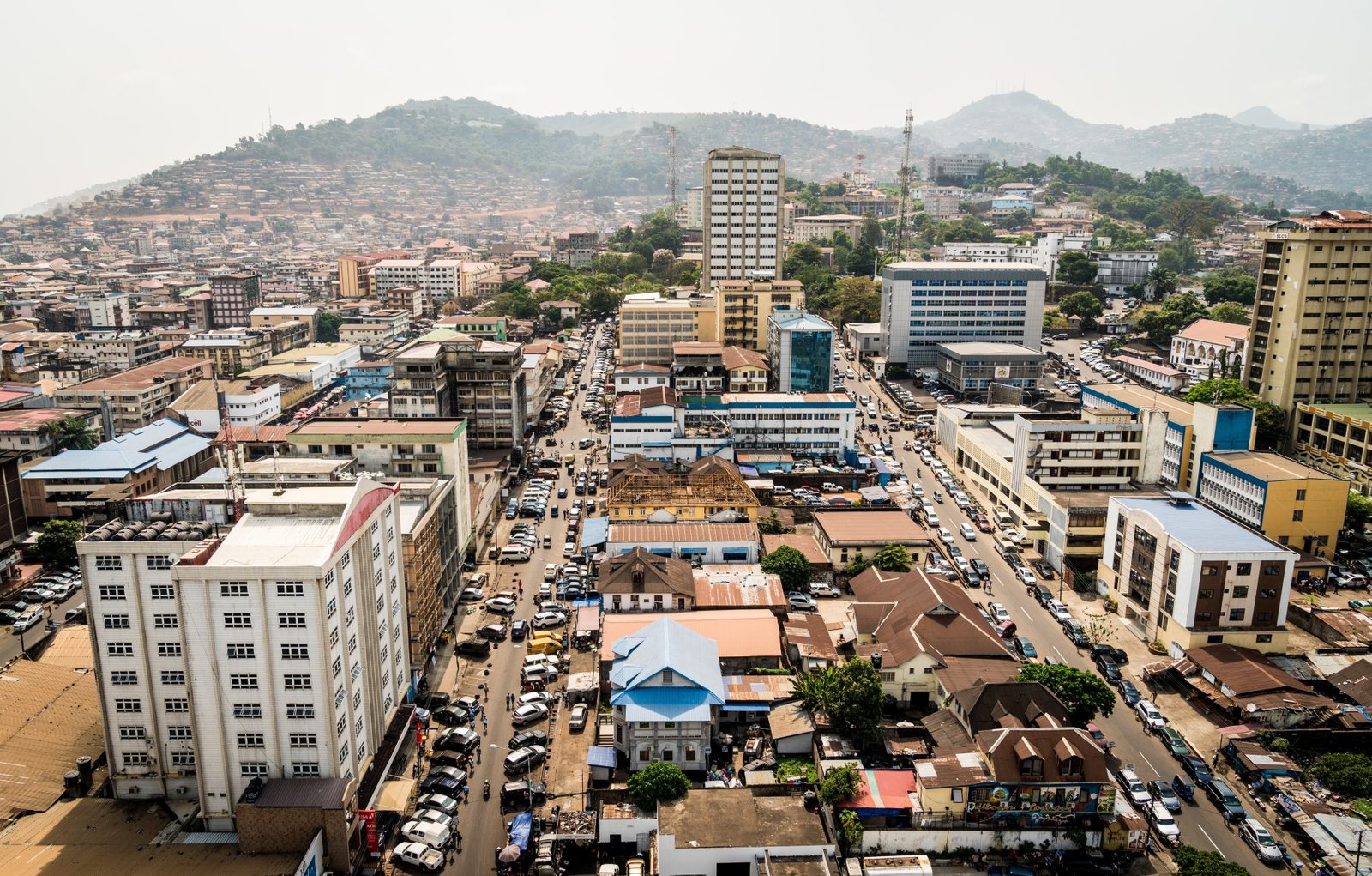

Climate-vulnerable Sierra Leone, with flooding in Freetown and disappearing coastlines in the Western Area, is now exposing the country’s governance failures.
The causes of climate disasters in Sierra Leone are often clear: heavy rainfall, rising sea levels, deforestation, and coastal erosion. Still beneath these visible signs lies a deeper truth: climate change is not simply an environmental problem; it is also a governance problem.
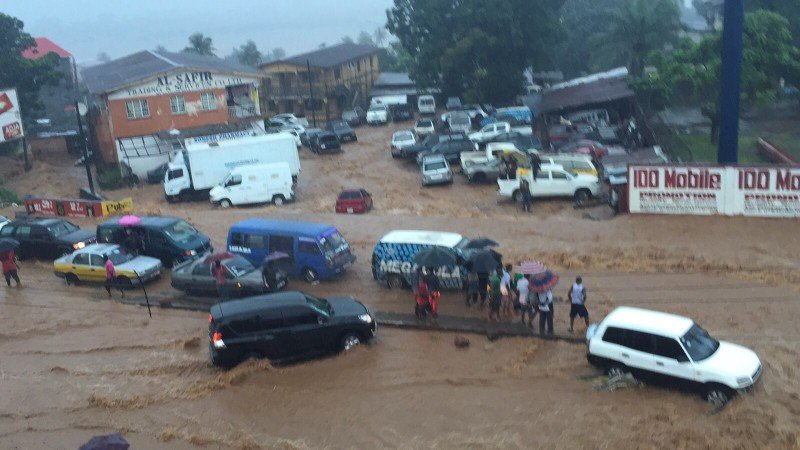
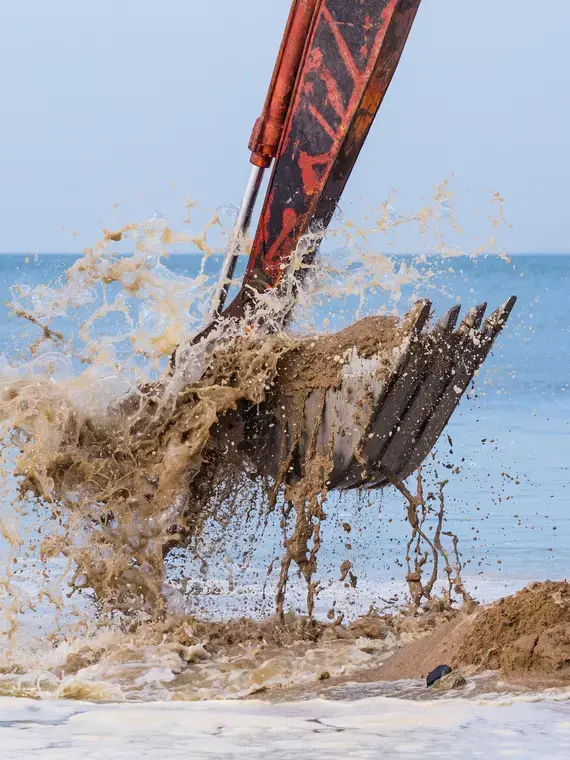
Climate impacts are worsening in Freetown and throughout the Western Area. Increased flooding has become a seasonal threat. Erosion is taking land away from coastal communities. New settlements are still expanding into high-risk areas. Sand mining weakens natural coastal defences. Blocked or malfunctioning drainage systems still exist.
These cannot be treated as natural events alone. In many ways, they are failures of politics and governance. Climate change is a global problem, but vulnerability is local. In Sierra Leone, disaster severity depends largely on how local institutions plan, regulate, enforce, and respond.
When Governance Fails, Climate Risks Grow
It is not just because it rained that a city can be susceptible to flooding. Flooding becomes catastrophic when urban planning disregards drainage, environmental laws are flouted, and settlement expands without proper infrastructure planning. This has been the situation in Freetown for ages. The mudslide that killed more than 1,000 people in Regent in 2017 is one of Sierra Leone’s deadliest environmental disasters. Heavy rains were not the only cause; a new investigation found that deforestation, uncontrolled construction, and weak enforcement of land-use laws greatly worsened the destruction (World Bank, 2022). The lesson was clear and simple: climate disasters are worsened by poor governance, yet those same vulnerabilities persist across many systems today.
Wetlands are still being encroached upon, illegal sand mining is occurring in coastal zones, and urban pressure renders conventional waste management systems increasingly inefficient. These systems are clogged with rubbish, and heavy rains lead to devastating floods. These incidents are not failures of nature but rather governance management failures.
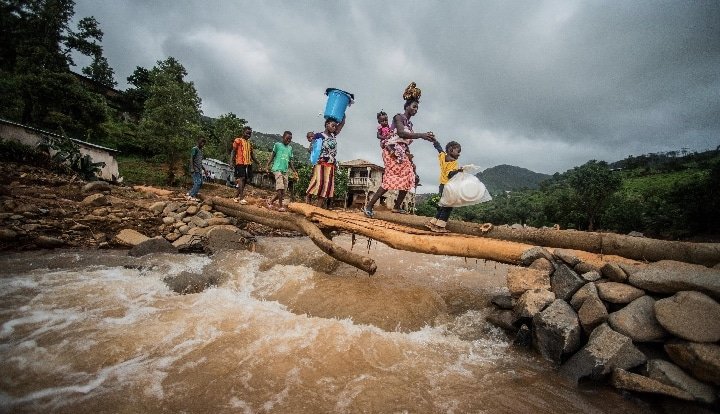
The Politics of Urban Expansion
Freetown is growing rapidly. Continued population growth and migration from rural to urban areas place unprecedented demands on land, housing, and infrastructure. But this growth has often outpaced governance. The city appears to have grown informally, too fast for zoning, drainage systems, or environmental studies. The implications are visible throughout the Western Area. Wetlands that once acted as sponges, soaking up surface water, are now being replaced by homes. Hillsides have been cleared for settlements, where many landslides are likely to occur. The development of coastal areas has been driven by commercial activities, with insufficient attention paid to environmental protection. This trend is a symptom of a wider governance problem in which urgent economic needs override longer-term climate resilience. Often, institutions responsible for managing land are too weak or poorly equipped to enforce environmental standards. The result is a city vulnerable to climate risks with every passing year.
Climate Justice Begins with Accountability
Among the most important dimensions of climate governance is accountability. What happens when environmental legislation is disregarded? Who is to blame when sand mining illegally destroys beaches? Who should be responsible for clogged drainage systems that leave large neighbourhoods underwater? Too often, accountability stays weak.
Environmental governance in Sierra Leone is complex, with many institutions involved, from local councils to the Environmental Protection Agency and national ministries. But coordination gaps slow decision-making and undermine enforcement. In the absence of rigorous accountability, climate adaptation becomes piecemeal.
This creates a dangerous cycle for communities already on the front lines of climate change. The people who contribute the least to global climate change often suffer the greatest due to bad governance.
This brings up an important climate justice concern.
There is a marked disparity regarding vulnerability to flooding and erosion. The lowest-income communities, such as Kroo Bay, Susan’s Bay, and settlements along the peninsula’s coastlines, are among the least equipped to access protection, resettlement, or post-disaster recovery when environmental hazards hit. Climate governance is therefore about both infrastructure and fairness.
Adaptation Needs Institutions, Not Just Policies
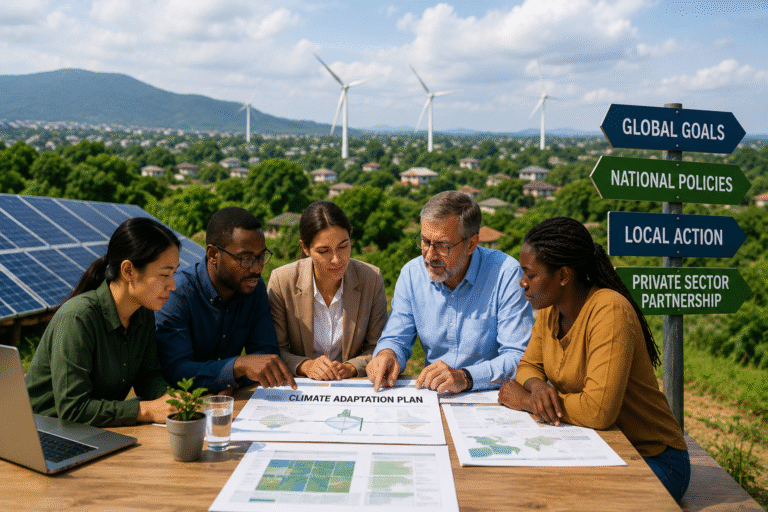
Sierra Leone has been among the first to make important climate commitments. It has developed national adaptation plans, a disaster risk reduction (DRR) strategy, and policies aligned with international frameworks, including the Paris Agreement. Policies, however, are not sufficient on their own. Implementation is the sticking point. Developing climate adaptation requires functioning institutions and the ability to turn plans into efficient action. This includes improved data systems, stronger enforcement mechanisms, transparent budgeting, and formalized coordination at the community level. Restoring mangroves or protecting coastal ecosystems may greatly strengthen resilience. However, without institutional oversight, these projects frequently remain temporary or isolated. Prohibiting sand mining in vulnerable areas may seem appealing on paper. However, extraction simply continues if enforcement is weak or inconsistent.
Governance determines whether climate action is symbolic or transformative.
Corruption and Climate Vulnerability
Corruption is yet another thorny but crucial issue. Climate governance relies heavily on citizen confidence and institutional integrity. Corruption, however, can undermine environmental regulation. Distorted land sales, improper issuance of building licenses, and selective application of environmental laws weaken resilience to climate risks and increase exposure to their negative impacts. Sometimes, economic interests outweigh environmental interests. This is highly prevalent in the Western Area, where land constraints and urban encroachment create incentives for environmental damage. When climate governance is undermined by corruption, the long-term public cost becomes severe. What appears profitable in the short term can lead to far greater losses from flooding, erosion, displacement, and infrastructure damage.
The Role of Communities in Climate Governance
Local residents understand their environmental status better than anyone else. They understand where drainage systems flood first, which coastlines have receded, and how regional ecosystems have changed over time. Including communities in decision-making that affect them can strengthen monitoring, foster policy relevance, and build local ownership.
In Freetown, initiatives in waste management by local communities, partnerships for the restoration of mangroves, and environmental advocacy suggest that small changes can help complement formal governance boards. However, these efforts require deeper institutional support. A combination of local knowledge and public policy is the best way to climate resilience.
The Future Depends on Governance Reform
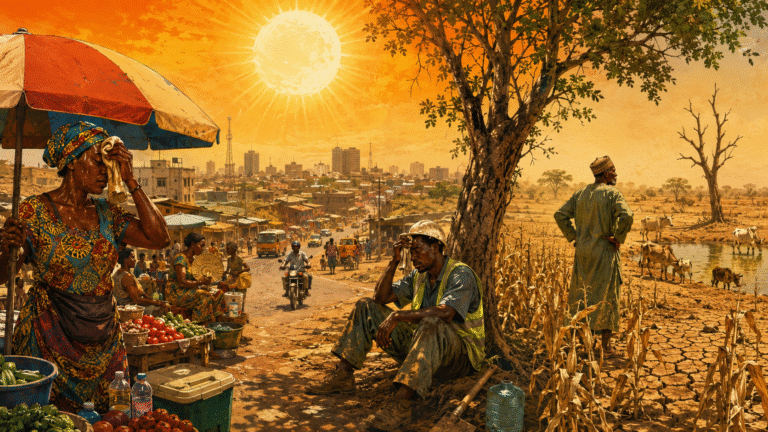
In the coming decades, Sierra Leone will not escape the challenges of climate change; sea levels will rise, rainfall patterns will shift, heatwaves may intensify, and coastal erosion will continue. These changes are already underway.
The question now is not whether Sierra Leone will be vulnerable to these climate risks. The question remains: how well equipped are its governance systems to manage them? Will urban planning prioritize resilience? Will environmental laws be enforced vigorously? Will the most vulnerable members of the communities be protected before a catastrophe? Answers to these questions will shape the country’s future climate resilience. Ultimately, climate resilience is not built solely through multilateral agreements or donor-funded projects. It is built through governance choices made every day where land is allocated, how waste is controlled, which ecosystems are preserved, and how institutions and their constituents respond to risk.
Conclusion
One way climate change discourse is often portrayed is as a war against emissions, rising temperatures, and natural disasters, but in Sierra Leone, especially in Freetown’s Western Area, the climate crisis has become a visible test for the government. Since October 2023, floods, erosion, landslides, and environmental degradation have exposed deeper institutional weaknesses. This reflects the decadal environmental hazards that had plagued the country even before that.
If Sierra Leone wants to build climate resilience, governance reform should be on the agenda. Because without stronger institutions, greater accountability, and more inclusive planning, climate adaptation will remain reactive rather than preventive. And in a country that is already on the front line of vulnerability to climate change, that risk is too great to take.

 Reston Dennis Juah
 Noor Ul Ain
 Hoby Nasandratra Andriamiandrisoa
The variety of games here is insane. I spent the whole night exploring and won big. peryagamecasinoplus is definitely a winner.
Woh I enjoy your blog posts, saved to my bookmarks! .