
Indonesia is currently having an extensive plan towards just energy transitions. The country pledged to support the green energy transitions in accordance to the Paris Agreements which is explained in their Enhanced Nationally Determined Contribution or NDC, targeting a 31.89% reduction in emissions by 2030 on unconditional conditions which means the target will be achieved using entirely domestic resources (UNFCC). This translates to the reduction to the country’s energy sector emissions by 358 million tons of CO₂ which will be done using its own domestic budget and resources (Kementerian ESDM). For the conditional target, a 43.20% reduction in emissions by 2030, which depending on external support such as international funding aid and technology transfers, which if any international aid schemes work, provided it receives international financial aid, technology transfers, and capacity building, the country targets a reduction of up to 446 million tons of CO₂.
But, as a country blessed with abundant natural resources, the questions circling the just energy transitions always leads to one context: feasibility. If we see it in economical aspect, does this policy direction do justice on the people’s welfare too? Paul Collier on his paper in the Bottom Billion explain the paradox of natural resource wealth (The Natural Resource Trap) and its relation to the geographical location (Landlocked with Bad Neighbors). Collier stated that while the wealth of natural resource might seem like an advantage, the abundance of resource often leads to economic stagnation, corruption, and conflict. He put it in as a context of phenomenon known as the resource curse. Abundance of resource could leads to currency appreciation, making other industries, like manufacturing and agriculture to be less competitive. Hence, lack of innovations. Resources prices tend to be volatile, creating economic instability that makes long-term planning difficult.
On the other hands, Collier highlights how geography can be a significant ‘wall’ to economic growth, especially in the context of landlocked countries. For instance, in Indonesia as a coastal nation that can trade easily through ports, landlocked countries such as Niger, Nigeria, or Burkina Faso could highly depending on their neighbors for access to global markets. That is, if the neighbors countries are suitable themselves for doing a global market and not sharing the same conditions as the landlocked countries and they are willing to do cooperation. High transportation costs, unreliable trade routes, and bureaucratic inefficiencies make it difficult to export goods. Then, if these neighboring countries have poor infrastructure, political instability, or weak economies, it becomes much harder for a landlocked nation to develop. In a sense, they will share the same end outcomes.
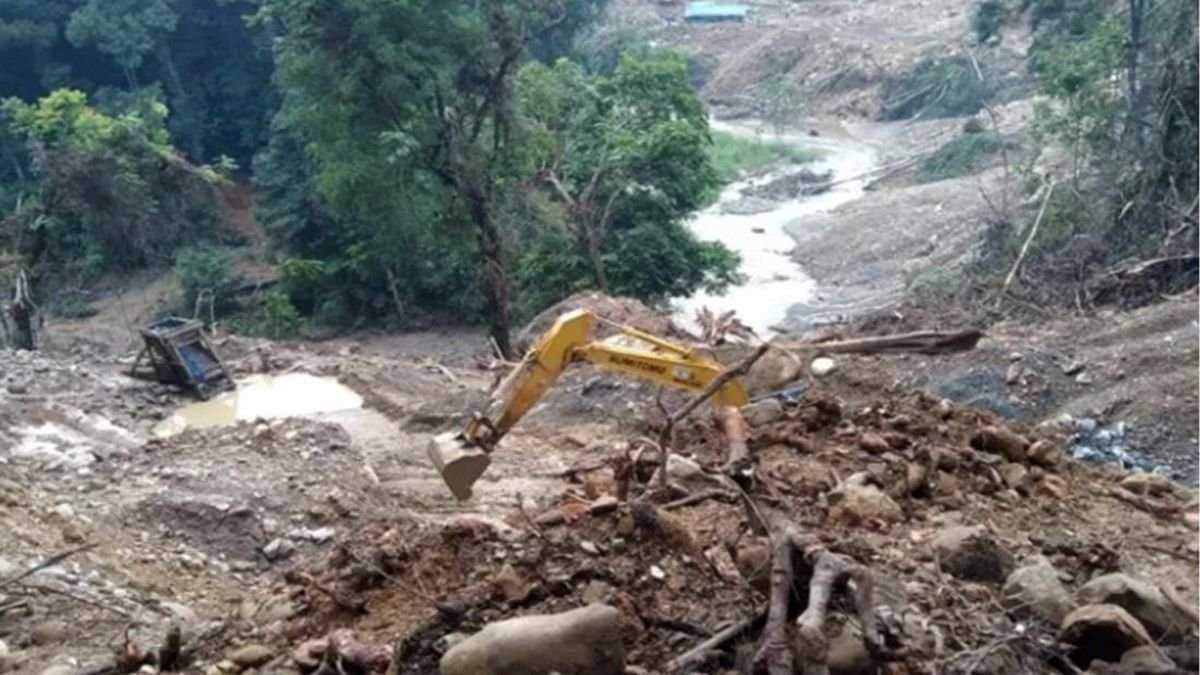
But, the context of ‘landlocked’ and the paradox of wealth can also be occurring within a country. Take Indonesia for example; Indonesia does not experience the landlocked country problem because it is an islandic country with extensive coastlines and has access to global trade routes. However, in some regions, like in Kalimantan and Papua, those regions are facing challenges similar to landlocked countries. These areas struggle with poor infrastructure, high transportation costs, and economic dependence on resource extraction. Since they lack efficient trade access, their economic growth is slower compared to regions closer to coastal accesses like Jakarta, Surabaya, and Makassar, which benefit from maritime trade.
Resource-dependent countries’ economies are vulnerable to commodity price fluctuations, which can lead to boom-and-bust scenarios, but not all resource-rich countries suffer from this problem. For Instance, nations like Norway and Botswana have successfully managed their resource wealth by investing in sovereign wealth funds, diversifying their economies, and maintaining strong institutions. The idea of natural resource wealth and the geographical ‘wealth’ plays major role in how a country develop their economic and politic, which is the resource ‘curse’ and its impact on economic growth, governance, and conflict. While those points suggested that resource-rich countries inevitably suffer from slow growth and weak institutions, the wealth of resource could actually provide a more nuanced perspective for a country. Economic volatility, governance problems, conflict, and environmental harm which have been the issue most of the time. Resources like coal, nickel, and natural gas as Indonesia is literally filled with volcanoes, are the ‘arsenal of economical boom’. This shows that Indonesia has a very promising potential to be a powerful country considering the natural resource.
Resources can sustain authoritarian regimes and weaken democracy, as seen in many oil-rich countries. Indonesia under Suharto (1967–1998) provides a relevant example. During his rule, oil and natural gas revenues allowed the government to maintain control through patronage networks, reducing the need for taxation and citizen accountability. The state-owned oil company Pertamina became a major source of corruption, with elites using resource wealth for personal enrichment rather than national development. Even after Suharto’s fall, corruption in the resource sector has remained a problem, particularly in local governments managing resource-rich regions. The mixing of Pertamax and Pertalite issue is the great example of how the corruption last. Decentralization since 2001 has led to rent-seeking behavior, where the elites exploit resource revenues for personal gain rather than public welfare.
Keywords: resource, landlock, economy, welfare

 Reston Dennis Juah
 Noor Ul Ain
 Hassan Barrie
 Hoby Nasandratra Andriamiandrisoa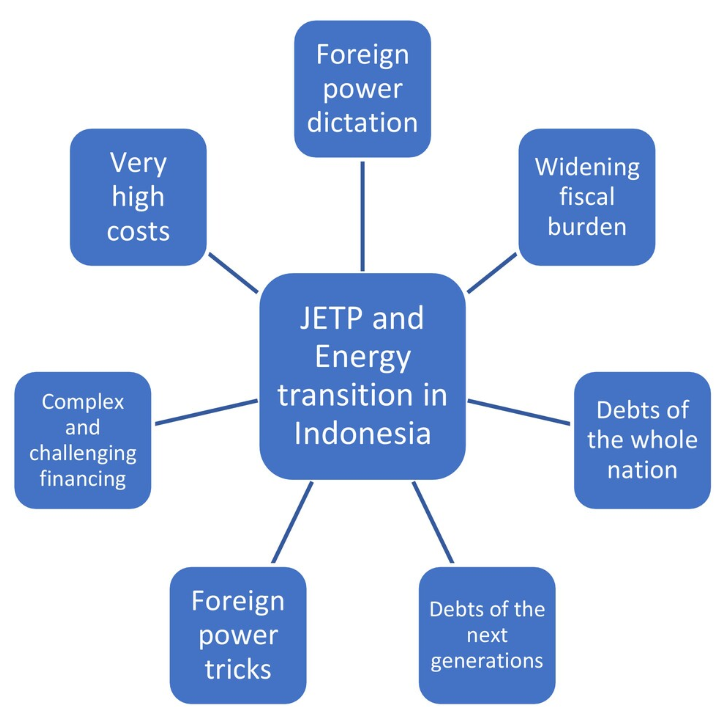
+ There are no comments
Add yours