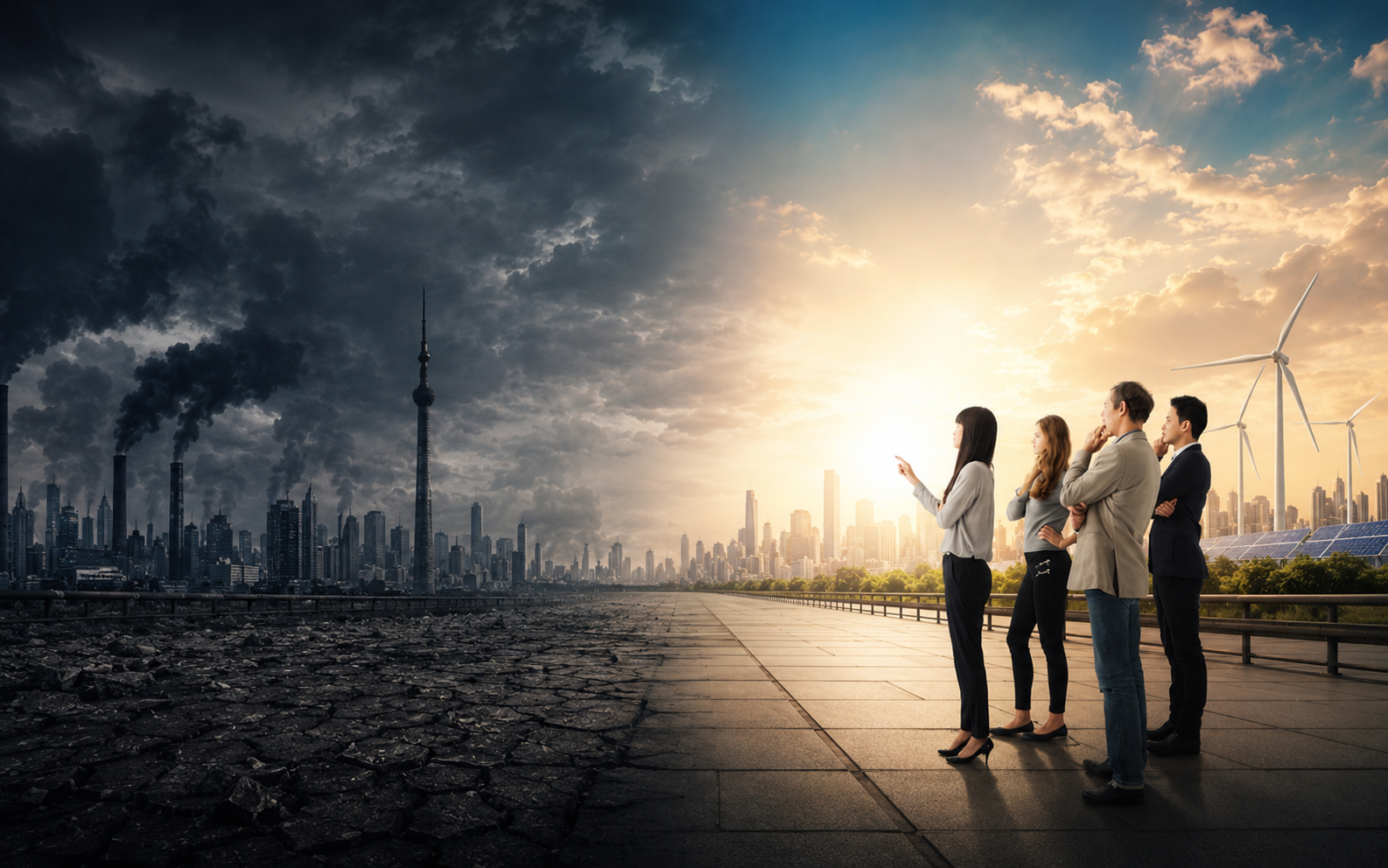

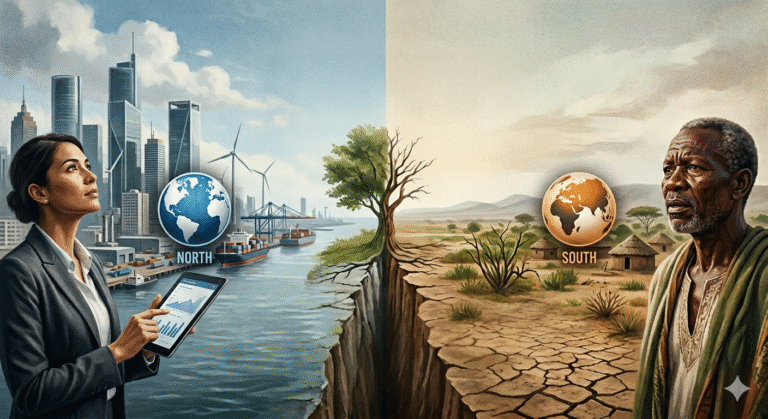
“Do you believe in climate change?” That was the question my lecturer directed at one of my classmates who came from Pakistan. The question came up in the middle of one of our class discussions, pushing all of us to think more critically. Why did my lecturer ask something like that? The way I understand it, climate change is a phenomenon shaped by many factors and touching many different sectors. Every region experiences it differently, both in terms of how often the symptoms show up and how severe the impacts are. For example, the heat felt in subtropical regions like Pakistan may not be as intense as what is experienced in tropical regions like Indonesia. Or perhaps countries like Indonesia, made up of many islands with land that sits at a relatively high elevation above sea level, may not feel the effects of sea level rise to the point of losing entire territories the way some Pacific island nations do. It is precisely this variation in how climate change is experienced across different regions and countries that leads to a situation where not everyone is aware of or convinced by the threat of the climate crisis currently unfolding.
What is ironic is that disbelief in climate change does not only come from ordinary people who may have limited access to scientific information. It also comes from the highest levels of political power, as shown by the stance of the United States’ top leader, Donald Trump. Trump has long made his skepticism about the climate crisis discourse very clear. He demonstrated this openly by signing an executive order directing the United States to withdraw from the Paris Agreement. What made this act of disbelief stand out was how quickly it happened. The gap between Trump being elected and the order to pull the United States out of the Paris Agreement was remarkably short. The withdrawal was announced just hours after Donald Trump officially took office.
In climate change discourse, those who do not believe in climate change are called “climate change deniers,” while those who do believe in it are called “climate change believers.” Donald Trump himself has long been firmly labeled as a climate change denier, given that he has now pulled the United States out of the Paris Agreement twice across two separate terms in office. The first time was during his term in 2020, and the second time was during his term in 2025. It feels genuinely puzzling that the leader of a country as powerful as the United States would not believe in the climate change issue, especially since the US is home to a vast number of scientists across many fields, including climate and environmental science. The quality of research and education there is arguably among the best in the world. As head of state, Trump certainly has access to plenty of professionals he could simply ask about the factual reality of the climate crisis.
So what ultimately keeps people like Donald Trump from believing in climate change? The answer is more complicated than it might seem. Trump’s disbelief in the climate crisis is not driven by a lack of data or scientific evidence about the real impacts of climate change. Rather, his skepticism is rooted in the view that climate change issues and environmental regulations will only get in the way of economic growth. His administration has long prioritized the fossil fuel energy industry as a main pillar of the economy, and Trump has no interest in being placed in an economically unfavorable position. When the United States is expected to cut emissions through various strategies and interventions, that has the potential to disrupt the economic stability of a country whose industries are heavily built on fossil fuels. Trump does not want his country to lose large numbers of jobs or sacrifice the livelihoods of its people.
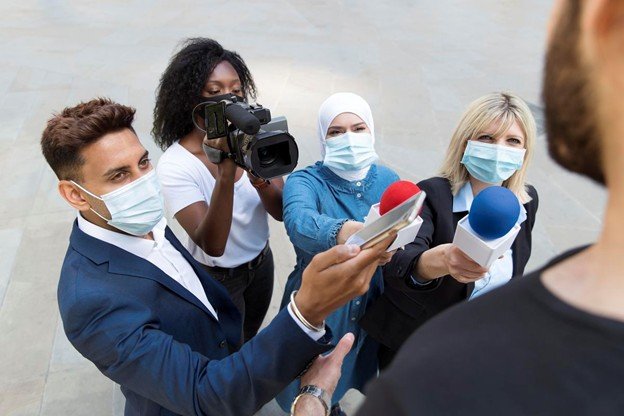
Beyond that, Donald Trump has openly accused climate scientists of having a political agenda, which is part of why he resists making any policy changes. In media interviews Trump has expressed suspicion that scientists are driven by a very large political agenda, and he has also questioned whether humans are actually responsible for rising global temperatures. From the statements and actions of the United States’ top leader, we get a clearer picture of where climate scientists stand today. This phenomenon has a direct connection to something described by Thomas M. Nichols in his book “The Death of Expertise.” Nichols, who is also an American public policy scholar writes in his book that the growth of the digital era, which has made it easy for people to be flooded with information, brings with it a serious concern about the future role of experts. That concern is not about experts disappearing from the earth entirely. Rather Nichols is pointing to the fading of experts as a group whose professional knowledge carries real weight. This phenomenon of the death of expertise is marked by an anti-intellectual attitude in which ordinary people, or those without a specific professional capacity or skill set, start treating their personal opinions as equal to professional expertise, and end up rejecting facts that have been rigorously tested.
The death of expertise can appear across many areas of public discourse. We often see it happen when something goes viral on social media. Within minutes of a video or story spreading, the comment section of that account fills up with all kinds of responses. Many of those comments contain personal opinions, personal disagreements, and sometimes the comment section turns into a public debate full of logical errors, because people are sharing their views without grounding them in any tested scientific knowledge. As Nichols points out no one is an expert in every field, because each person has their own specific areas of ability. But in the social media era where everyone can easily access enormous amounts of information, many ordinary people behave as though they know everything, when in reality they do not. What makes this even more serious is that those same people can spread information whose accuracy has never been verified, and that is one of the core factors driving the death of expertise.
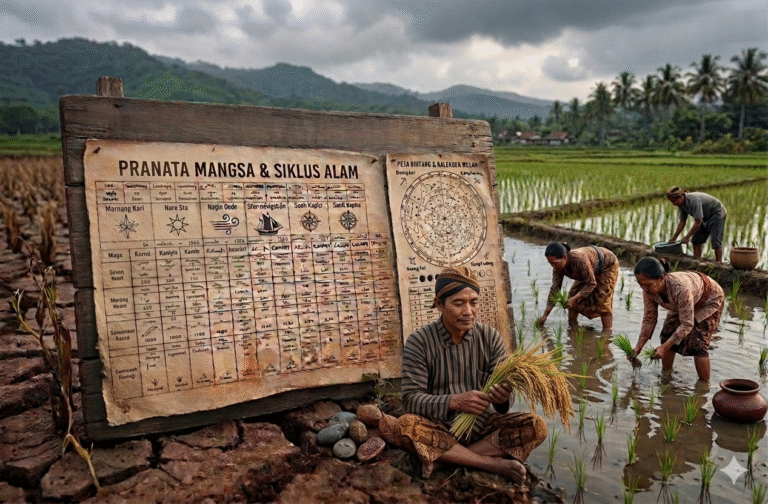
If this death of expertise phenomenon stayed limited to discussions that are only temporary in nature, like celebrity gossip or unusual everyday happenings, its effects on the long-term fate of humanity would not be all that significant. But when the death of expertise reaches the discourse around the climate crisis, the consequences become important. Why? Because based on IPCC reports and supported by the findings of many other experts, the earth we live on has experienced a significant rise in temperature over the past several decades. Humans can only survive on earth within a certain temperature range. Staple crops like rice, corn, and wheat also need stable climate conditions to grow and produce. Given the real threats facing the environment, the earth urgently needs healing through various kinds of intervention, including a massive reduction in carbon emissions. But just imagine what it would mean if people did not believe in the climate crisis ?
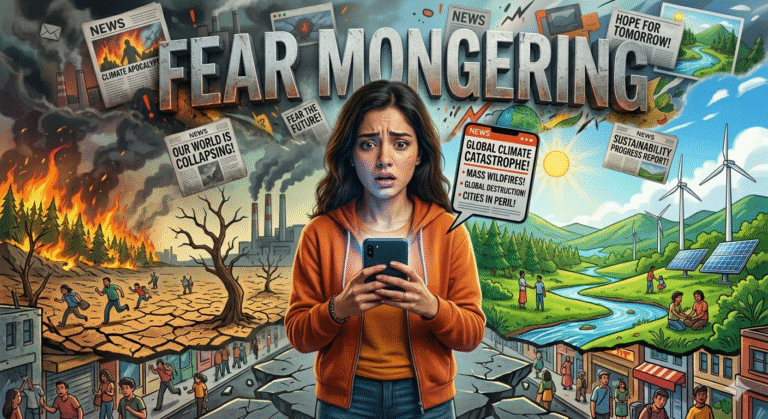
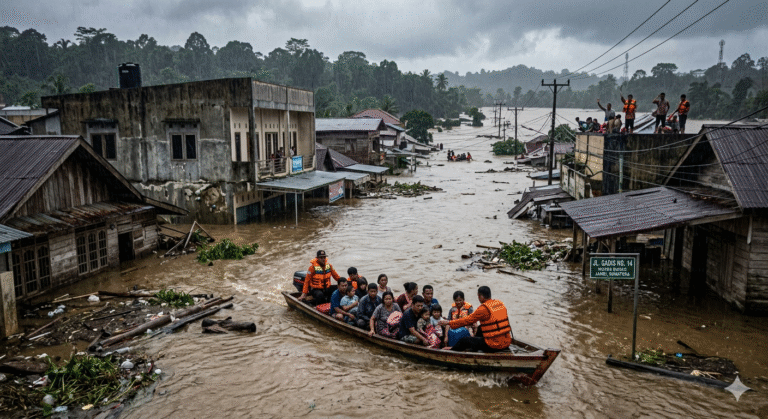
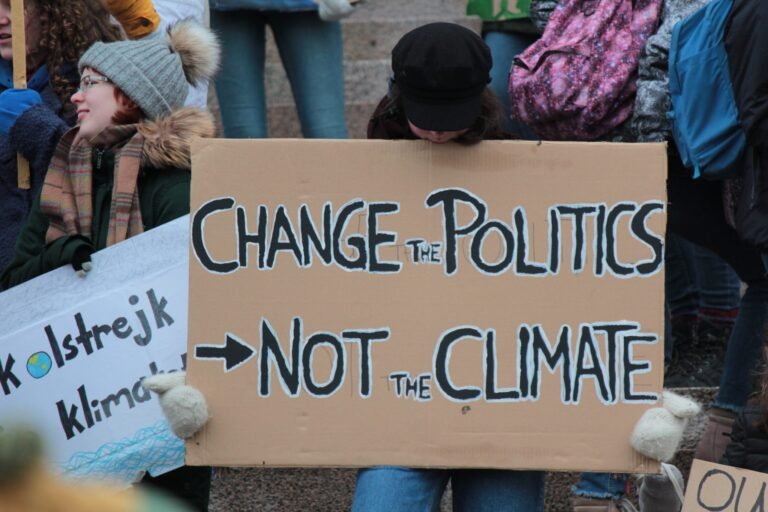
Disbelief in climate experts makes adaptation and mitigation efforts extremely difficult to achieve. This becomes even more serious when that disbelief comes from highly influential elites who shape decisions at the international level, like Donald Trump. The death of expertise in climate crisis discourse also has a significant effect when it spreads widely among ordinary people. When people stop trusting the information shared by climate scientists, they reject scientifically verified facts and tend to be unwilling to avoid activities that harm the environment. Beyond that, this phenomenon can cause people to become unaware that they themselves are victims of the injustice produced by the climate crisis. When people reject scientific facts and the testimony of climate experts, they lose their understanding of the situation and tend to stay passive, meaning they make no demands for accountability, when activities like deforestation or land conversion bring natural disasters like flooding into their lives. Worse still, the death of expertise can be further deepened by other supporting narratives that weaken the climate crisis discourse.
Take Indonesia for example, where the social and cultural fabric of society is highly religious and people tend to show strong loyalty towards religious leaders. Eschatological teachings like “everything that happens on earth is by God’s permission, and we as humans can only be patient” have the potential to become one of the factors behind the death of expertise. This is because people may end up trusting religious figures more than climate scientists, given the strong culture of religious obedience that exists there. In fact, a report published in the Jakarta Post once noted that most environmental issues in Indonesia tend to gain more trust from audiences when they are communicated by religious leaders rather than climate scientists. If we look further into this, we would likely find even more different reasons for why the death of expertise can happen within climate crisis discourse. In short, the death of expertise is a deeply unfortunate phenomenon, because when people no longer believe in climate change, it means they also fail to understand that their own futures and the futures of generations after them are under serious threat. Restoring the standing of climate scientists is important and needs to happen now, but doing that is essentially the same as trying to eliminate the death of expertise that has been building for a long time, and that is not an easy thing to do. But that does not mean we should take no steps at all. What we can work toward in order to reduce the death of expertise within climate crisis discourse is to keep spreading information about the dangers of climate change using language that is first adjusted to fit the cultural and social context of the audience being reached, while still carrying the scientific substance drawn from the data that climate experts have shared.
Keywords: Climate Discourse, Climate Scientist, The Death of Expertise

 Reston Dennis Juah
 Noor Ul Ain
 Hassan Barrie
 Hoby Nasandratra Andriamiandrisoa
+ There are no comments
Add yours