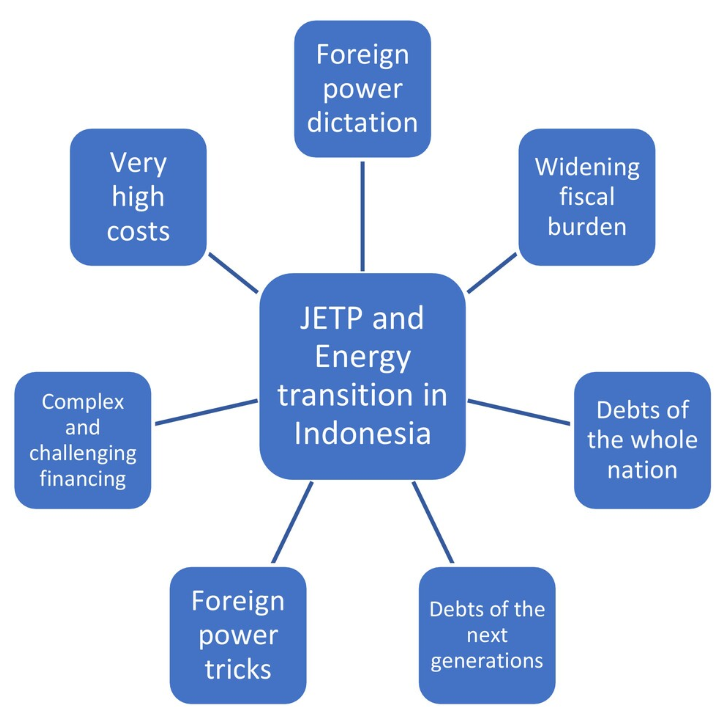
Introduction Climate change is one of the greatest policy challenges of the twenty-first century. Yet for many countries in the Global South, climate change is not the only crisis demanding their attention. For many countries in the Global South, their governments will have to deal with the challenges of poverty, unemployment, food insecurity, energy insecurity, […]

Category: Climate Policy
Indonesia’s Blue Carbon fighting Climate Change
When we talk about climate change, the conversation always goes to deforestation, fossil fuel, agriculture and industrilization, we rarely talk about water’s edge. In Indonesia’s vast coastline there are quietly powerful source to fight climate change, it is blue carbon especially seagrass meadows and mangroves forest. The importance of climate change mitigation has made blue […]
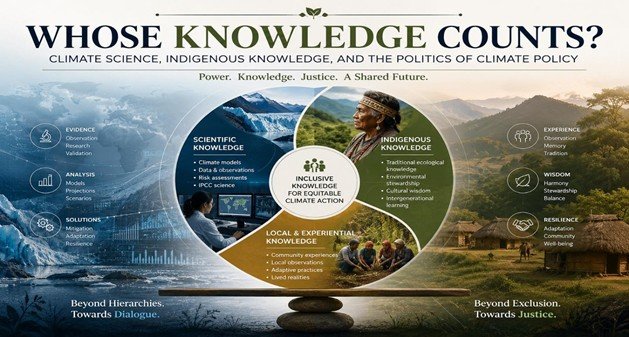
Whose Knowledge Counts? Climate Science, Indigenous Knowledge, and the Politics of Climate Policy
Climate change is often described as a scientific issue that must be addressed with scientific solutions. Scientific assessments, climate models, and expert knowledge are critical to informing decision-making processes for international climate negotiations, national adaptation plans, climate finance mechanisms, and public climate debates. The authority of climate science has been crucial in demonstrating the reality […]
How the U.S. Inflation Reduction Act Exemplifies Non-locked-in Transformational Climate Policy
A good recent example of a transformational change in climate policy is the Inflation Reduction Act (IRA) of 2022. President Joe Biden and Vice President Kamala Harris signed this Act into law on August 16th, 2022. One of the main things the Act seeks to do is invest in domestic energy production, as well as […]
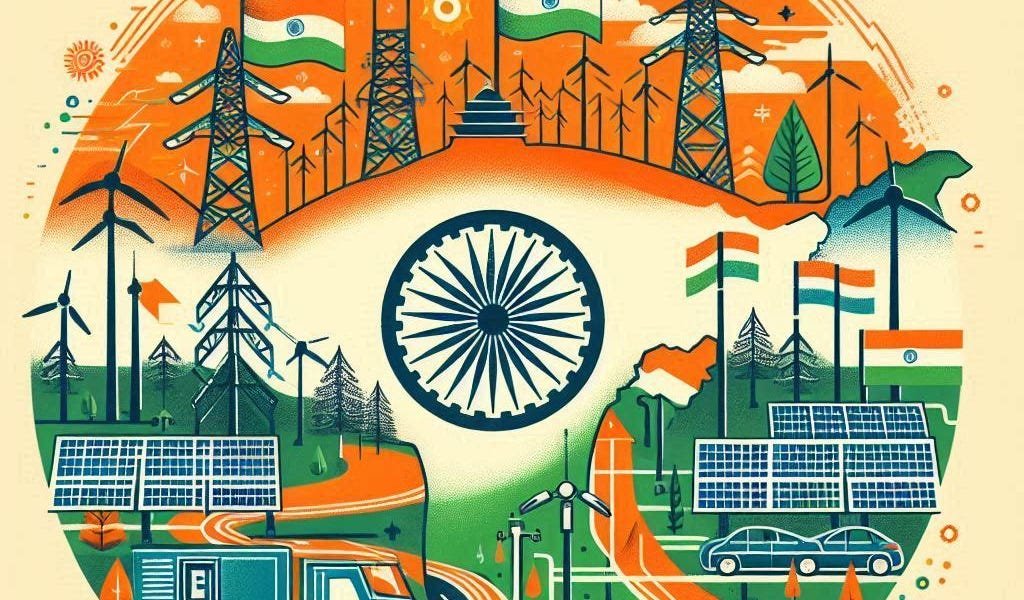
India’s Energy Transition: Current Status and Outlook
One of the greatest challenges of our time, climate change, is threatening our environment, health, and economy. Climate change has been attributed to greenhouse gas (GHG) emissions, essentially due to human activities such as burning fossil fuels, deforestation and land use changes. Increase in GHGs leads to increase in global temperature, severe weather patterns, melting […]
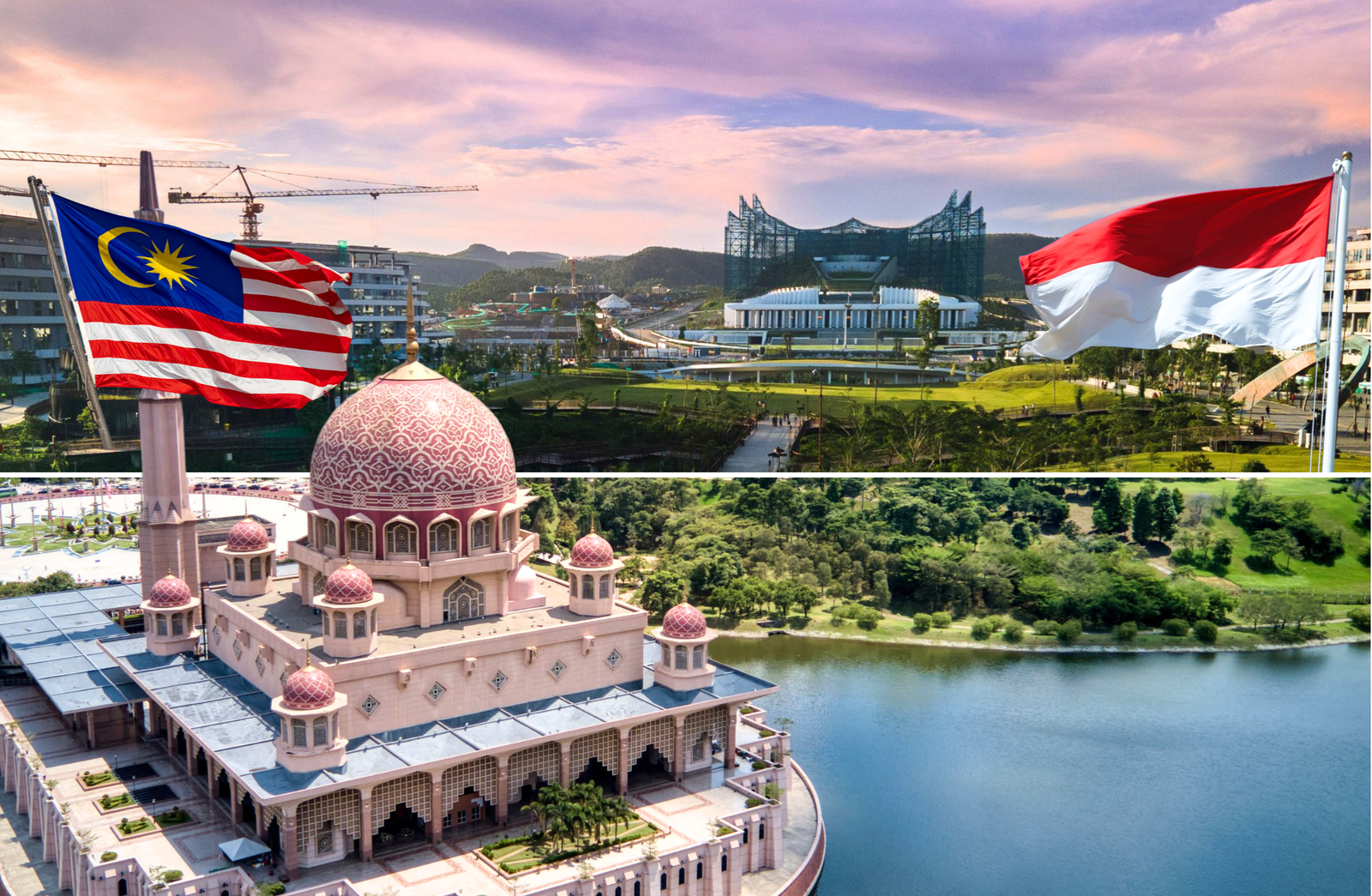
Revisiting the Development of Putrajaya: What Can Nusantara Learn from It?
Both Nusantara and Putrajaya are new cities designed to take over the functions of the former capitals of their respective countries. Nusantara is Indonesia’s new capital city located in East Kalimantan province, which is currently still under construction since being launched as a strategic national project in 2019. The main objective of moving the capital […]
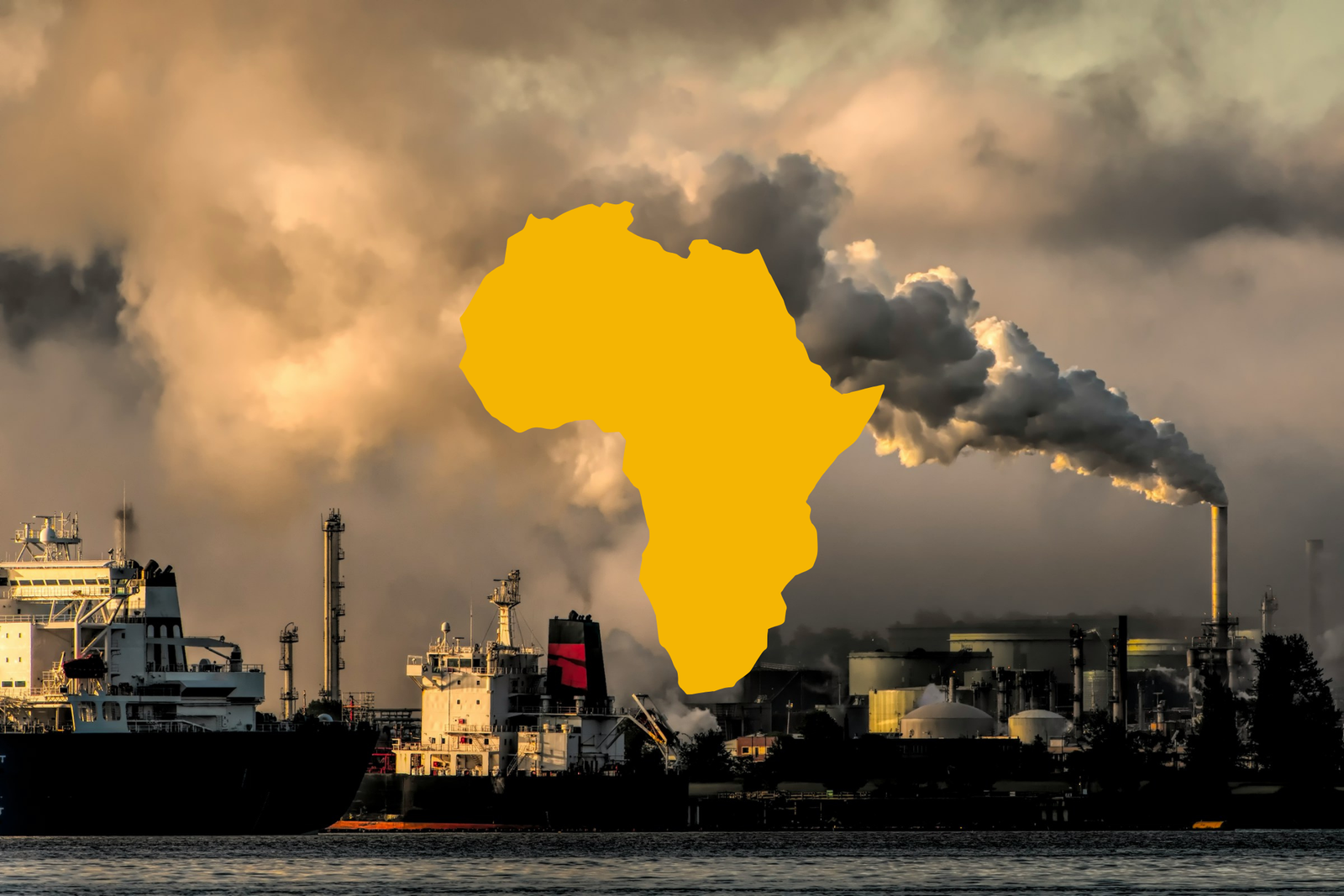
Green Paradox: Carbon Leakage in Africa Hinders Global Mitigation Efforts
The green paradox was first coined by the German economist Hans-Werner Sinn in his book of the same name. Sinn argues that climate policies have the potential to increase emissions instead of reducing them. The concept is rooted in how fossil fuel owners are expected to respond to the prospect of stricter climate policy over […]
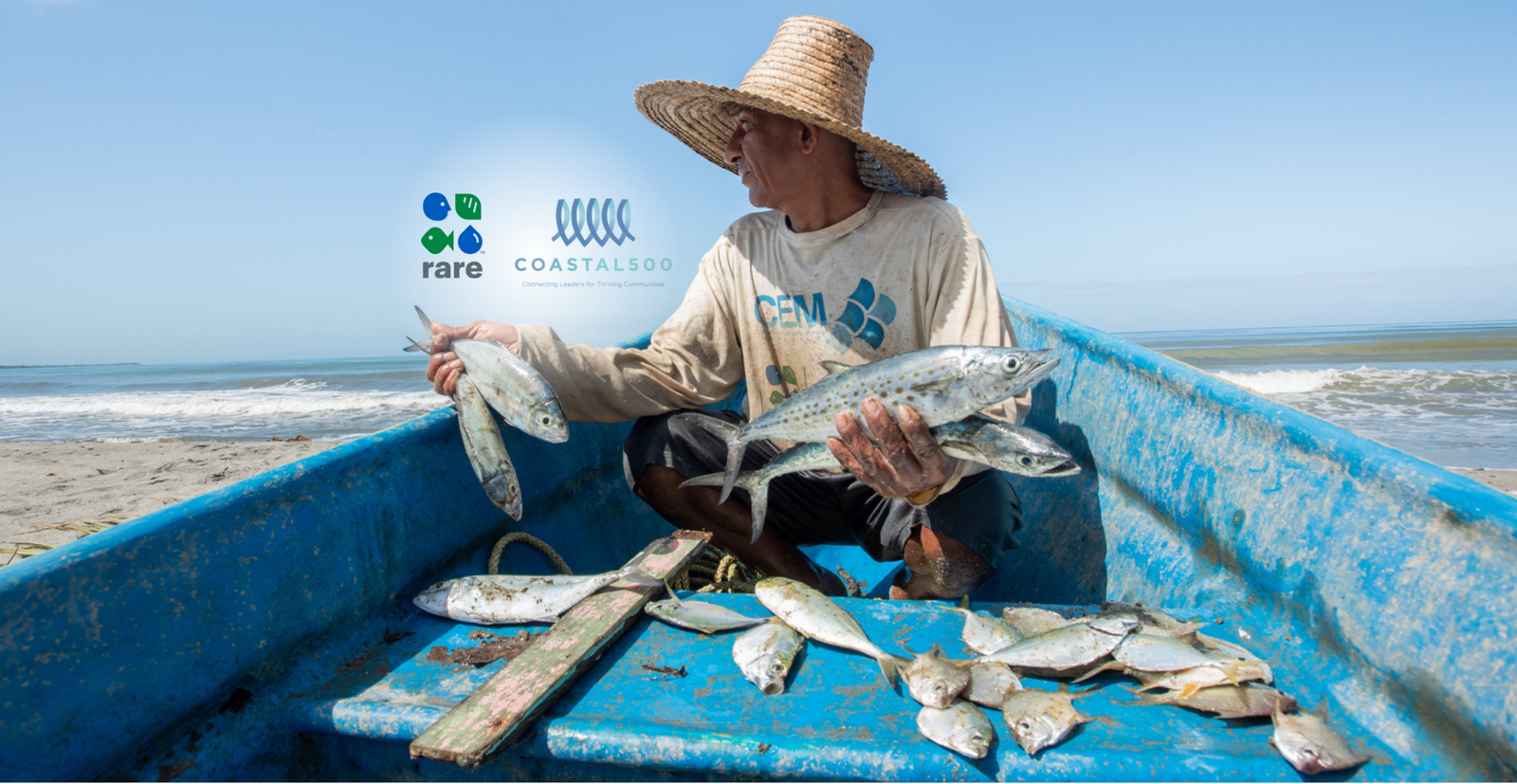
Fish Forever: Can Community-Led Fishing Save Indonesia’s Coasts?
Fish Forever is a community-based program run by Rare, an international non-governmental organization (NGO) focused on marine and fisheries. The goal of this program is to facilitate community-based management for small-scale fisheries in coastal areas by empowering fisher communities and local governments to protect and utilize their marine resources in a more sustainable manner. The […]
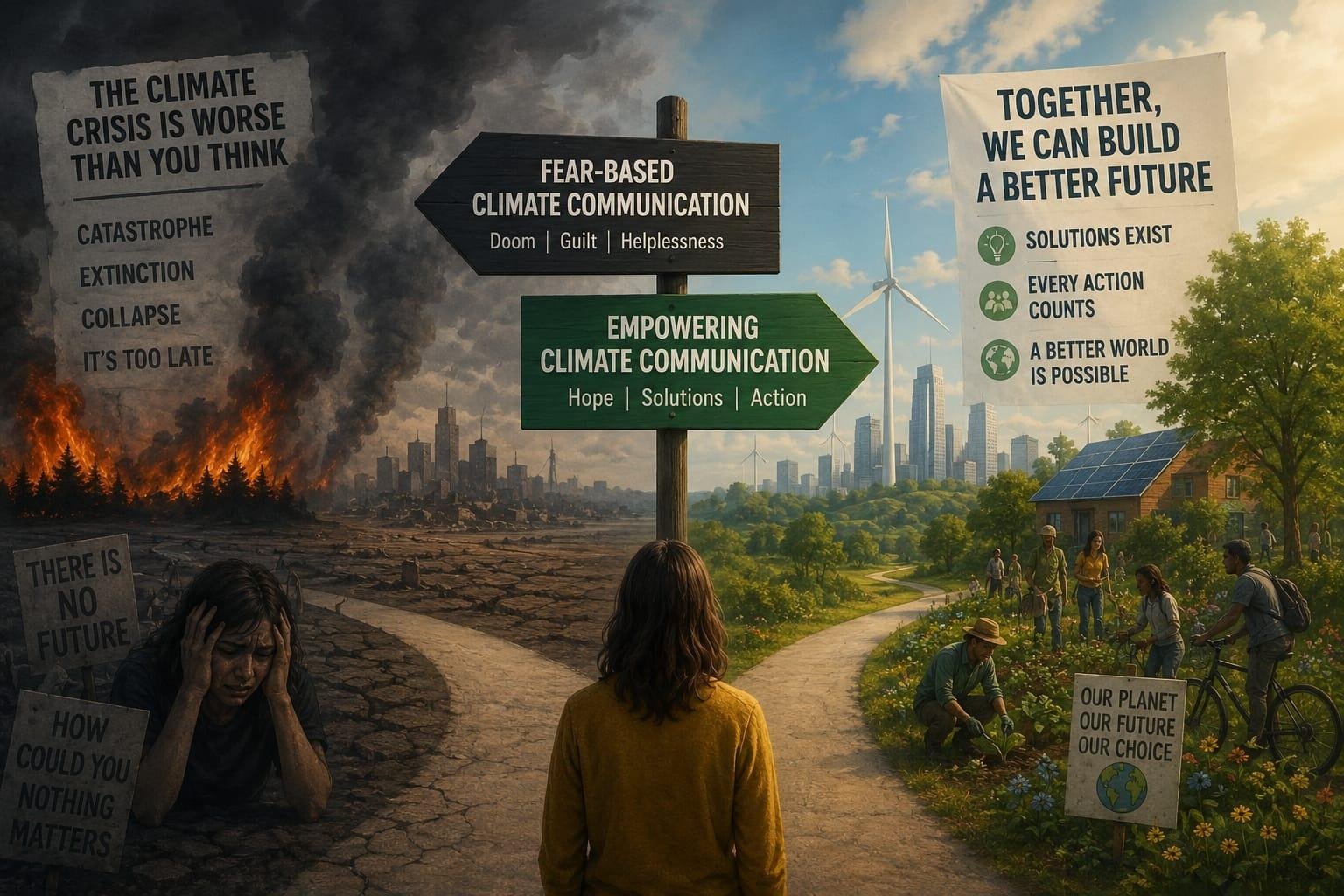
Does Fear Motivate Action? Analyzing Fear-Based Climate Communication
In 2019, images of the Amazon rain forest burning circulated worldwide through media channels in few hours. Politicians declared the fires as a threat to humanity itself. Climate activists warned that the “Lungs of the Earth” were collapsing. International leaders debated sanctions against Brazil, and social media transformed the crisis to a world of fear, […]
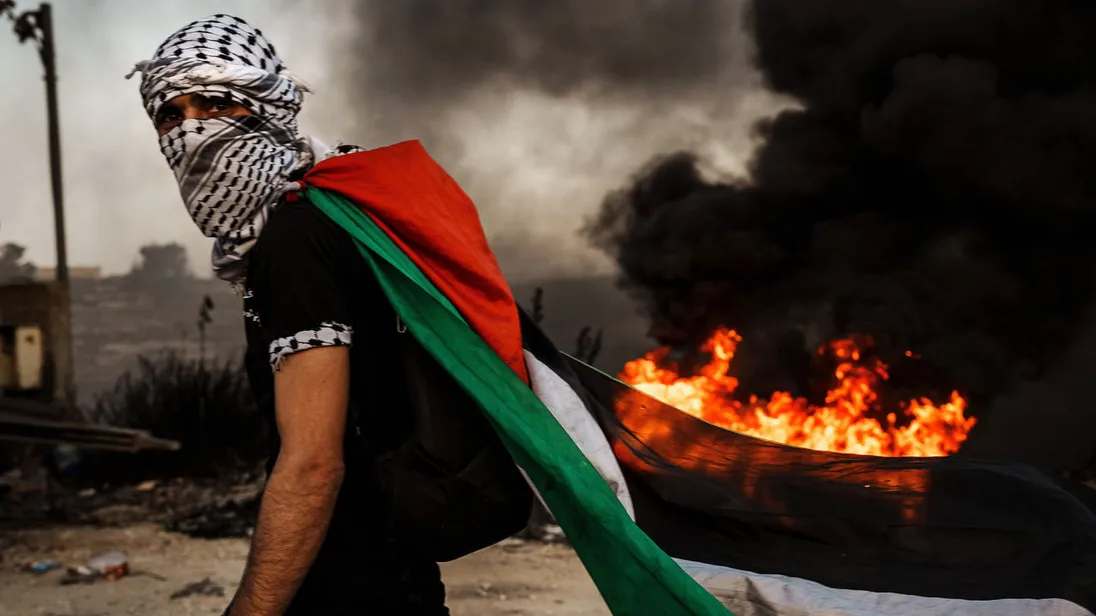
Rethinking Climate Policy in an Era of Rising Geopolitical Conflict
Geopolitical instability has become a threat to decarbonization efforts. Initially, climate policy was developed under the assumption of a relatively stable international environment; however, the rise in conflict is challenging that assumption. Policymakers will therefore need to develop new ways of solving climate change in the face of conflict. Conflict should now be viewed as […]