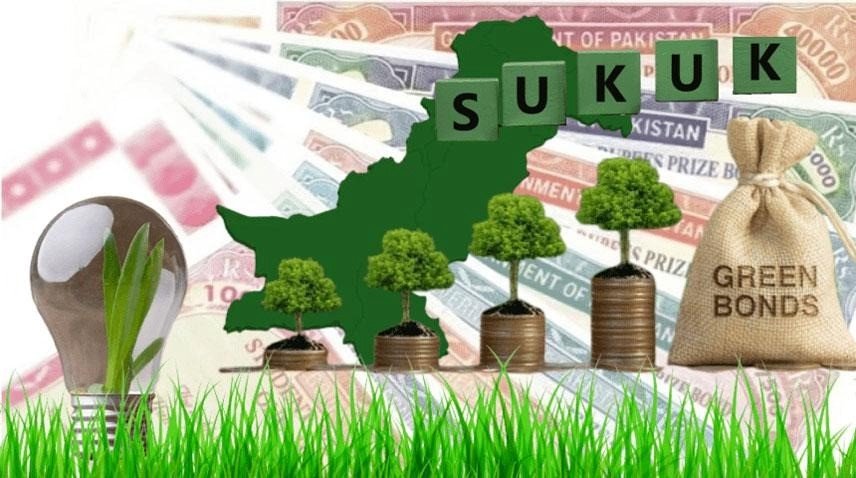
The paradox of Pakistan’s climate finance architecture lies in its simultaneous integration of innovative instruments like Green Sukuks and multilateral pledges, compared against an ineffective implementation chasm that threatens the credibility of its newly submitted Nationally Determined Contribution 3.0. NDC 3.0 submitted to the UNFCCC in September 2025, pledges a 50% unconditional reduction of business-as-usual […]
Category: Climate Policy
Chile’s Clean Energy Transition: Legal Innovation, Market Power, and Uneven Justice
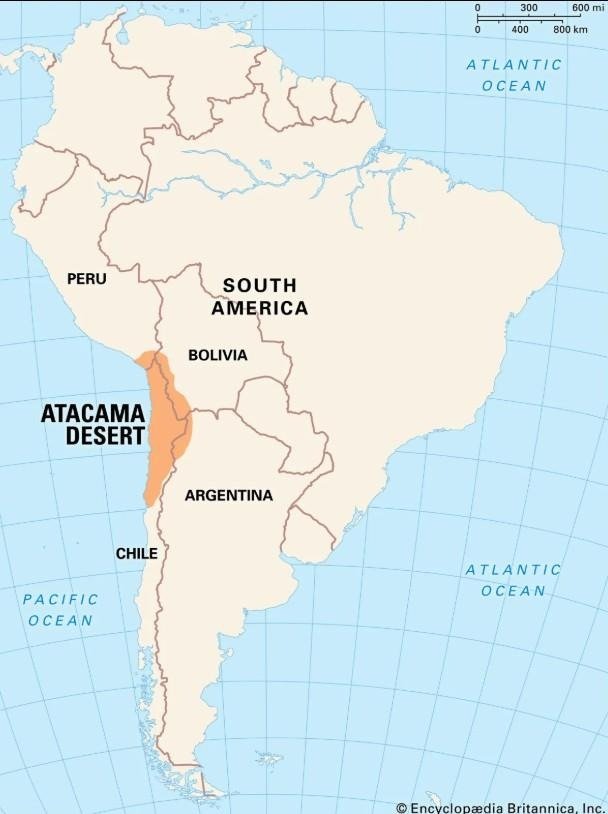
From Energy Crisis to Renewable Opportunity Chile is sometimes praised as a success story of clean energy in the Global South. Market-based reforms and legal innovation have quickly scaled up renewables over two decades. However, there are ongoing issues to be addressed in terms of equity, governance and participation. This blog explores, using Chile as […]
Bridging Global Climate Governance and Local Adaptation Needs: Reassessing Policy Coordination and Private Sector Roles
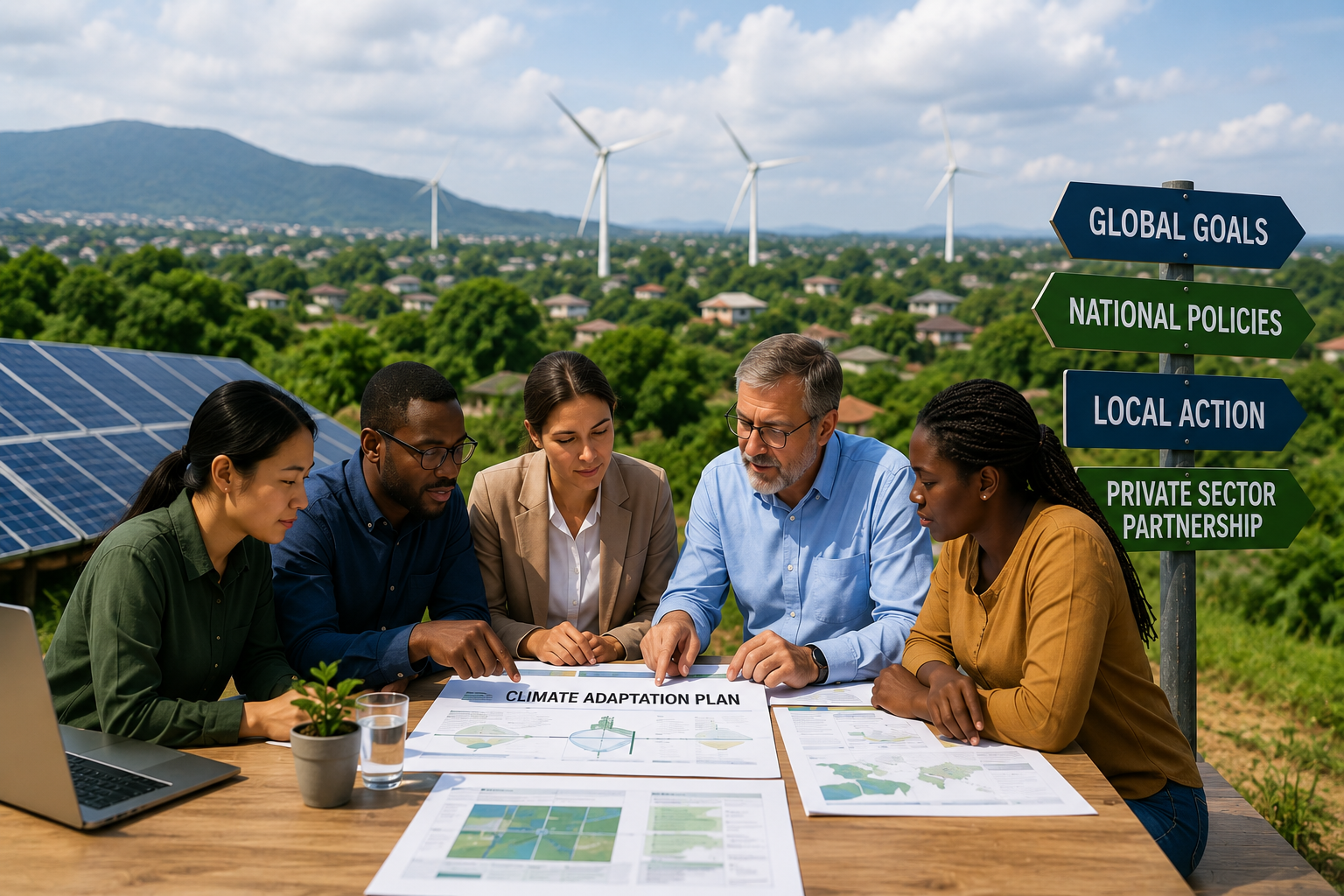
IntroductionThe effects of climate change are becoming more frequent and more severe, but adaptationcapacity varies in institutions. International agreements like the Paris Agreement and GlobalGoal on Adaptation provide significant targets, and the execution of adaptation measures ishighly reliant on the coordination on a national level, local institutions, and the involvement ofthe private sector. The disparity […]
INDONESIA’S VULNERABILITY TO CLIMATE CHANGE: GAPS, RISKS AND LOCAL ADAPTATION PATHWAYS
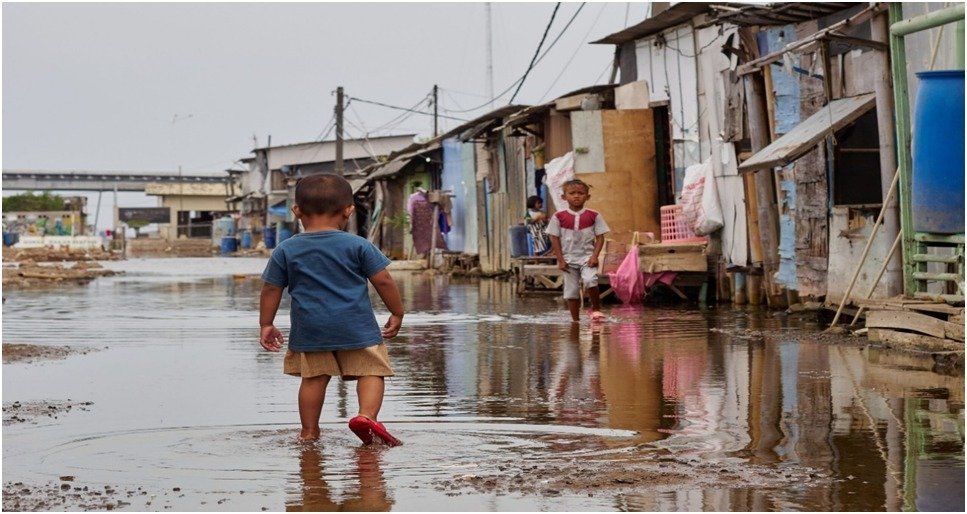
Introduction Indonesia is a highly climate and disaster vulnerable nation in the world. The country lies along the Pacific “Ring of Fire” which has over 17,000 islands and is prone to earthquakes, volcanic eruptions, tsunamis, floods, droughts and forest fires (World Bank Group, 2016). All these geophysical risks today overlap with the accelerated climate risks, […]
THE 24-HOUR ECONOMY: GHANA’S INITIATIVE TOWARDS A GREEN INDUSTRIAL DEVELOPMENT.
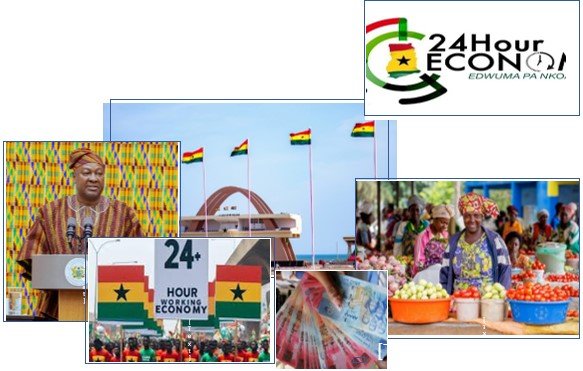
Executive Summary Climate change is a significant global concern, impacting economic growth and development. The 2015 Paris Agreement and Sustainable Development Goals have set pathways to combat climate change, urging nations to adopt global green transition pathways (The Ministry of Environment, Science, 2023). In December 2024, Ghana’s new president, John Dramani Mahama, vowed to improve […]
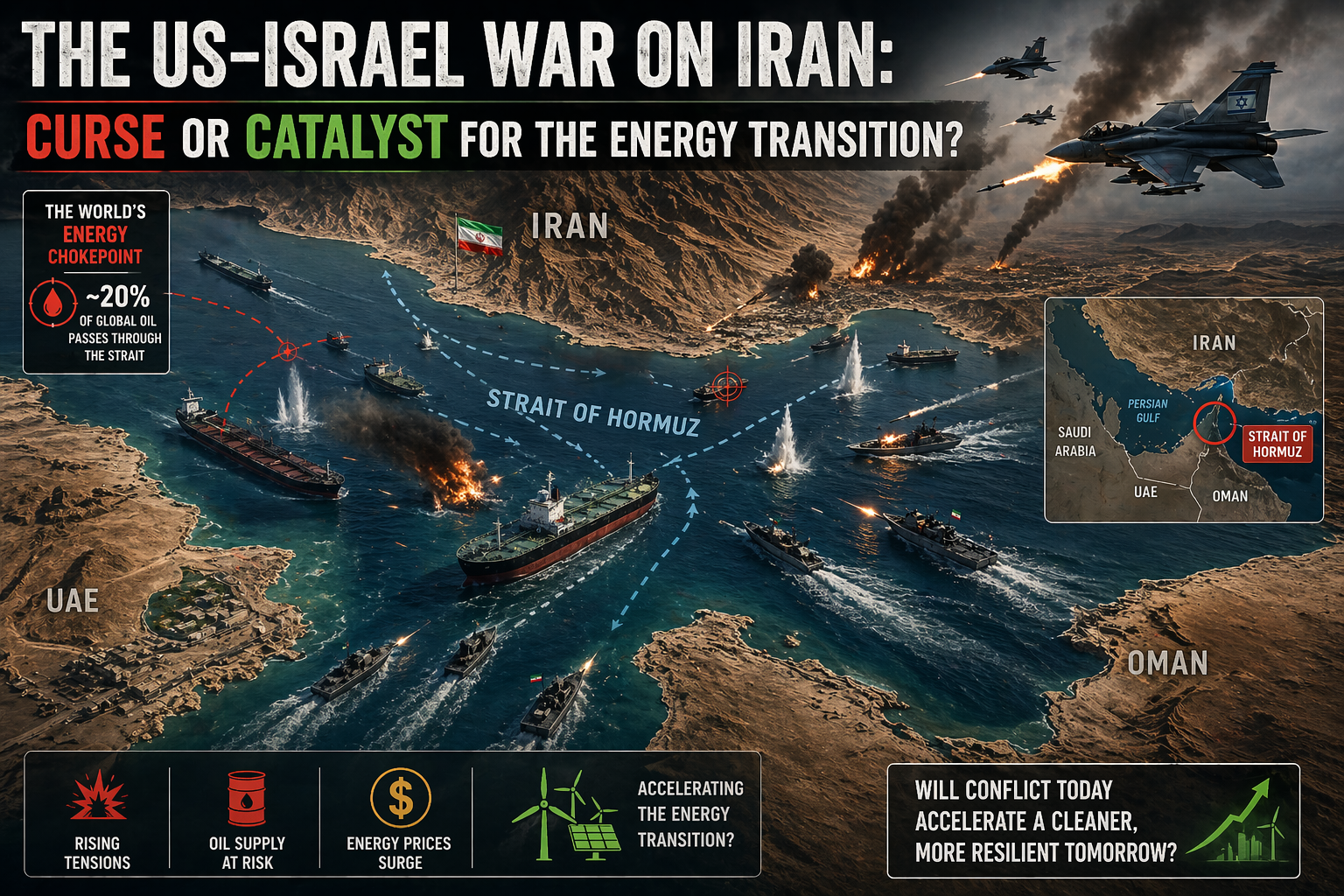
Strait of Hormuz Blockade: Crises or Turning Point for the Energy Transition
The US and Israel waged a costly war on The Islamic Republic of Iran which started on the 28th February 2026 leading to blockade on ship transit route through the strait of Hormuz. It is important to note that almost twenty percent (20%) of global energy supply transit through this vital route. This war came […]
Sweden’s Clean Energy Policy: A Global Leader For the Green Transition
INTRODUCTION In 1991, a Nordic country, Sweden, introduced carbon pricing (Andersson, 2019), to encourage renewable energy use. The policy, which aligned with the Paris Agreement objectives, was designed to create cleaner energy supply and use technologies. This resulted in wind and biofuel investment subsidies, international environmental taxation, and tax reform (Cruciani, 2016). Sweden has steadily […]
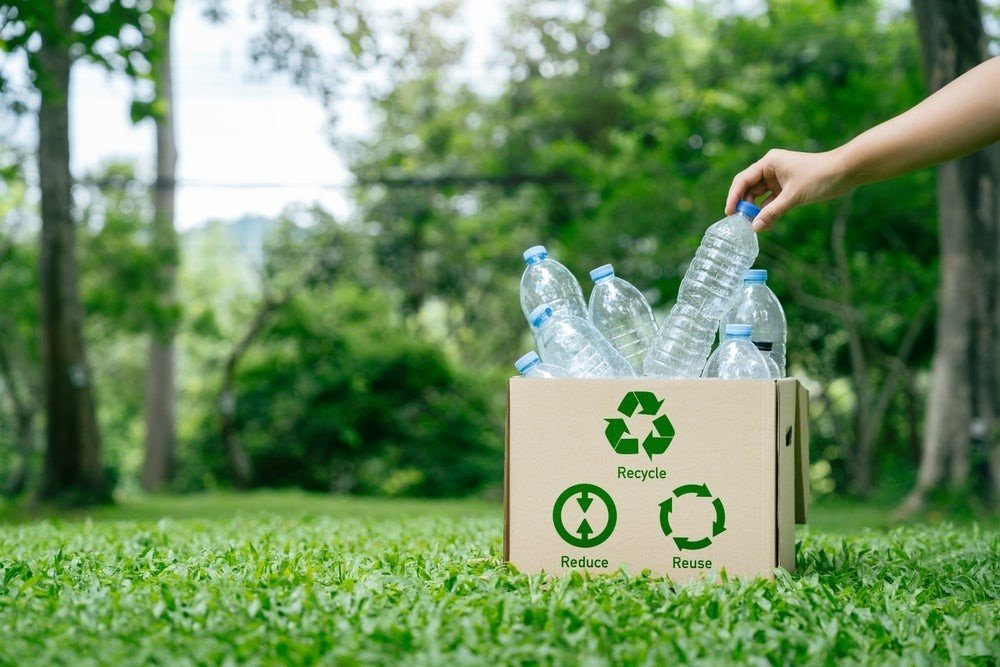
EXPLORING CHALLENGES AND STRATEGIES FOR PLASTIC WASTE REDUCTION
A SUSTAINABLE HOUSEHOLD POLICY INITIATIVES IN ASEAN. EXECUTIVE SUMMARY The production of plastics has increased in the world in the recent decades. Plastic materials are used in many industrial applications and have become quite beneficial for modern society since they are light, inexpensive, and very adaptable. Among other things, they enable us to preserve food, […]
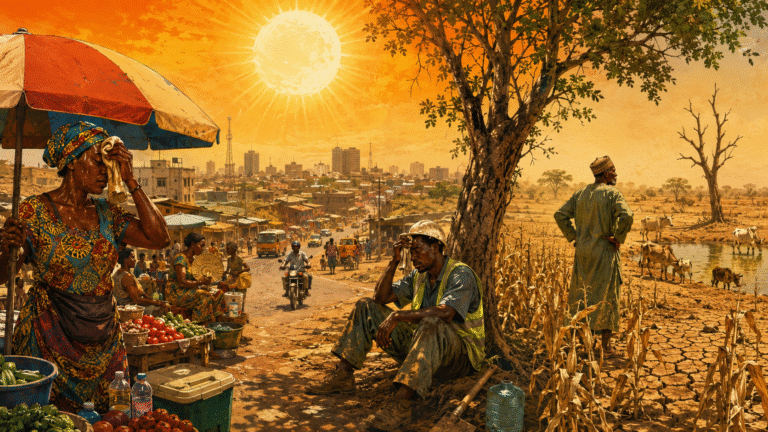
Adaptation and Dependence: Ethiopia and Nigeria Climate Policy Approach
Climate change is now one of the key policy concerns of the 21st century in the world, though the response of countries to the problem has varied widely. These disparities are determined by the economic development status, emission liability, climatic frailty, institutional competency, and political agenda. The paper is a comparison of Ethiopian and Nigerian […]
How China has manufactured the EV Giant in the World
Climate Policy, State Power, and Industrial Transformation The Chinese government implemented a systematic approach to industrial policy, between 2009 and 2024, which completely transformed the world automotive industry and at the same time supported the agenda of curbing climate change. China has turned into the global manufacturing power in less than 20 years through long-term […]